Westmalle Castle: A Fortified Estate in Belgium
Site at a Glance
- Popularity
- Medium
- Country
- Belgium
- Primary era
- Early Modern
- Eras represented
- Medieval, Early Modern
- Civilizations
- Duchy of Brabant, Holy Roman Empire, Spanish
- Site type
- Military
- Remains
- Castle
On this page6 sections
History
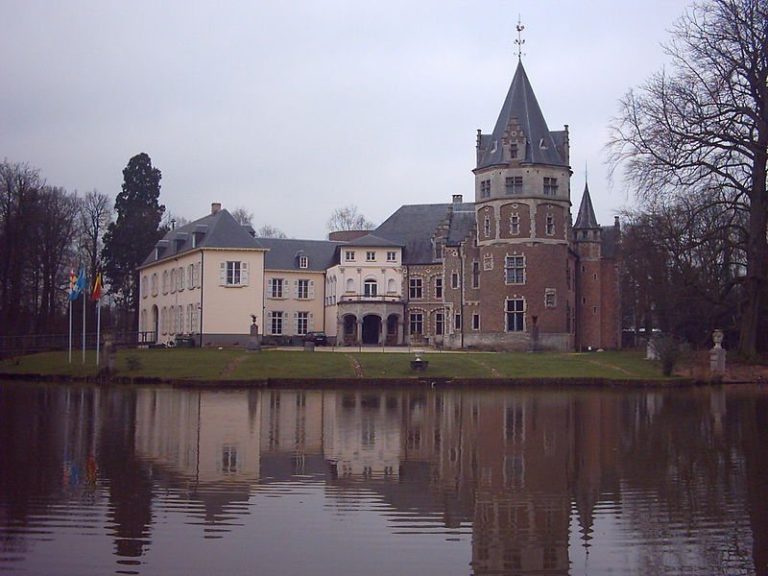
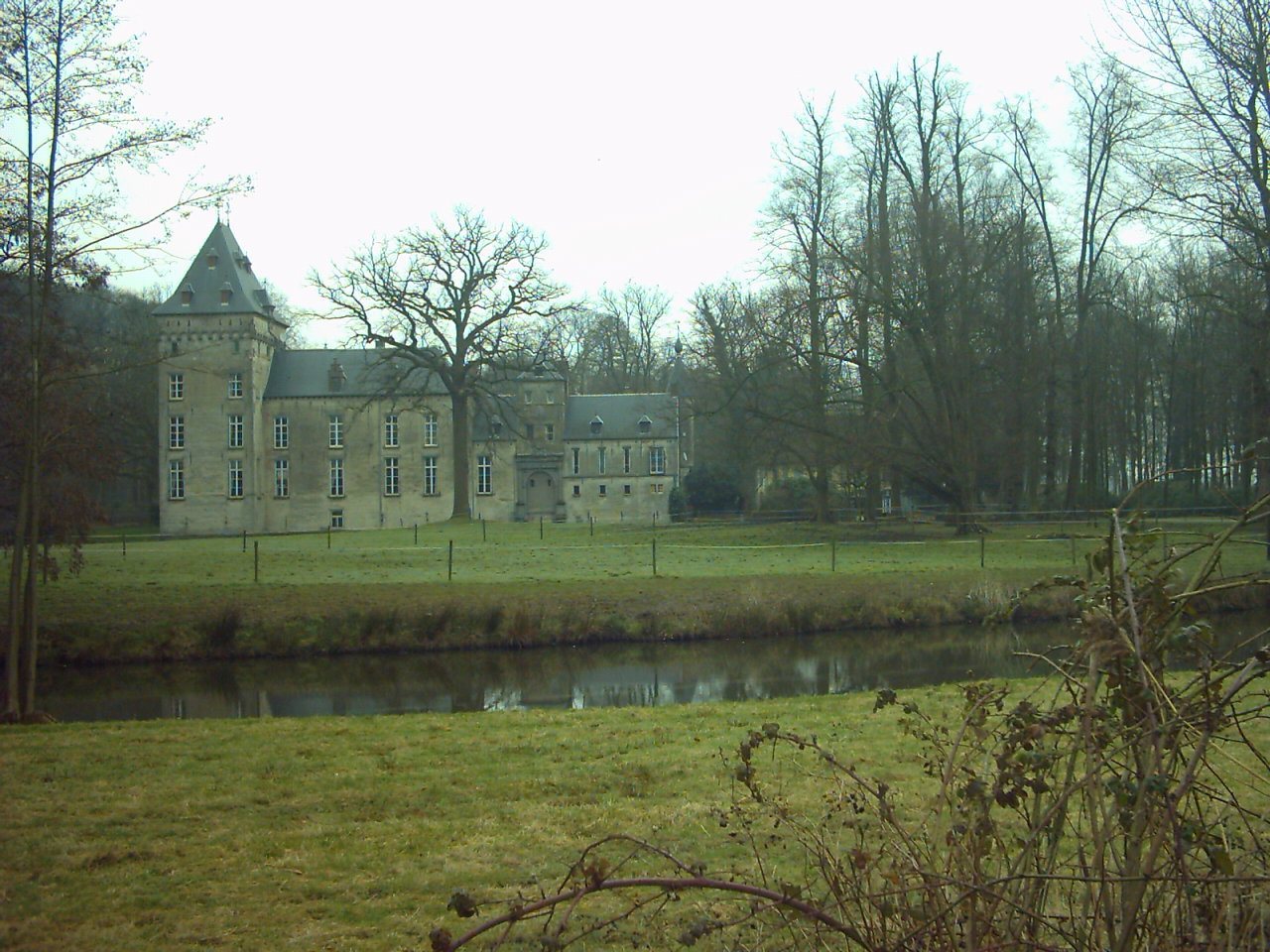
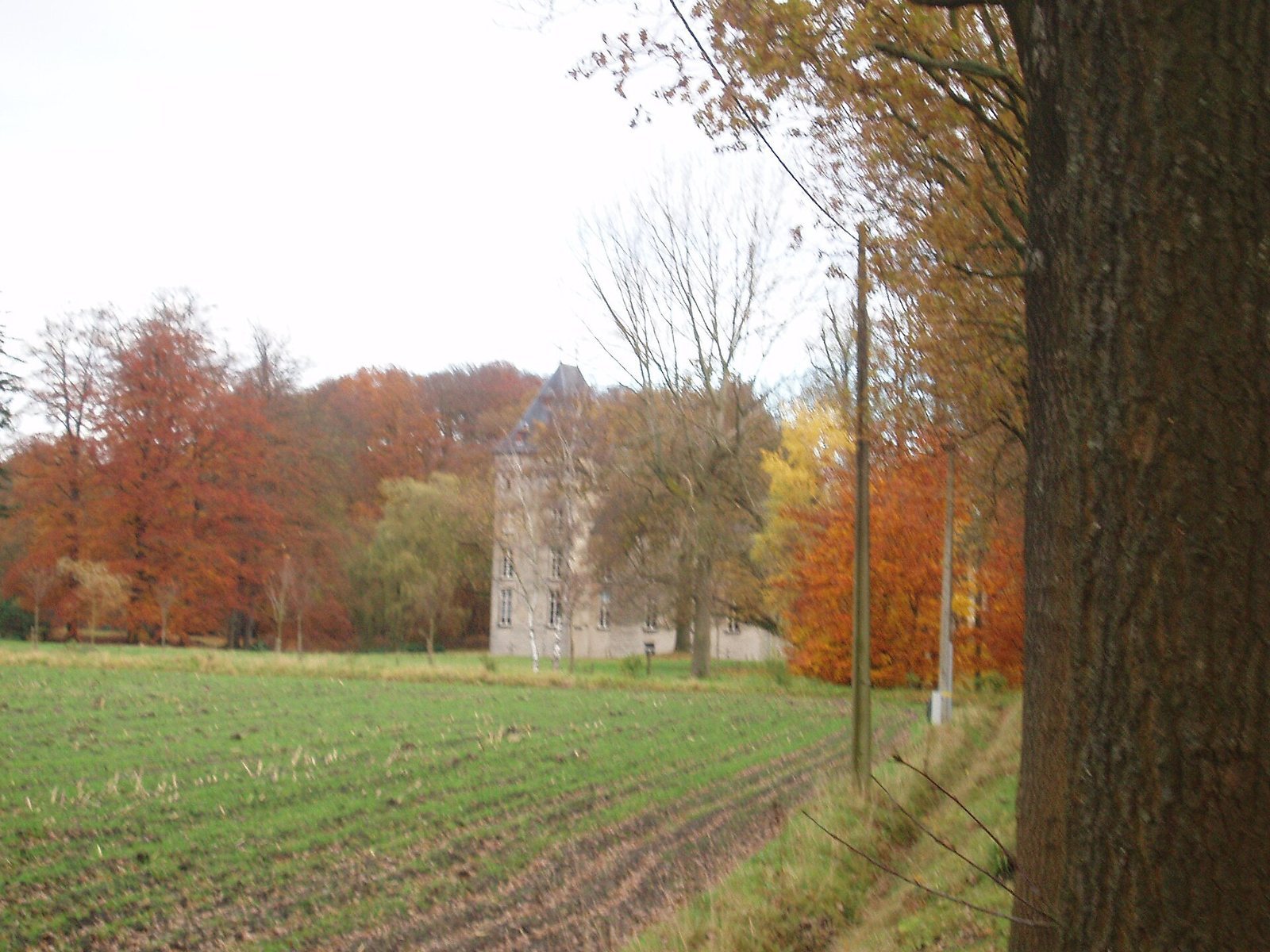
Westmalle Castle is a castle in Westmalle, in the municipality of Malle, Belgium, built in 1561 by Evrard de Cottereau after the estate had served as a fortified farm and residence for local representatives of the Dukes of Brabant.
Farm and early landholders
The estate began around 1100 as a large fortified farm known as Mansus de Trisco. It remained a farm until 1449, when Philip the Good, Duke of Brabant and a ruler of the Burgundian Netherlands, sold it to Henri van der Moelen, a member of Antwerp’s city council. In 1505, Henri’s son Hendrik, a knight, received the estate’s feudal rights from Philip I of Castile, also known as Philip the Handsome, a Habsburg ruler and king of Castile. Feudal rights were legal privileges and obligations tied to landholding.
Hendrik’s son Peter succeeded him. Peter’s grandson Evrard de Cottereau acquired the estate in 1530, and it passed to the De Cottereau family through marriage.
The Cottereau castle and later owners
Evrard built the present castle in 1561. In 1695, the last Cottereau heir was deeply indebted, first to Pierre Farisau and then to Farisau’s heir, Filips Robijns. Creditors claimed the castle in 1702, but a court returned it to Dame Moytray, the Cottereau widow. Her brother inherited the estate in 1738 and sold it to Robijns’s heirs.
In 1743, the Robijns heirs sold the castle to Jacques Benoit Pauwens, also called Powis. His family lived there until 1847. Baron de Norman renovated the building in 1829.
Nineteenth-century renovation and restoration
In 1848, Baron de Norman’s children sold the castle to Bovie, a diamond merchant from Antwerp. Bovie renovated it, while landscape architect Koelich created a garden. Louis Geelhand owned the property from 1874 to 1878. Baron de Turck de Kersbeeck then acquired it and commissioned architect Schadde to restore and renovate the castle.
Later ownership and protection
Baron Alfons van der Straten Waillet inherited the castle in 1914. After the estate was divided among his children, it passed in 1973 to his fourth son, Baron Jacques van der Straten Waillet. The castle received heritage protection in Flanders on 6 May 1977. After Jacques died in 1984, his widow, Christiane de Lannoy, and his sister, Marie-Josephe van der Straten Waillet, lived there. Christiane died in 2022, aged 102, and the castle was put up for sale. Following a survey of residents, the municipality of Malle decided to buy it, with most of the purchase financing provided by Stichting Kempens Landschap, a foundation concerned with Flemish landscape and heritage protection.
Remains
The castle is described as retaining the appearance it had in 1561, although Schadde’s later restoration included rebuilding parts of the structure. By 1738, it had the form of a fortified castle, with a monumental gate, a drawbridge, a double defensive enclosure and a forecourt. A drive leading to Westmalle church was laid out in 1650.