Lierheim Castle: A Noble Estate in Germany
Site at a Glance
- Popularity
- Low
- Country
- Germany
- Primary era
- Early Modern
- Eras represented
- Early Modern
- Civilizations
- Holy Roman Empire, Teutonic Order
- Site type
- Military
- Remains
- Castle
On this page7 sections
History
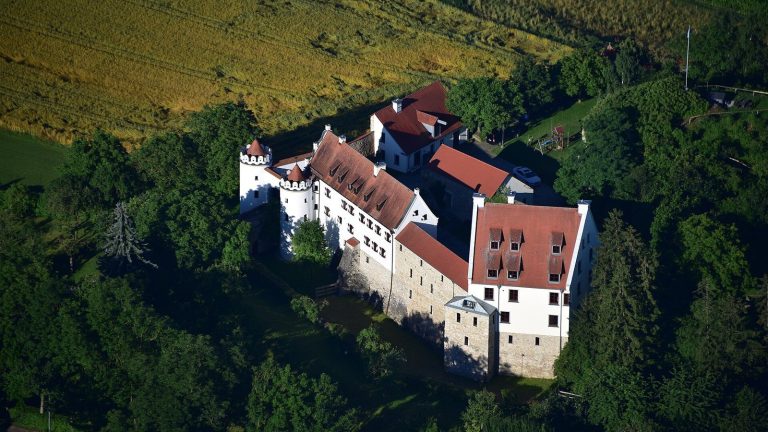
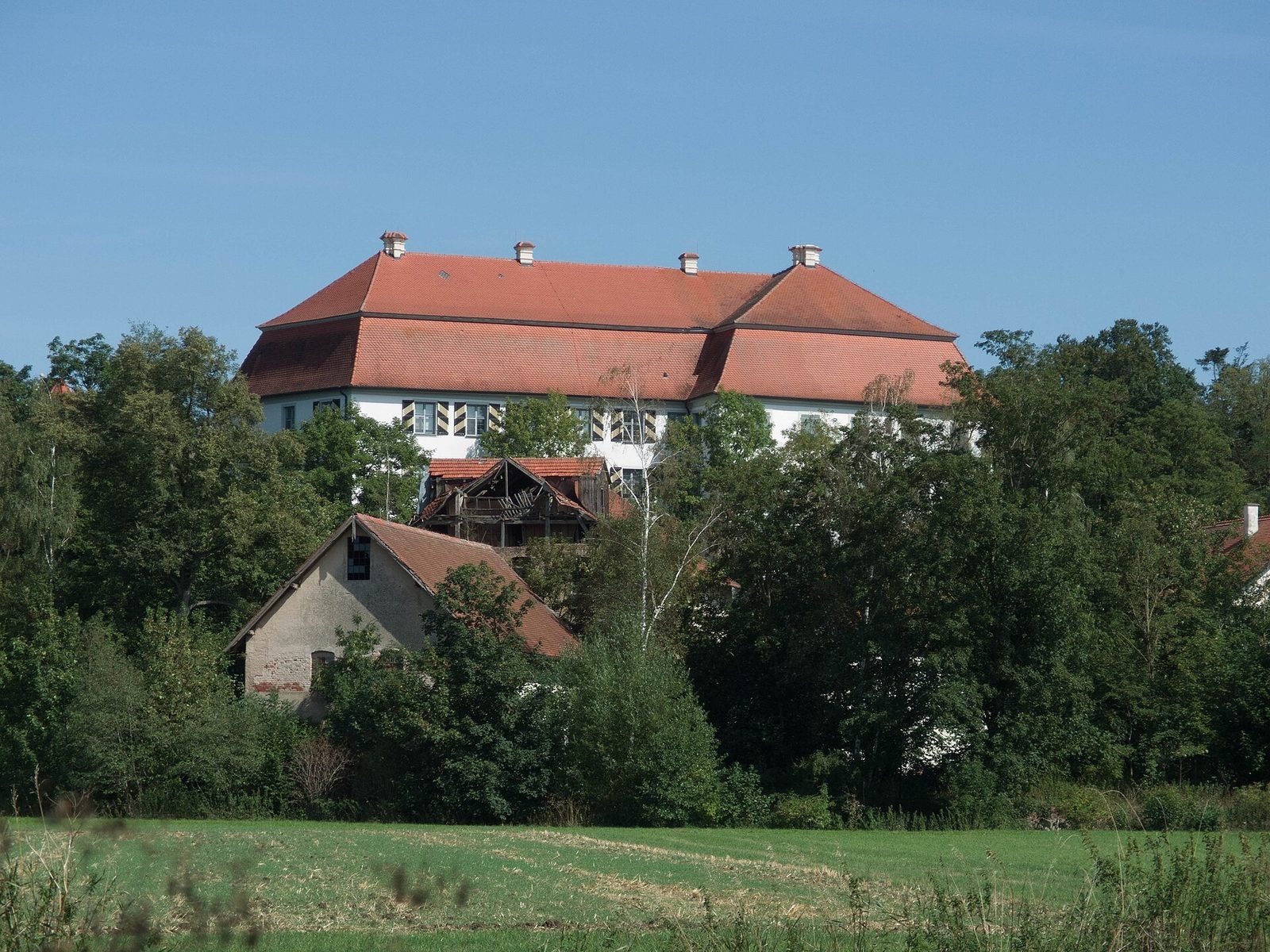
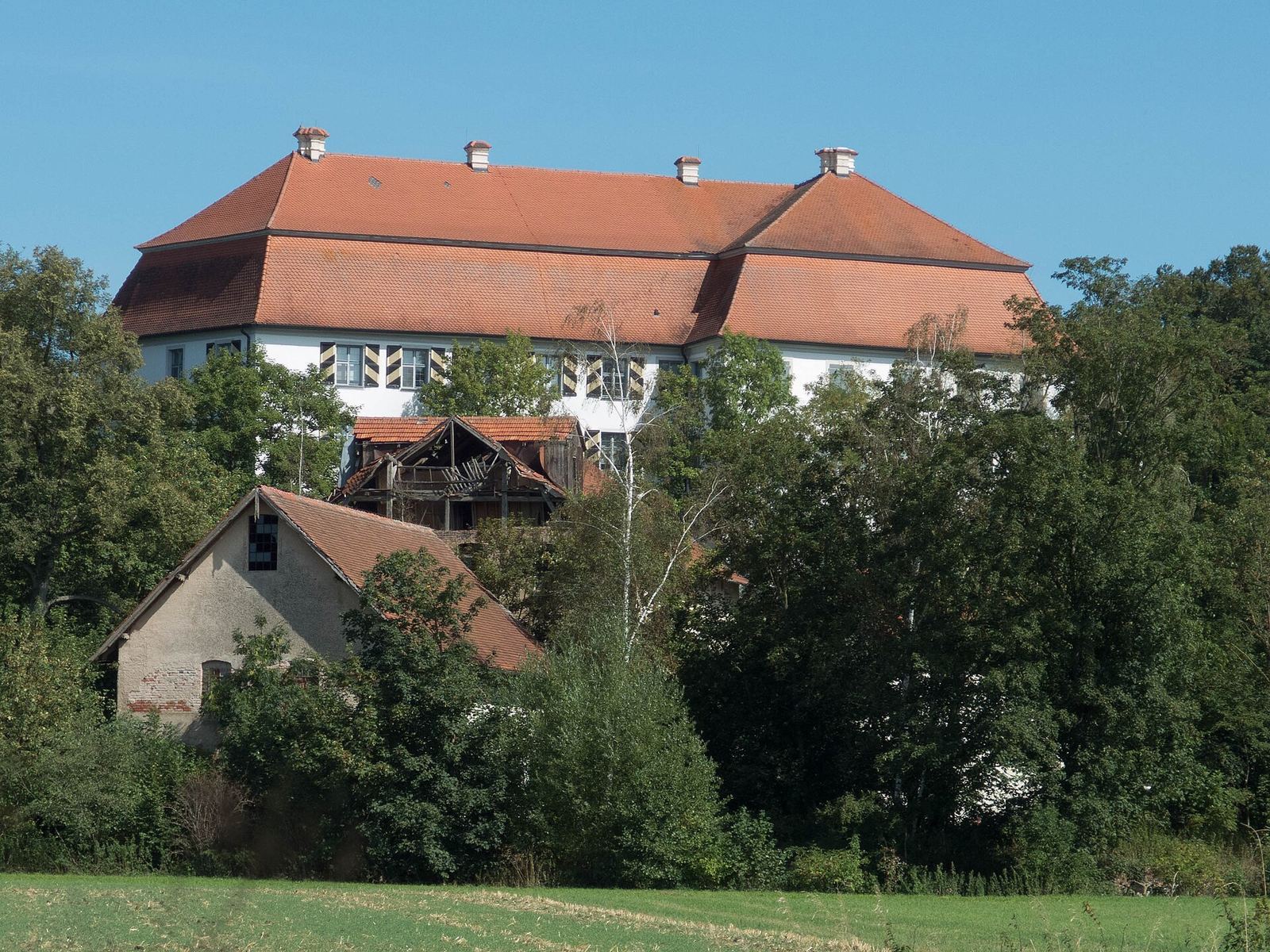
Lierheim Castle stands in Lierheim, a locality in Möttingen, Germany. Its history is linked to the Lierheim knightly family, whose estates lay mainly along the lower Eger in the Nördlinger Ries. The family produced senior church officials: Otto von Lierheim was a counterbishop of Constance from 1071 to 1086, meaning a rival claimant to the bishop’s office, and Hartwig von Lierheim was elected bishop of Augsburg in 1167.
Changes in ownership
The Counts of Oettingen gradually acquired the Lierheim lordship between 1381 and 1427. On 25 August 1427, Count Ludwig of Oettingen bought the castle in a ruinous state. In 1454, Count William of Oettingen sold it, together with its associated lands and serfs, to Amalie Erckinger von Mittelburg and her sons. The estate passed to the Lords of Hürnheim-Niederhaus-Hochaltingen in 1495. In 1541, they sold the castle and village to the Imperial City of Nördlingen, a self-governing city within the Holy Roman Empire.
Alterations and later owners
Nördlingen master builder Wolfgang Waldberger directed alterations between 1579 and 1584. He built the eastern main gate in 1606, followed by a gate tower within the bridge in 1612–1614. The tower was demolished in 1875.
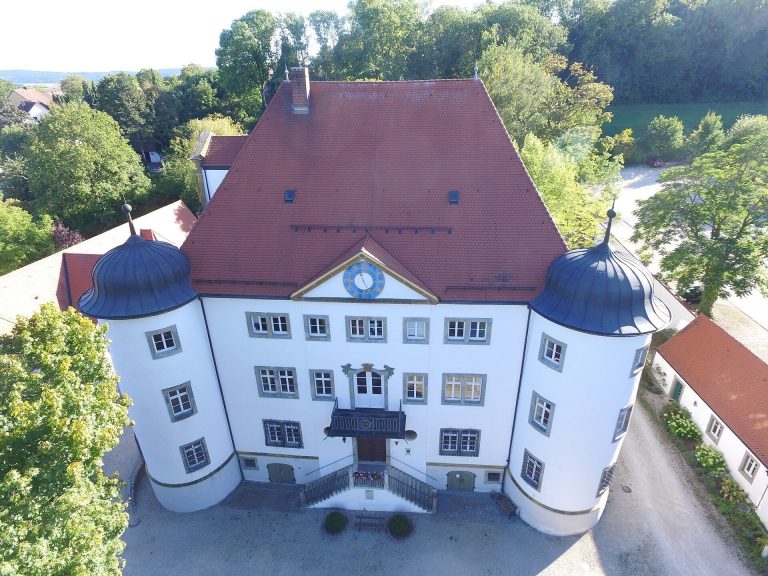
The Teutonic Order, a Catholic religious and military order, acquired the castle and commissioned extensive remodeling and expansion between 1758 and 1762. Matthias Binder served as master builder. In 1874 the castle passed to the Meyer family; the Gerlinger family acquired it in 1971 and undertook a thorough renovation.
Remains
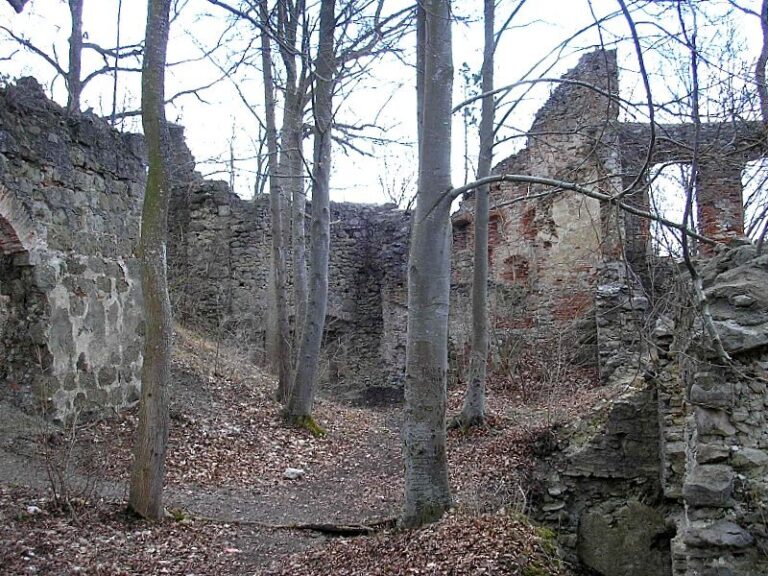
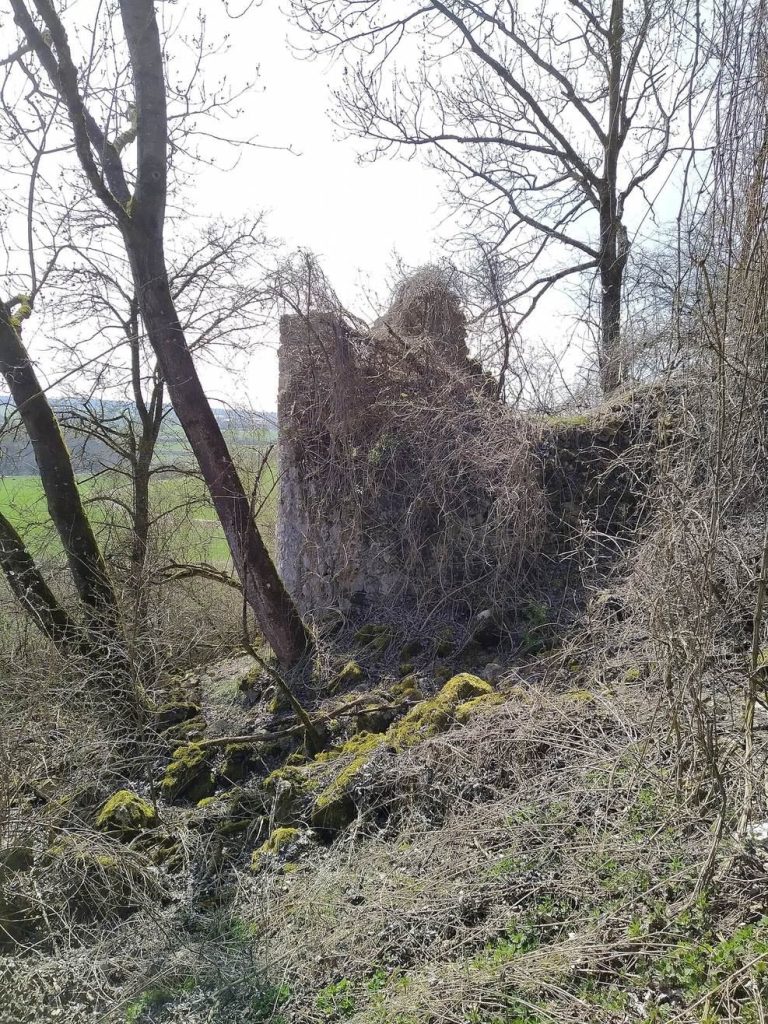
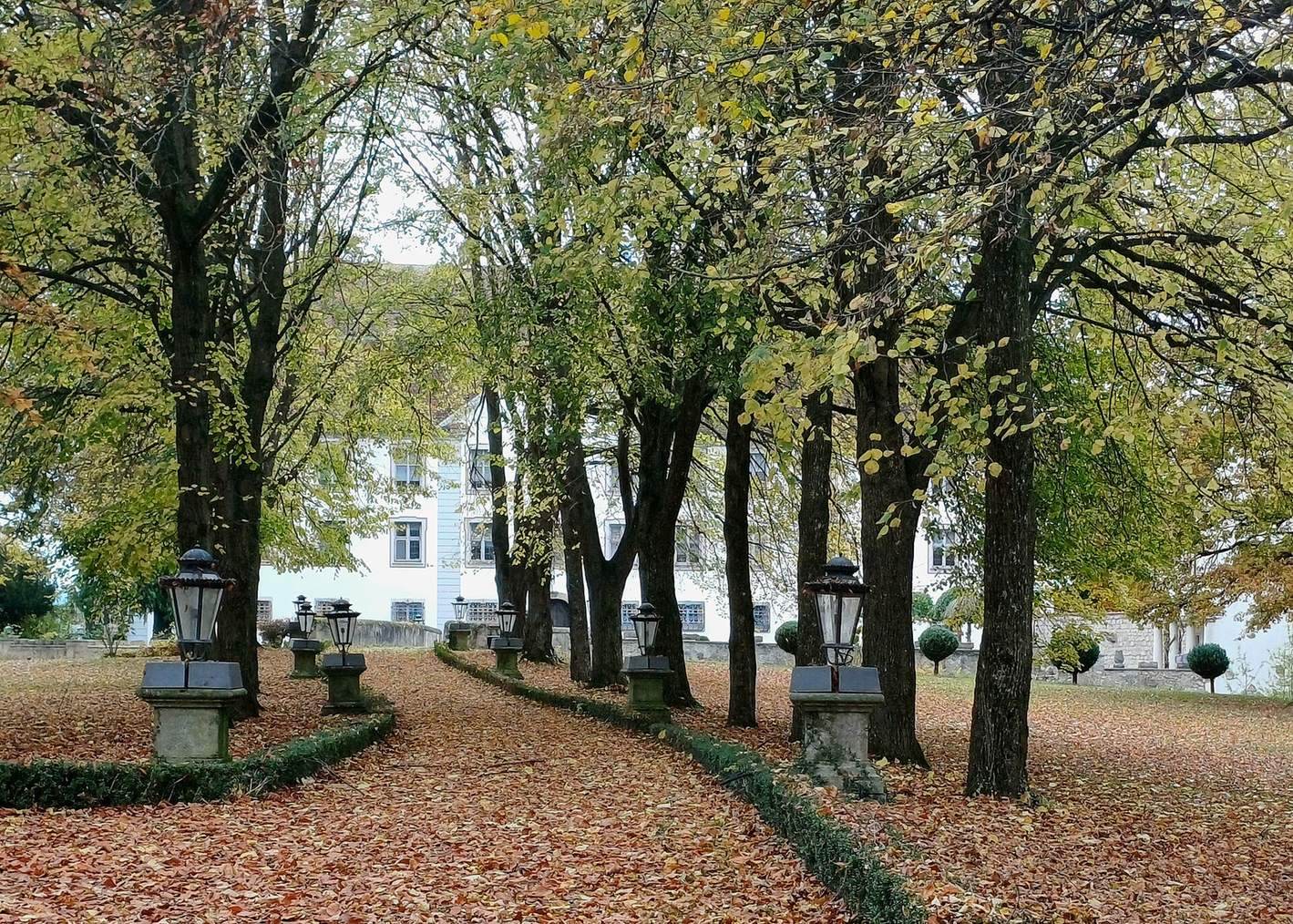
The castle complex brings together remains of an earlier castle, fabric from Waldberger’s alterations, and features associated with the later remodeling. An enclosing wall surrounds the castle and park.
Foundations and masonry
Parts of the earlier castle survive within the northern foundation walls of the present building. The northern and southwestern sections retain substantial portions of the work directed by Waldberger. Their walls use bossed ashlar, in which roughly finished stone faces project from the surface.
Eastern entrance
The eastern main gate bears the arms of the Lierheim family, which died out in 1568, alongside those of Nördlingen administrators Ebersbach, Gundelfinger, and Lemp. The castle also has a main portal. The gate tower, once positioned within the bridge, was a separate structure from the eastern main gate.
Enclosing wall and interiors
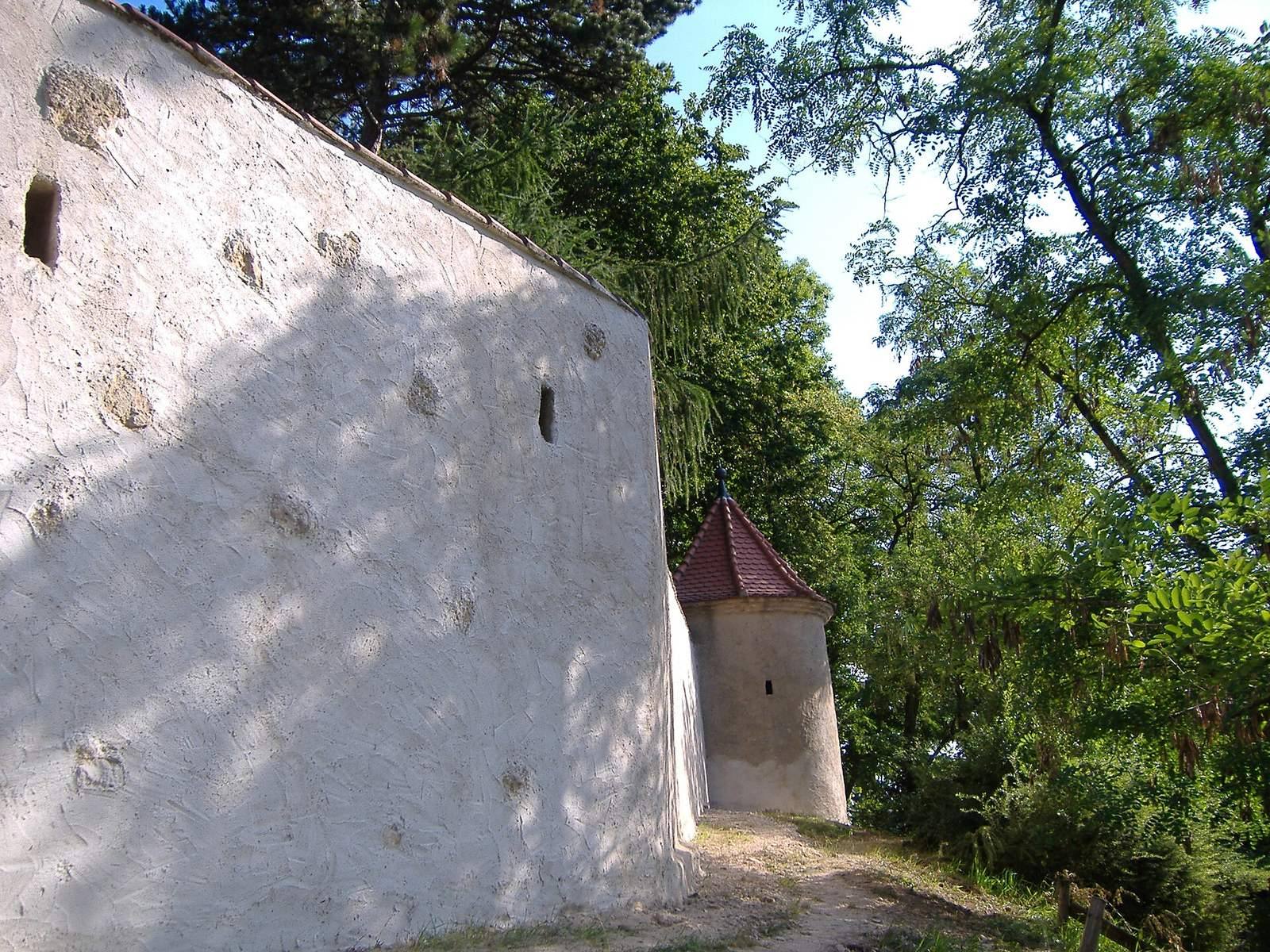
The wall around the castle and park includes loopholes and round watchtowers. A grille is associated with the wall at the castle moat. Inside, representative residential and administrative rooms retain ornate ceiling stucco, probably made by Anton Landes in the Wessobrunn tradition of Bavarian stucco craftsmanship. The south side of the castle bears the Teutonic Order’s coat of arms.