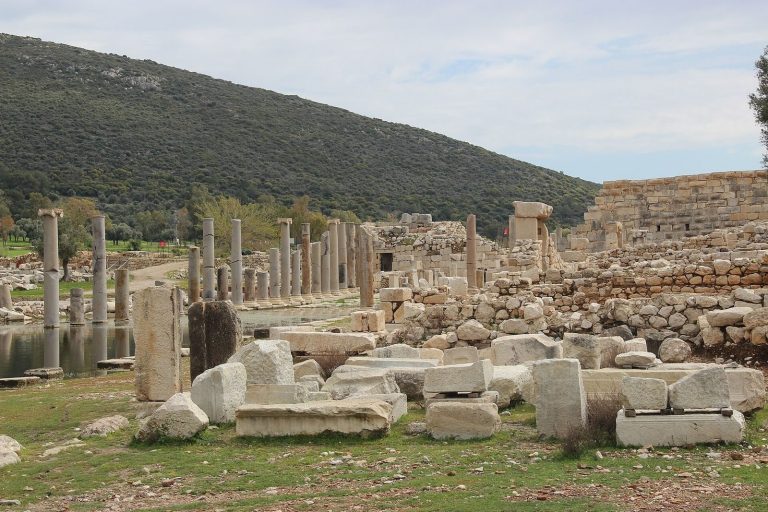
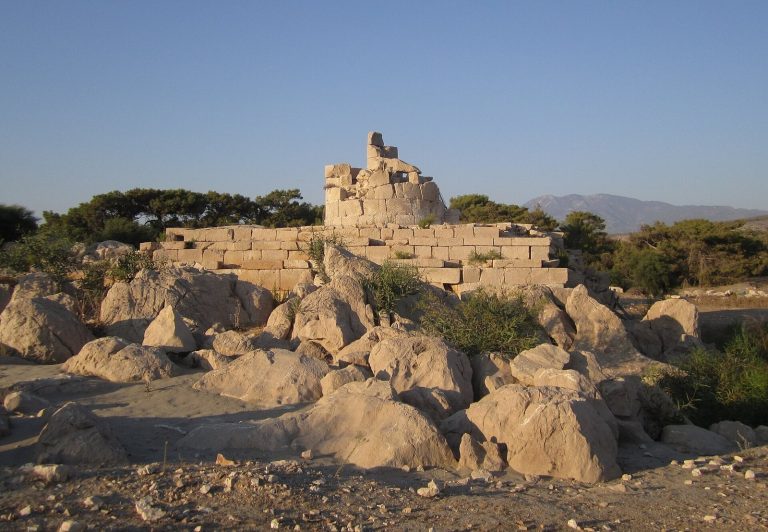
Apollonia: An Ancient Lycian City in Türkiye
Site at a Glance
- Popularity
- Medium
- Country
- Turkey
- Primary era
- Classical
- Eras represented
- Classical, Medieval
- Civilizations
- Byzantine, Lycian
- Site type
- City
On this page8 sections
History
Lycian origins
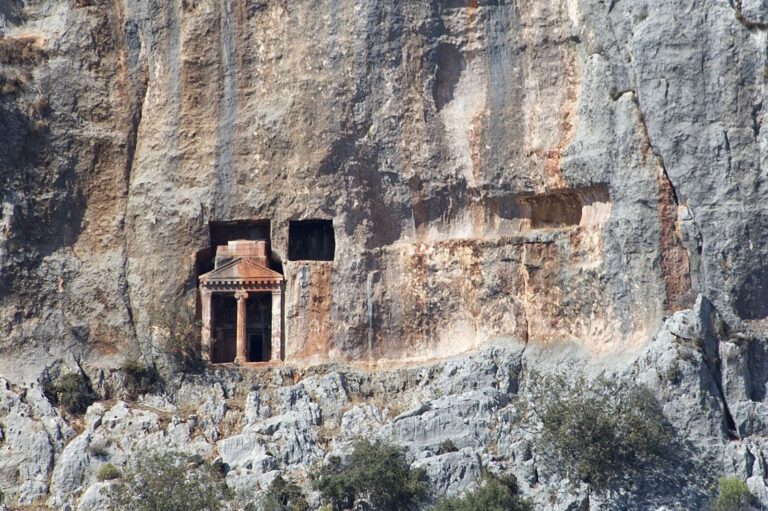
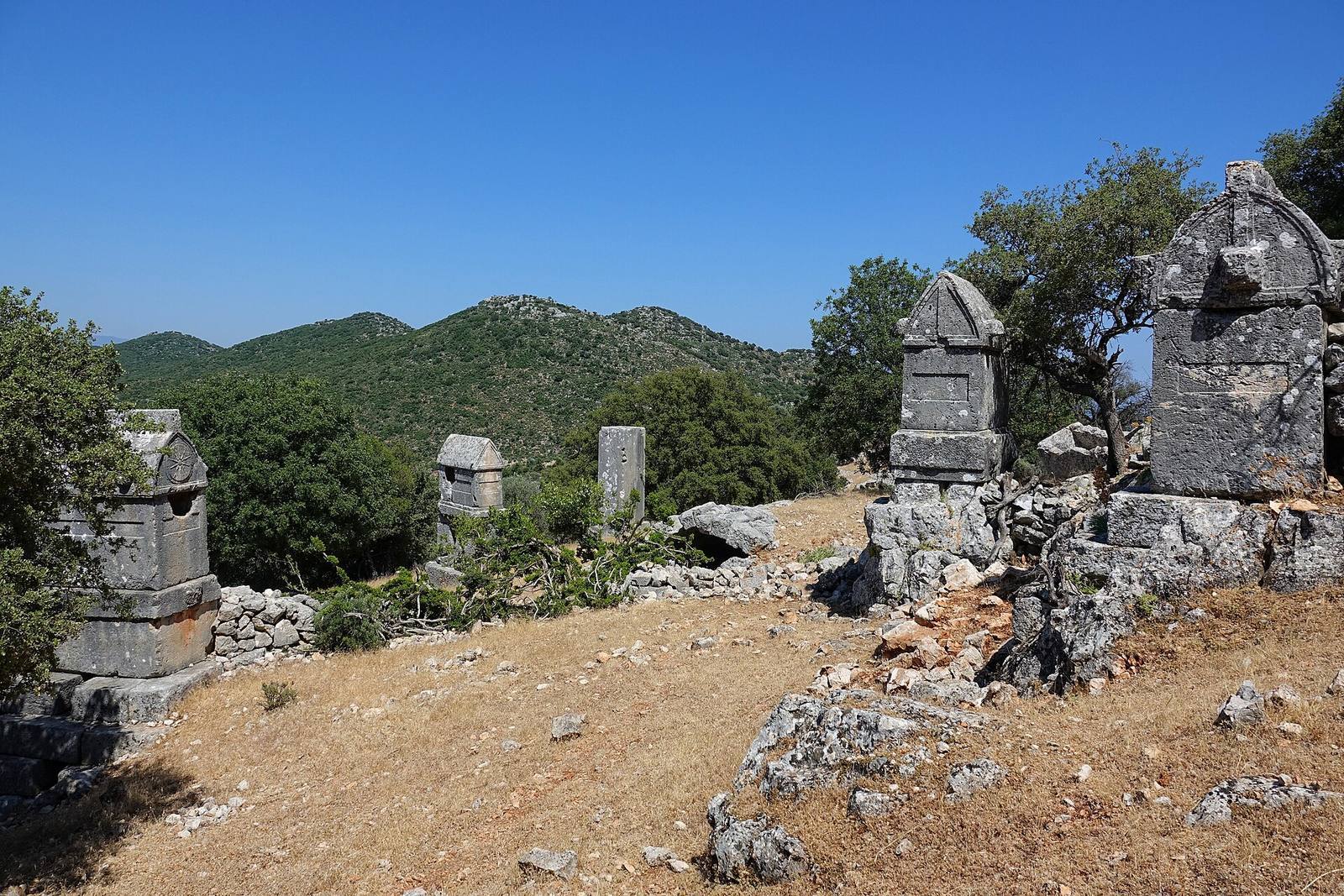
Pillar tombs in the necropolis north of Apollonia date to about 500 BC and indicate that the settlement had Lycian roots. The city’s foundation is inferred from its remains to date to the 4th century BC. Apollonia was affiliated with the Lycian League, a political league of communities in ancient Lycia.
Roman and Byzantine periods
Under Roman rule, Apollonia belonged to a sympoliteia, a federation in which communities shared political institutions. The federation joined Apollonia with Simena, Isinda and Aperlae. Led by Aperlae, it held one vote in the Lycian League.
Apollonia remained occupied during the Byzantine period, the history of the Eastern Roman Empire, conventionally known as the Byzantine Empire.
Remains
Acropolis and surrounding remains
The city occupies a rocky outcrop shaped like an L, with a walled acropolis, the fortified high area, at its highest point. The remains are distributed around the acropolis and its slopes.
Fortifications
On the eastern side, the fortifications appear doubled because a much older stockade lies within the Byzantine walls.
Buildings and houses
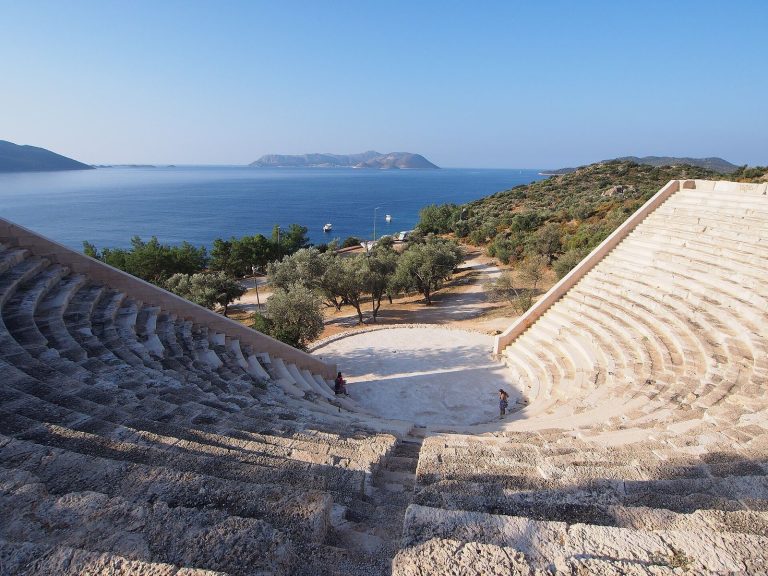
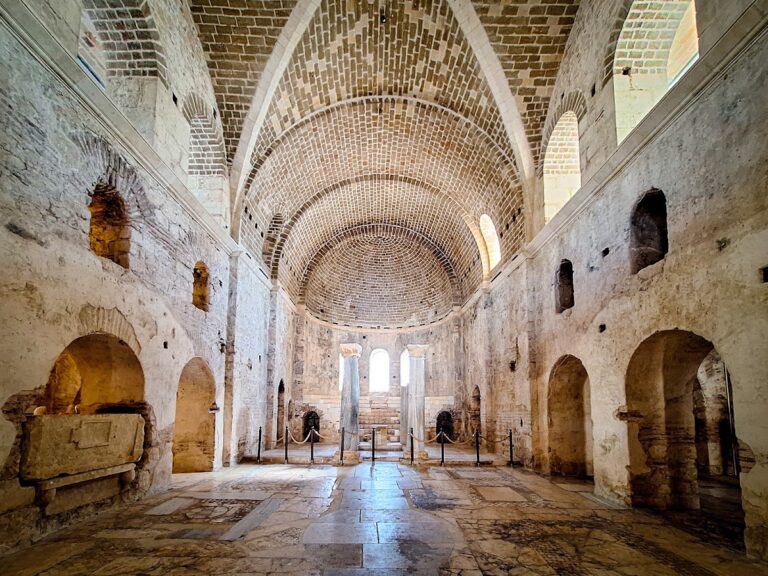
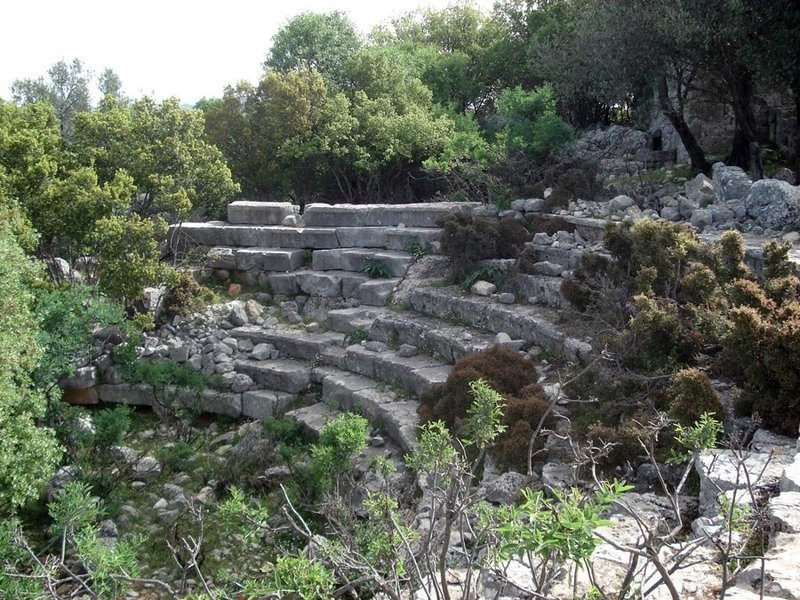
Two churches, a theater, baths with cisterns and a heroon, a monument or sanctuary honoring a hero or distinguished dead person, stand on the western and northwestern sides of the acropolis. Houses occupied its southwestern side. West of the inner tower, a Byzantine-period building survives in good condition alongside a church whose ruins probably date to the 6th or 7th century AD.
Tombs and funerary monument
Six pillar tombs and a larger monument stand around the acropolis. The northern necropolis also contains pillar tombs.