Balsas de Torregarcía: A Roman Archaeological Complex in Almería
Site at a Glance
- Popularity
- Very Low
- Country
- Spain
- Primary era
- Classical
- Eras represented
- Classical
- Civilizations
- Roman
- Site type
- Economic
- Remains
- Production Complex
On this page12 sections
History
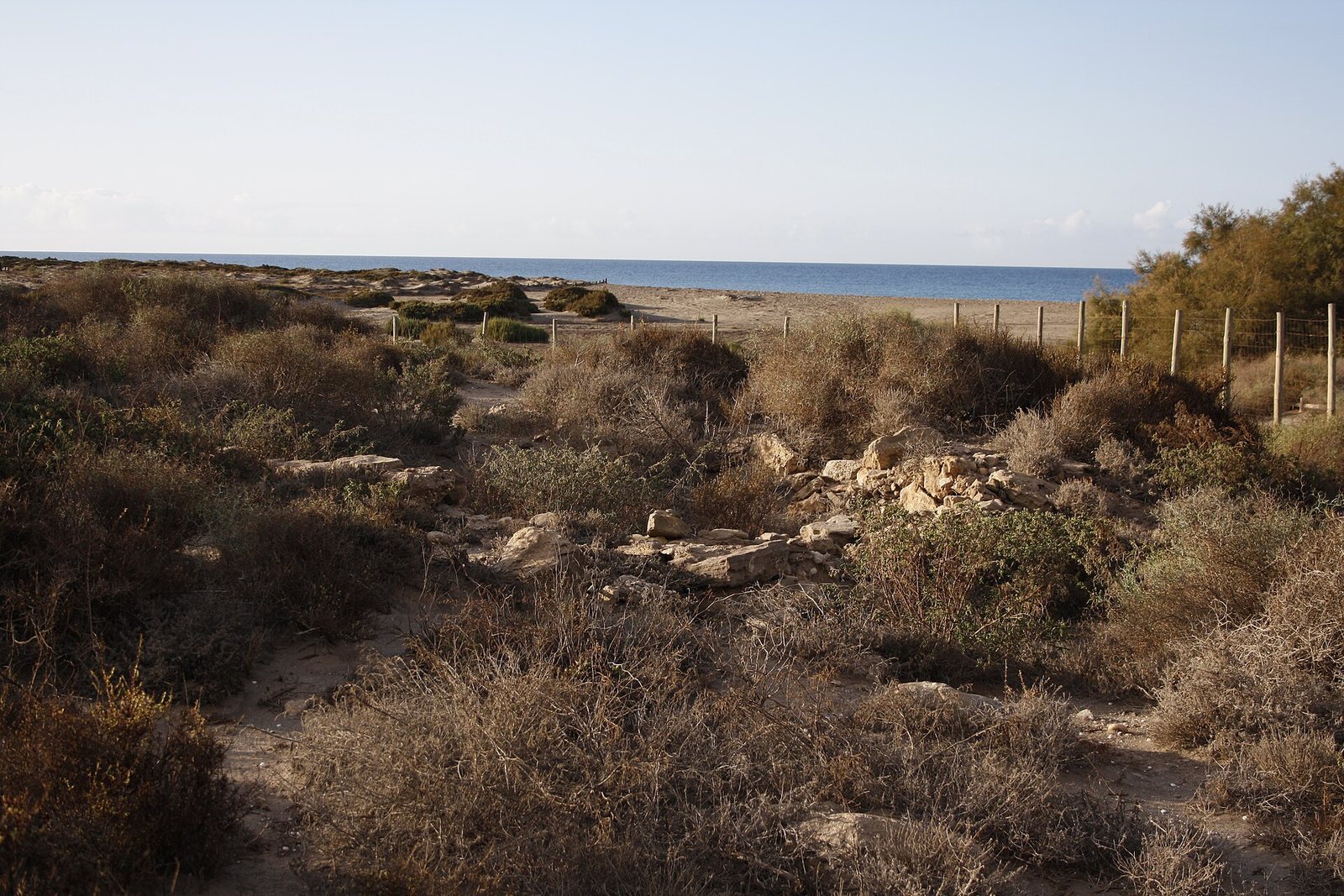
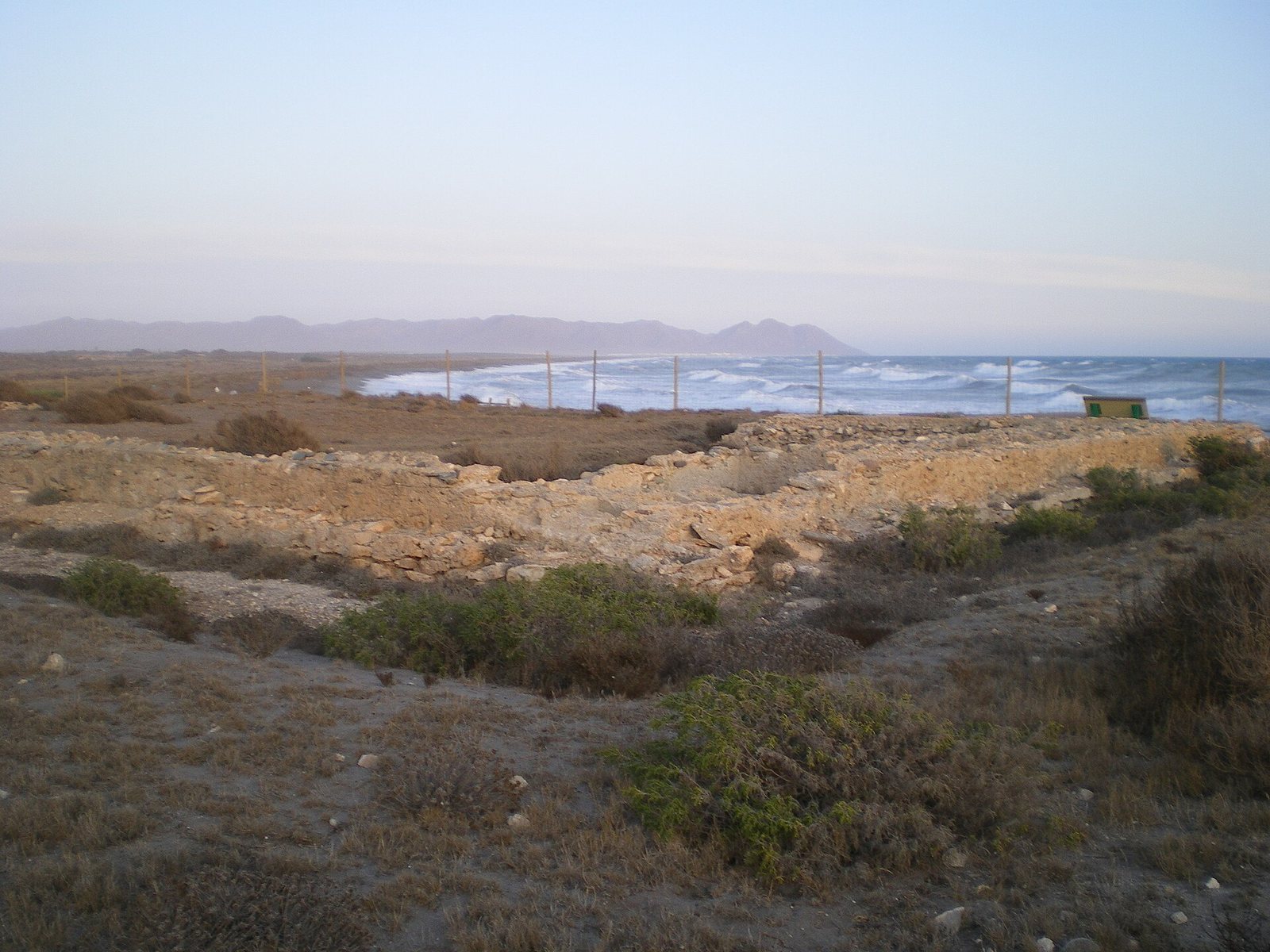
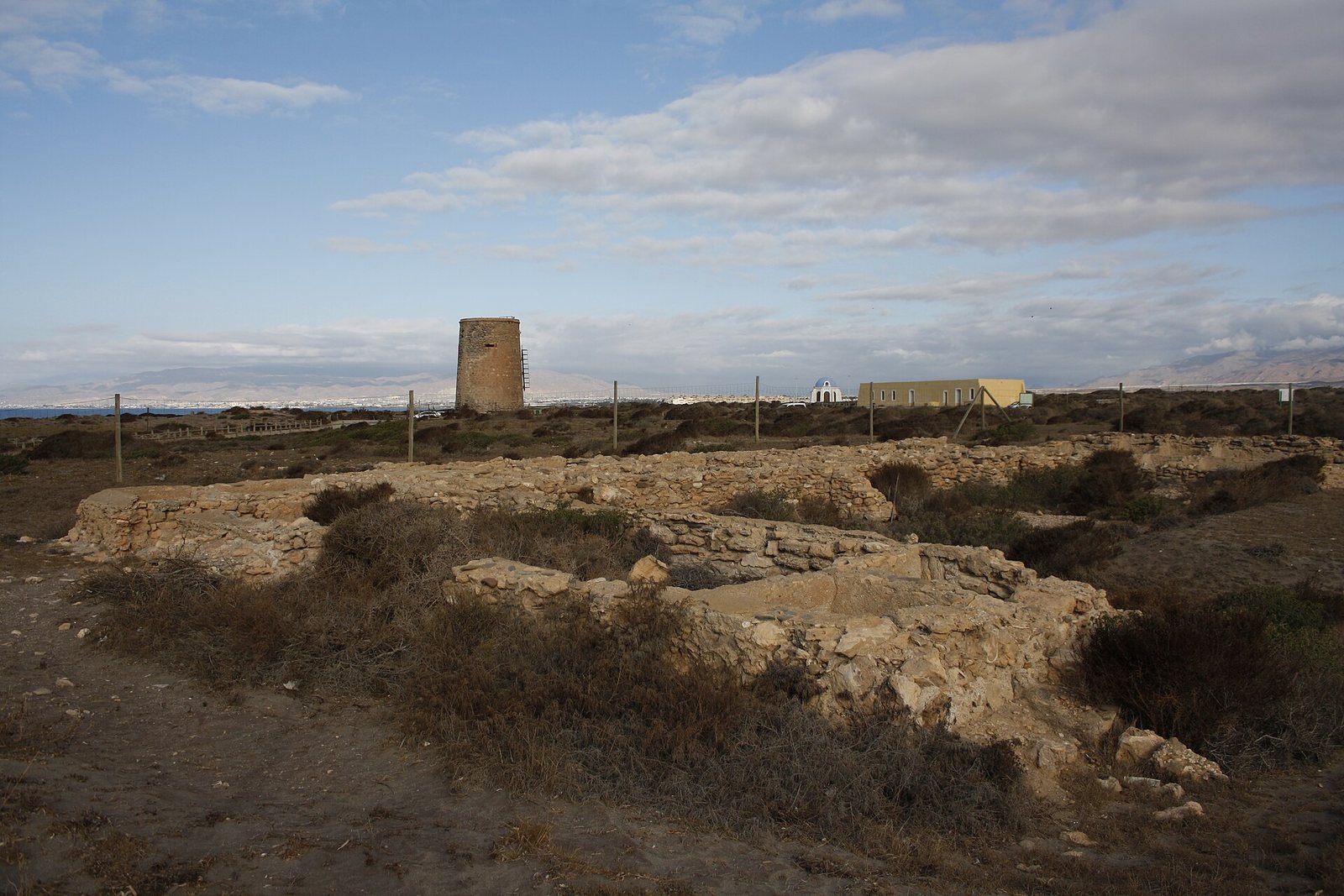
Balsas de Torregarcía is a Roman archaeological complex beside the mouth of the Rambla de las Amoladeras, an intermittent watercourse in Almería, Spain. Its establishment is estimated to have begun around the first century AD.
Roman chronology and proposed use
A residential enclosure in Zone B is dated to the second century AD. That date was once applied to the entire complex, but the earliest excavations did not securely establish it for the site as a whole. The basins were tentatively associated with fish processing, including the production of garum, a fermented fish sauce widely made in the Roman world.
Discovery and protection
The site was discovered in the 1970s. Around 1984, it was entered in a preliminary catalogue of Almería province’s archaeological heritage, enabling investigation to begin. Work from 1985 to 1987 by the Níjar Regional Surface Archaeological Survey Project, directed by José Ramón Ramos Díaz, helped place the Roman establishment around the first century AD. An urgent excavation was authorized in mid-1990 because the remains were deteriorating severely.
In 1998, the municipal urban plan protected the site as non-urbanizable land specially designated for archaeological sites. Balsas de Torregarcía also holds Spain’s Asset of Cultural Interest designation in the Monument category, a formal status for protected cultural heritage.
Research into production
A non-invasive survey of waterside sites in Almería province, conducted in 2018, suggested that the basins could have been used to make purple dye. Research by teams from the universities of Almería and Cádiz between 2019 and 2021 developed this interpretation, proposing that the complex served as a Roman purple-dye factory, either instead of or alongside fish-salting and sauce production. The researchers also suggested that purple-dyed goods, including textiles, may have been made there.
Remains
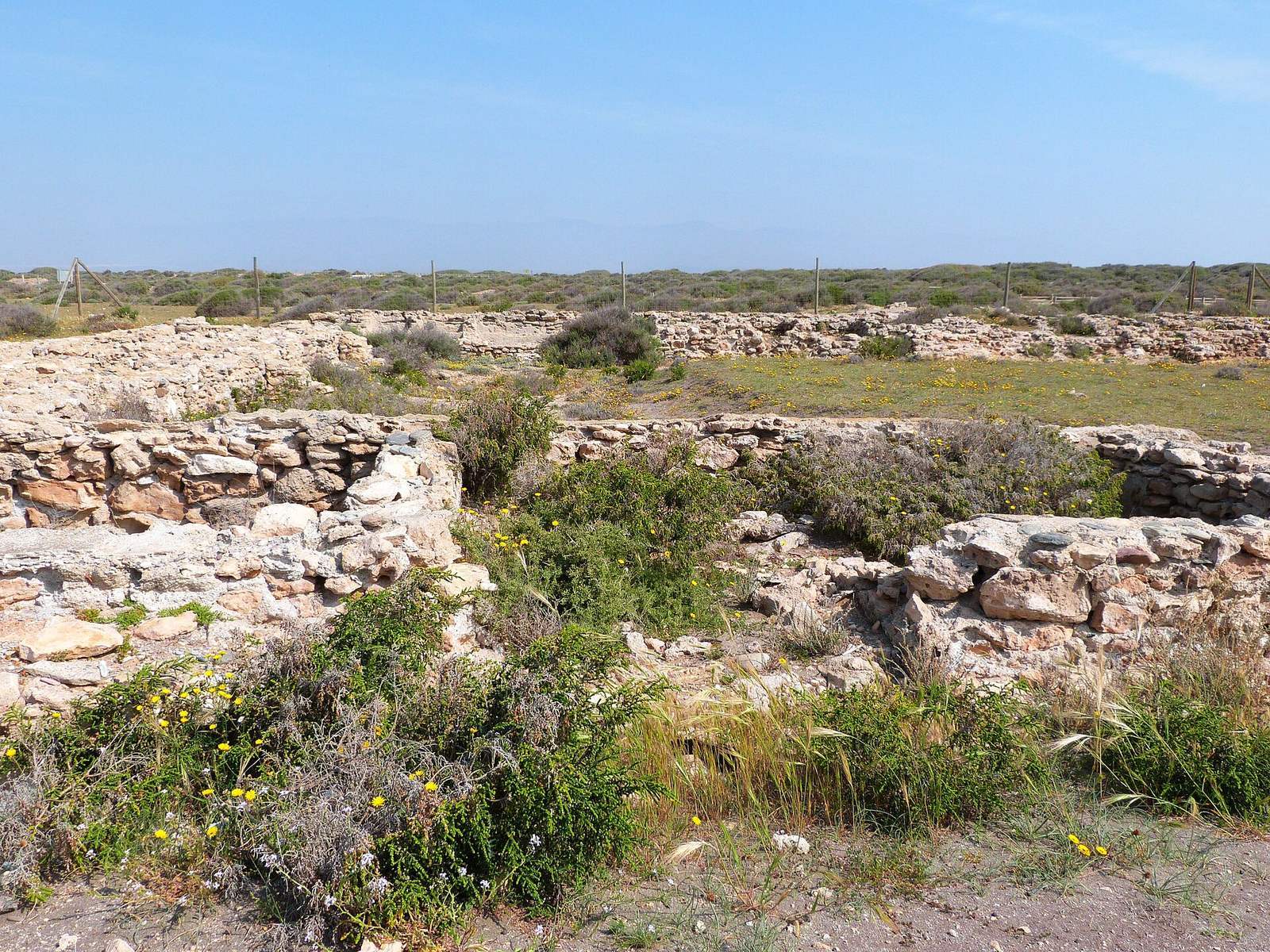
The archaeological area covers about 5,600 square metres beside the mouth of the Rambla de las Amoladeras. Its remains are divided into four identified areas, Zones A to D, and include built installations, residential masonry, and accumulations of shells. Finds used to date the remains include fragments of South Gaulish and African terra sigillata, a fine Roman tableware, as well as amphorae.
Zone A production area
Basins and courtyard
About 240 square metres of basins have been excavated in Zone A. The basins vary in size and are arranged around an open courtyard facing the coast. They are tentatively understood as installations for producing garum, and are presumed to have been in use at the same time.
Other installations
Zone A also contains ovens and storage rooms. Impressions of reedwork in mortar, together with support bases, suggest that some installations may have had roofs. Other features beside the presumed fish-salting works have been linked to purple-dye production. Their corridors are narrower and level with the floor, unlike those in other salting factories.
Shell deposits
A shell deposit lay a few metres from the Zone A installations and was substantially larger than comparable deposits elsewhere in the Iberian Peninsula. Around 90 percent of its shells were Hexaplex trunculus, a marine snail used in purple-dye production. The deposit also contained smaller quantities of Bolinus brandaris, another marine snail used to vary shades of purple.
Residential and other zones
Zone B
A little east of Zone A and close to the Amoladeras well, Zone B contains a small residential enclosure. Lime-mortar masonry and ceramic kitchenware support its interpretation as a dwelling. Scattered pottery was also found on the path between Zones A and B.
Zones C and D
Zone C lies a few metres north of Zone A, across the road leading to the area’s beaches, and is associated with other buildings. North of Zone B, Zone D contains a further accumulation of shell remains.