Deir el Qamar Synagogue: A Jewish House of Worship in Ottoman-Era Lebanon
Site at a Glance
- Popularity
- Medium
- Country
- Lebanon
- Primary era
- Early Modern
- Eras represented
- Early Modern
- Civilizations
- Ottoman
- Site type
- Religious
- Remains
- Synagogue
On this page4 sections
History
Construction and Community
Deir el Qamar Synagogue is a Jewish place of worship in Lebanon, built for the Jewish community of the Chouf, a mountainous district of Mount Lebanon. Construction began in 1609, while the Ottoman Empire governed the region, and was completed in 1638. The synagogue is regarded as the oldest in Mount Lebanon.
The community practiced Judaism and followed Nusach Sefard, a prayer rite used by some Jewish communities. Some of its influential members were close to Fakhr al-Din II, a Druze emir who ruled Mount Lebanon in the early seventeenth century. Community members may also have belonged to his entourage. His capital was a busy commercial center, with the silk market called the Qaïssarieh near the synagogue.
Dispersal and Later Use
Regular religious activity ended around 1860, after the Mount Lebanon sectarian conflict and the departure of the local community’s last members. The synagogue remained in Jewish ownership after their dispersal, then was sold around the turn of the twentieth century.
Remains
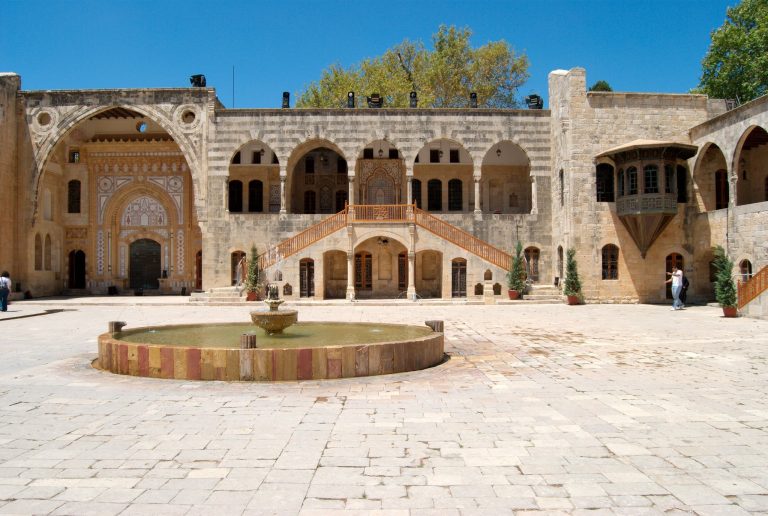
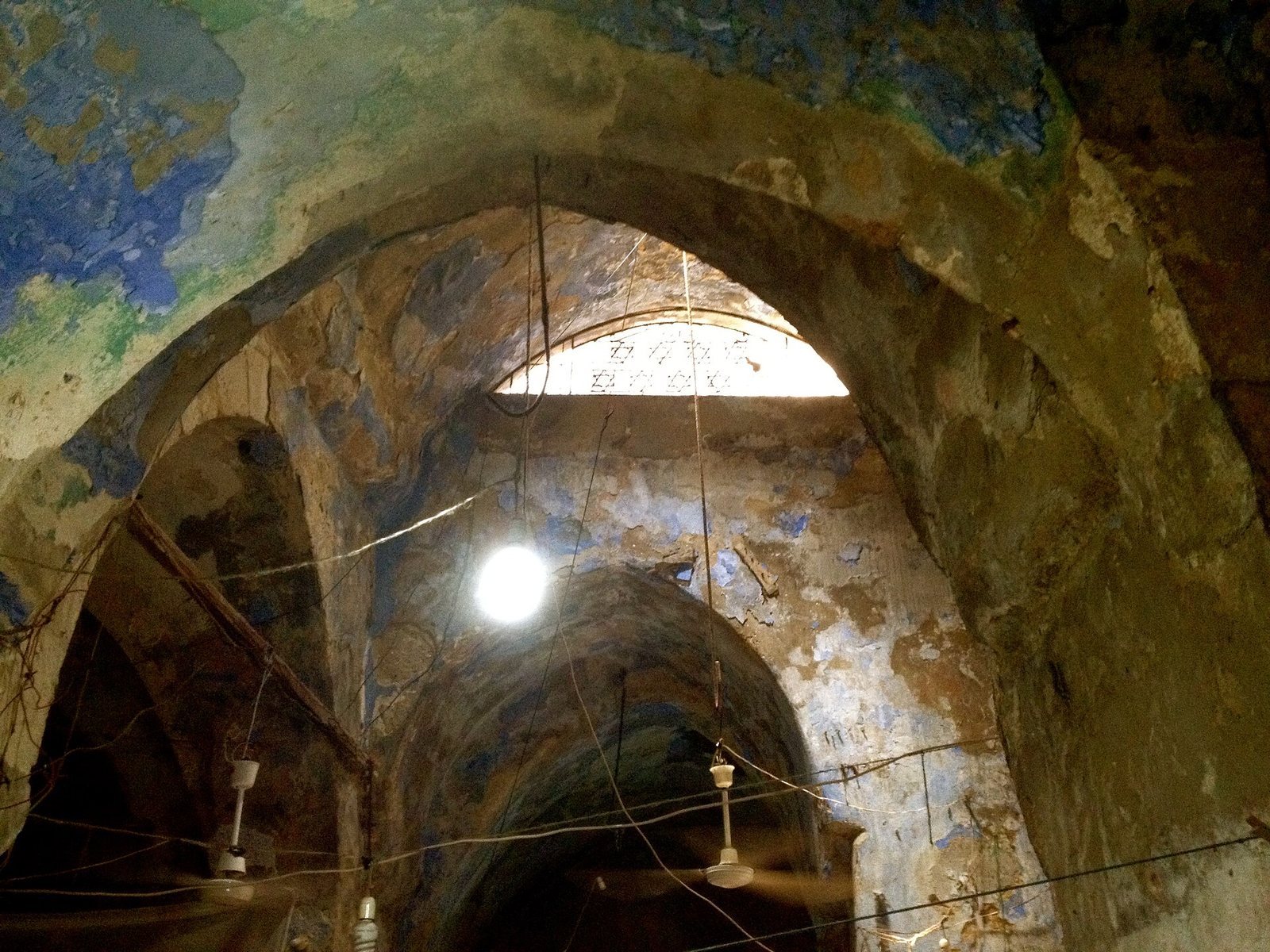
The stone synagogue stands at the foot of the cedars, with the Qaïssarieh silk market at the foot of the building. During a 1928 visit, historian Yitzhak Ben-Zvi described it as the largest synagogue in Syria. The building measures 20 metres long and 8 metres wide, with room for about 500 men.
Restoration work removed all symbols of worship. In 2016, the building was standing and in excellent condition.