Cave Churches of Matera: Medieval Rock-Cut Places of Worship
Site at a Glance
- Popularity
- High
- Country
- Italy
- Primary era
- Medieval
- Eras represented
- Medieval
- Civilizations
- Byzantine
- Site type
- Religious
- Remains
- Church
On this page4 sections
History
The cave churches of Matera are rock-cut places of worship in Italy, founded mainly during the Early Middle Ages, the period broadly spanning the fifth to tenth centuries after the end of the Western Roman Empire. Their history reflects the presence of religious communities shaped by both Western and Eastern Christian traditions.
Medieval communities and worship
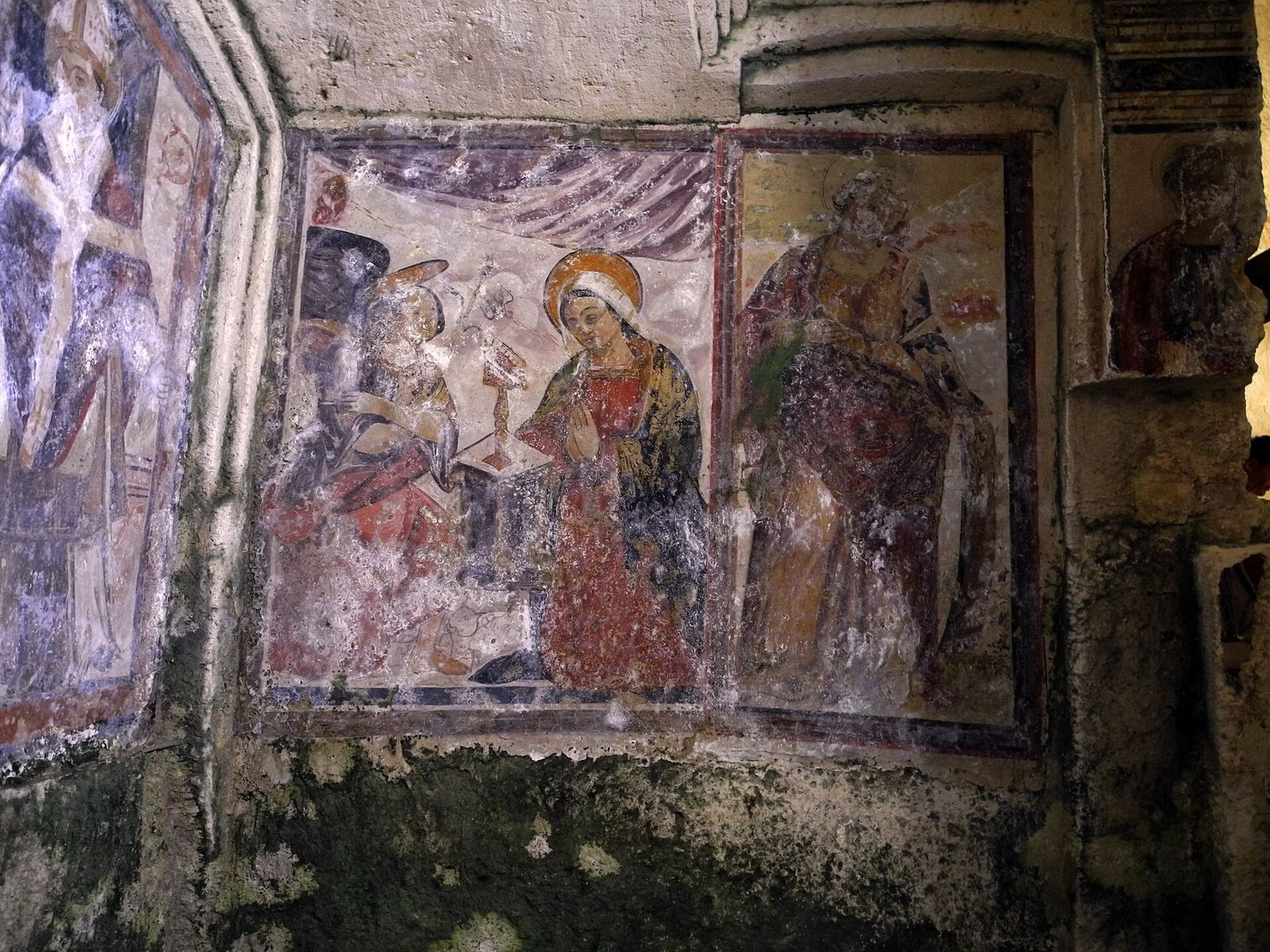
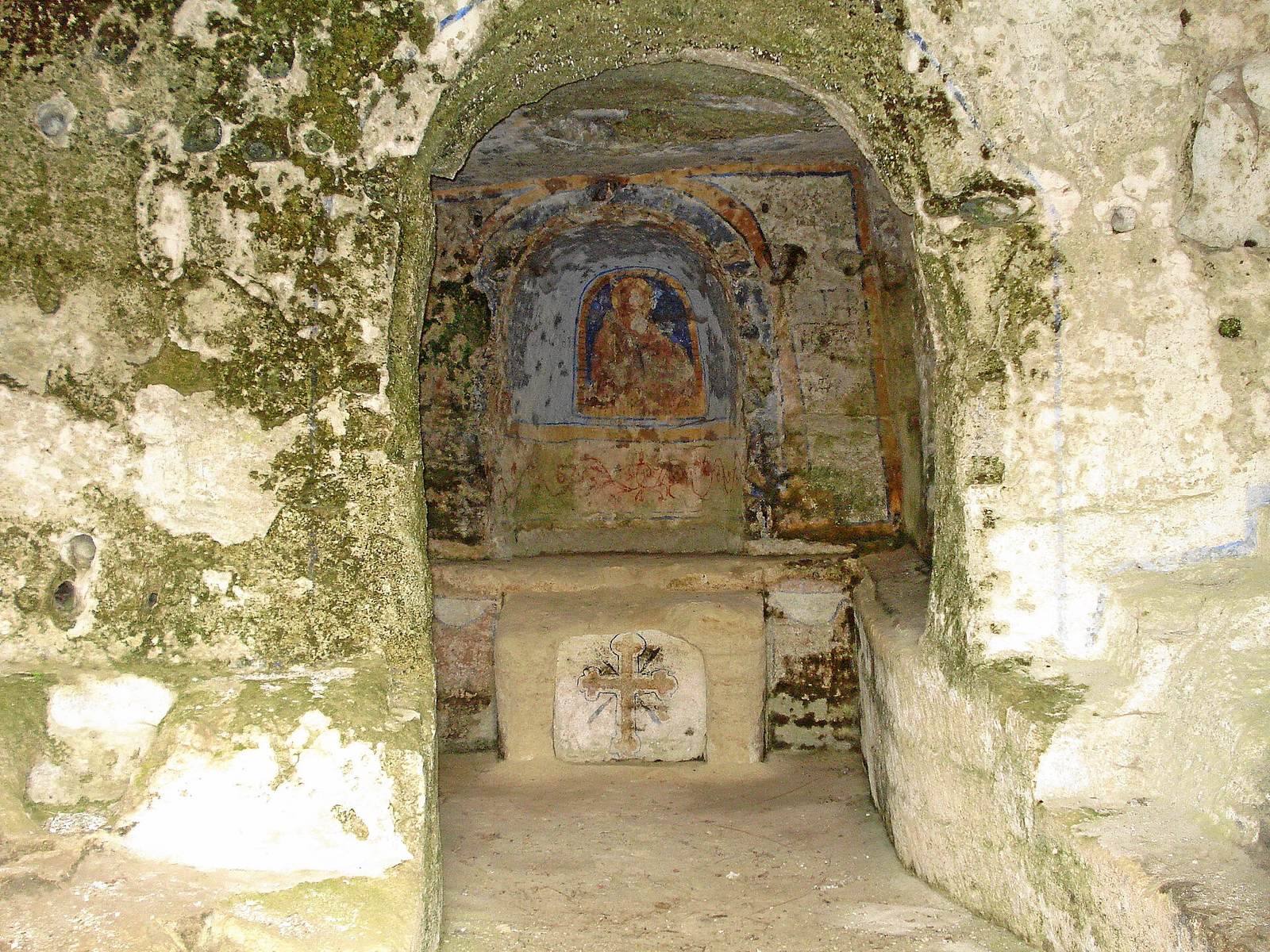
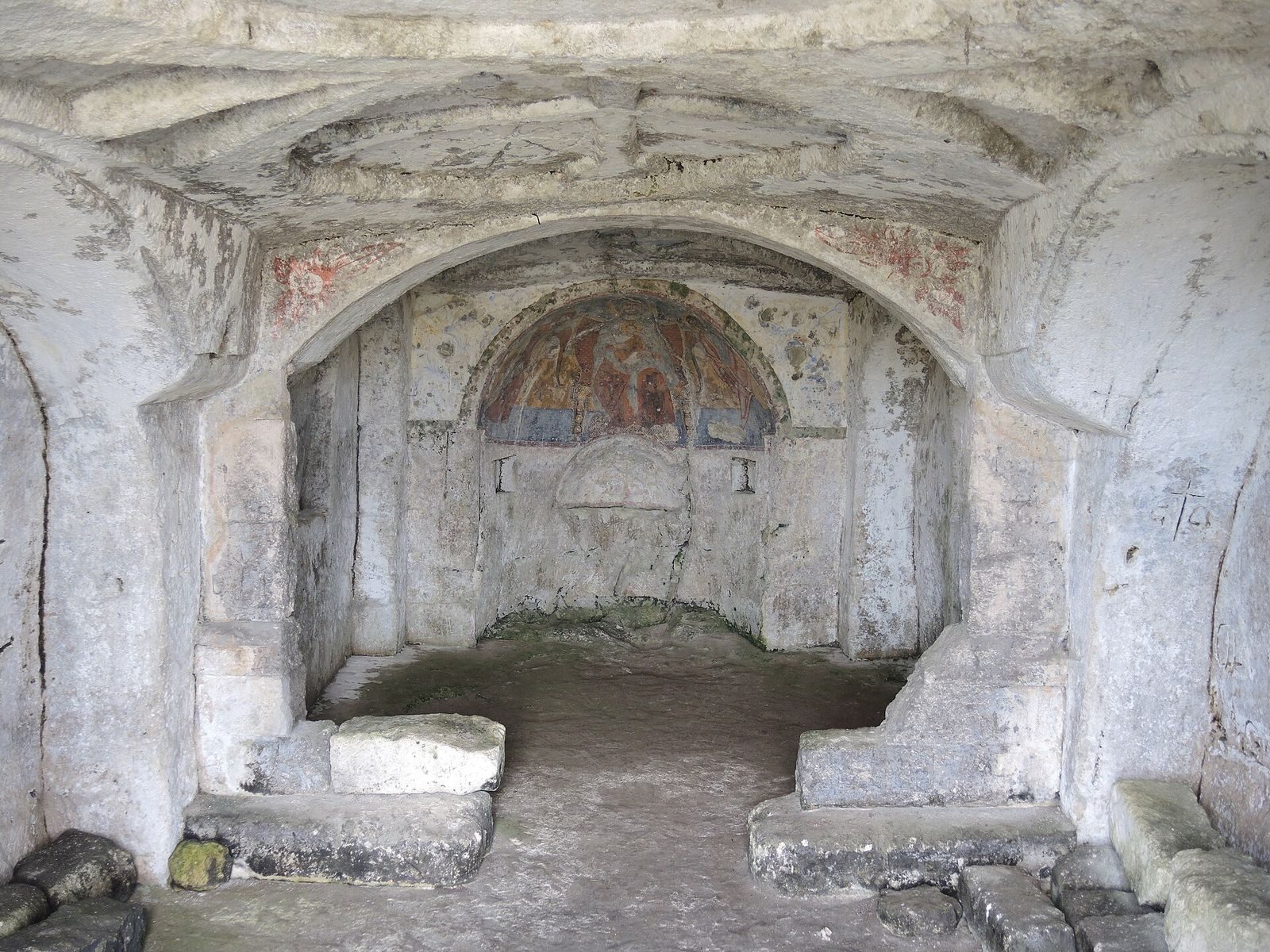
During the Middle Ages, small groups of laypeople and monks who had migrated from Cappadocia, Armenia, Syria, and Asia Minor sought refuge in the caves after losing the opportunity to worship. Some caves became places of prayer, decorated with Byzantine frescoes and bringing Eastern art and culture into the wider area. The churches also reflect the presence of Benedictines, whose monastic tradition is based on the Rule of Saint Benedict, Lombard communities associated with a people who established kingdoms in Italy, and Byzantine communities linked to the eastern Roman Empire.
Later use and heritage recognition
Over time, some churches were adapted for use as dwellings or shelters for animals. In 1993, the Sassi, Matera’s historic districts known for their cave dwellings, and the Park of the Rupestrian Churches of Matera were inscribed as a UNESCO World Heritage property. The listing recognizes testimony to cultural traditions, architectural and ensemble value, and traditional settlement and land-use patterns.
Remains
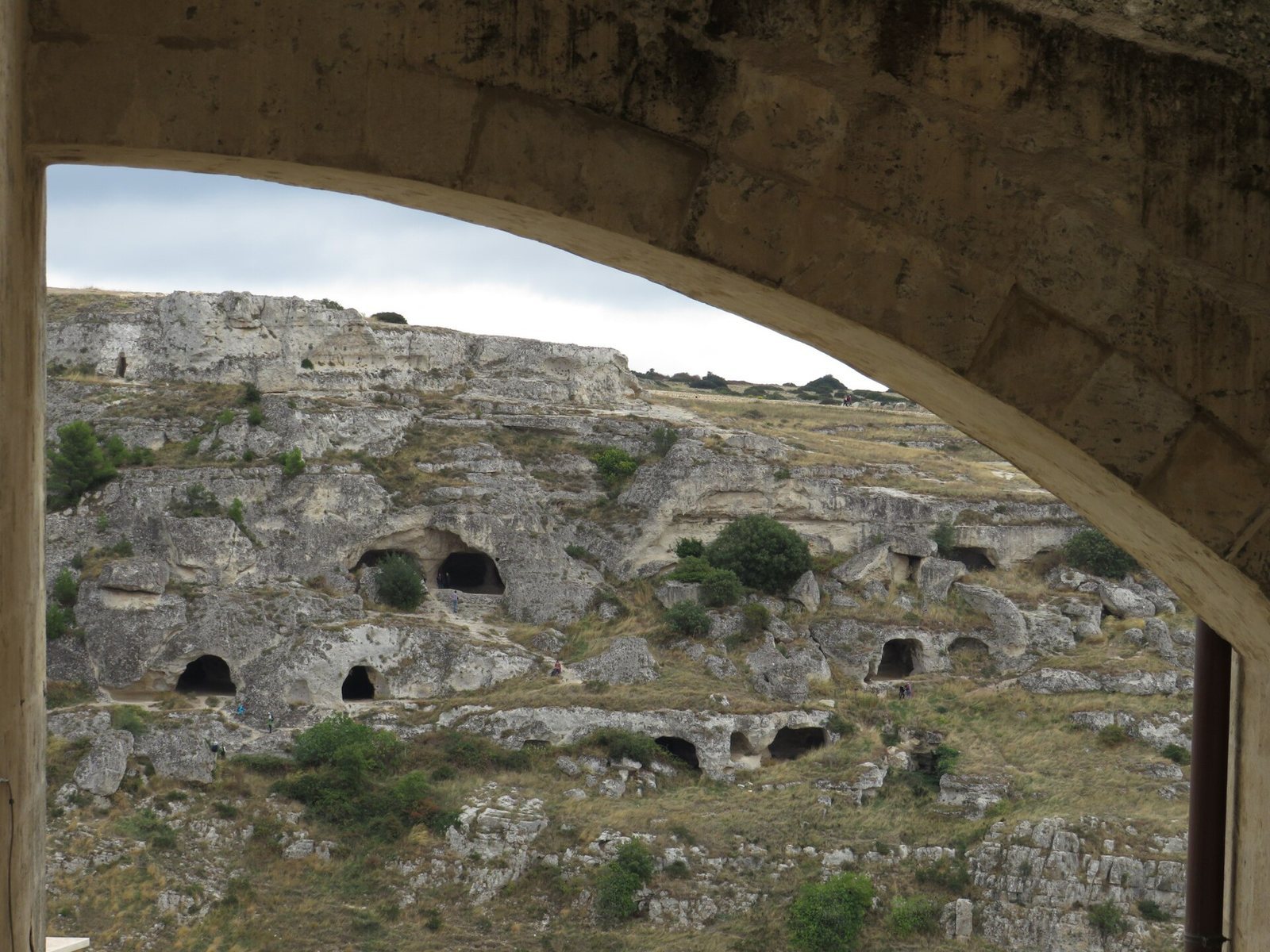
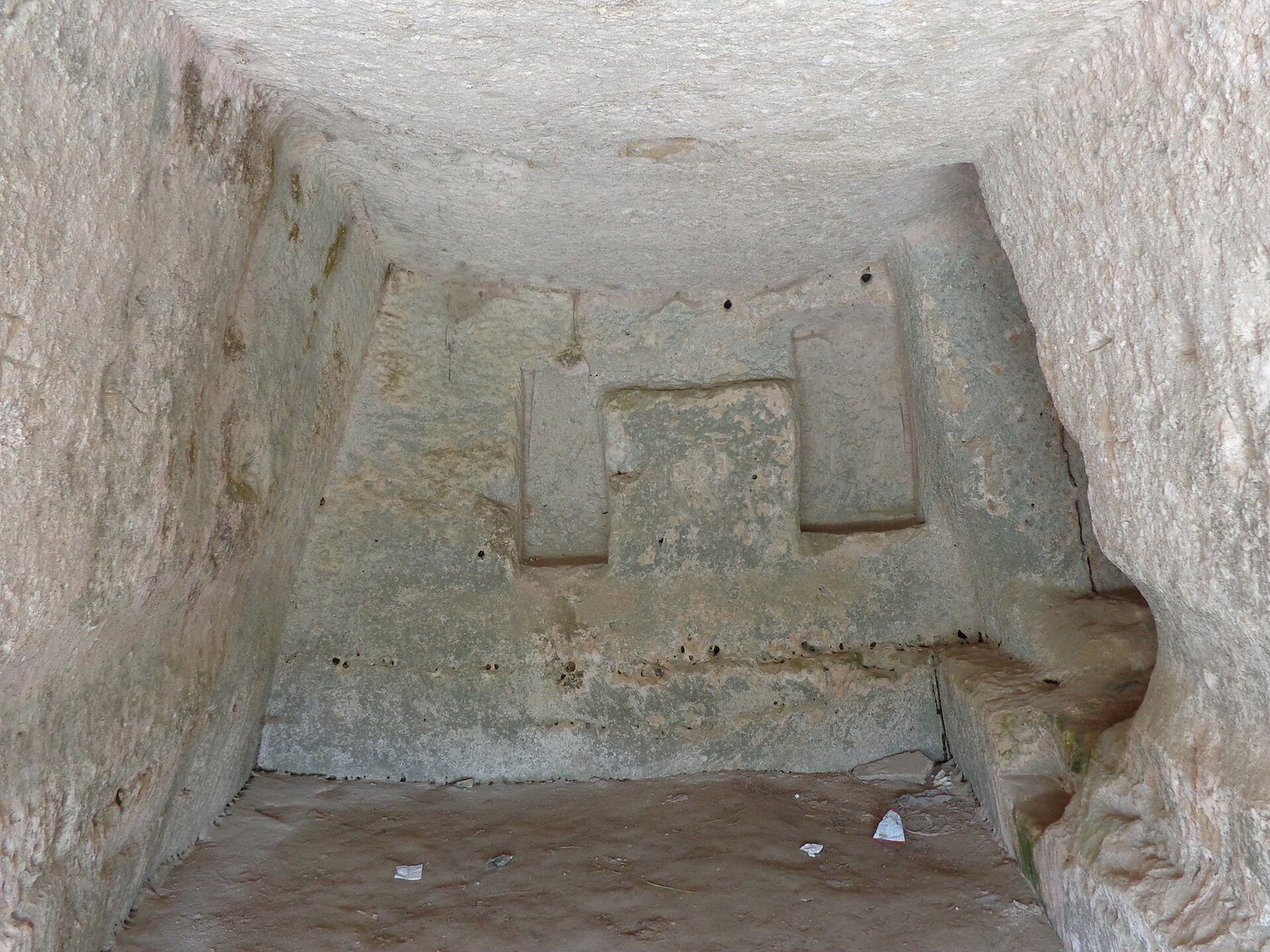
The churches are cut into rock at an elevation of about 400 metres above sea level. Their architectural forms and arrangements for worship do not always belong to the same tradition. Some churches with an overall Western Christian character incorporate Byzantine elements, while some with Eastern Christian architectural forms have spaces for worship arranged in the Western tradition.
Frescoes, paintings made on plaster, and sculptural features provide decoration and were intended to encourage contemplation and prayer. Byzantine frescoes are associated with caves used as prayer places during the Middle Ages. One church in the group is Santa Maria del Vitisciulo, formerly called San Luca alla Selva.