Ithome: A Messenian Stronghold and the Acropolis of Messene
Site at a Glance
- Popularity
- Medium
- Country
- Greece
- Primary era
- Classical
- Eras represented
- Bronze Age, Classical, Medieval, Early Modern
- Civilizations
- Ancient Greek, Byzantine, Ottoman
- Site type
- Military
- Remains
- Citadel
On this page15 sections
History
Ithome is a fortified mountain stronghold in Messenia, Greece, which became a center of resistance to Sparta and later the acropolis, or fortified high citadel, of the city of Messene. Its history is closely tied to the Messenian Wars, conflicts between Messenia and Sparta.
The First and Third Messenian Wars
During the First Messenian War, King Aristodemus defended Ithome through a prolonged siege. Sparta captured the acropolis in 723 BCE after a siege said to have lasted twenty years, then razed the fortress. The conquered Messenians were enslaved.
After a major earthquake struck Sparta in 464 BCE, Messenian helots, an unfree population in Spartan society, again took refuge on Ithome. The revolt also involved helots from Laconia and the free communities of Thouria and Ethea, which lacked Spartan citizenship. This resistance became known as the Third Messenian War. Its nature is uncertain: it may have been an organized struggle for liberation or a mass flight to a defensible refuge. Proposed chronologies vary. Some describe a ten-year struggle ending around 455–454 BCE; others suggest a duration of four to six years or a beginning as early as 469–468 BCE.
Sparta requested Athenian assistance, and Athens sent 4,000 hoplites, or heavily armed infantrymen, under the command of Cimon. In 462 BCE the Spartans dismissed the Athenian force, fearing its political sympathies and possible contact with the rebels. The rebuff, remembered as the Insult of Ithome, contributed to Cimon’s ten-year ostracism, a vote-based practice of temporarily exiling a citizen.
The besieged Messenians eventually surrendered and were allowed to leave the Peloponnese. This followed a Delphic oracle, a pronouncement linked to Apollo’s sanctuary at Delphi, which urged the Spartans to spare those seeking protection under Zeus Ithomatas, the local title of Zeus, chief god of ancient Greek religion. Around 456–455 BCE, the Athenian general Tolmides settled survivors at Naupactus, and the acropolis was left uninhabited. Herodotus also associates the seer Tisamenus of Elis with a Spartan victory over Messenians at Ithome in 455 BCE, though the place of this fighting in the revolt’s chronology is uncertain.
Messene and the summit sanctuary
In 369 BCE, the Theban general Epaminondas founded the city of Messene below Ithome. The former fortress then served as its acropolis, and its defenses were probably restored as protection against Sparta.
The summit was sacred to Zeus Ithomatas. A Bronze Age temple dedicated to the god has been identified there. Later worship at the summit is described as taking place without a cult image or temple. Sacrifices and musical contests formed part of the annual Ithomaea festival in Zeus’s honor.
Monastic history and conflict
A monastery had been established at the summit by the late thirteenth or early fourteenth century. It received stauropegial status in 1573, placing it under the direct authority of the patriarch rather than the local bishop. The summit monastery was abandoned in 1625 in favor of a new foundation lower on the mountain; the patriarch confirmed the monastery’s status in 1639. Medieval names associated with the monastery include Vourkano and Voulkano.
The lower monastery became a staging point during the Greek War of Independence, the revolt against Ottoman rule, and its monks joined the national liberation movement. In 1822 they donated 8,000 kuruş, an Ottoman currency unit, to the rebels. Ottoman forces seized the monastery in 1825 on the orders of Ibrahim Pasha, an Egyptian-Ottoman commander.
In 1854, forty men led by monks joined the uprising in Epirus and Thessaly. During the Cretan revolt of 1866–1869, the monastery sheltered refugees from Crete.
Damage and restoration
The monastery was damaged by earthquakes in 1846, 1886, 1965, and 1986, and by a fire in 1898. It was also affected during the German-Italian occupation of the Second World War. The old summit monastery was restored in 1972 on the initiative of Chrysostomos Themelis, Metropolitan of Messenia, a senior regional bishop. The lower monastery’s church was repainted in 1973 by the artist Dim. Giannakopoulos. The monastery belongs to the Metropolis of Messenia, a regional diocese of the Greek Orthodox Church.
Remains
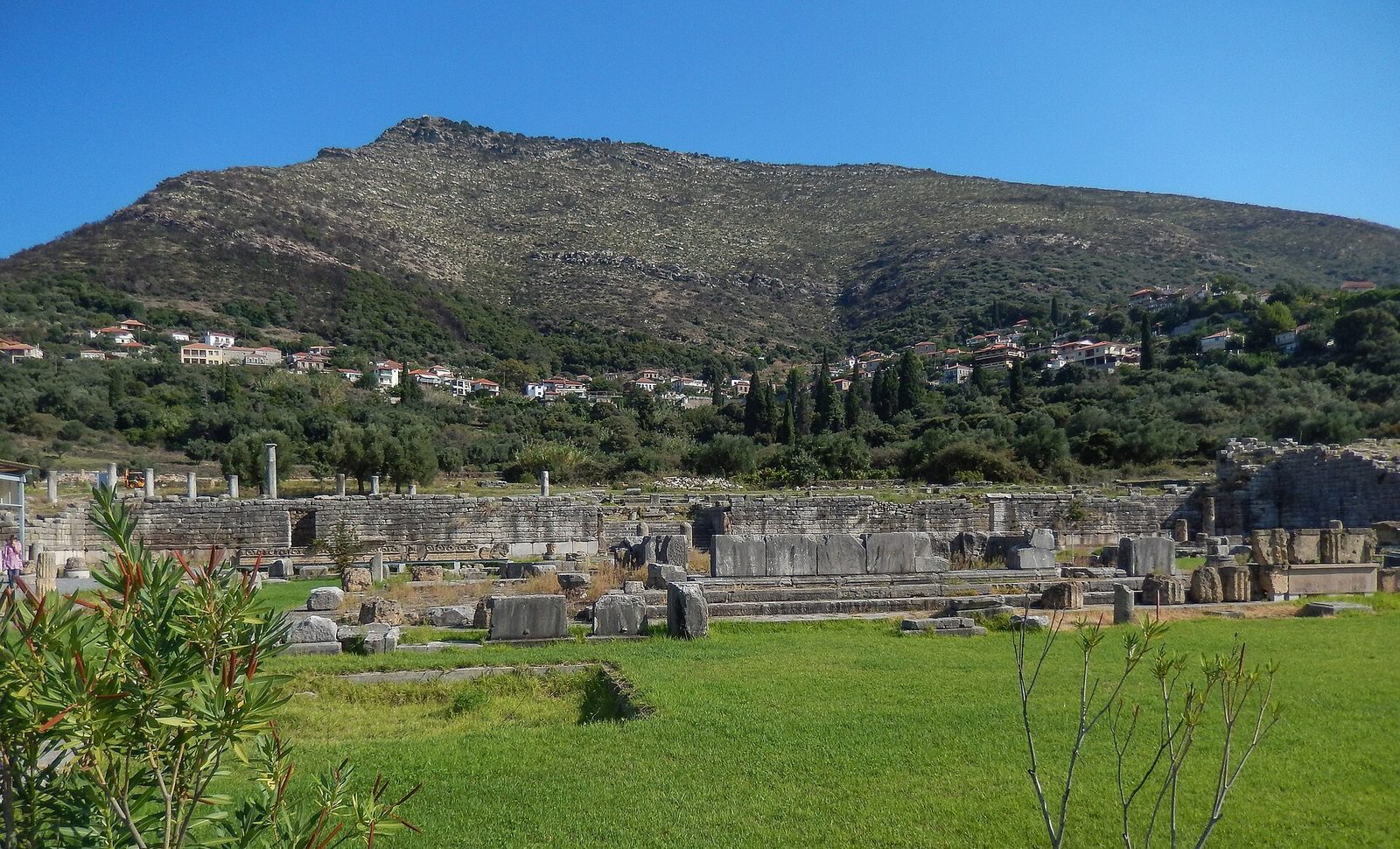
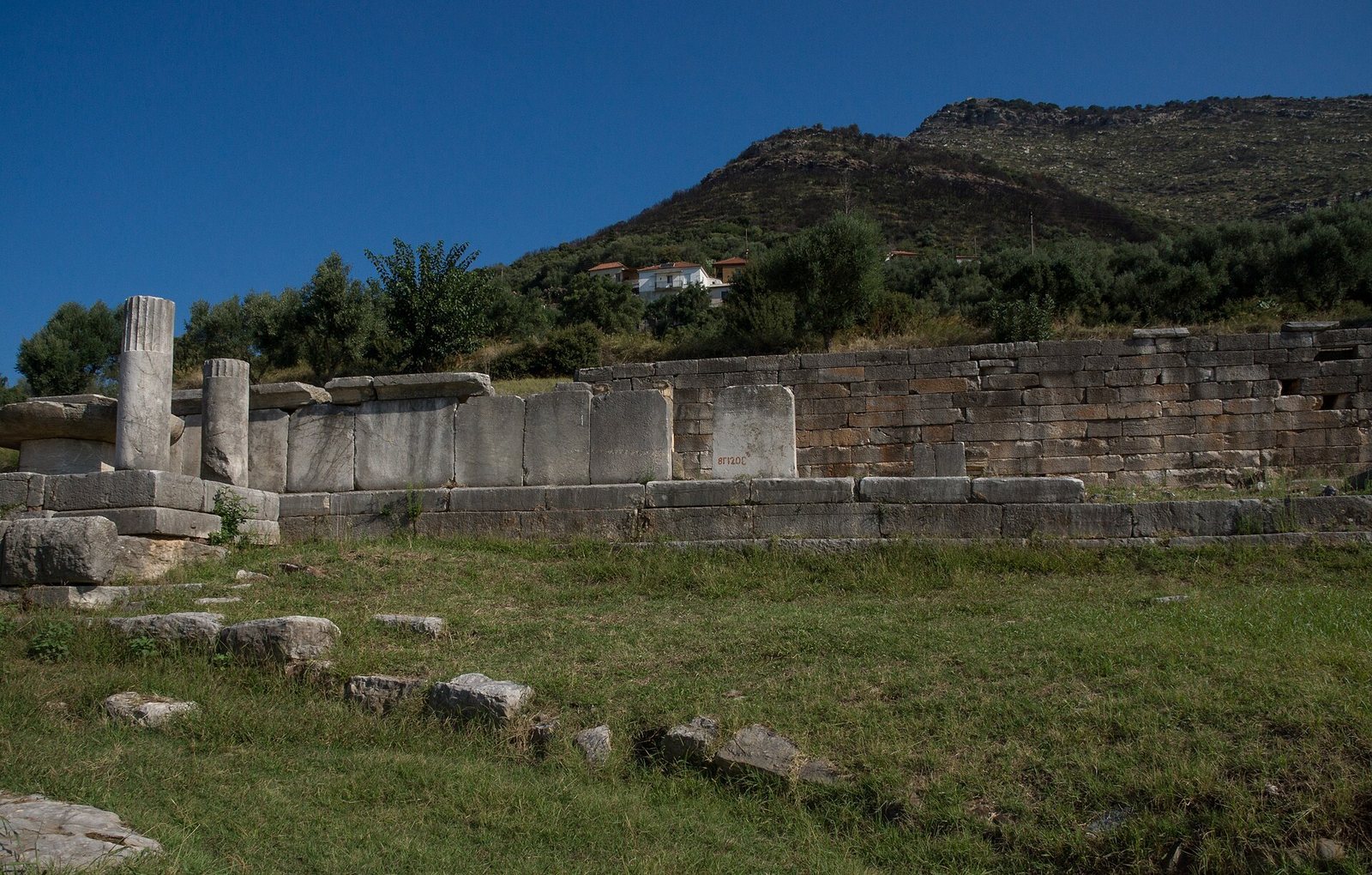
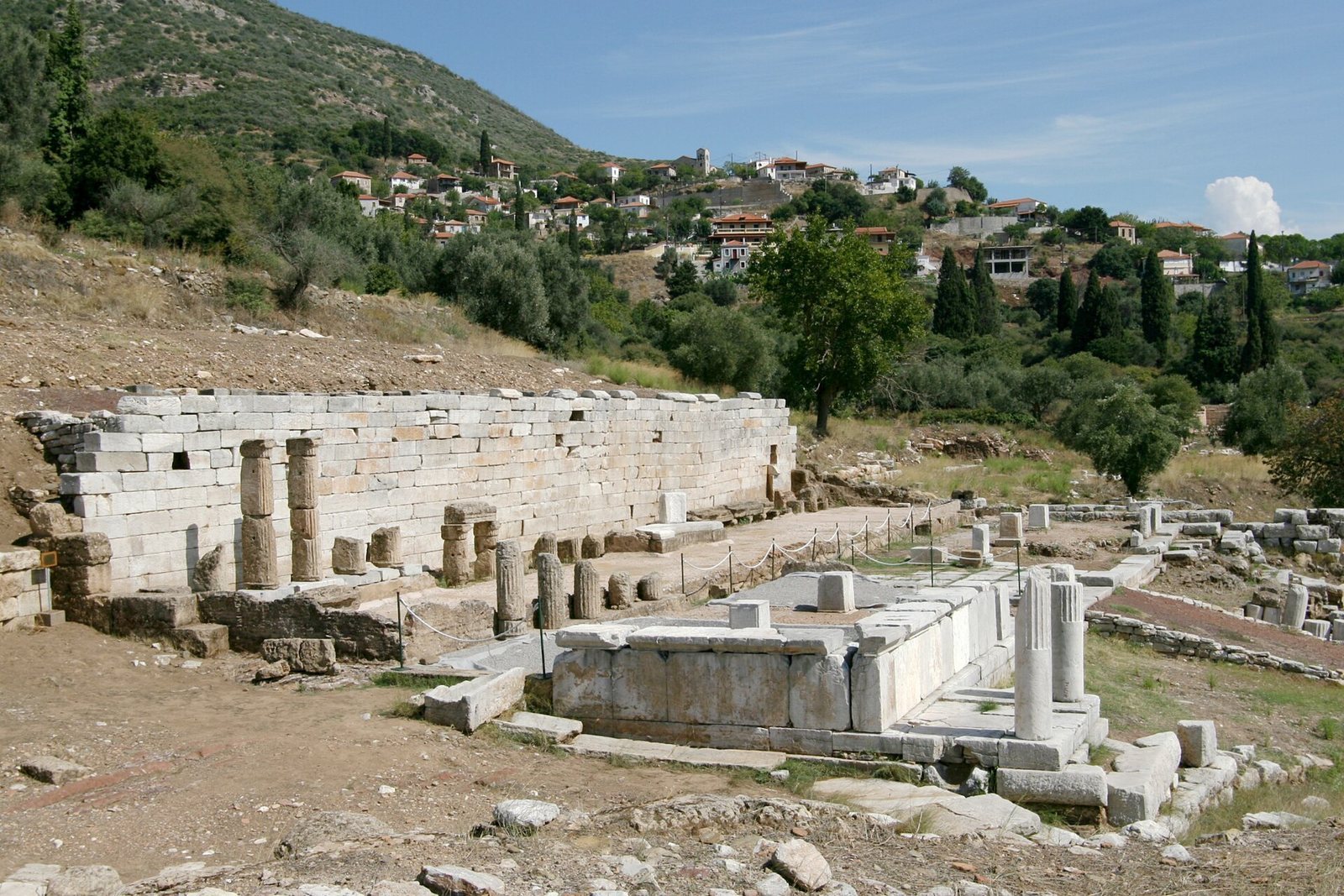
The remains span Ithome’s naturally defended summit and the walled city below, with monastic buildings at the peak and lower on the mountain. The city’s ancient walls form an approximately rectangular circuit, while the surviving monastic churches include a stone-built basilica and a later domed church.
Mountain and ancient city
Summit and ridge
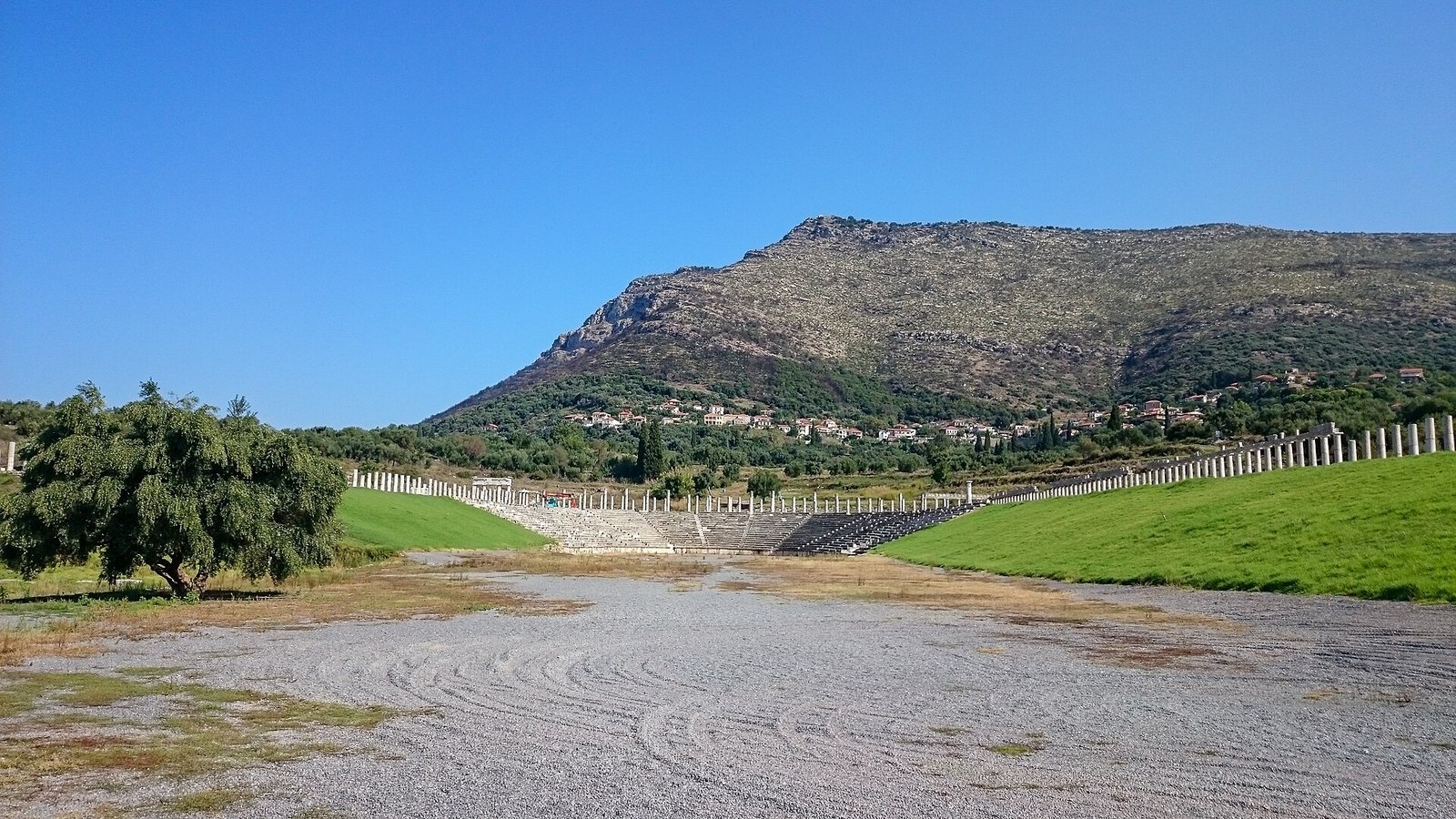
Mount Ithome rises to about 800 metres and has a prominence of approximately 760 metres. It is the northern peak of a pair with Mount Eva, which reaches about 700 metres; a narrow ridge roughly 0.8 kilometres long joins them. The mountain lies about 25 kilometres from Kalamata, west of the Pamisos River, and overlooks the Pamisos valley, Mount Taygetus, and the Gulf of Messenia. Its summit is relatively flat, with a small plateau that formed a naturally defensible high point.
City walls and summit road
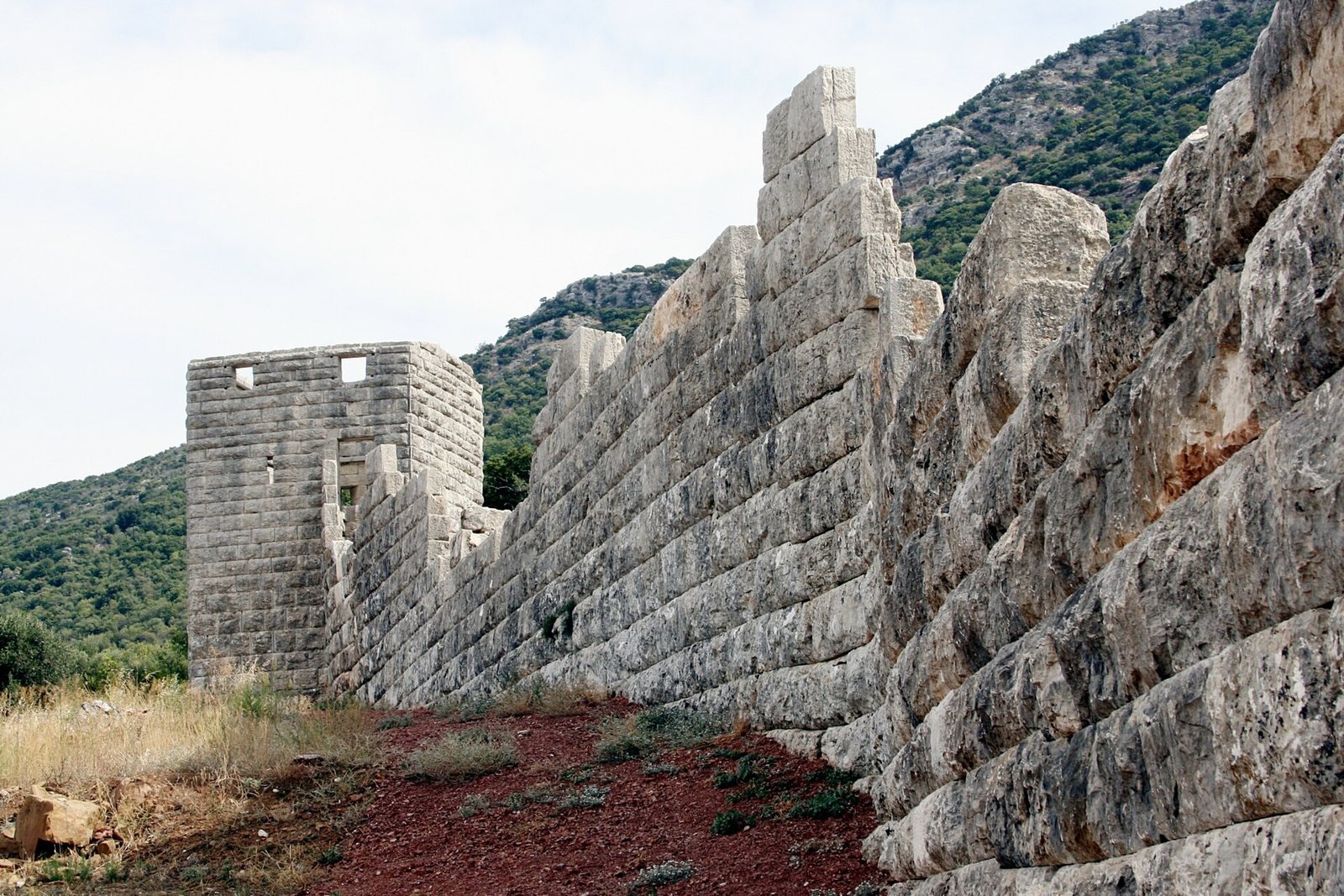
Ancient Messene occupied a bowl-shaped area on Ithome’s lower western flank. Its substantial walls enclosed the bowl and ridge in an approximately rectangular circuit, including the ridge’s eastern side and the route toward the summit, before meeting the mountain to the north. Ithome itself protected the city’s eastern side. An ancient zigzagging road climbed toward the summit from the southeast, and the city’s eastern defenses guarded the section that crossed the ridge.
Settlement and water
Earlier occupation and Mavromati
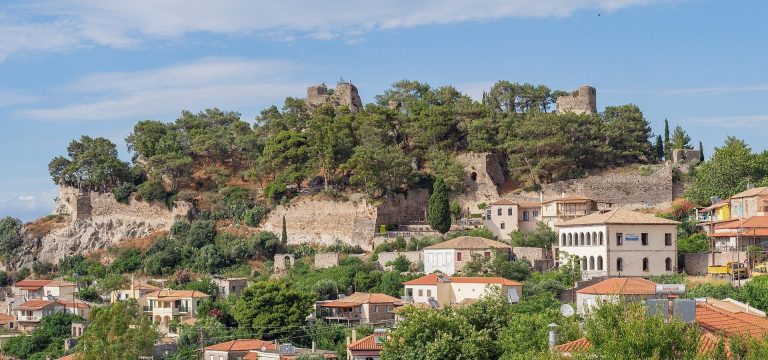
Settlement in the area of ancient Messene extends back to the Stone Age. A village may also have occupied the summit during the Homeric period, the conventional era associated with poems attributed to Homer. The present village of Mavromati occupies a small part of the ancient city about 300 metres up the slope. Mavromati stands at roughly 419 metres, while the ancient city is placed at about 119 metres, with Ithome rising approximately 681 metres above it.
Spring and channels
Mavromati grew around a large spring that emerges from the mountain through an opening in the rock. Its spring catchment continues to serve as a village water source. Ancient channels carried water from the spring down to the urban area.
Monastic architecture
Summit monastery
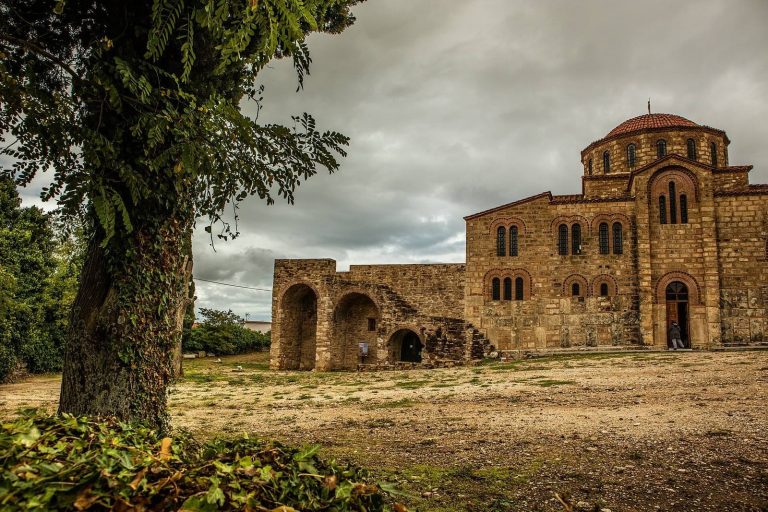
The old summit monastery includes a Byzantine basilica, from the medieval Roman Empire centered on Constantinople, with a single main nave. Stones from the sanctuary of Zeus were reused in its construction. Wall paintings applied to plaster in 1608 depict the life of Saint Nicholas of Myra.
Monastery of Voulkanou
The Monastery of Voulkanou stands partway up the mountain, on Eva’s lower eastern slope between Valira and Mavromati. Its church, built in 1701, has a cross-shaped plan with a dome over the crossing, and its wall paintings date to 1732. The church was consecrated to the Nativity of the Virgin, the celebration of Mary’s birth; the monastery is also described as dedicated to the Dormition, the Eastern Orthodox commemoration of her death. The miraculous icon of the Virgin of Voulkano, a sacred image of Mary used in Orthodox devotion, was transferred here from the summit monastery. The monastery also houses a notable library of ancient manuscripts.