Kyparissia Castle: A Medieval Frankish Fortress in Greece
Site at a Glance
- Rating
- 4.4
- Popularity
- Medium
- Country
- Greece
- Primary era
- Medieval
- Eras represented
- Medieval, Early Modern
- Civilizations
- Byzantine, Crusader, Ottoman, Principality of Achaea
- Site type
- Military
- Remains
- Castle
On this page17 sections
History
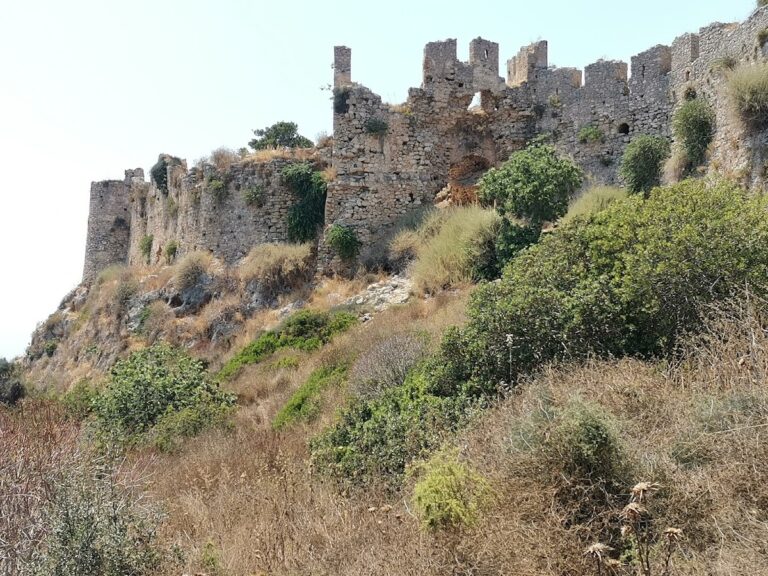
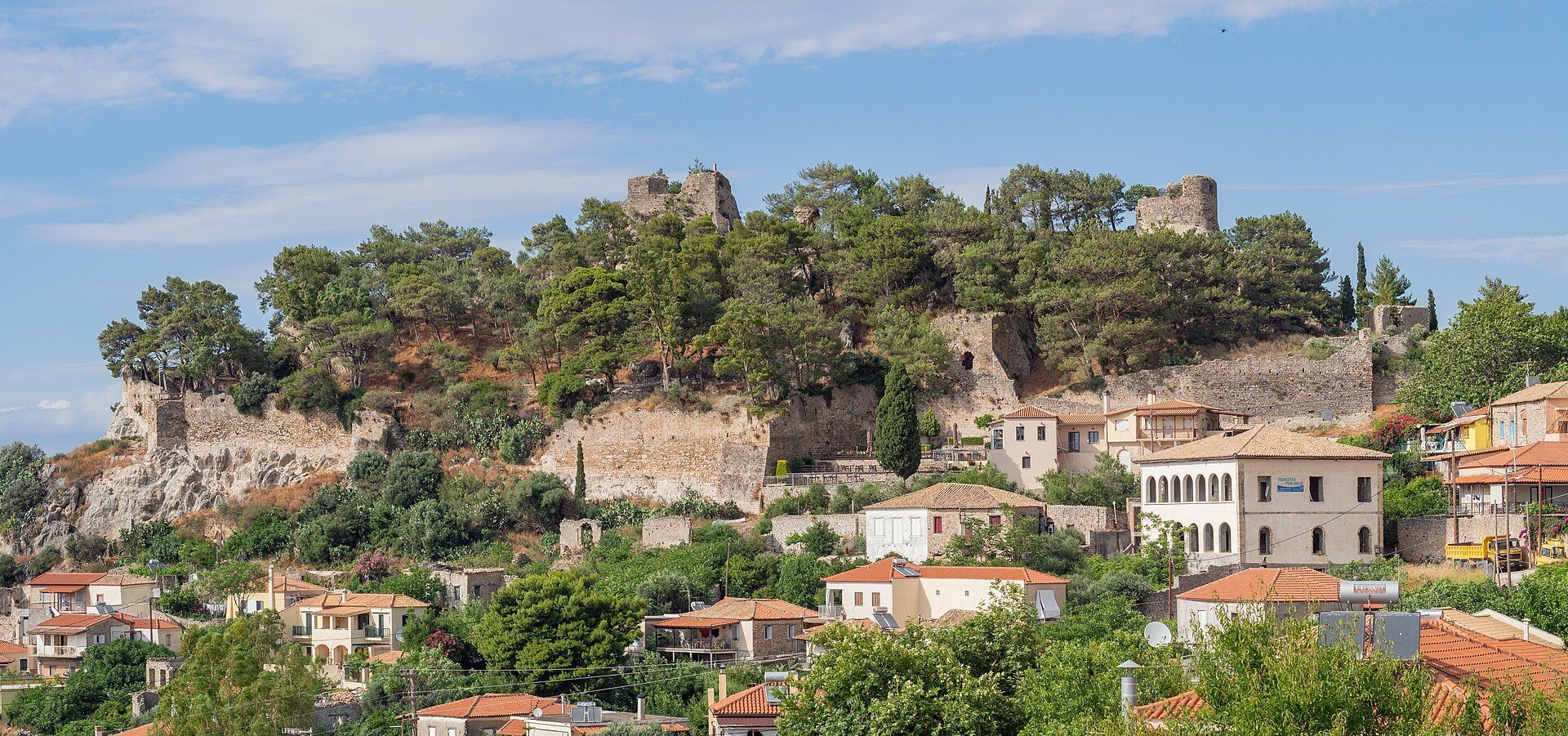
Kyparissia Castle, also known as Arkadia Castle, is a medieval fortress in Kyparissia, Greece, built during the thirteenth century under Frankish control after the Fourth Crusade. The castle occupies the site of the ancient acropolis and incorporates earlier Byzantine fortifications, making it a record of successive periods of occupation on the same hill.
From Ancient Acropolis to Frankish Stronghold
The site had already served as the acropolis of ancient Kyparissia, and Byzantine fortifications were later established there. From the tenth or eleventh century, the settlement became known as Arkadia after people migrated to it from Arcadia in the interior of the Peloponnese.
Frankish forces took control of the area after the Fourth Crusade in 1205. This thirteenth-century expedition led to the conquest and division of Byzantine territories by Western European forces, including the creation of the Principality of Achaea in the Peloponnese. The medieval castle was built after the Frankish takeover and became one of the most important Frankish castles in the region.
The Barony of Arkadia
From 1262, the castle served as the center of the Barony of Arkadia within the Principality of Achaea. Its first baron was Vilain I d’Aulnay, a Frankish nobleman. The fortress therefore functioned not only as a defensive installation but also as the seat of a territorial lordship during the Frankish period.
Byzantine, Ottoman, and Venetian Rule
In 1432, Kyparissia Castle returned to Byzantine rule as part of the Despotate of the Morea, the Byzantine state centered in the Peloponnese during the later Byzantine period. Ottoman forces led by Mehmed II, known as Mehmed the Conqueror, captured the castle in 1460 after his conquest of Constantinople in 1453.
Venice held the fortress from 1685 to 1715, after which it returned to Ottoman control. Maniot forces briefly captured it during the Orlov Revolt of 1770, an uprising in the Peloponnese associated with Russian intervention against Ottoman rule. The castle later became involved in the opening phase of the Greek War of Independence. Greek forces captured it without resistance on 25 March 1821, while Egyptian forces under Ibrahim Pasha attacked it between 1825 and 1828.
Modern Preservation
The ruins underwent restoration in 1970. The surviving fabric reflects the site’s long military history, with ancient stonework, Byzantine and Frankish construction, and Ottoman alterations continuing to shape the appearance of the fortress.
Remains
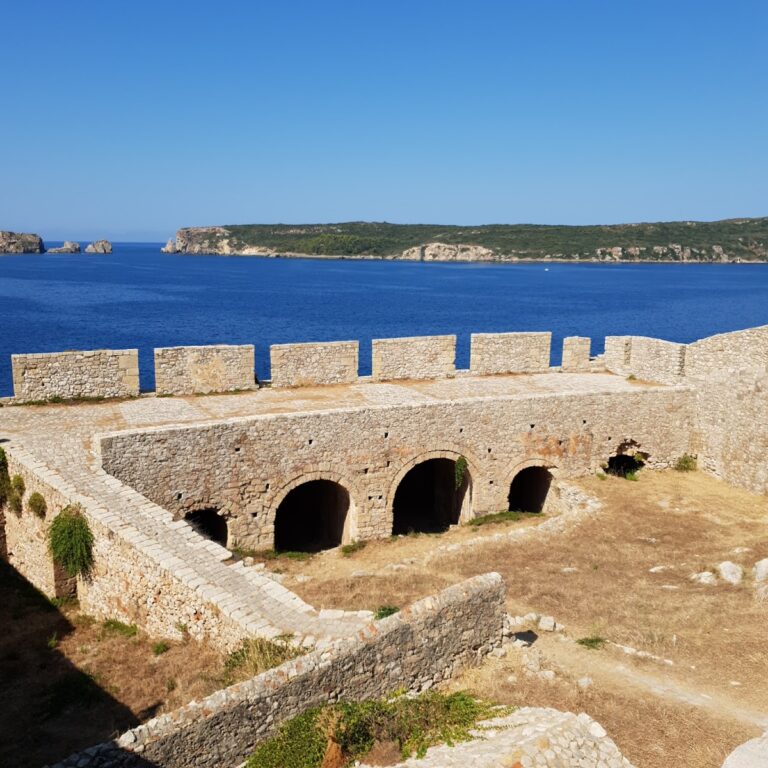
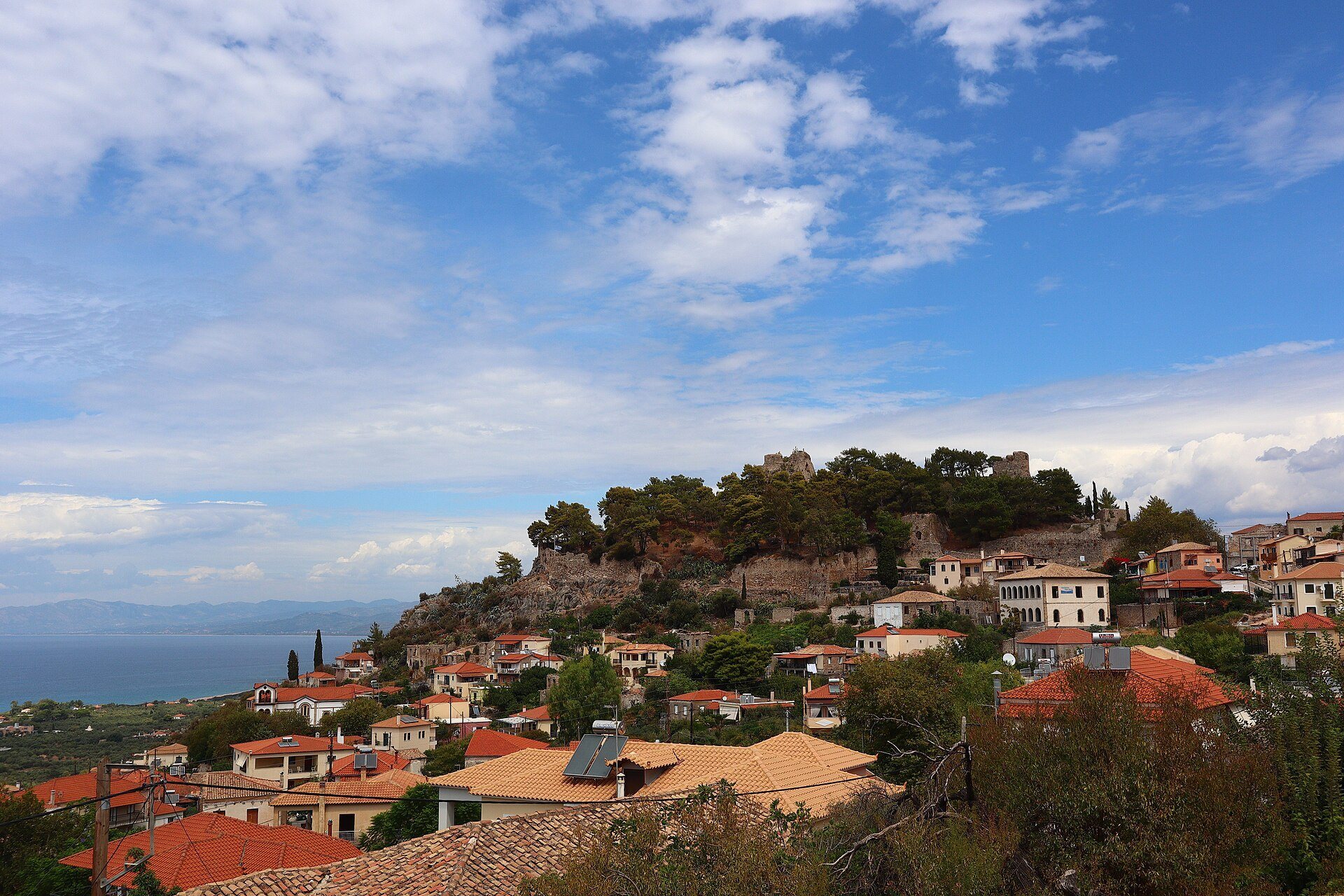
Kyparissia Castle stands on a hill approximately 130 metres high immediately northeast of Kyparissia. Its roughly trapezoidal plan measures about 100 metres from north to south and 60 metres from east to west. Two triangular sections form the fortification: the larger Lower Castle occupies the flatter southern part of the summit, while the Upper Castle lies to the north as the fortified core containing the principal towers.
Lower Castle and Southern Defences
Main Gate and Mosque
The main entrance led into the Lower Castle. A ramp approached the gate beside a wall pierced by loopholes, narrow openings through which weapons could be used, probably added during the Ottoman period. The entrance was probably protected by a tower. The tower site is now occupied by the partly collapsed remains of an Ottoman-period mosque, linking the defensive and religious uses of this part of the fortress.
Southeastern Corner
The southeastern corner formed the strongest defensive position. A corner tower or bastion, a projecting fortification designed to strengthen defensive fire along the faces of a wall, occupied this position. Its lower section survives. Large ancient stone blocks form the lower parts of the walls, while medieval stone and brick were used above them, revealing the incorporation of earlier building material into later fortifications.
Upper Castle and Principal Towers
Tower of the Giants
The Upper Castle contains the square Byzantine-period tower known as the Tower of the Giants. Later repairs altered its fabric, preserving the tower as a structure with both Byzantine origins and subsequent phases of maintenance.
Justinian’s Tower
A round tower known as Justinian’s Tower also stands within the Upper Castle. Its main construction was probably Frankish, while the upper section and gun ports belong to Ottoman alterations. The tower therefore illustrates the adaptation of an earlier medieval defensive structure to later military requirements.
Cross-Wall
Remains of a cross-wall between the two towers divided the Upper Castle into two sections. This internal barrier formed part of the organization of the fortified core and separated areas within the northern enclosure.
Western and Eastern Fortifications
Southwestern and Western Walls
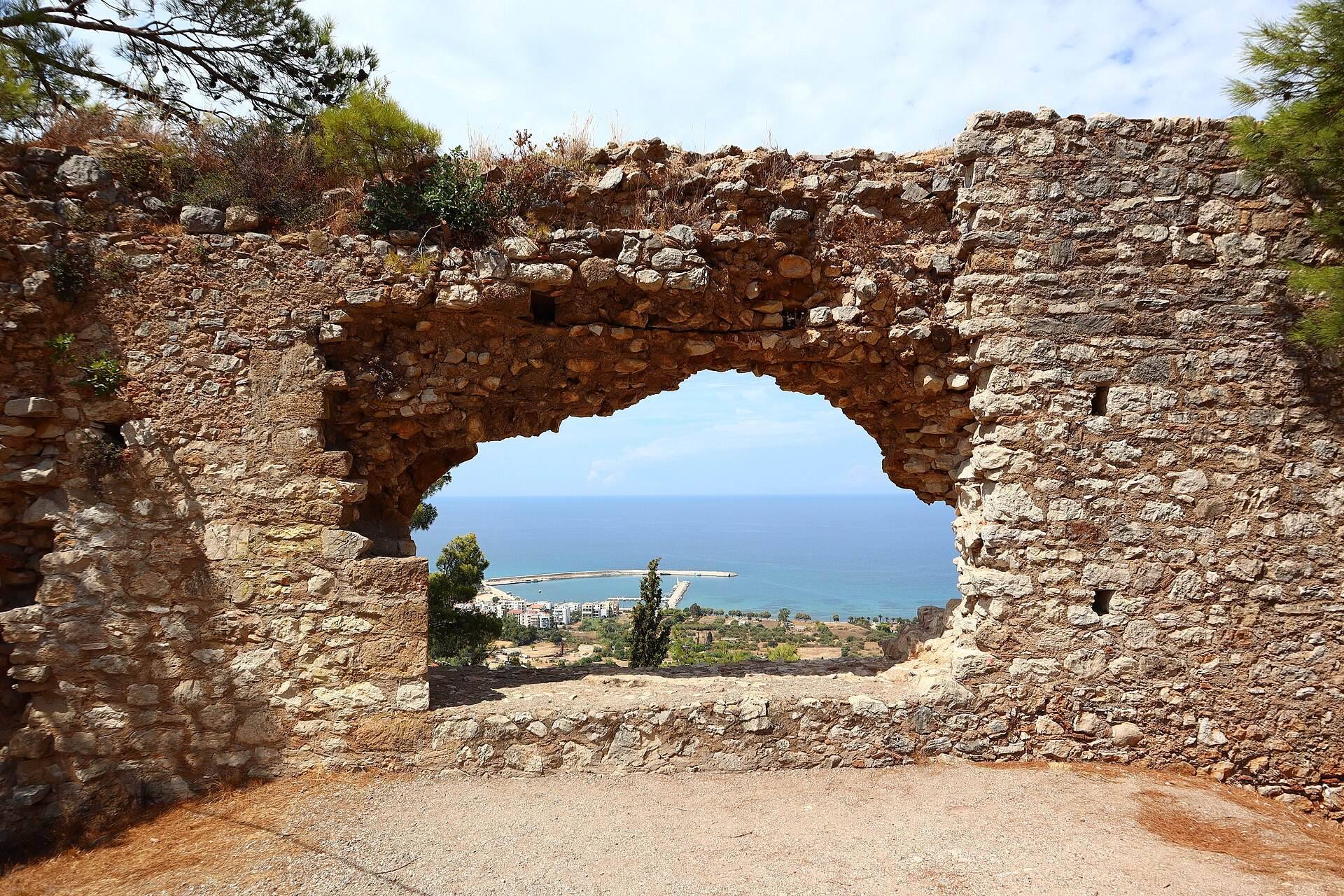
The southwestern wall is partly collapsed. A small square tower stood along it, together with a larger western tower. The latter survives in ruins that include a double-arched window, a remaining architectural detail within the damaged western defences.
Eastern Defences
On the eastern side, where the castle joins the mountain, a bastion and a round tower strengthened the fortification. This side received the greatest reinforcement because the natural terrain provided less protection there. The northeastern side retains limited remains, where the surrounding terrain already supplied sufficient defence.
Construction Layers
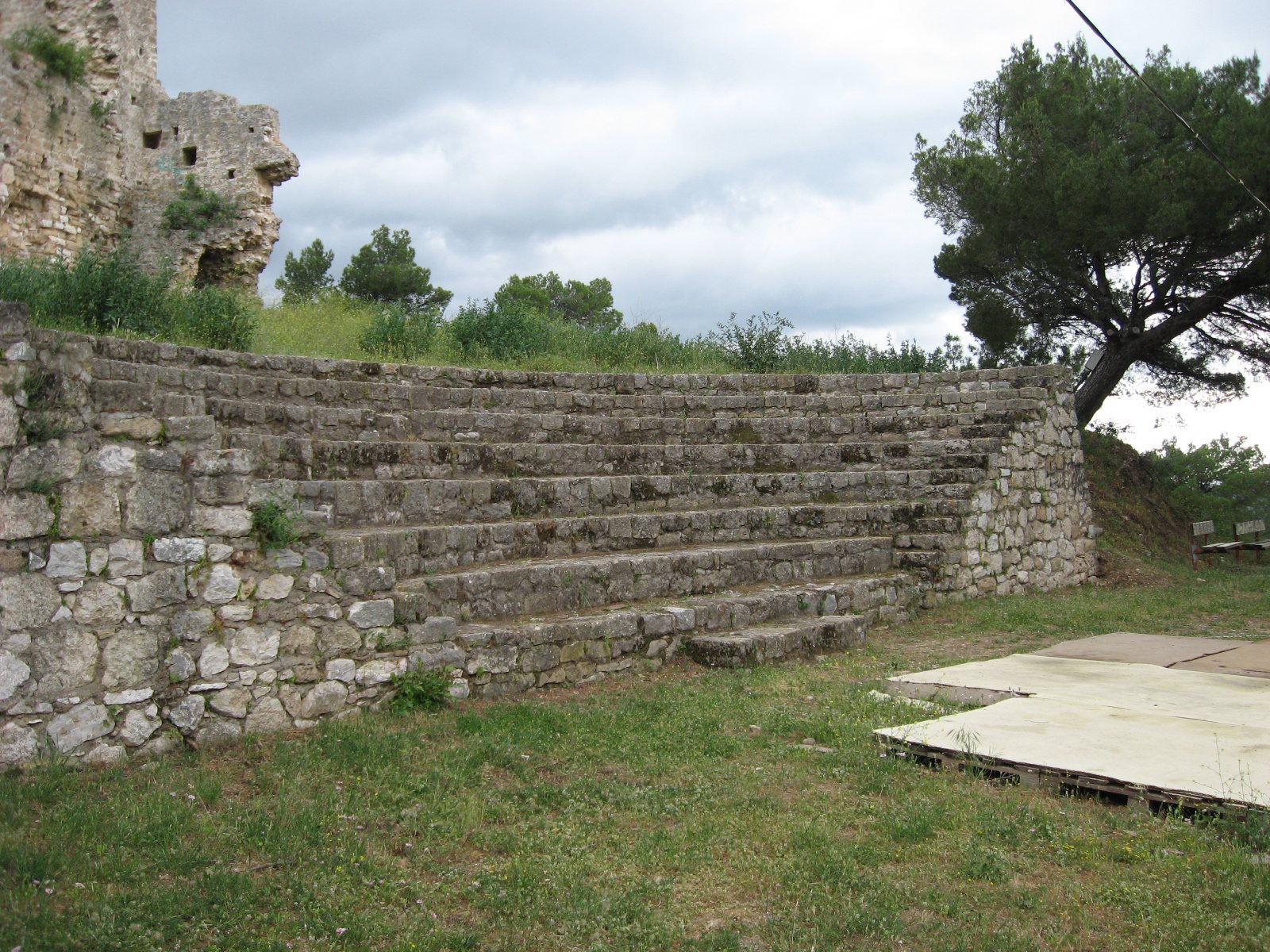
Ancient construction phases remain visible in the fortification, and ancient building stones were reused in Byzantine and Frankish structures. Ottoman alterations appear throughout the walls and towers. Together with the mosque and the surviving towers, these layers give the castle its physical character as a fortress repeatedly adapted to changing rulers, weapons, and uses.