Ditchley: Roman Villa Site and Historic Country Estate
Site at a Glance
- Popularity
- High
- Country
- United Kingdom
- Primary era
- Early Modern
- Eras represented
- Classical, Early Modern
- Civilizations
- British, Roman
- Site type
- Domestic
- Remains
- Elite Residence
On this page15 sections
History
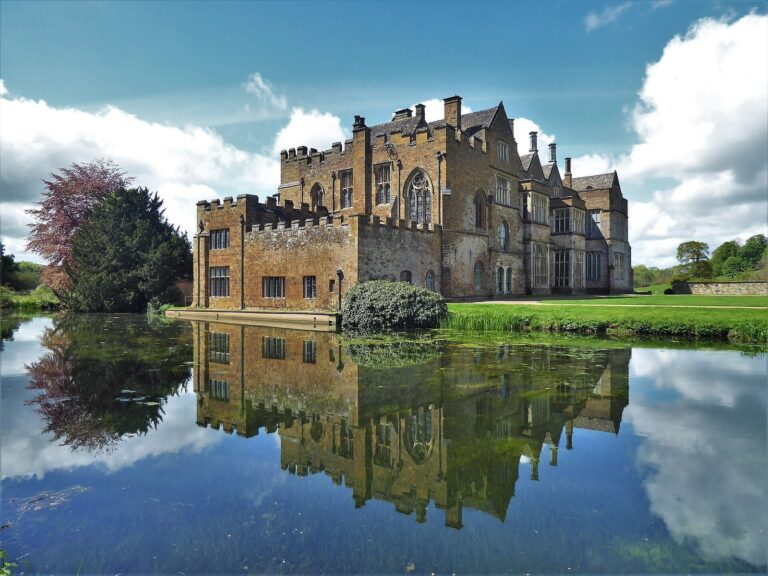
Ditchley is a historic estate in the United Kingdom, where a Roman villa, a substantial rural residence or estate center, was first established around AD 70 and the present country house was built in 1722. Its history spans Roman settlement, a medieval village, the Lee family’s estate, and wartime use by Winston Churchill.
Roman settlement
The first buildings at the villa were timber-framed. Stone structures replaced them during the second century, but a major fire damaged the buildings around AD 200 and the site was abandoned. People returned early in the fourth century, though occupation was less intensive, and continued until the century’s end.
An aerial survey identified the villa site in 1934, and it was excavated the following year. A hoard of Roman coins, found before the villa was identified, was transferred to the Ashmolean Museum in Oxford in 1935.
Medieval village and the Lee family
A village at Ditchley is known from the fourteenth through the seventeenth century. It provided lodging and access to the royal hunting ground in Wychwood Forest before it was deserted. The name Ditchley comes from Old English words referring to a woodland clearing on Grim’s Ditch.
The Lee family acquired the estate during the Elizabethan era. Sir Henry Lee, an influential courtier, commissioned The Ditchley Portrait to commemorate a visit by Elizabeth I, queen of England and Ireland from 1558 to 1603. In the painting, she stands on a map of the British Isles, surveying her dominions, with one foot near Ditchley. Lee later declined to host her again because of the expense.
On 15 September 1603, James VI of Scotland, who had become James I of England that year, visited with Queen Anne of Denmark. Their party included the French ambassador and a duke whom Arbella Stuart called “the Dutchkin.”
Later occupants included Sir Henry Lee, 1st Baronet of Quarendon and later of Ditchley, a holder of a hereditary title below the peerage; he had died by 1632. Sir Francis Henry Lee, 2nd Baronet of Quarendon, lived from 1616 to 1639. His widow, Anne, Countess of Rochester, was among the later occupants, as was the 2nd Earl of Rochester, a noble rank below a duke and above a viscount, who was born at the house. Other occupants included Sir Henry Lee, 3rd Baronet (1633–1659), Sir Francis Lee, 4th Baronet of Quarendon, Charlotte, Countess of Lichfield and an illegitimate daughter of Charles II, and Robert Lee, 4th Earl of Lichfield. The estate later passed to the Viscounts Dillon.
The country house and estate
The present house was built in 1722 for George Lee, 2nd Earl of Lichfield. In 1763, the architect Stiff Leadbetter designed and built a circular Ionic rotunda in the grounds for an earl.
After Harold Dillon, 17th Viscount Dillon, died in 1933, Ronald Tree, an Anglo-American member of Parliament, and his wife Nancy Lancaster bought Ditchley. Lancaster redecorated the house with Sibyl Colefax and the French decorator Stéphane Boudin. The work helped establish her reputation for exceptional taste.
Churchill and the Second World War
Concerned about the threat from Nazi Germany, Tree and Lancaster invited Winston Churchill and his wife to dinner several times from 1937. During the Second World War, security officials considered Churchill’s home at Chartwell vulnerable because it lay exposed south of London. Chequers, his country residence, was also at risk because aircraft could see its entrance road by moonlight. Ditchley’s dense foliage and concealed access made it a safer retreat. Tree agreed to host Churchill on some weekends when the moon was high.
Churchill first stayed at Ditchley instead of Chequers on 9 November 1940, accompanied by his wife Clementine and daughter Mary. During his visits, he negotiated part of Lend-Lease, the United States program for supplying wartime aid to allied countries, with Harry Hopkins, an adviser to President Franklin D. Roosevelt. He also hosted Edvard Beneš, the exiled Czechoslovak president. By late 1942, security at Chequers had improved, including through covering its entrance road with turf. Churchill’s last weekend at Ditchley as his official residence was on 26 September 1942, Tree’s birthday. He returned for lunch in 1943.
The Ditchley Foundation and later use
After the war, Tree sold Ditchley to the 7th Earl of Wilton, who sold it in 1953 to Sir David Wills, a descendant of a family involved in tobacco importing. Wills founded the Ditchley Foundation in 1958 to promote international relations, particularly between Britain and the United States. He later gave the house to the foundation’s governing trust, which continues to own it. The Butler Valet School made Ditchley its home in 2002.
In June 1994, US Secretary of State Warren Christopher and British Foreign Secretary Douglas Hurd unveiled a bronze bust of Churchill at Ditchley to recall the house’s wartime role. The house is Grade I listed, meaning it is of exceptional interest. The park and rotunda are Grade II*, a category for particularly important sites, while several other estate features are Grade II, for special interest.
Remains
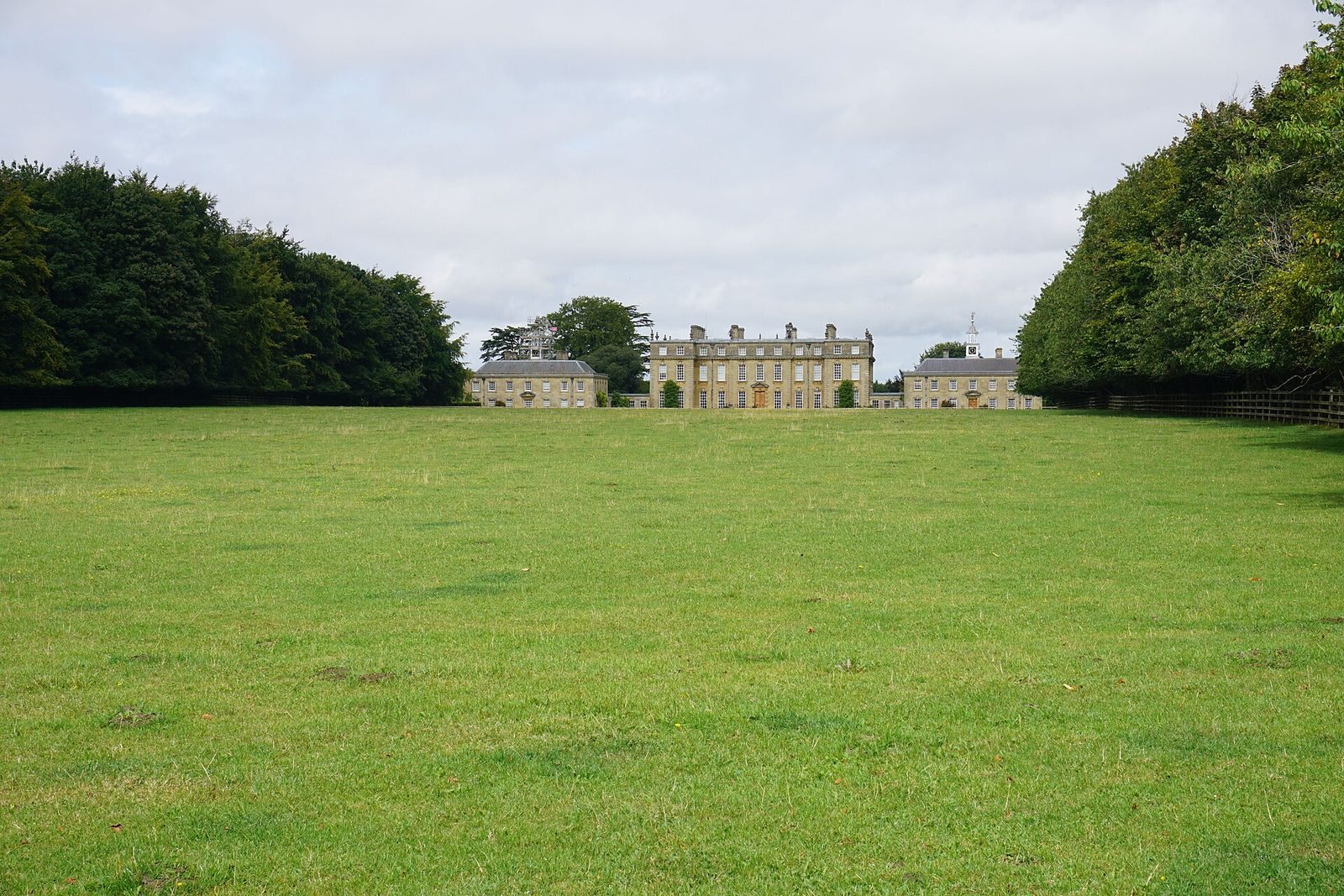
Ditchley’s physical landscape includes the Roman villa site at Watts Wells, less than a mile southeast of the country house, as well as the house and its surrounding grounds. The estate brings together a Palladian house, based on classical designs associated with Andrea Palladio, smaller flanking pavilions, formal garden features, service buildings, and a separate circular rotunda.
Roman archaeological landscape
Villa complex
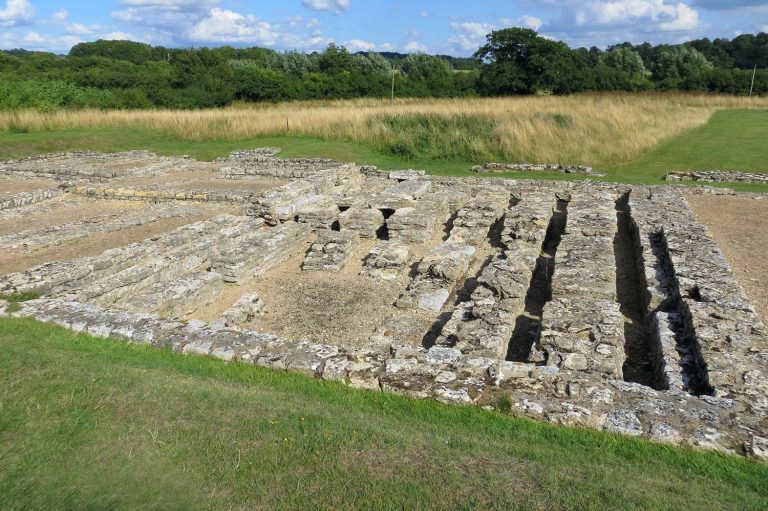
The villa at Watts Wells was a residence lined with columns, accompanied by outbuildings, threshing floors where grain was separated from stalks and husks, and a granary. The granary could hold produce from about 1,000 acres of arable land. A rectangular ditch around the site measured 360 yards by 330 yards. The villa stood less than two miles north of Akeman Street, a Roman road, among other Roman villas and farmsteads of the period. These sites appear to have belonged to territory bounded by Grim’s Ditch.
Coin hoard and Grim’s Ditch
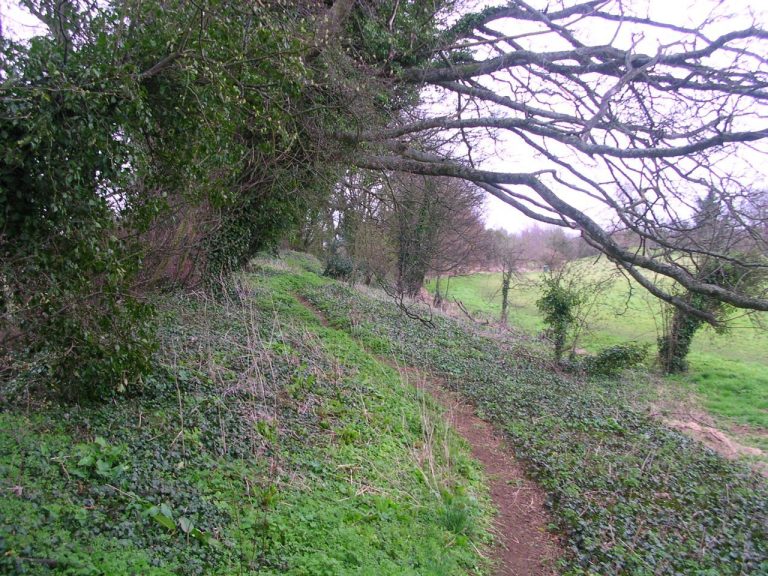
A hoard of 1,176 bronze Roman coins was found between Box Wood and Out Wood, about 600 to 700 yards northeast of the villa. The coins date from around AD 270 onward and appear to have been buried in a ceramic pot around AD 395. Grim’s Ditch, an ancient boundary believed to date to around the first century AD, passes through the present park and estate.
House and designed grounds
Ditchley House
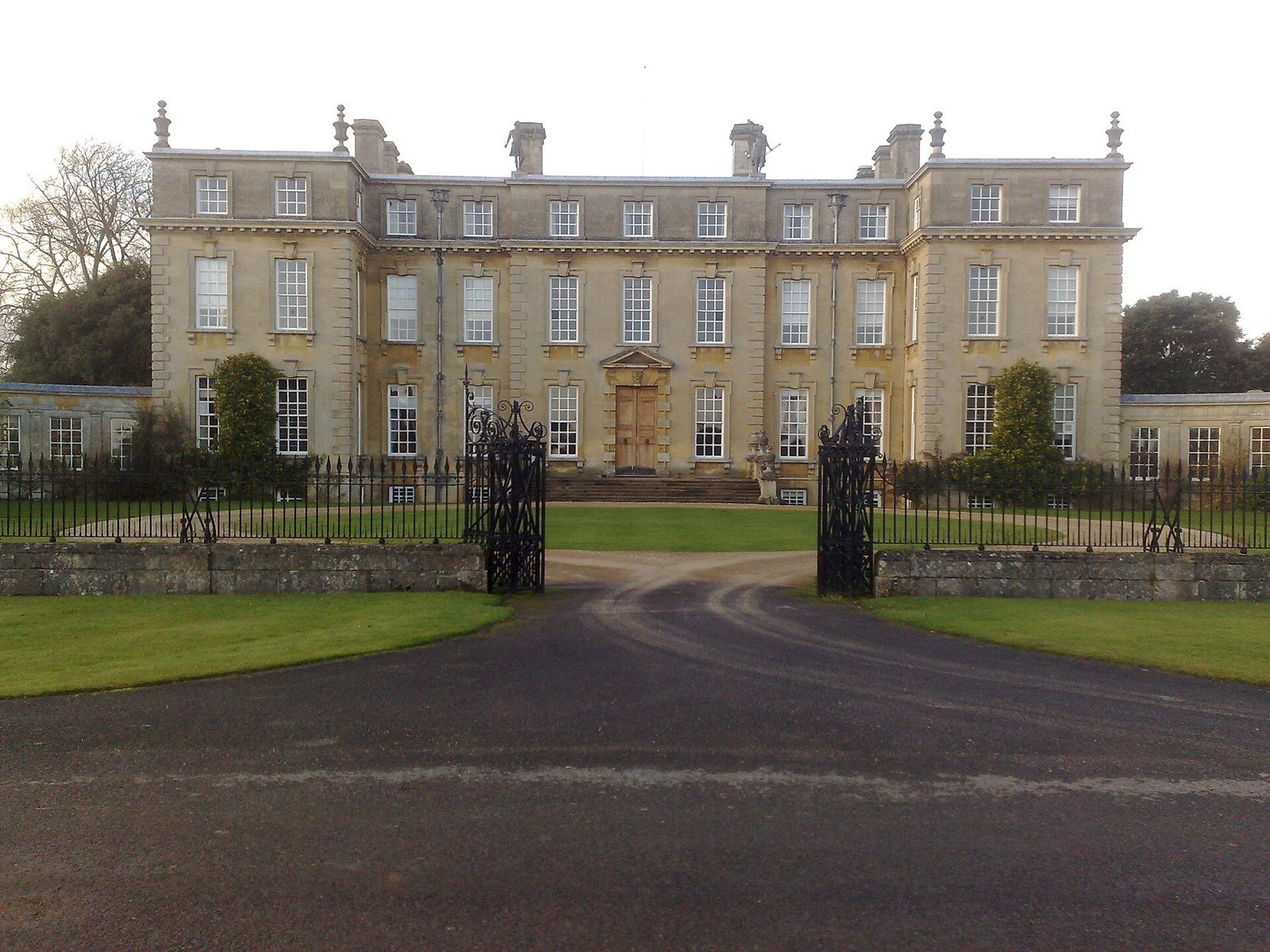
The house has a Palladian design and flanking pavilions, smaller architecturally distinct buildings associated with a larger one. James Gibbs designed its exterior, and Francis Smith built it. William Kent and Henry Flitcroft designed the interiors; Edward Stanton and his partner Christopher Horsnaile made the fireplaces.
Rotunda and formal grounds
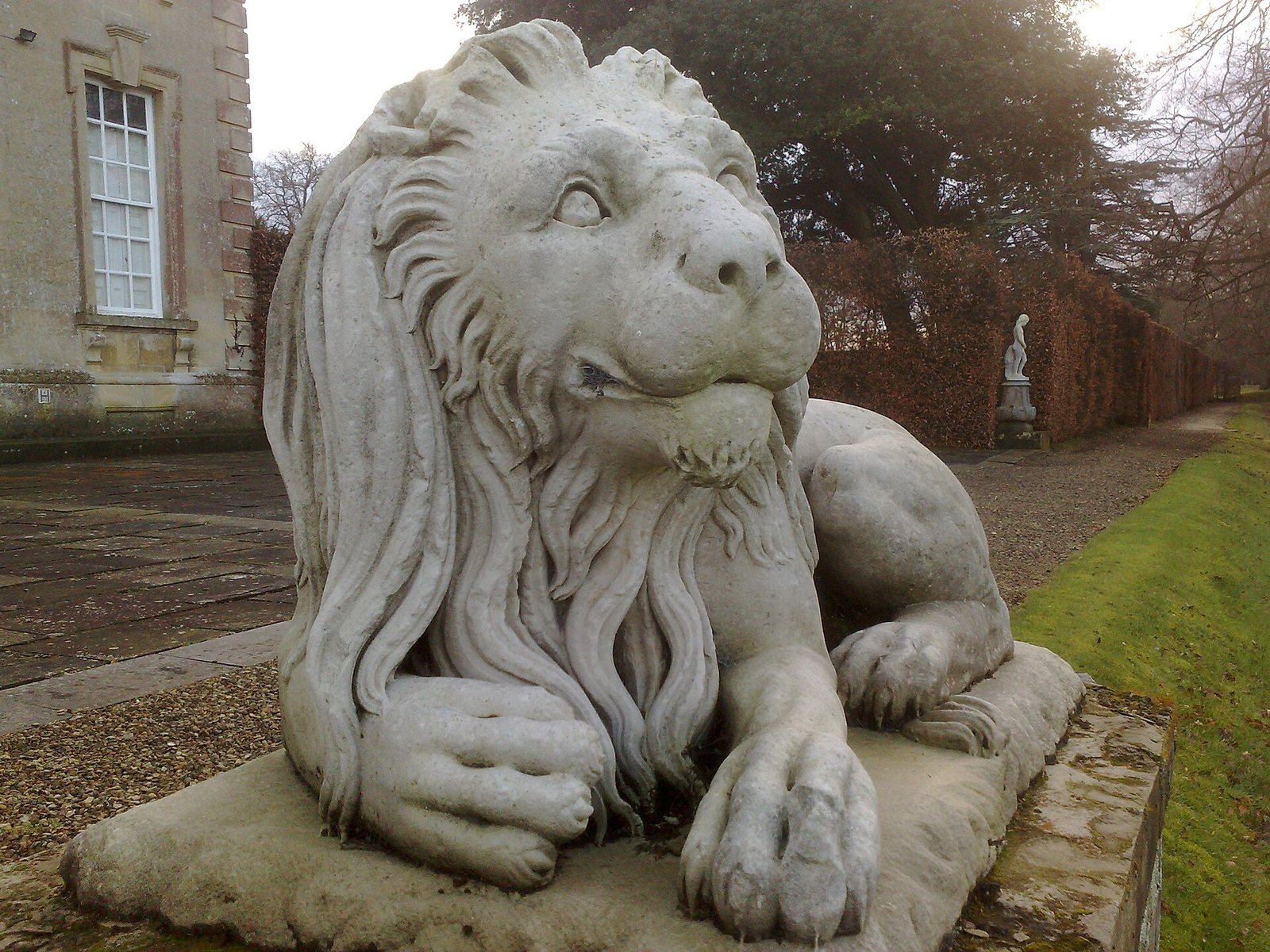
The circular Ionic rotunda stands about 600 metres northwest of the house. Around 20 metres northwest of the house, steps have statues on either side. Lion Court, the walled gardens, and Lion Gate lie northeast of the house. The forecourt has an entrance screen, gates, and a balustrade, a railing supported by a row of short posts.
Estate buildings
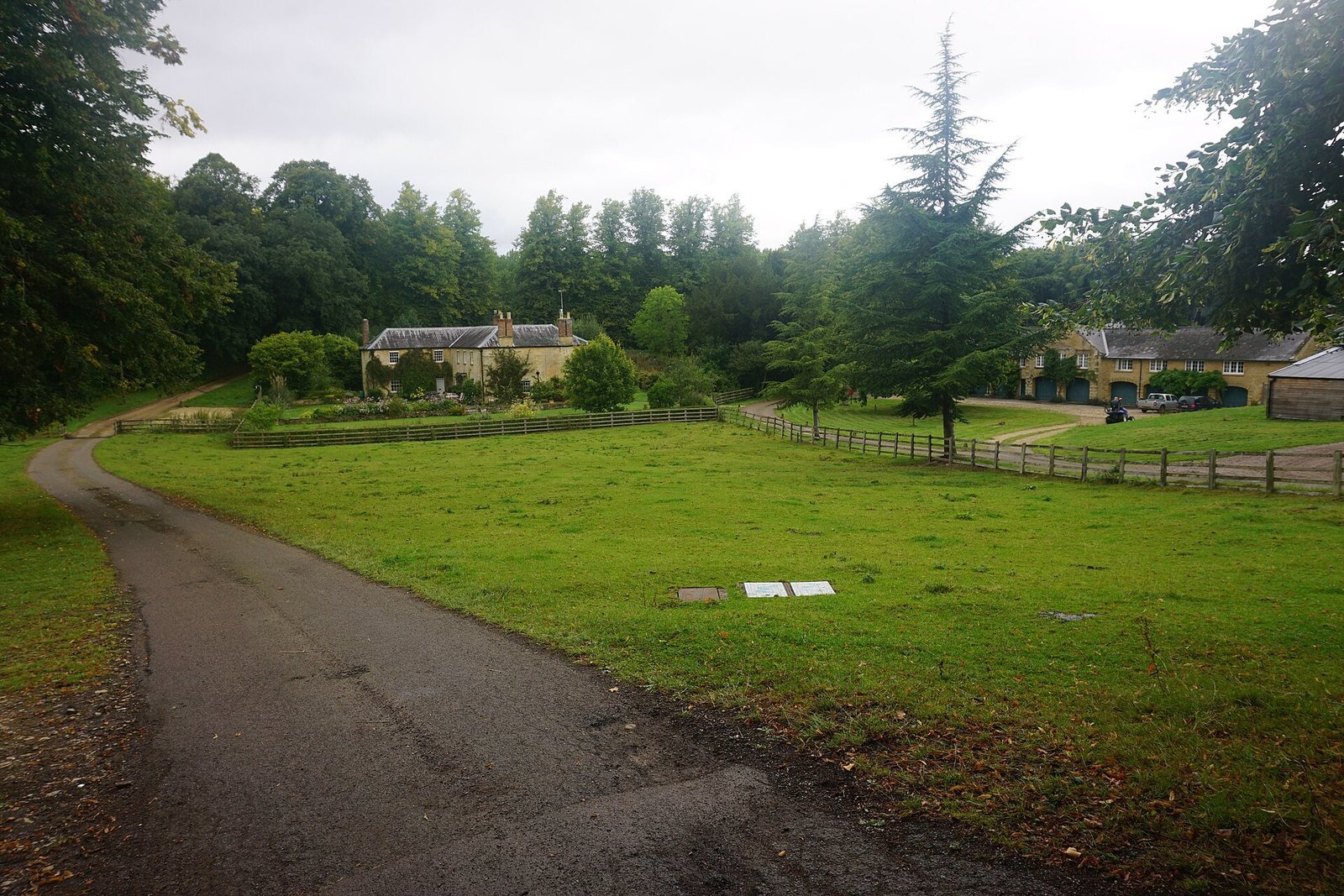
The estate also includes a Stable Block, a gas house, the Little Temple, Lake Head and Grotto, and the Lower House.
Churchill bust
A bronze bust of Winston Churchill stands in a prominent position at Ditchley.