Mayor Synagogue in Bursa, Turkey: A Sephardic Jewish House of Worship
Site at a Glance
- Popularity
- Medium
- Country
- Turkey
- Primary era
- Medieval
- Eras represented
- Medieval, Early Modern
- Civilizations
- Ottoman
- Site type
- Religious
- Remains
- Synagogue
On this page4 sections
History
The Mayor Synagogue is a Jewish house of worship in Bursa, Turkey, with a construction date placed either in the fifteenth century or in the late sixteenth century.
Origins and congregation
The congregation was founded by Jews who settled in the Ottoman Empire after being expelled from Majorca under the 1492 Alhambra Decree. The decree ordered Jews to leave Spain; the Ottoman Empire was a state ruled by Ottoman dynasties from the late medieval period into the twentieth century. The synagogue was also known as Synagogue Mejor.
The congregation followed Sephardic Orthodox Judaism. Sephardic tradition is associated with Jewish communities of the Iberian Peninsula and their descendants, while Orthodox Judaism upholds traditional Jewish law. Services used Nusach Sefard, a Jewish liturgical rite.
Synagogue use and later changes
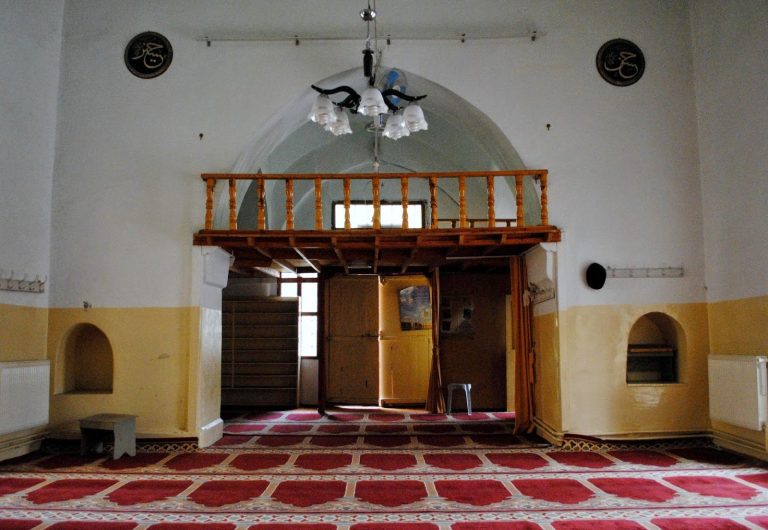
The synagogue served its congregation from 1855 until financial difficulties led to its closure in 1975. By 1996, the building was abandoned, in poor condition, and at risk of demolition. From 2001, it was used as a mikveh, a bath for Jewish ritual immersion. The Turkish government has also described its use for special events and for washing the dead.
Remains
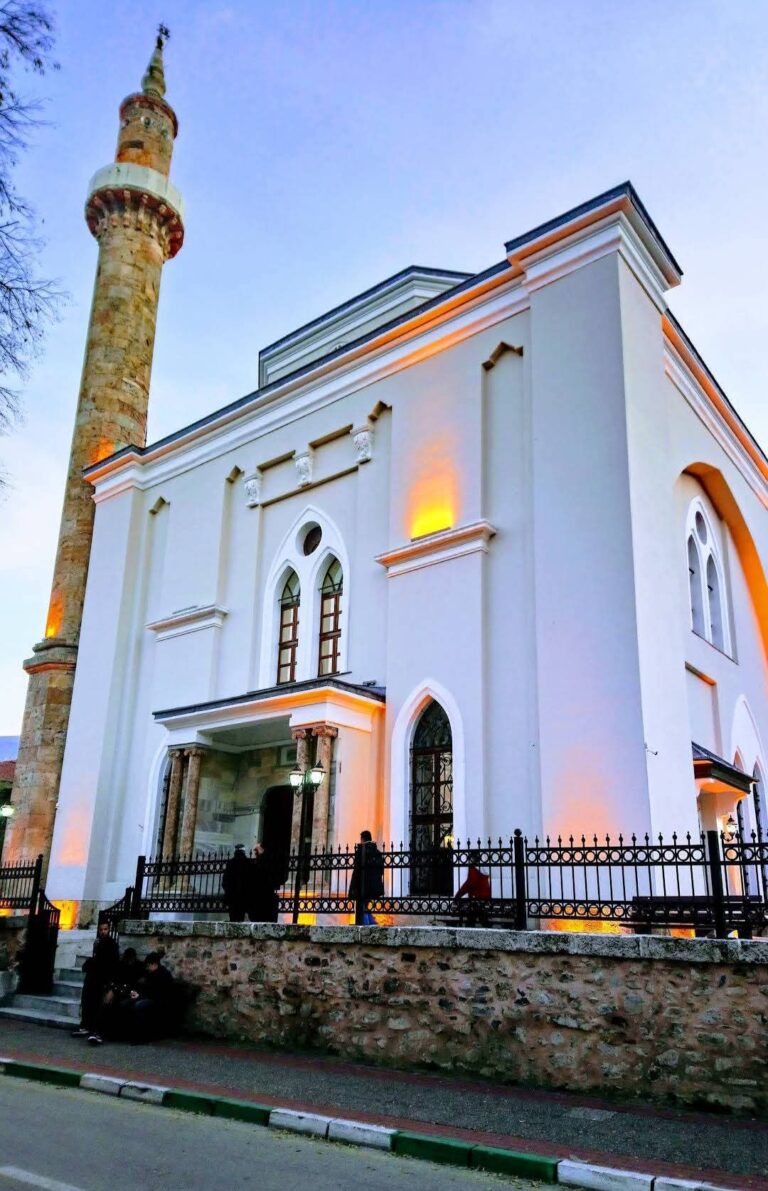
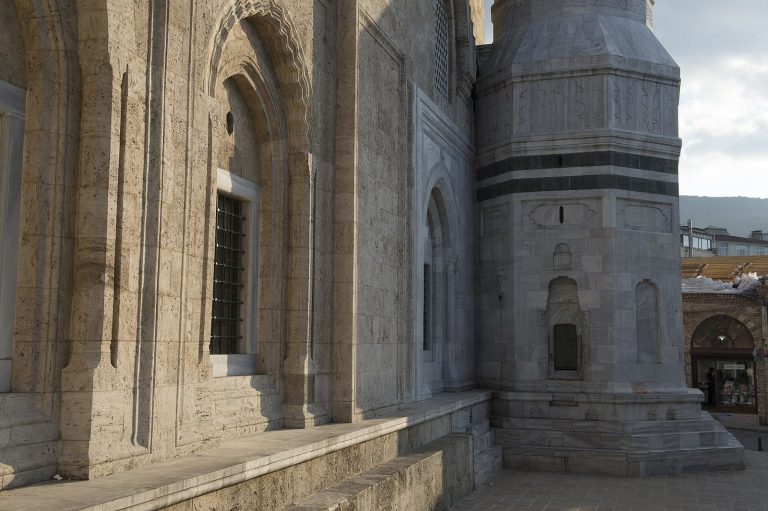
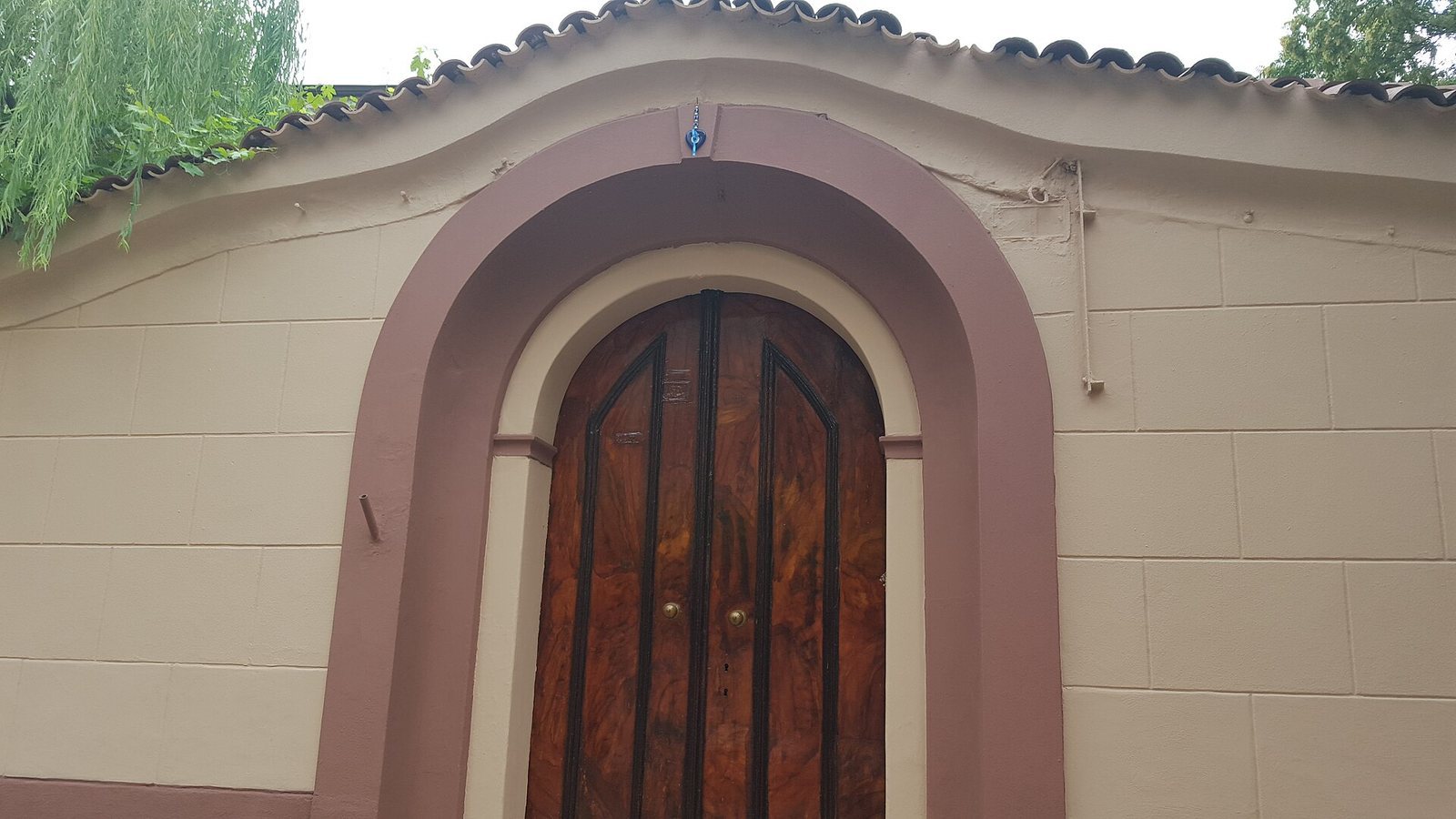
The synagogue is a stone building on Arap Şükrü Street, also known as Sakarya Street, in Bursa. The still-active Gerush Synagogue, whose name means “expulsion,” is also on the street.