Castle of Madrignano: A Medieval Defensive Castle-Residence in Italy
Site at a Glance
- Rating
- 4.4
- Popularity
- Low
- Country
- Italy
- Primary era
- Medieval
- External website
- Open
- Eras represented
- Medieval, Early Modern
- Civilizations
- Holy Roman Empire
- Site type
- Military
- Remains
- Castle
On this page5 sections
History
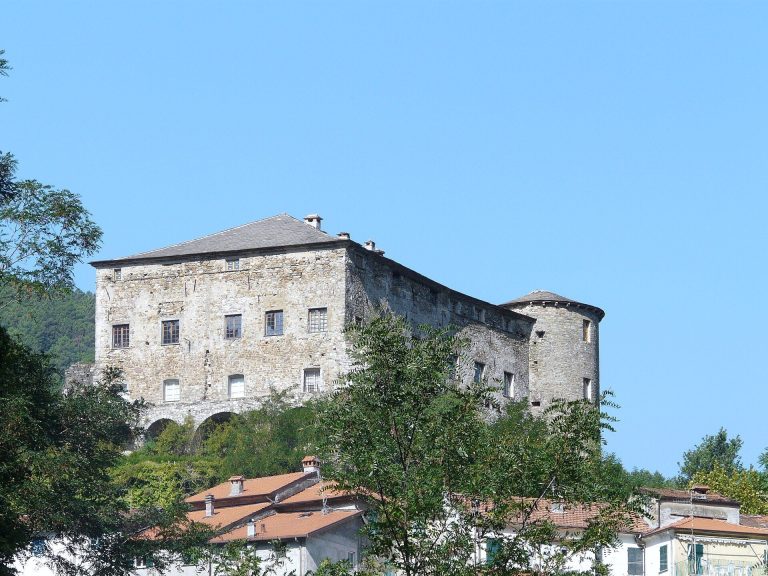
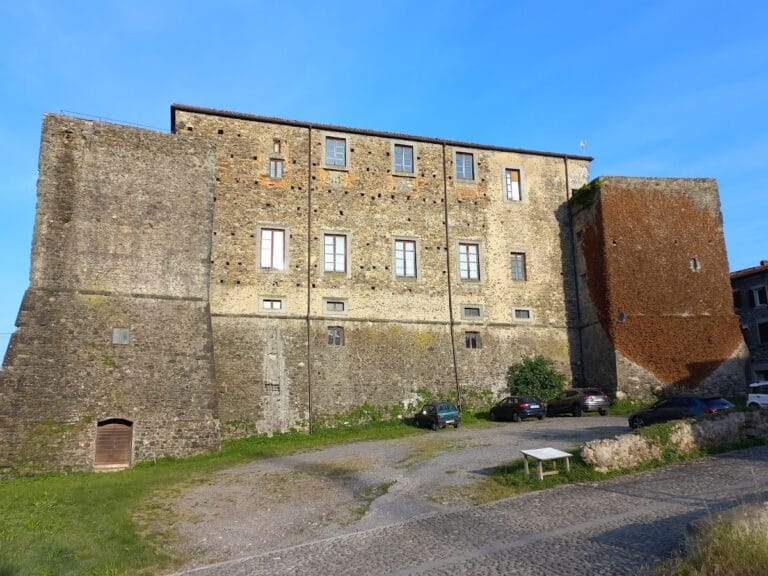
Castle of Madrignano is a ruined defensive castle-residence in Italy, situated above the village of Madrignano in Calice al Cornoviglio. It was established no later than 1164, when an imperial diploma issued by Frederick Barbarossa, the Holy Roman Emperor, granted the castrum Madrognani, meaning the fortified settlement or castle of Madrignano, to Obizzo Malaspina. Its construction may have begun earlier under the Este dynasty or the counts-bishops of Luni, medieval bishops who also exercised count-like authority in the territory of Luni.
Malaspina rule and Genoese destruction
From 1206, the fief of Madrignano and its castle belonged exclusively to the Malaspina, a feudal dynasty that controlled several territories and castles in northwestern Italy. Their rule ended in 1416, when the Republic of Genoa attacked and destroyed the castle during conflicts across the Malaspina territories.
The Fieschi counts succeeded the Malaspina, although the castle was soon taken by the counts of Mulazzo and briefly recovered by the Fieschi. In 1469, it returned to the Malaspina, who retained it for approximately three centuries.
War, adaptation, and later military use
During the War of the Spanish Succession, an early-eighteenth-century European conflict over the Spanish throne involving France, Spain, and the Habsburg imperial forces, Franco-Spanish and imperial Austrian troops fought over Madrignano in 1705 and 1706. The castle endured a twelve-day siege and suffered a second definitive destruction. The damaged complex was not rebuilt, although parts that remained usable were adapted. Its strategic role in protecting the settlement ended during the eighteenth century.
From 1772, the castle and nearby possessions formed part of the Grand Duchy of Tuscany. Under the Kingdom of Italy, the former stronghold was converted into a prison and barracks. An earthquake affecting Garfagnana and Lunigiana damaged it in 1920, and Allied aerial bombardments during the Second World War caused further damage.
Abandonment and recovery
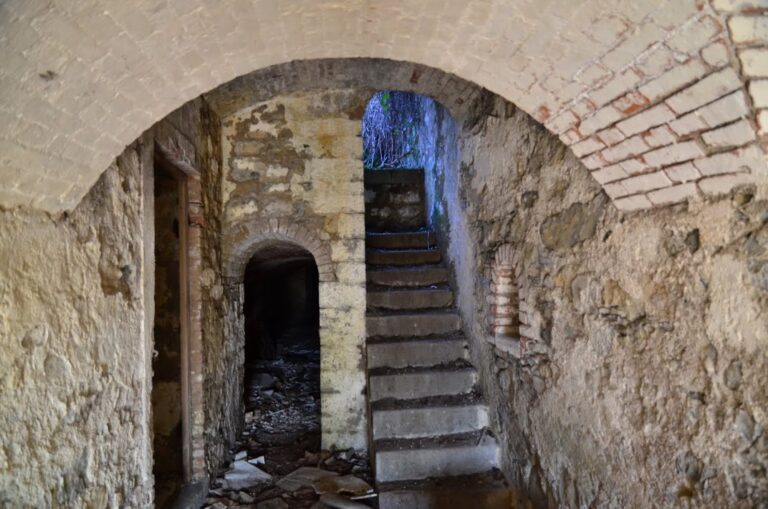
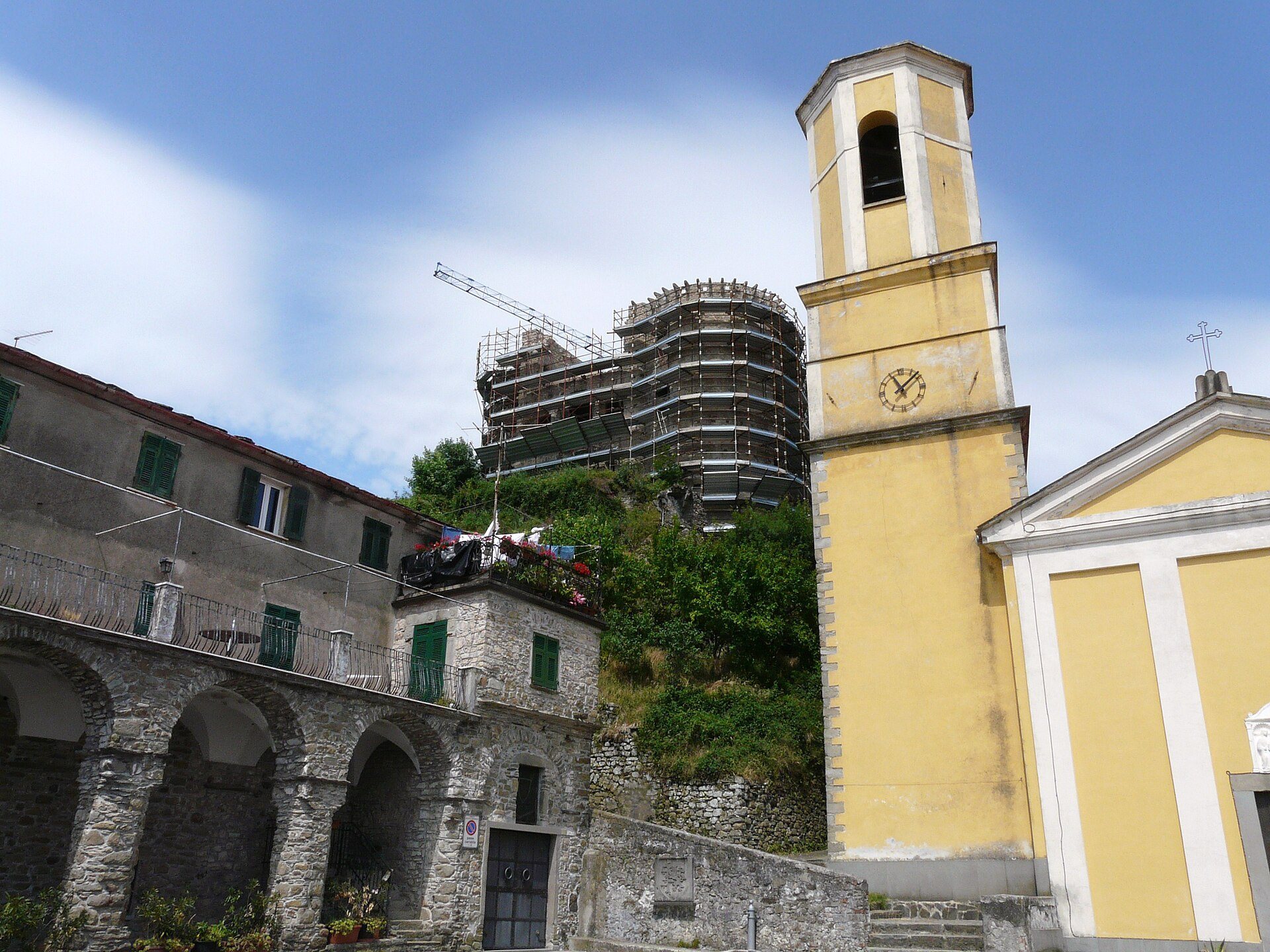
After decades of abandonment, targeted recovery and façade consolidation began in 1980. Lack of funds prevented work from extending across the whole complex. A later recovery intervention made several areas accessible from 2016, while restoration of the castle as a whole remained incomplete.
Remains
The castle occupies an elevated position above Madrignano, in the middle and lower Vara Valley, at approximately 400 metres above sea level. From this height, it overlooks the broad plain of the Vara River toward the river’s natural outlet on the coast. The surviving complex is a ruin whose construction history extended from the eleventh to the eighteenth century.
Its physical remains combine the defensive and residential character of the original castle-residence with alterations made after the eighteenth-century destruction. Usable parts were adapted instead of being reconstructed, leaving a complex in which the damage associated with the 1705–1706 siege remains visible. Recovery work has consolidated the façade and opened several areas, but the restoration of the full complex is unfinished.