Pech Merle Cave: A Prehistoric Decorated Cave in France
Site at a Glance
- Popularity
- Very High
- Country
- France
- Primary era
- Stone Age
- Eras represented
- Stone Age, Modern
- Civilizations
- French
- Site type
- Civic
- Remains
- Rock Art
On this page16 sections
History
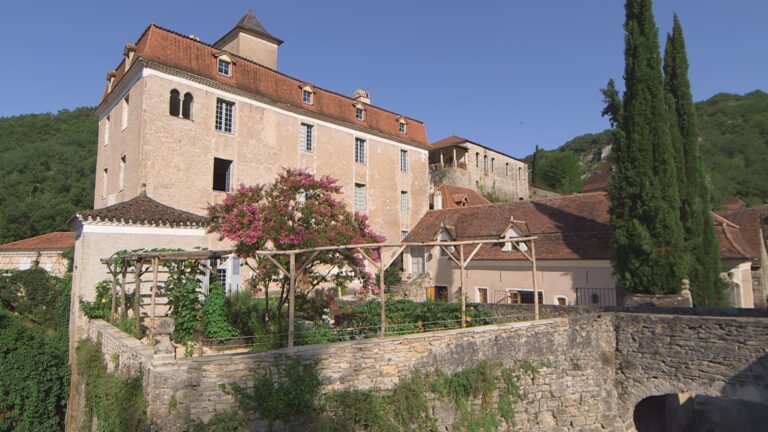
Pech Merle cave is a prehistoric decorated cave at Cabrerets in France’s Quercy region. Its Upper Paleolithic images and footprints preserve evidence of human visits that occurred in separate episodes rather than as continuous residence.
Human use and discovery
Local people knew the cave before its decorated chambers were explored. It was also called Igue David, a name connected to former landowners. The word igue is a local term for a cave or shaft in karst terrain. A local tradition says that a refractory priest, one who rejected revolutionary religious measures, hid there during the French Revolution and received food from parishioners in Cabrerets.
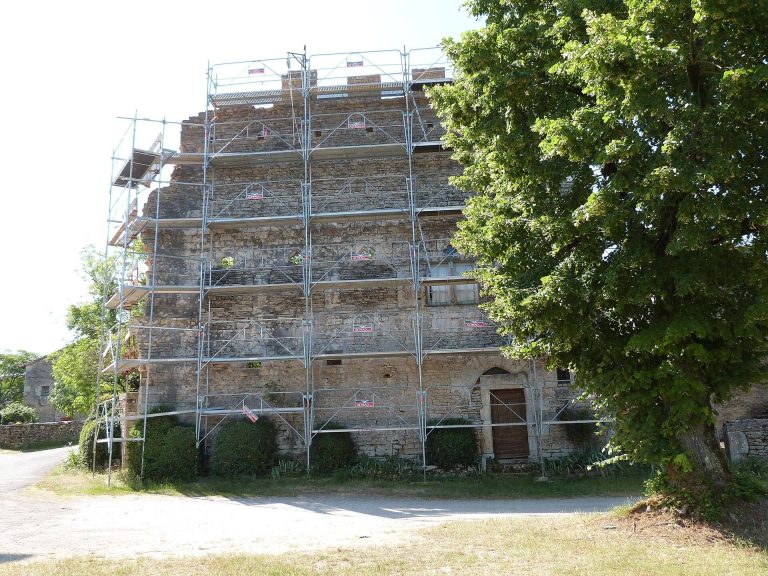
In the early twentieth century, Paris medical student Henri Redon and his cousin Touzery explored the chamber now called the Red Room. On 15 February 1920, parish priest Amédée Lemozi and several local children entered the cave and found bones from goats or sheep and cattle. In April 1922, André David and Henri Dutertre cleared a clay-blocked passage into the White Room. Lemozi and Pierre Colonge later explored the chamber and nearly lost their way, after which Lemozi told the children not to go farther.
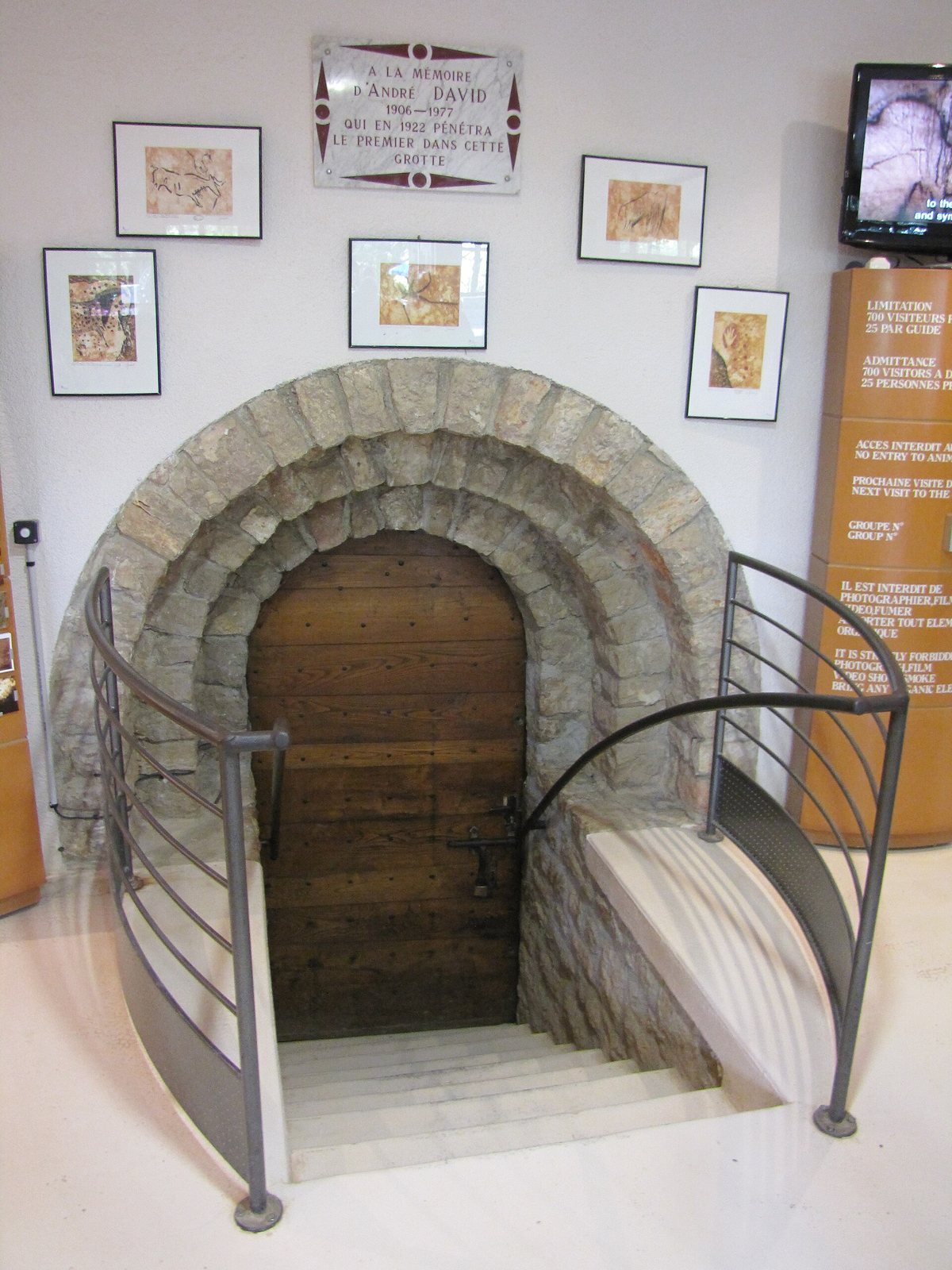
On 4 September 1922, David, his sister Marthe, and Dutertre found the decorated prehistoric chambers and informed Lemozi. With David’s help, Lemozi then surveyed the cave. In 1929, he proposed that a nearby rockfall might conceal further galleries. David excavated through it in October 1949 and found the Combel network.
Dating and study of the art
Early proposals placed the images in different periods. Lemozi assigned all the art to the Aurignacian, while Henri Breuil distinguished the spotted-horse panel from the Black Frieze and suggested different dates for them. André Leroi-Gourhan proposed that the Combel images and the spotted-horse frieze belonged to two successive sanctuaries. Michel Lorblanchet later outlined an early phase, a middle phase with no established date, and a later phase of engravings.
A radiocarbon measurement from the horse on the right of the spotted-horse panel gave 24,640 ± 390 years before present. “Before present” uses AD 1950 as its reference year; the result fits the later Gravettian, an Upper Paleolithic archaeological culture in southwestern France. In Lorblanchet’s scheme, the early images date to about 25,000–24,000 years before present and the later engravings to roughly 14,000–13,000 years before present. The Aurignacian, Perigordian, and Magdalenian are also names for Upper Paleolithic cultures or periods.
In 2013, the Tracking in Caves project tested interpretations of the footprints based on practical tracking experience. Ju/’hoansi San trackers, a people of southern Africa with a strong tradition of tracking, took part, and the approach was judged successful.
Ownership and protection
Jean Lebaudy and Miss de Gouvion-Saint-Cyr acquired the cave in July 1923 and financed works for public access. The cave opened to the public in the middle of the 1920s. Disagreements over its operation with the David family led to the creation of the jointly public- and privately owned company Musée et Grottes de Cabrerets in 1946. Continuing financial problems followed. Lebaudy and Miss Murat sought to relinquish the cave in 1949, and the municipality of Cabrerets acquired it on 29 January 1950.
Pollen analysis points to three distinct episodes of occupation, separated by long periods when the cave was abandoned. Lorblanchet characterized human visits as intermittent rather than residential; during the Ice Age, the cave may have offered occasional shelter. Later study by Leroi-Gourhan and Lorblanchet added to understanding of the art. Pech Merle has been protected as a French historic monument since 17 February 1951. Limits on visitor numbers and group sizes, together with barriers that prevent contact with the images, are intended to reduce deterioration caused by moisture, heat, and carbon dioxide.
Remains
Cave structure and layout
Formation and entrance
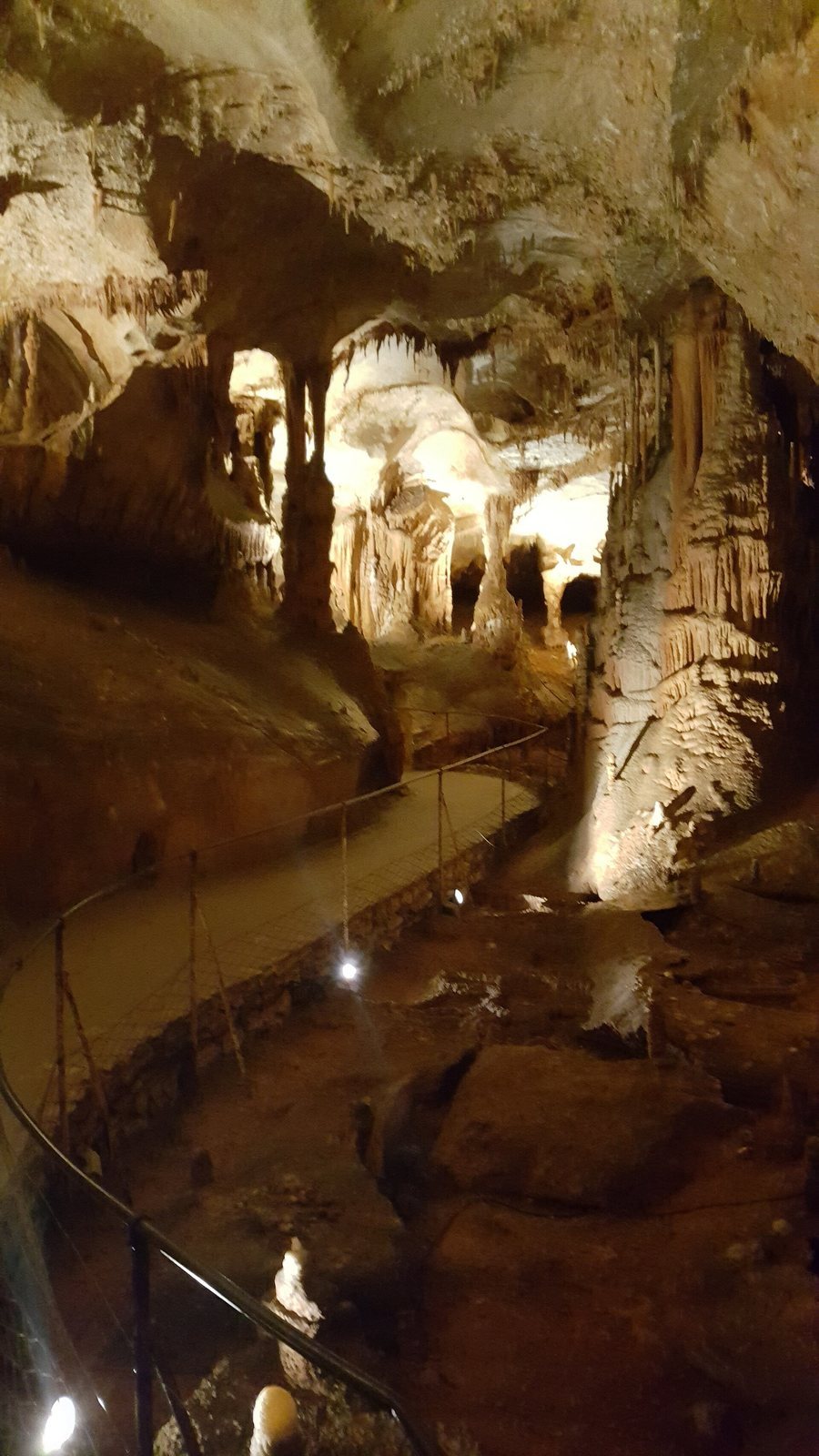
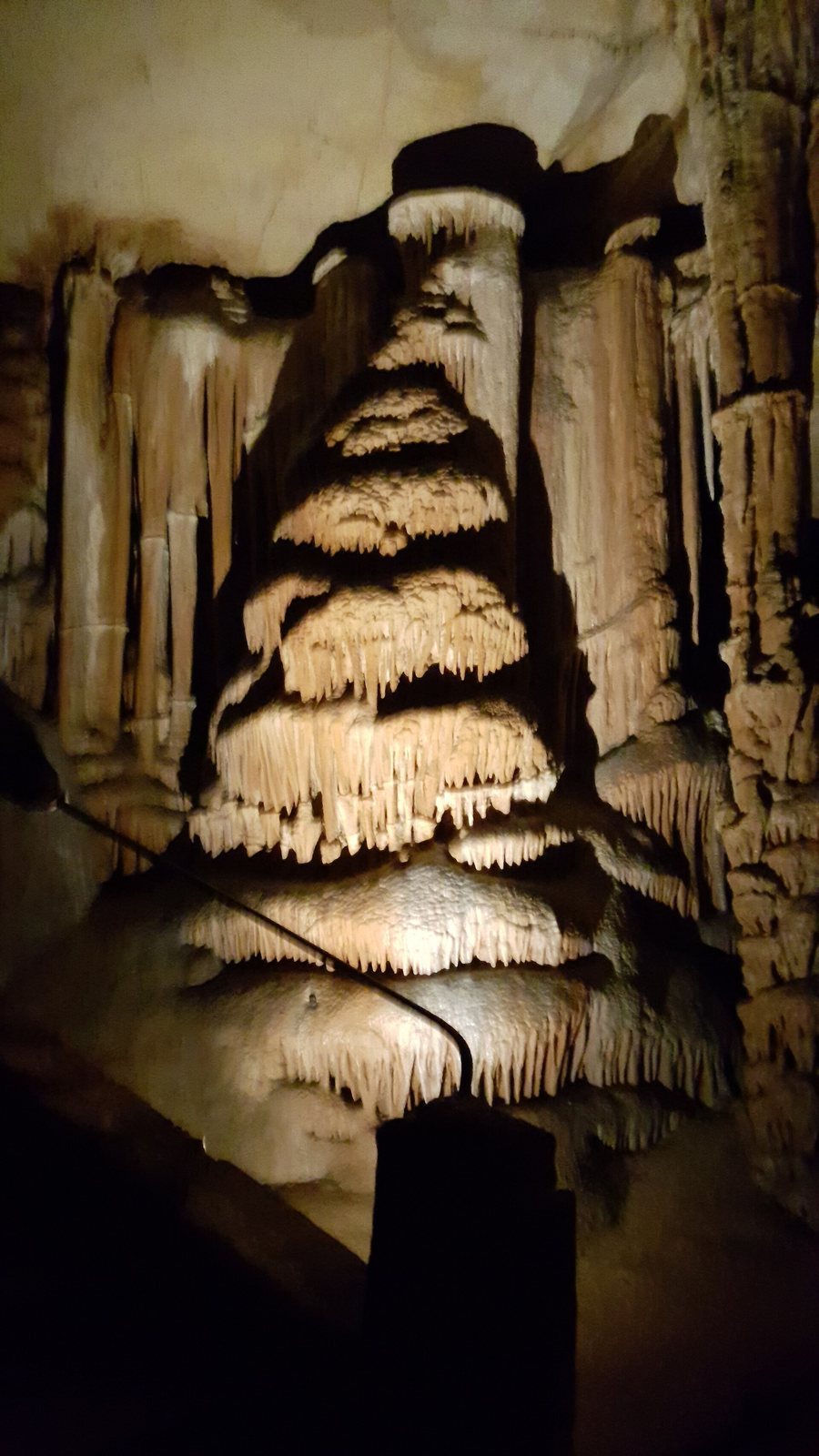
Underground water carved the cave’s passages nearly two million years ago. Water first filled them, then partly drained away. Calcite formations developed later, and the formation of drainage shafts caused some floors bearing stalagmites to collapse. Subsequent mineral growth, including small rounded formations and large disk-shaped deposits, took place before the prehistoric images were made. At the close of the Würm glacial stage, a rockfall blocked the natural entrance; rainwater and landslides are also thought to have covered it with sediment. The present entrance passes through an artificial gallery excavated in 1923.
Gallery network
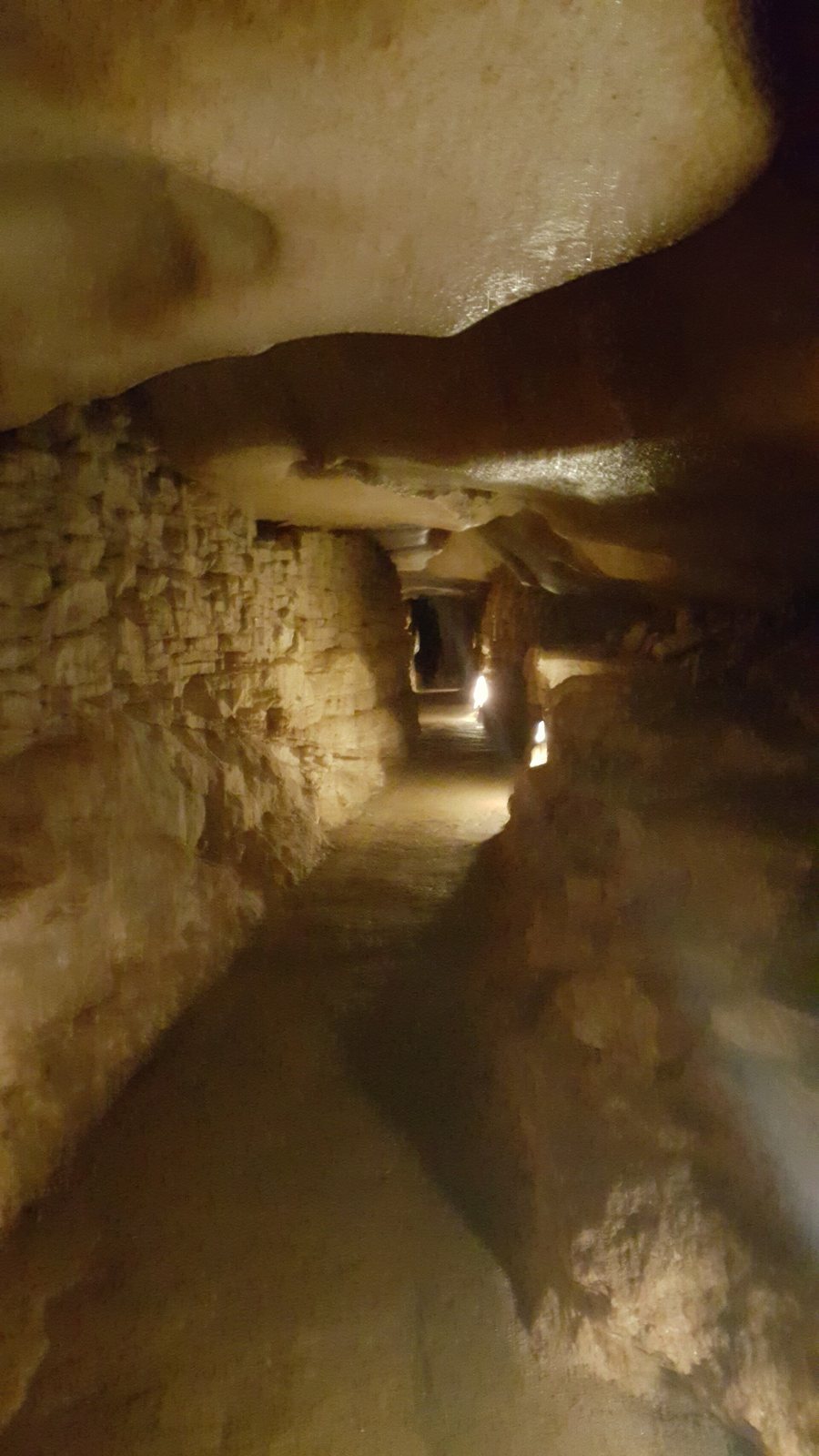
The cave lies on a hill above the Sagne and Célé valleys, about 100 metres above the rivers. Its galleries run for nearly two kilometres across two levels, linked by shafts and sloping passages. They are mostly dry, average around 10 metres in width, and have ceilings 5–10 metres high; about 1,200 metres can be visited. The cave has seven cavities, two of which prehistoric people frequented. Decoration occurs in seven underground chambers, grouped east and west of the entrance. The western group extends farther and contains a greater variety of decoration.
Traces of animals and human activity
Bear wallows and claw marks remain visible in the cave. Finds include bones from goats or sheep and cattle, three flint tools (a chisel-like engraving tool called a burin, a blade, and a pebble), charcoal, and pieces of reindeer shoulder blades. Twelve fossilized footprints, attributed to an adolescent, lie in clay at the bottom of a now-dry cave basin formed by mineral deposits. Calcification preserved them. Other footprints have been described more than 800 metres underground.
Paintings and engravings
The cave contains about 700 painted or engraved motifs. These include 69 animal figures, 13 human or partly human figures, and 595 abstract signs. The animals comprise 25 mammoths, 13 bison, nine horses, seven aurochs (wild cattle), four deer, two ibex, two fish, a feline, a bear, and five imagined creatures. One deer is Megaloceros, an extinct kind of giant deer, and one fish identification is uncertain. Among the human images are three realistic women, a realistic man, and nine schematic figures known as “women-bison.” Hand outlines and marks made by wiped hands also appear. Most motifs are abstract: 543 red or black dots, applied with fingertips or blown onto the surface, alongside geometric forms, strokes, and less distinct marks. The images are arranged in panels named for their main subjects.
Black Frieze
Also called the Mammoth Chapel, the Black Frieze contains 11 mammoths, five bison, four horses, four aurochs, and red dots. Its spiral composition places a large horse and several bison at the centre, with mammoths around them and four aurochs drawn over the mammoths. The black figures are carefully rendered in charcoal and are attributed to the early Magdalenian, around 16,000 years ago. The red dots were made with an iron-oxide pigment.
Spotted-horse panel
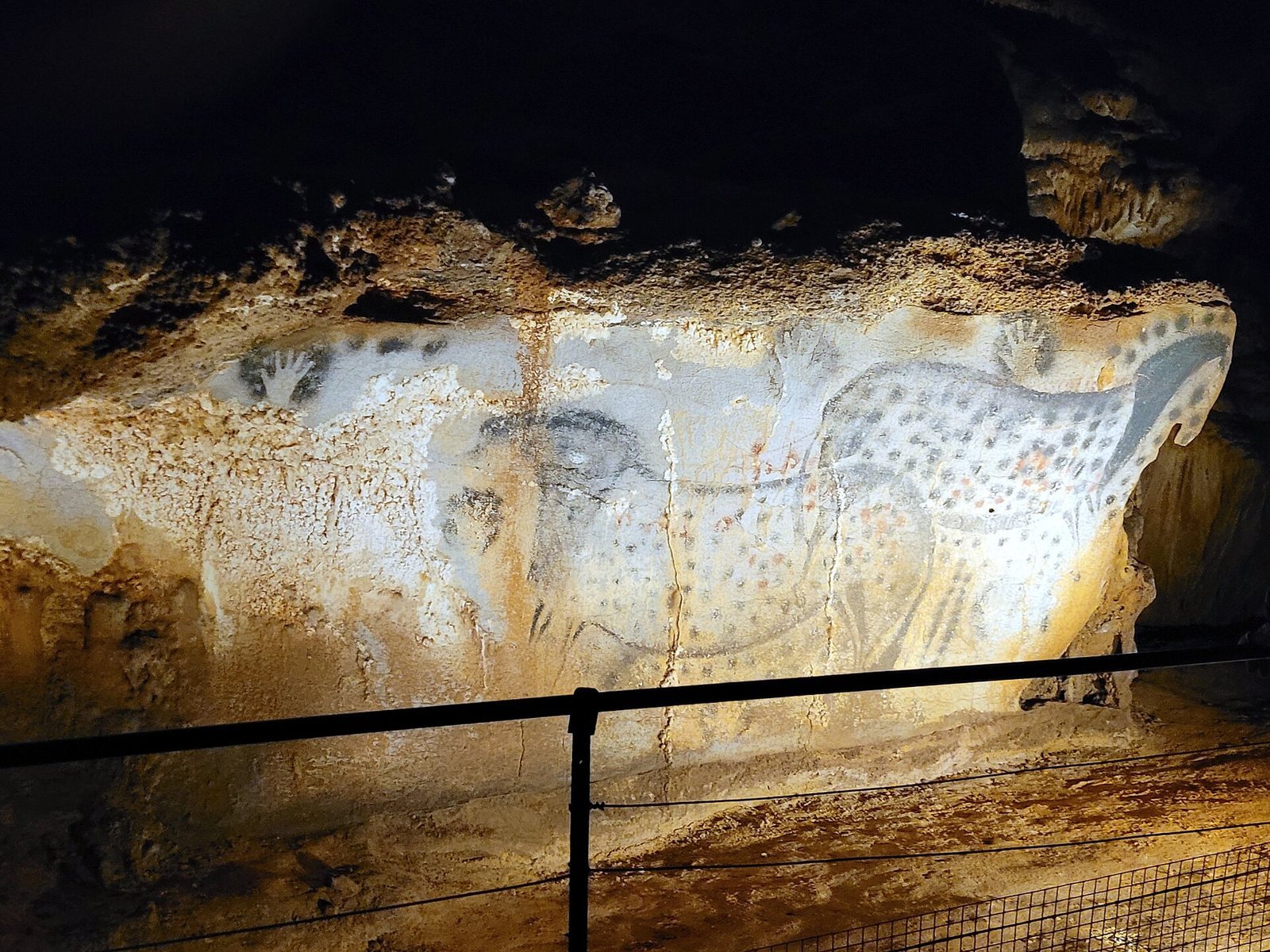
This complex composition, probably made in several stages, covers a block 3.6 metres long and 1.65 metres high. Its right edge resembles a horse’s head, while two horses face away from one another. A large, finely outlined red fish may represent a sturgeon or pike. The panel also has the red outline of another horse’s neck, six black negative handprints (outlines made by spraying pigment around a hand), seven red marks from folded thumbs, a red circle enclosing an oval, and 252 dots, 28 red and the rest black. Analyses of the black pigment found manganese and barium oxides as well as charcoal.
Dean Snow proposed that the hands might belong to women, using the Manning index, a method described as unreliable. The proposal has been connected with wider reassessments of women’s roles in prehistoric art. A separate, well-preserved hand image is dated to about 18,000 BC and has been interpreted as probably female because of its narrow wrist. It was made by placing a hand against the wall and spraying pigment around it.
Hieroglyphs panel
The panel known as the Hieroglyphs spreads intertwined finger-traced lines across nearly 40 square metres of clay ceiling. It includes 13 figures of mammoths and women with pendulous breasts, as well as circular signs. “Hieroglyphs” is an imprecise name for these marks.
Women-Bison panel
Eight silhouettes make up the Women-Bison panel. Leroi-Gourhan interpreted bison and aurochs as female symbols and read the figures as transformations between animal and woman. Lorblanchet considered them stylized women, while allowing that they might also evoke animals. Other readings connect them with “women-mammoths” or with a swan-woman story in which a bison takes the bird’s place.
Wounded Man panel
The panel called the Wounded Man shows a rudimentary red human figure with an elongated head. Four strokes appear on each side of the body. A straight line runs from the nape to a double, roof-shaped sign.
Combel gallery
The Combel gallery contains red dots, horses, a lioness, and fantastic creatures described as resembling antelopes.