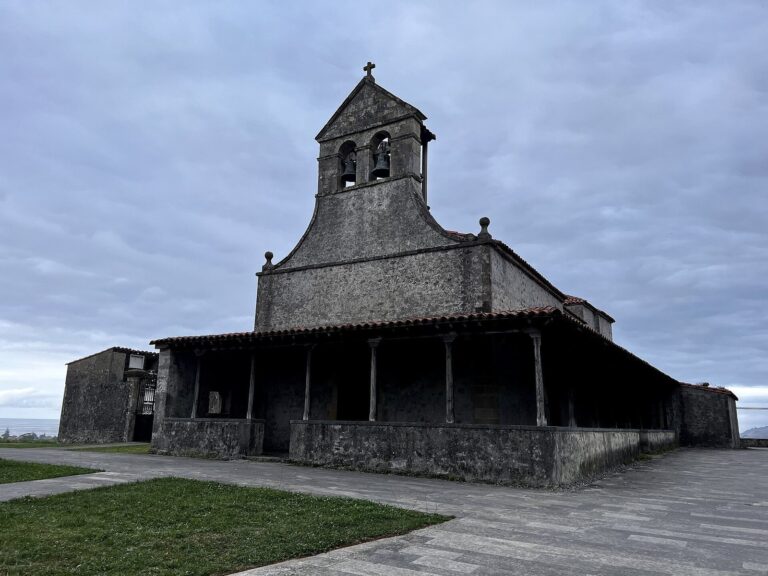
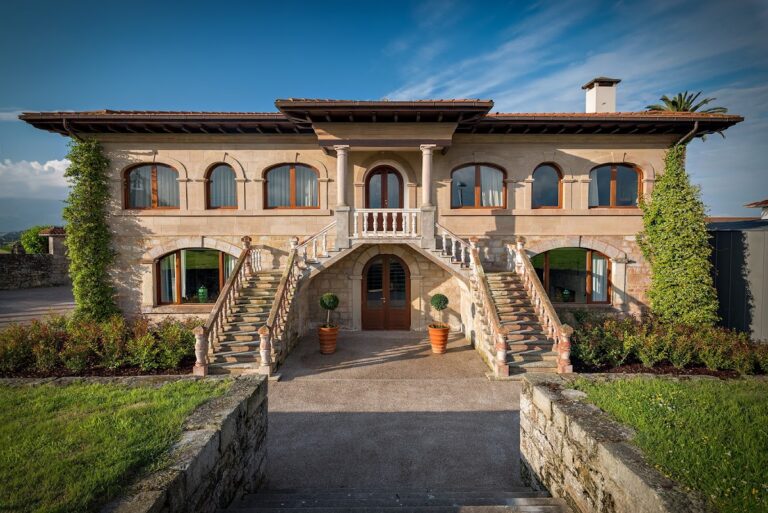
Tito Bustillo Cave: A Paleolithic Cave-Art Site in Spain
Site at a Glance
- Popularity
- High
- Country
- Spain
- Primary era
- Stone Age
- Eras represented
- Stone Age, Modern
- Civilizations
- Spanish
- Site type
- Civic
- Remains
- Rock Art
On this page13 sections
History
Tito Bustillo Cave is a Paleolithic cave at Ribadesella in Asturias, Spain. It preserves evidence of prehistoric occupation and an extensive sequence of painted and engraved art.
Upper Paleolithic occupation
Human activity is especially well established during the Magdalenian, a culture of the Upper Paleolithic, although people probably used the cave earlier. Neanderthals occupied it early in the Upper Paleolithic, followed by Homo sapiens, the species to which living humans belong. The cave’s art has been placed within a sequence extending from the late Solutrean, an earlier Upper Paleolithic culture, to the middle Magdalenian. A group of paintings is dated to about 11,600–11,200 BC and assigned to the final Magdalenian, phases V–VI.
Discovery and modern history
A rockfall sealed the original entrance after the Magdalenian period, helping to protect paintings, tools, and other objects inside. In 1968, the Torreblanca caving group found the cave with guidance from young people from Ribadesella; Celestino Fernández Bustillo’s sister was among those who first entered it. Three weeks later, group member Fernández Bustillo, known as Tito Bustillo, died in a mountaineering accident. The cave was subsequently named in his memory.
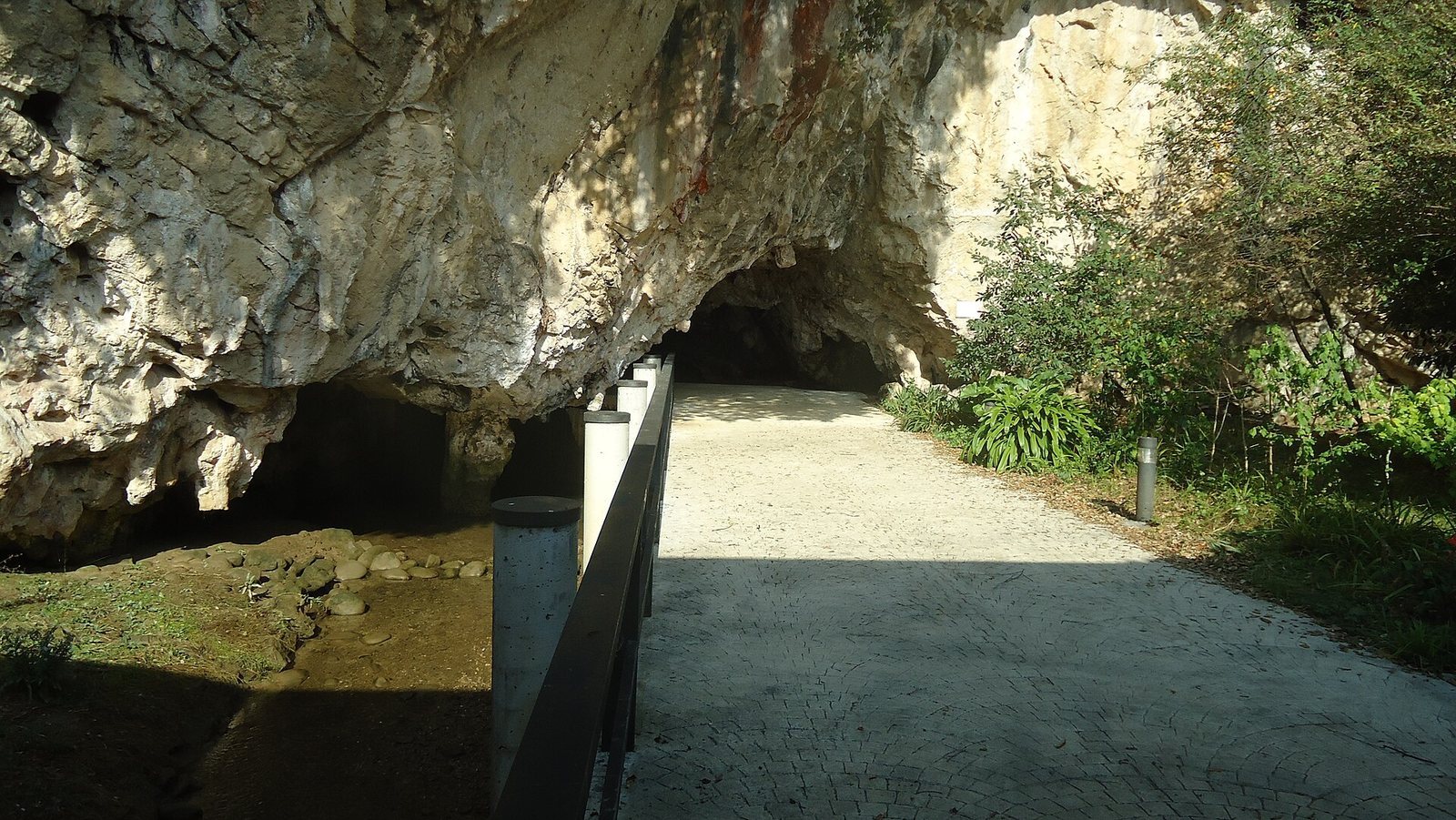
In 1969, the regional body responsible for prehistoric caves in Asturias reopened the blocked entrance. The following year, it cut a separate 165-metre passage through the rock, replacing an approach from Ribadesella that covered roughly three kilometres and included travel on foot. The cave received Spanish monument designation on 12 March 1970. In 2008 it was added to the UNESCO World Heritage property Cave of Altamira and Paleolithic Cave Art of Northern Spain, inscribed in 1985.
Remains
Cave layout
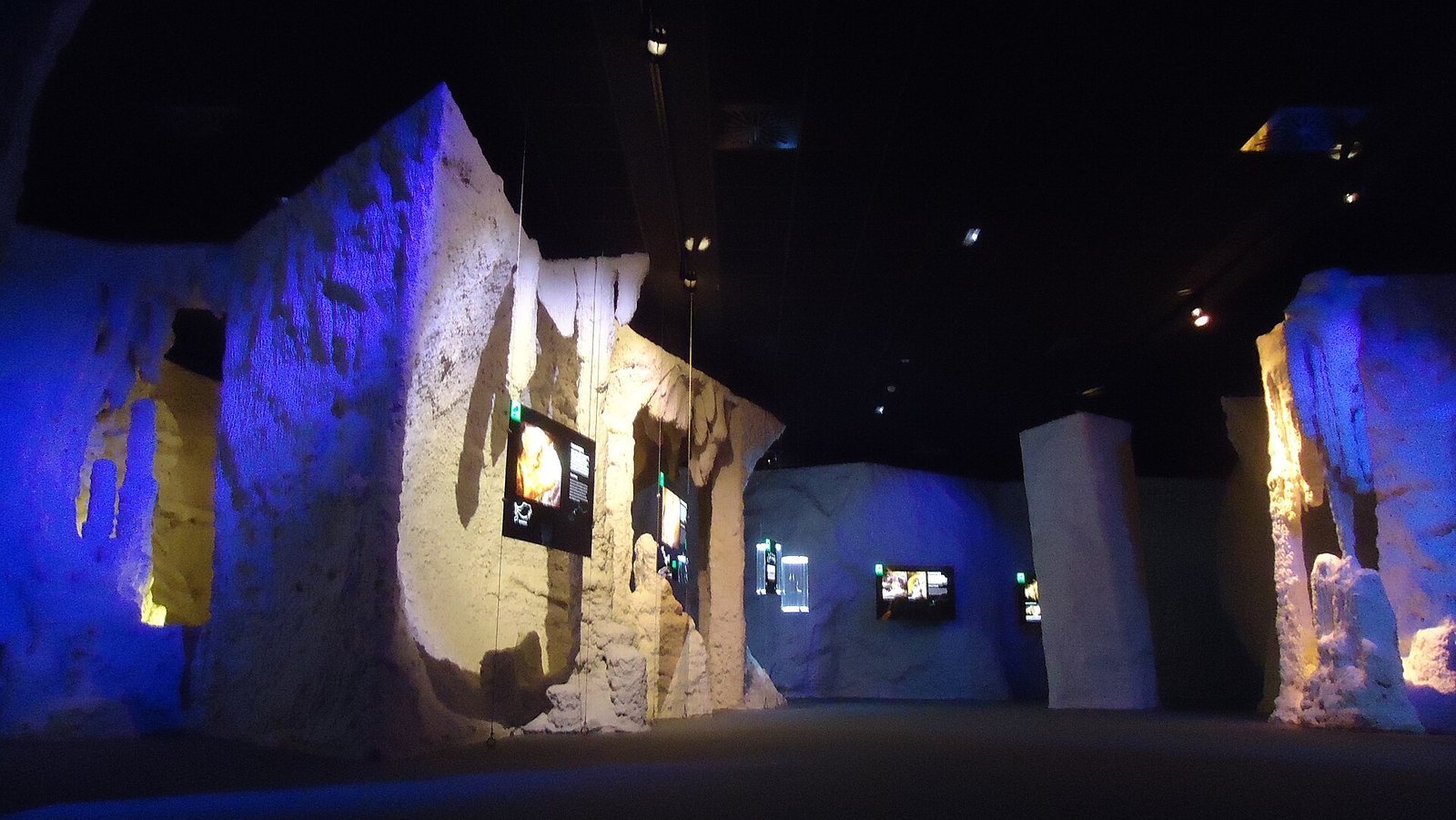
Three branches of the cave meet at a chamber. The principal gallery runs for 540 metres to this junction, and a later rockfall blocked it at some point. The original entrance is on the west side and the current entrance on the east. Near the original opening, an extensive archaeological deposit has been interpreted as a prehistoric kitchen, with utensils linked to people who used that entrance. A ravine about 20 metres deep lies to the right of the approach to the painted chamber, with a stream at its bottom.
Painted and engraved chambers
The cave contains 12 panels of prehistoric art. The images use black, red, violet, and earth colours; some figures are more than two metres long. Artists combined solid areas of colour with soft shading to suggest light and shade. Most painted forms also have engraved outlines, made with strokes that range from deep cuts to very fine lines.
Horse at the junction
A large horse at the three-way junction is painted in a very dark red, close to purple. Floodwater later crossed the rock and softened parts of its outline.
Deer and horse images
In the main painted chamber, red marks lead into images of two deer that appear to run one behind the other. Their black outlines enclose faint brown colour. Nearby stains and lines have been read as traces of other figures, alongside a small reindeer and a deer lower down. Another horse, about 1.75 metres long, uses solid areas of natural sienna, purple, and black. A large, indistinct black image lies beneath it.
Broad panel of animals and signs
On a broad, smooth panel, a black-outlined doe marks one end and a horse’s head, also outlined in black, the other. Between them are five horses, two male reindeer, a female reindeer, and a deer. Engravings on the same panel depict two horses, two roof-shaped signs, a stag’s head, a hind’s head, a bovine, and two additional deer heads.
Other panels and the deep-cave figure
A panel opposite the large painted surface preserves identifiable images of a cow and a bison. Elsewhere, animal depictions include horses, deer, moose, and a marine creature tentatively identified as a whale. In a niche marked with red, shield-shaped signs have been interpreted as images of female vulvas; one appears hairy. Their possible connection with fertility, and the wider suggestion that some images served a ritual purpose related to hunting, remain interpretations.
A human-like figure combining male and female characteristics was found in 2000 in the cave’s deepest, least accessible area. Radiocarbon dating places it at about 33,000 years old, making it the oldest known painting in the cave. The proposal that Neanderthals made it has not been established.
Objects and scientific evidence
Prehistoric objects and pigments
Objects preserved in the cave include Magdalenian bone harpoons and a goat’s head carved from deer antler. Analyses of the paintings identified hematite as the main red pigment, with particles in three size classes below 1, 10, and 30 micrometres. Some samples also contain wüstite, amorphous carbon, manganese, or anatase; one painting contains hydroxyapatite. Calcite, alpha-quartz, and clay served as materials that held pigment together or helped it adhere. The ochre examined did not originate in the cave, although local ochre may have been used in two paintings.
Bacterial analysis
Analyses carried out at Tito Bustillo and Altamira in 1999 found diverse actinomycetes, a group of bacteria, among the Gram-positive bacteria, classified by how their cell walls retain a stain. Streptomyces was the most abundant genus. Other identified genera included Nocardia, Rhodococcus, Nocardioides, Amycolatopsis, Saccharothrix, Brevibacterium, and Microbacterium, as well as spherical actinomycetes.