Castro de Las Rabas: A Pre-Roman Fortified Settlement in Cantabria
Site at a Glance
- Rating
- 1
- Popularity
- Very Low
- Country
- Spain
- Primary era
- Classical
- Eras represented
- Classical
- Civilizations
- Unclassified
- Site type
- Military
- Remains
- Fortified Town
On this page4 sections
History
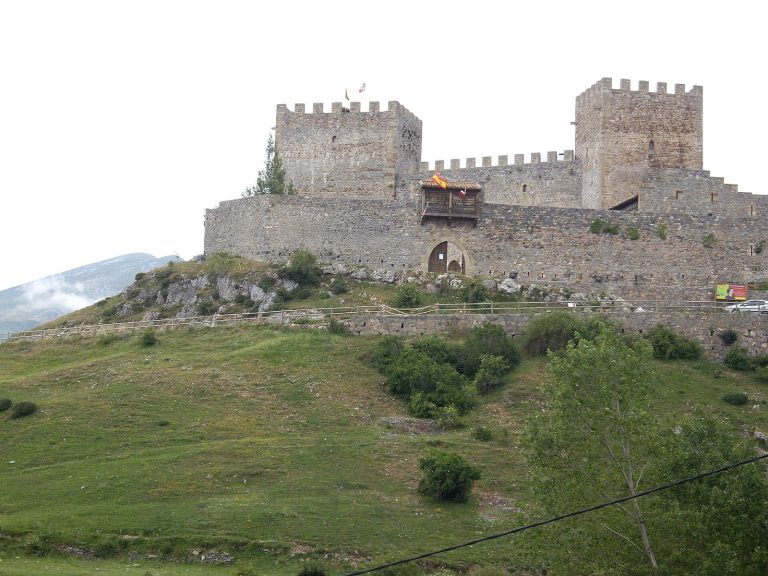
Castro de Las Rabas is a pre-Roman fortified settlement near Celada Marlantes in Cantabria, Spain. Archaeological remains date to the first century BC, before Roman control of the district.
Discovery and the Roman advance
The site came to light through investigations connected with work at the Roman settlement of Julióbriga, which began in the 1950s. Research into a Roman road that followed the Besaya River toward the coast led to the discovery of remains at Las Rabas.
Excavations in 1968 and 1969 revealed a violent end to the settlement. Archaeologist Eduardo Peralta Labrador interpreted it as either abandoned or captured by force during Rome’s advance toward the headwaters of the Ebro. He argued that controlling routes into the district was the settlement’s main purpose, including the route over the Peña Cutral pass and the corridor along the Marlantes River through Sopeña.
About 800 metres from the castro, two Roman campaign camps, one built over the other, are associated with the Cantabrian Wars of 29–16 BC. These were Roman campaigns to conquer the peoples and territories of the region. The destruction at Las Rabas has been interpreted as evidence that troops from the earlier camp besieged and captured the settlement from its most accessible approach. Investigations at La Poza in 2003 and 2004 examined the camps; a gas pipeline built in the 1980s had partly damaged the area.
Roman control and later continuity
After Rome took control of the area, a smaller camp was established at La Poza on the same site and alignment as an earlier camp, which had been abandoned. It was presumably intended to accommodate a detachment of the Fourth Macedonian Legion, a Roman army formation numbering no more than 5,000. The force’s duties included maintaining order and, especially, building transport infrastructure for the administration of the territory.
An early medieval cemetery found during pipeline works at Convento de Santa Olalla, near the castro and Celada Marlantes, points to continued settlement in the district. Since 2004, Castro de Las Rabas has been protected as a Cantabrian Asset of Cultural Interest, Spain’s formal heritage designation.
Remains
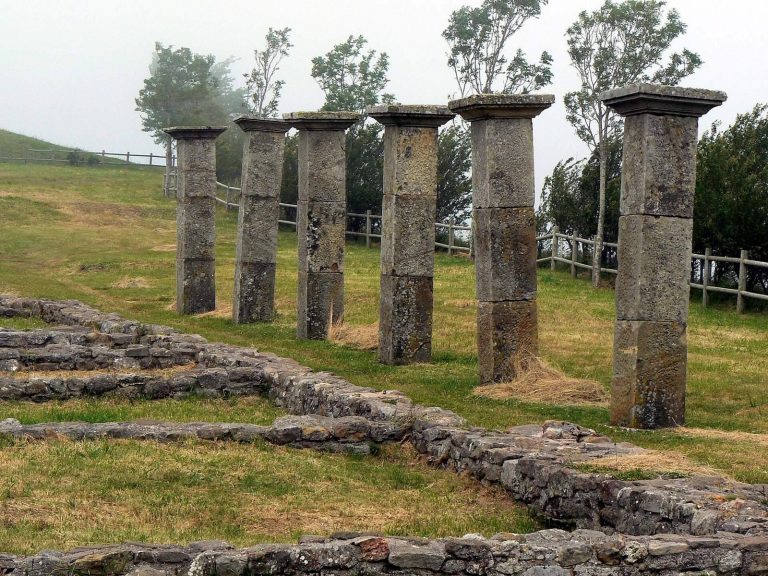
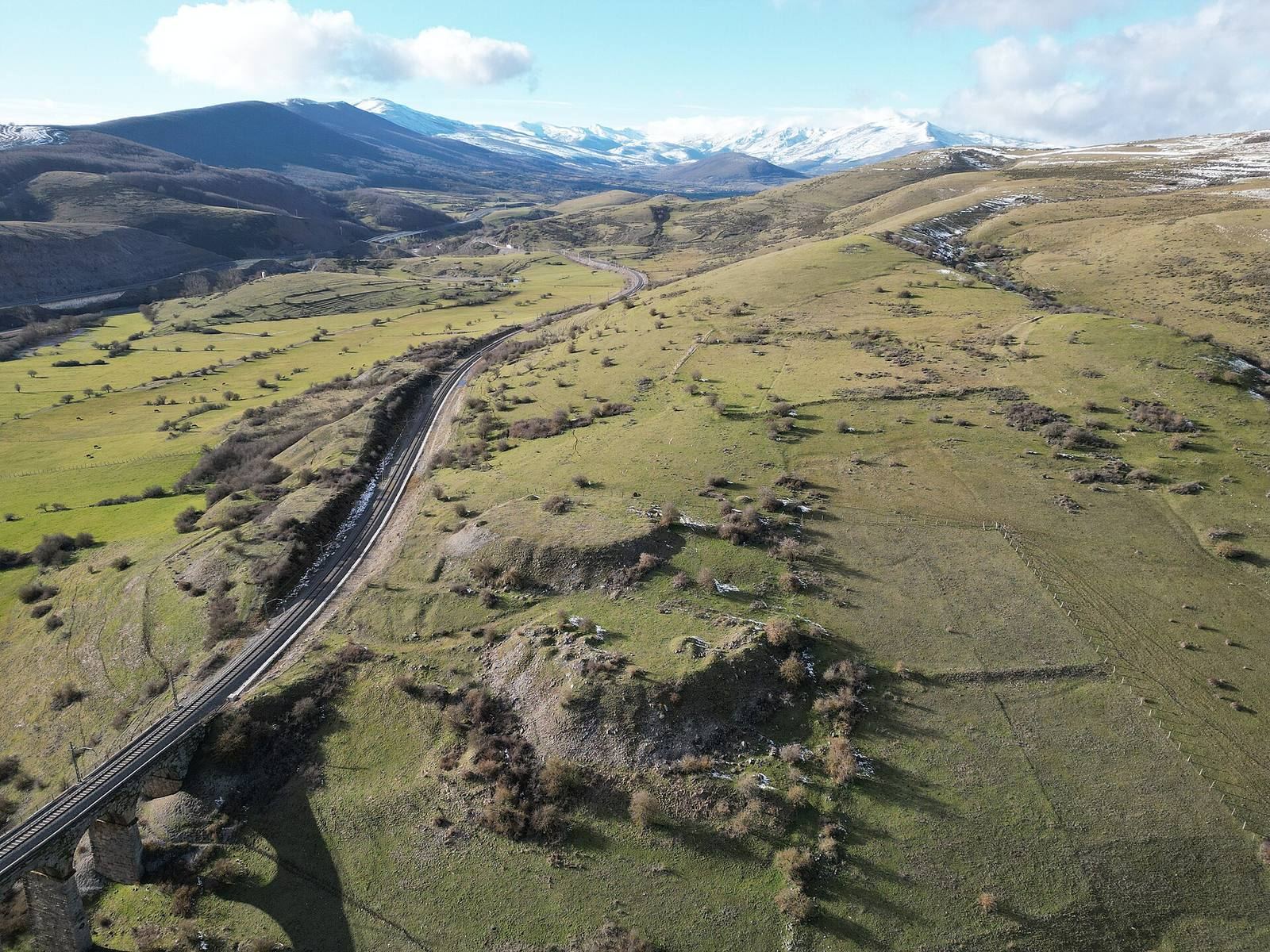
The site lies about 1.5 kilometres northwest of Celada Marlantes. Slightly higher hills, Las Encinas, La Mayuela, and las Quintanas, border it to the north and west, while the Marlantes River marks its topographical limits to the south and east. Excavation has focused mainly on the northern slope. In a hollow between that slope and the foothills of Alto de La Mayuela, the latest excavation campaign identified possible remains of circular hut floors.
Finds from the northern slope include abundant ceramics and metal objects. Most of the pottery is handmade, with impressed or incised decoration such as grooves, fingernail marks, and herringbone patterns. These designs are characteristic of Iron Age I, an archaeological label for one phase of Iron Age material culture, and earlier periods. A smaller group of fine-paste ceramics follows Celtiberian traditions, associated with ancient peoples of the Iberian Peninsula’s central and northeastern interior.
The metal finds include spearheads, curved knives, brooches, axes, and nails. Together, they indicate Iron Age II influences, a later phase of Iron Age material culture, layered over an earlier cultural foundation. Layers of burning exposed during the 1968 and 1969 excavations provide physical evidence of the settlement’s violent destruction.