Old Berg Church: A Medieval Parish Church in Norway
Site at a Glance
- Popularity
- Low
- Country
- Norway
- Primary era
- Medieval
- Eras represented
- Medieval, Early Modern
- Civilizations
- Denmark–Norway, Norwegian
- Site type
- Religious
- Remains
- Church
On this page9 sections
History
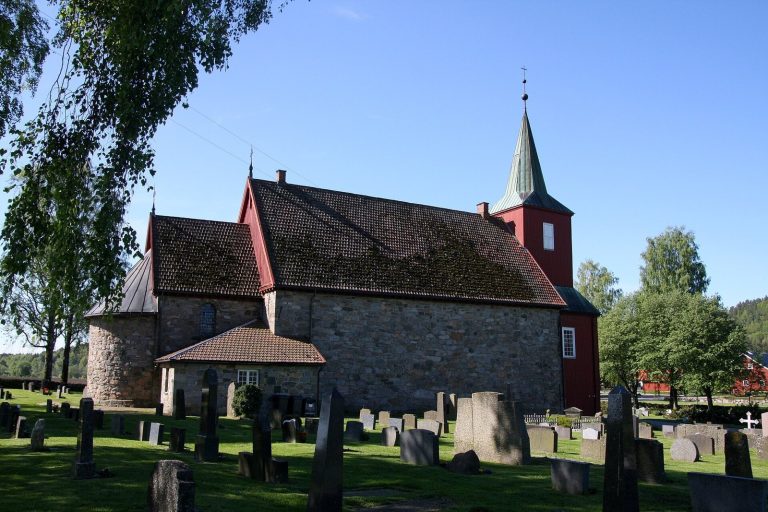
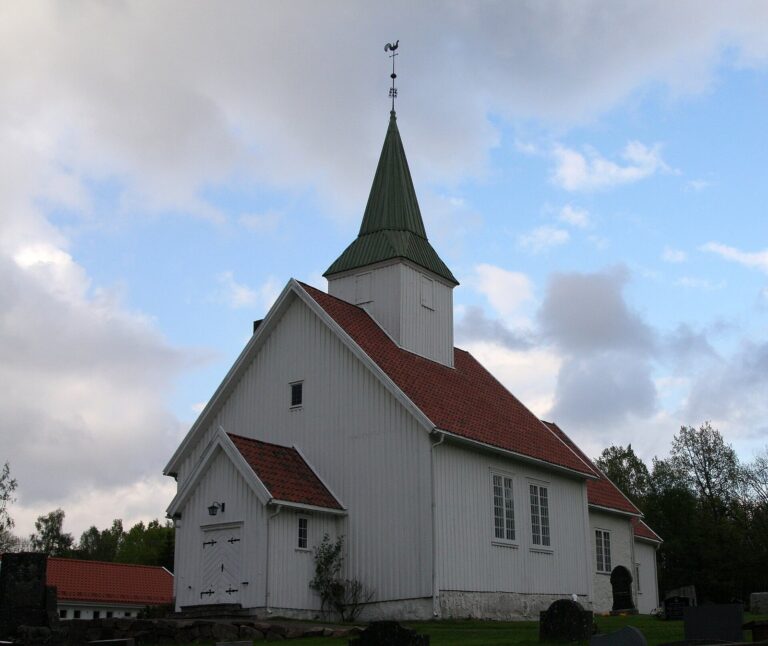
Old Berg Church is a stone church in Norway, probably built around 1100 in the Romanesque style, a medieval architectural tradition, with its nave and choir arranged along a lengthwise axis. It served Berg parish. Its construction date and original consecration date are uncertain, and the earliest surviving written record of the church is from 1398.
Parish church and religious change
Before the Reformation, the sixteenth-century movement that established Protestant churches in parts of Europe, Old Berg Church was Catholic. It later became an Evangelical Lutheran church within the Church of Norway, the country’s Lutheran church, and belonged to the Diocese of Tunsberg and Larvik deanery. After the Reformation it fell into disrepair, and its valuables were sent to Copenhagen. A restoration in 1592 returned it to use, and it remained the parish church until the nineteenth century.
Replacement and restoration
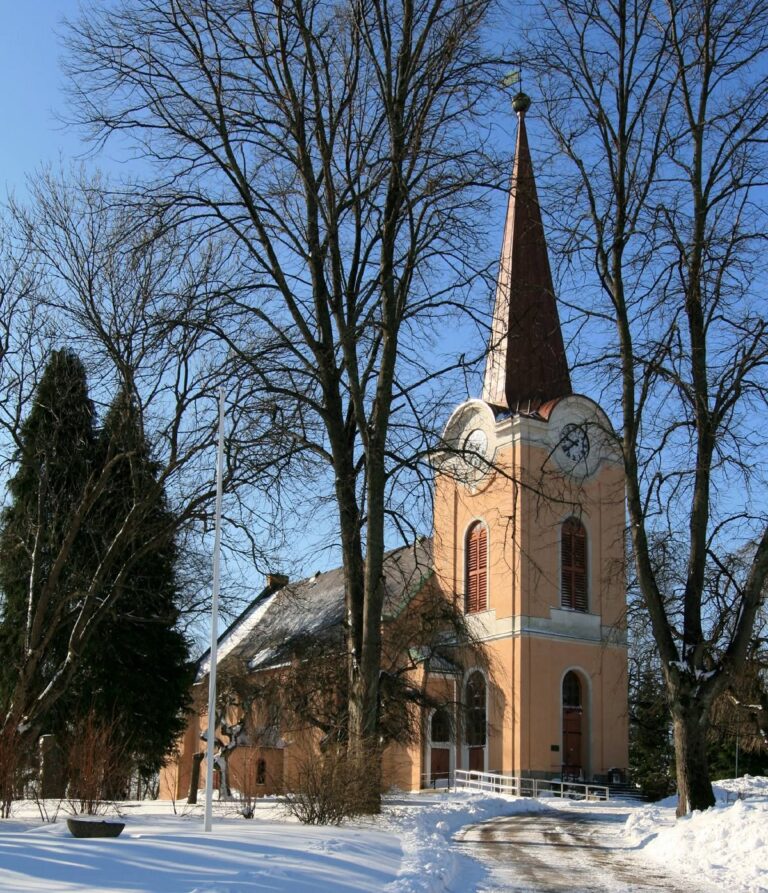
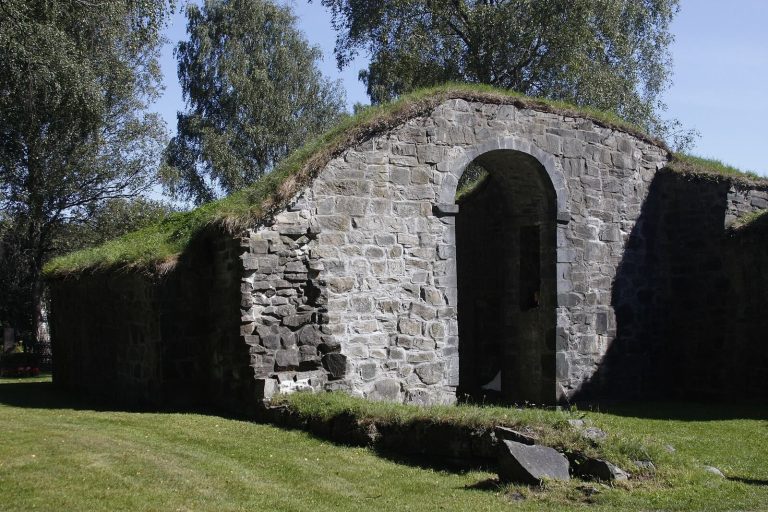
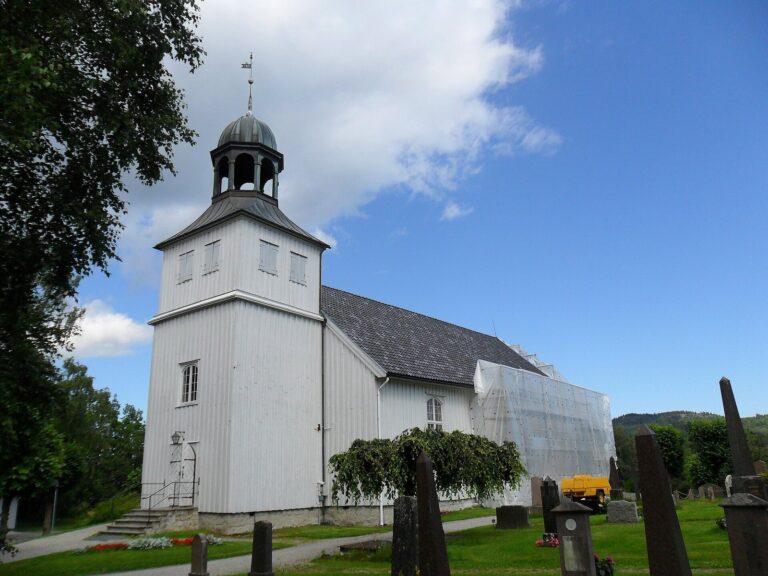
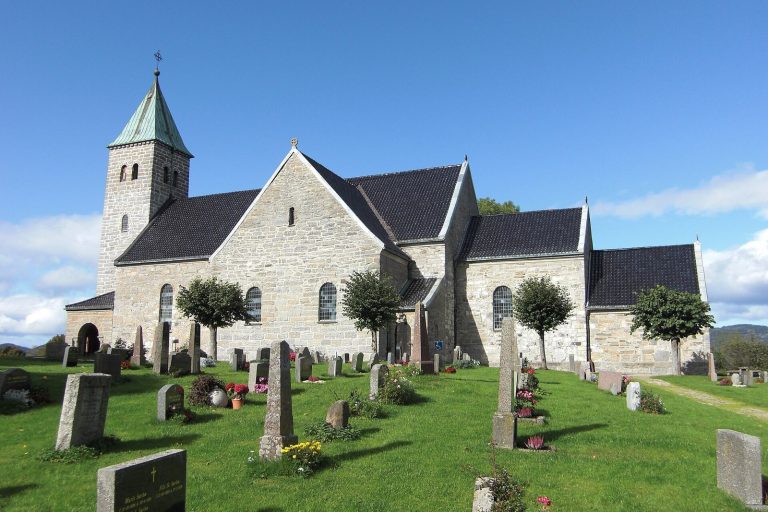
Because the old church was considered too small and in poor condition, a new wooden Berg Church was built uphill between 1875 and 1878. Consecrated in 1878, it took over as the parish church, ending regular use of the older building. Old Berg Church was demolished in 1882, although ruins remained; in 1911, some wall stones were taken for reuse at local farms.
Historical restoration began in the 1960s under Norwegian architect Finn Bryn. An excavation in 1968 recovered 324 coins, and the church was restored and re-erected to Bryn’s plans. It was re-consecrated on 13 September 1970. The church is automatically protected as a Norwegian cultural heritage site and is now used occasionally for worship, weddings, and concerts rather than as a regular parish church.
Remains
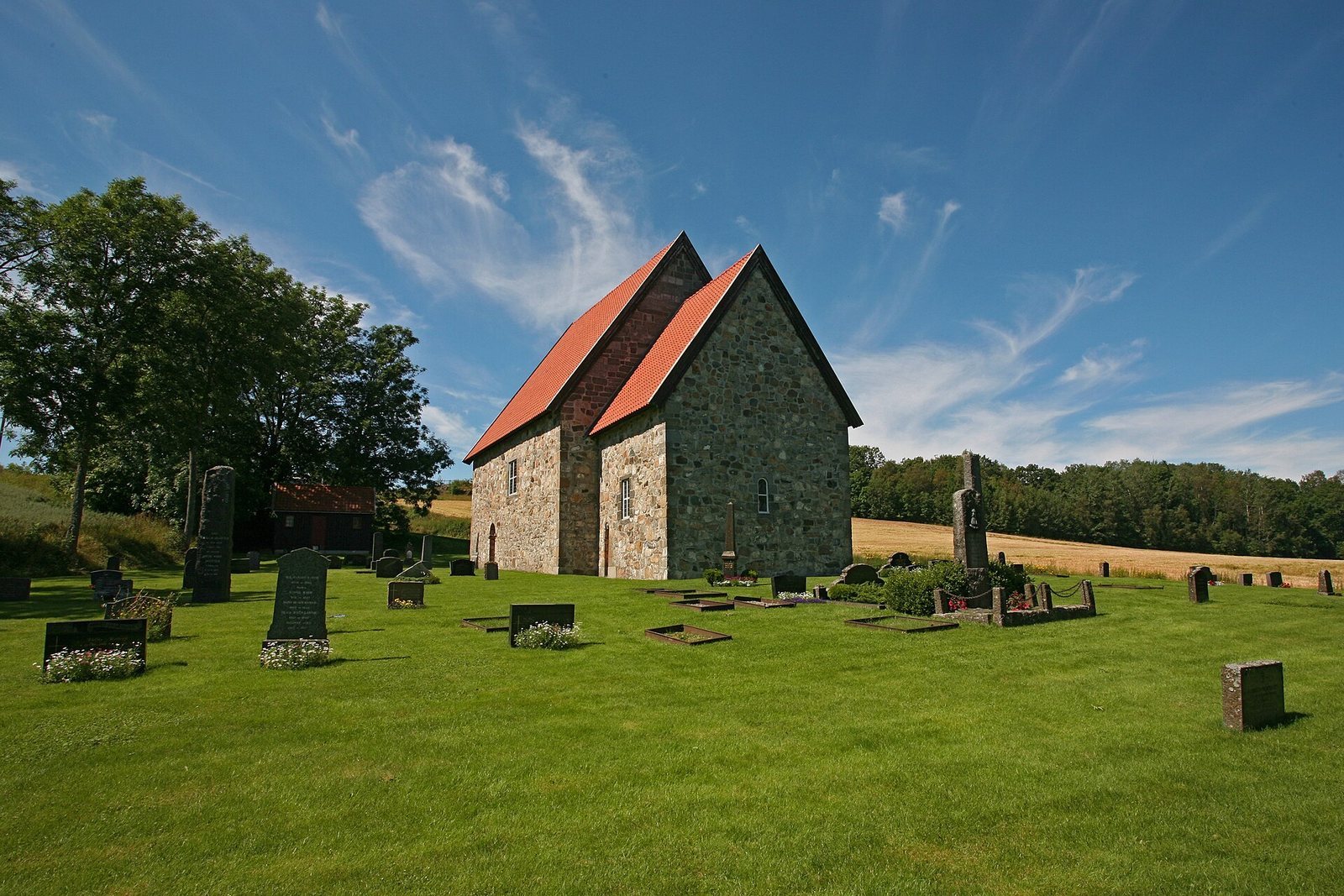
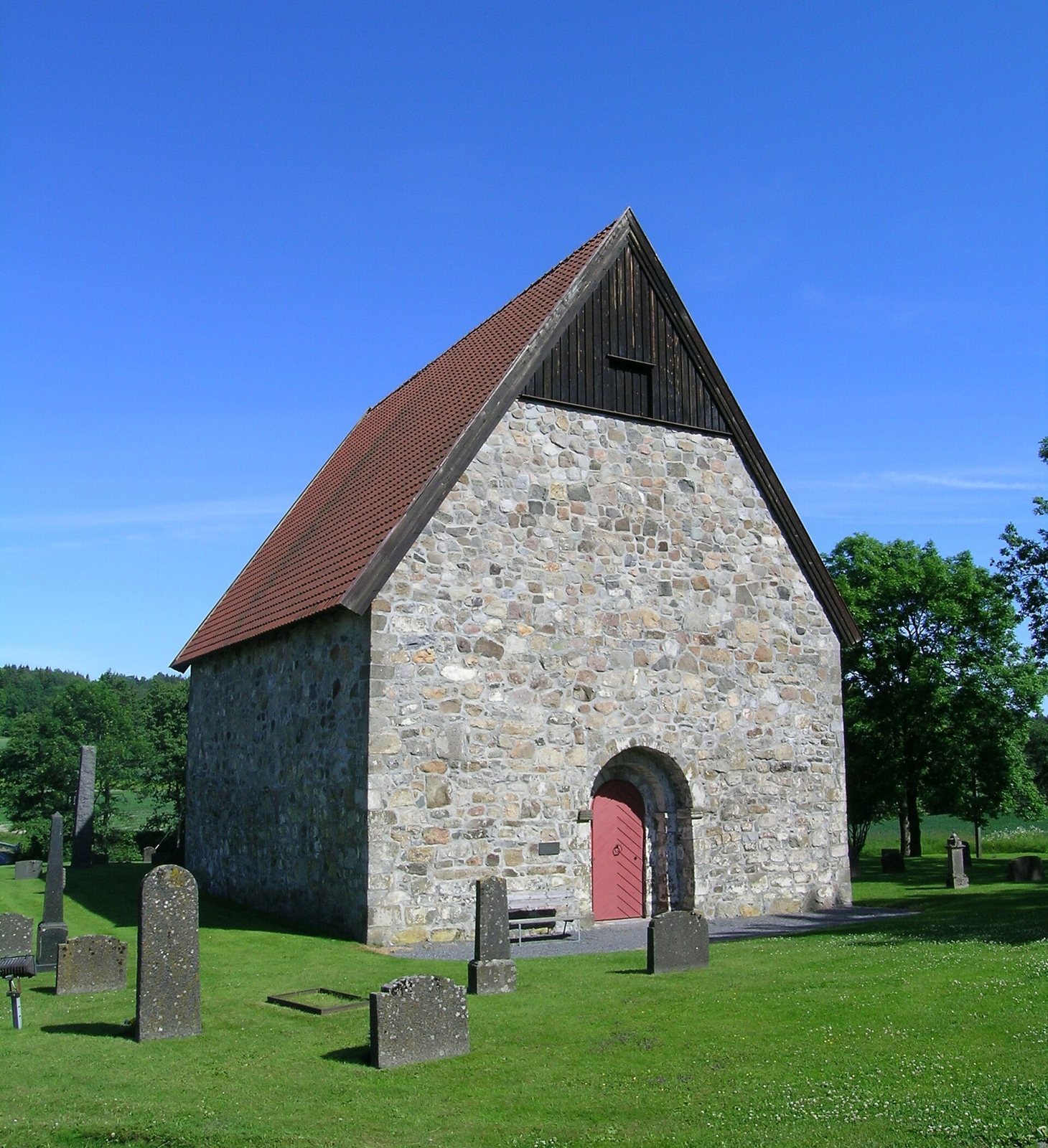
Plan and construction
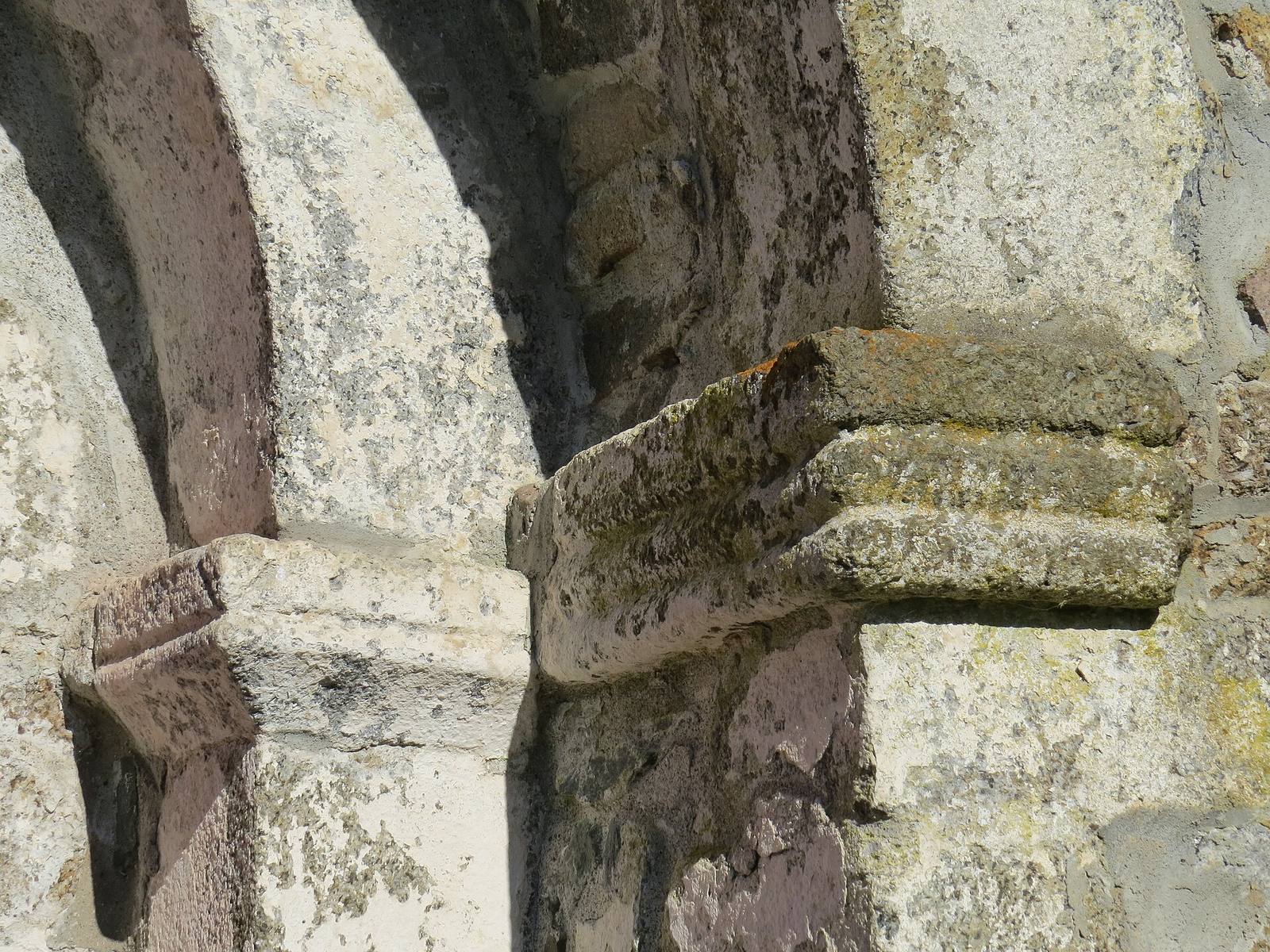
The church’s nave measures 11 by 8 metres, while the narrower, rectangular choir measures 5 by 5 metres and has a lower roofline. Together, these spaces form a lengthwise plan. Natural stones make up the walls, with the upper part of the nave’s west gable built of timber. The original design included a small skylight in the chancel gable, an earth floor covered with stones, and three doors: two in the nave and one in the chancel. The 1592 restoration added a window and enlarged the opening between the nave and choir. The building has seating for 122.
Old Berg Church stands about 50 metres from the Bergselva, which was close enough to the sea for some boats to travel upriver to the church. Old grave markers are found around the building, while the cemetery at the wooden church is also used.
Memorials and furnishings
Stone inscriptions and grave markers
A twelfth-century runestone, a stone bearing a runic inscription, is built into the wall to the left of the chancel arch. A separate gravestone, dated to the twelfth or thirteenth century, bears a roughly carved crucifix.
Interior memorials
A crucifix by Norwegian sculptor Joseph Grimeland is mounted above the chancel arch. On the north wall, an epitaph, a text commemorating the dead, concerns Dorthe Christensdatter and her family.
Furnishings and coins
The church retains its 1592 pulpit and a pair of candlesticks from the same period. A framed selection of the coins recovered in 1968 hangs inside, while most of the coins were transferred to the Museum of Cultural History in Oslo.