Nympsfield Long Barrow: A Prehistoric Chambered Burial Monument
Site at a Glance
- Popularity
- Low
- Country
- United Kingdom
- Primary era
- Stone Age
- Eras represented
- Stone Age
- Civilizations
- Unclassified
- Site type
- Burial
- Remains
- Burial Mound
On this page6 sections
History
Nympsfield Long Barrow is a prehistoric chambered burial monument near Dursley, Gloucestershire, United Kingdom. Built around 2800 BC, it belongs to the Cotswold–Severn group, an archaeological grouping of prehistoric monuments in the Cotswolds and Severn region. It is among the earliest barrows with separate burial chambers.
Construction and burial practices
Evidence from the forecourt suggests that burial ceremonies included meals, with fires and pig remains found in the area. The dead may have remained in the tomb for a set period after burial before an event led to its permanent sealing. Bird bones were also recovered. Nympsfield was once thought to be the only chambered barrow with such finds, but discoveries at other sites later showed that bird bones were not unique to it.
Later activity and investigation
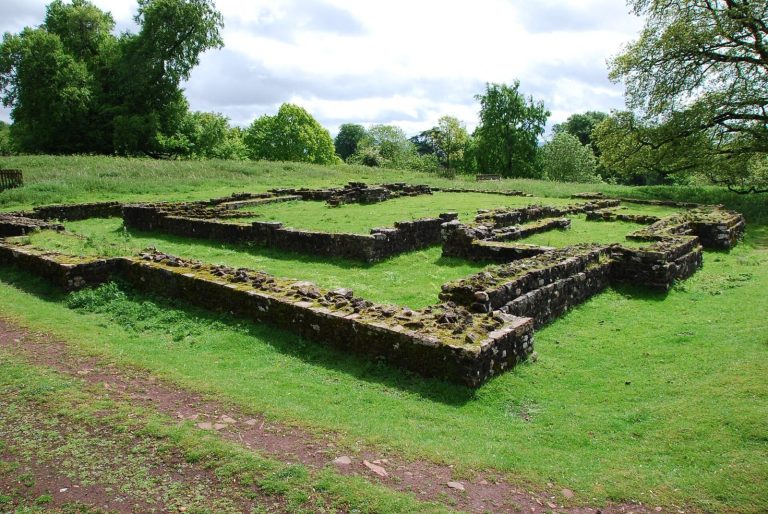
The site saw activity during the Iron Age, which followed the Bronze Age, and the Roman period, when Britain was under Roman rule. Excavations took place in 1862, in 1937 under Elsie Clifford, and in 1974 under A. Saville. Many objects recovered during this work are now held by Gloucester City Museum. The barrow is a Scheduled Monument, a nationally important archaeological site protected by law, and is in the guardianship of English Heritage, an organization involved in caring for historic sites.
Remains
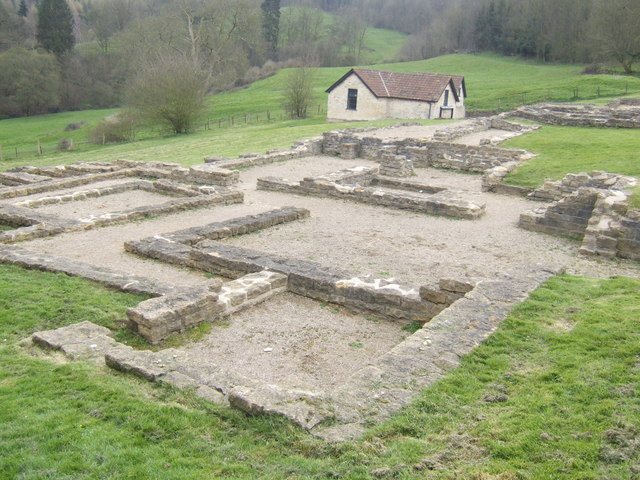
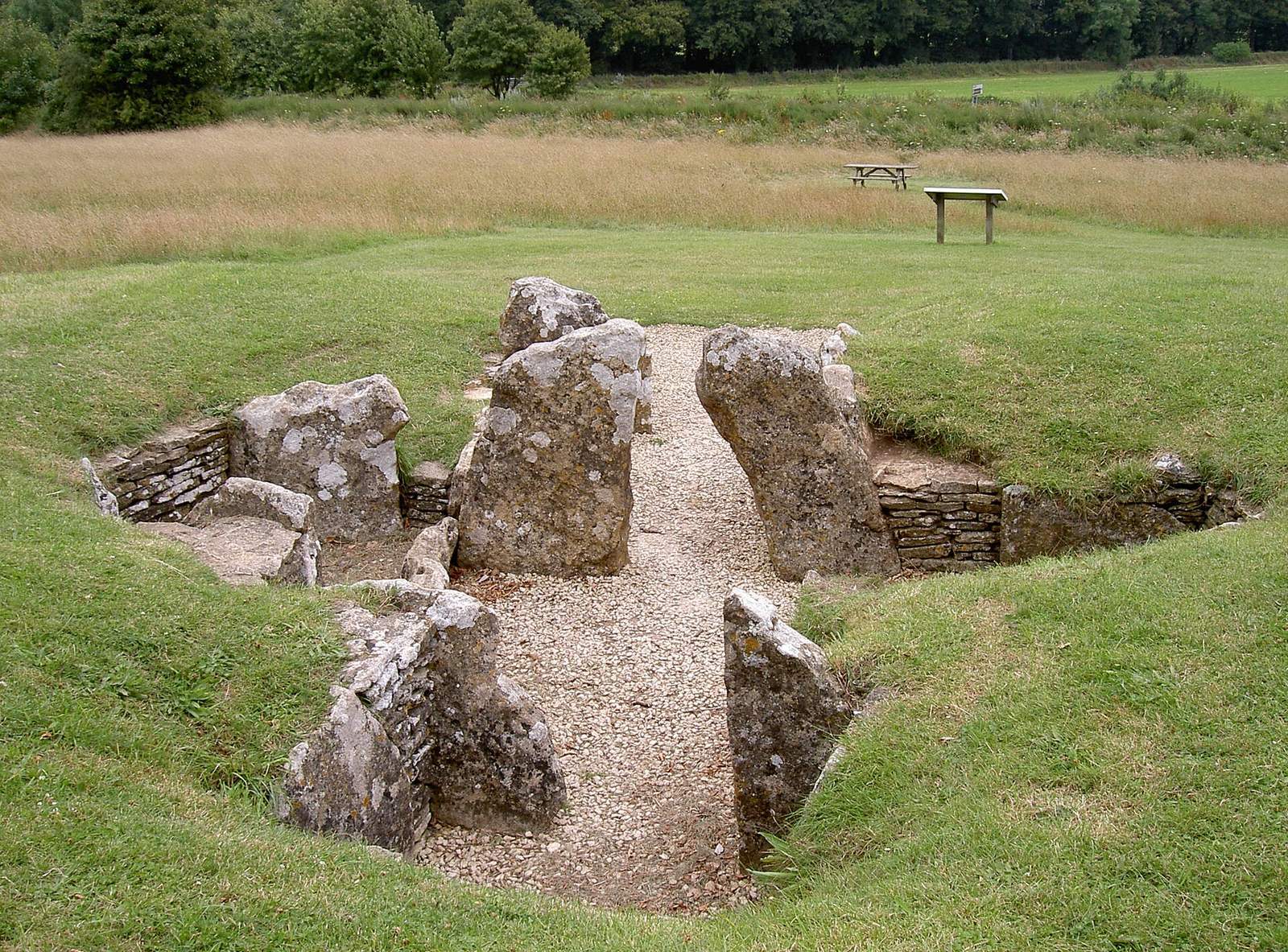
The remains lie in Coaley Peak Country Park, at the edge of woodland on the edge of a scarp formed from Jurassic oolitic limestone. The trapezoidal barrow measures about 27 by 18 metres, with its long axis running southeast to northwest. Its chambered structure is built from limestone blocks and has a cross-shaped plan. The layout is comparable to the chambered tombs at Uley Long Barrow and Notgrove.
Entrance and chambers
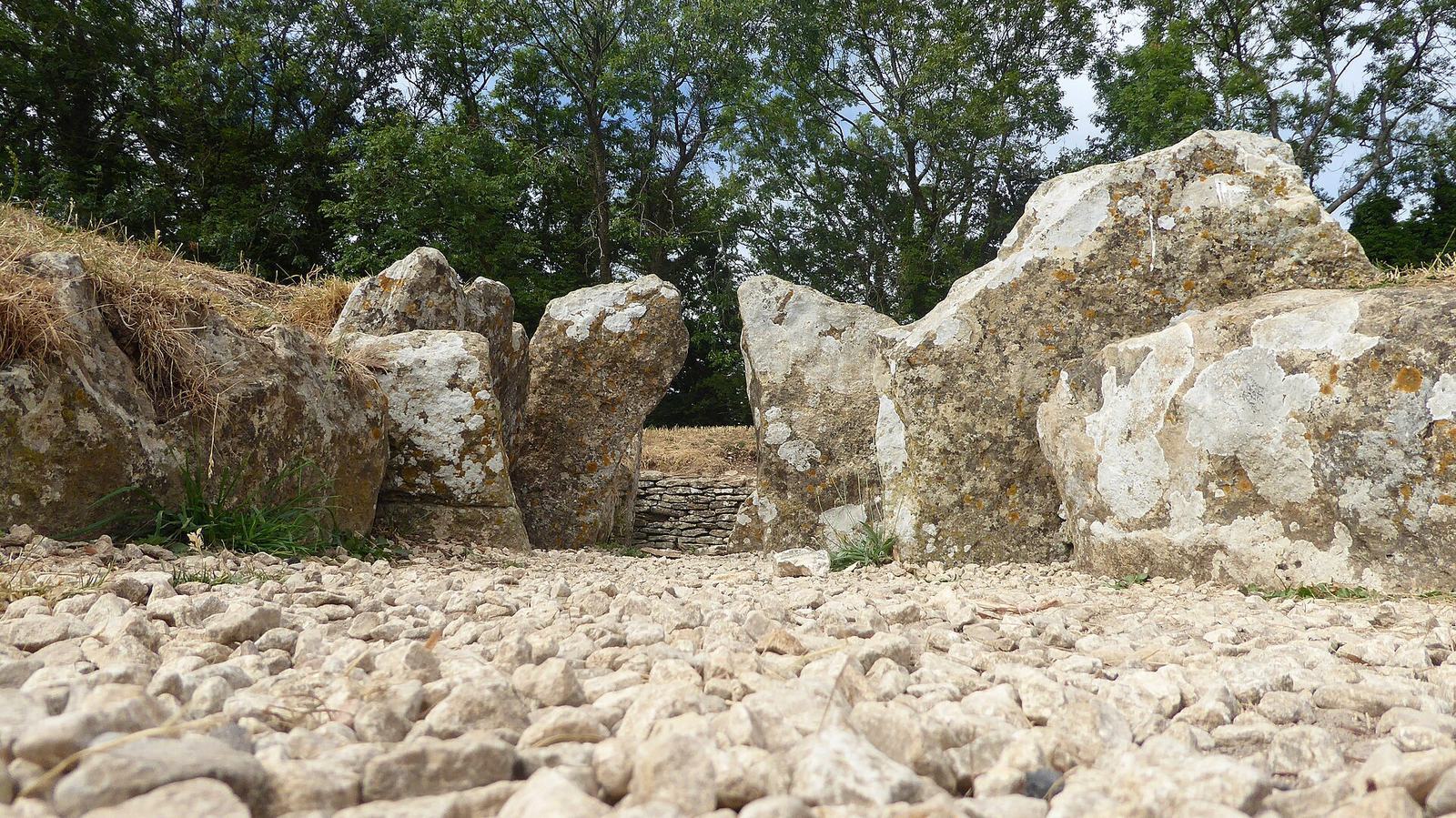
An entrance on the east leads past traces of curving walls to a square forecourt, which opens onto a central passage. Surviving traces of the forecourt and façade have made it possible to reconstruct their form. Three chambers lead from the passage: two larger chambers on the sides and a smaller one at its far end. Stones that narrowed the passages restricted access. Part of the northern chamber was separated as a small cist, a stone-built compartment for burial or human remains, where cremated remains of children were found.
Burials and excavated finds
Excavations recovered the remains of 23 people. Some bones were scorched, and many showed common health problems, including infections of the mouth and gums and abscesses. Traces of fire and pig bones came from the forecourt; pig bones and teeth were also present in material used to block the tomb. Dog bones were recovered, though their connection to the barrow’s original use is uncertain.
Haematite, an iron-rich mineral that can produce red pigment, was found in the mound and may have been used as face paint to make the dead appear alive. Other finds included a leaf-shaped arrowhead and pottery fragments. Two reconstructed vessels, a bowl and a necked jar, are classified as Ebbsfleet ware, a type of prehistoric pottery. Quartz pebbles found in blocking deposits at both ends of the barrow are characteristic of many long barrows in the Cotswold–Severn group and are thought to have held symbolic meaning.