Eliseg’s Pillar: A Ninth-Century Welsh Royal Memorial
Site at a Glance
- Popularity
- High
- Country
- United Kingdom
- Primary era
- Medieval
- Eras represented
- Bronze Age, Medieval
- Civilizations
- Unclassified
- Site type
- Civic
- Remains
- Monument
On this page9 sections
History
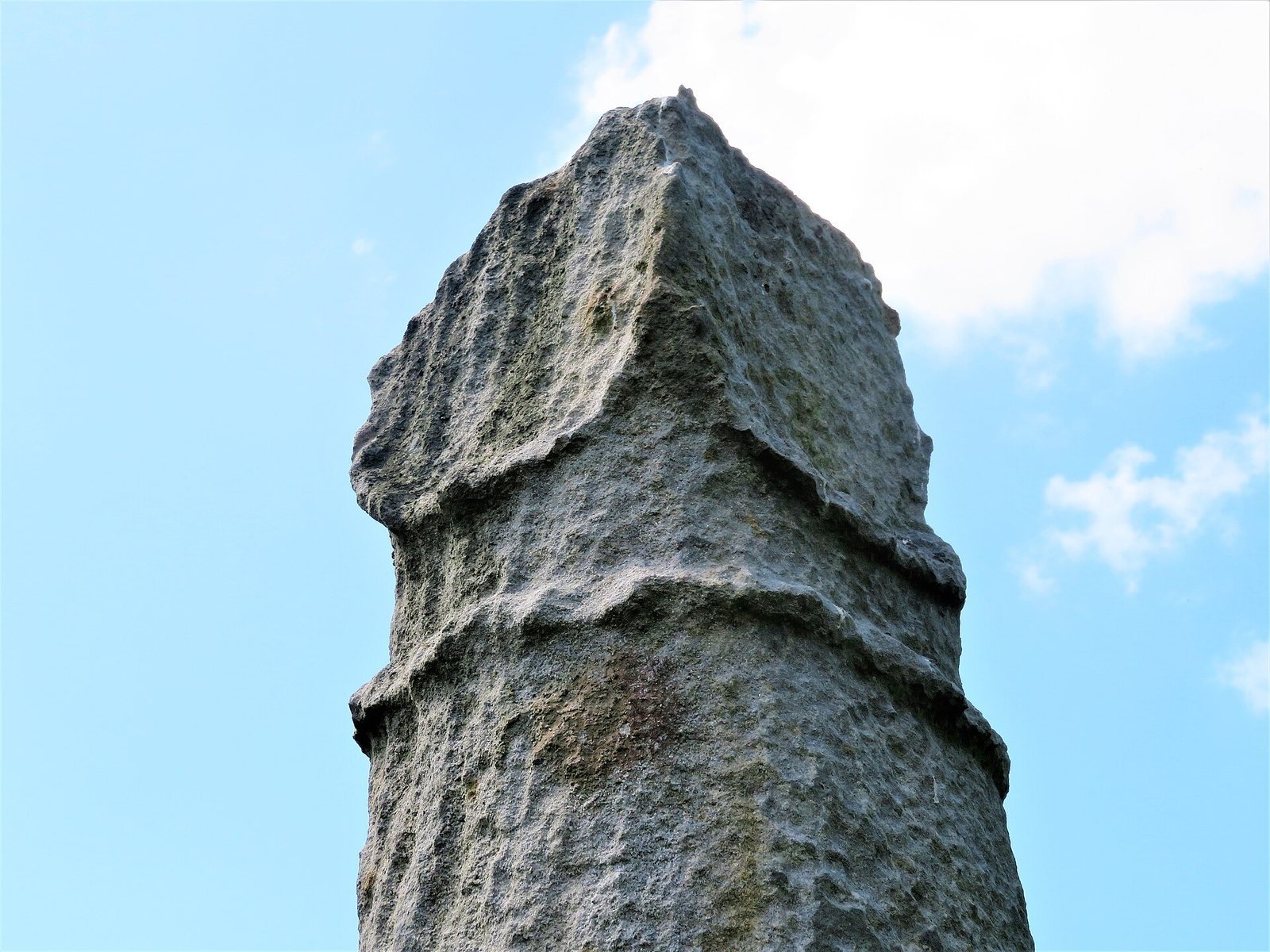
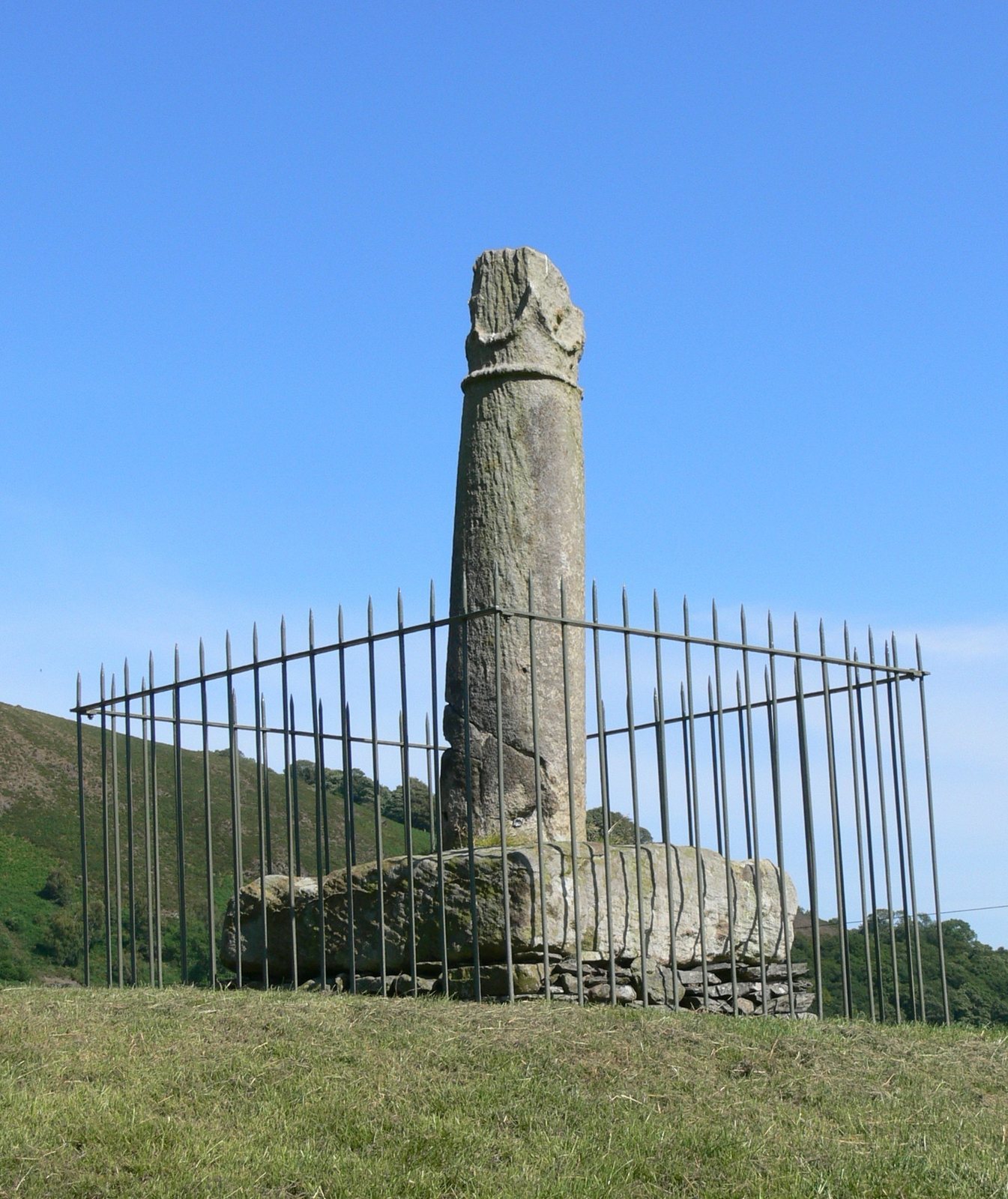
Eliseg’s Pillar, a ninth-century memorial in Llantysilio, Wales, United Kingdom, was erected by Cyngen ap Cadell, king of Powys, a medieval Welsh kingdom, in memory of his great-grandfather, Elisedd ap Gwylog. It stood within the lordship of Yale, a territorial jurisdiction. The monument commemorated Elisedd and also carried political meaning. The name Eliseg on the inscription is generally thought to be a carver’s mistake for Elisedd.
Cyngen’s inscription
The inscription links Concenn, Cattell, Brochmail and Eliseg, son of Guoillauc, in a royal lineage, and calls Concenn Eliseg’s great-grandson. It claims that Eliseg reclaimed Powys’s inheritance from the Angles, a people whose migrations and rule shaped early medieval Britain, by force of arms. A reference to nine years is uncertain, and a damaged passage describes Concenn’s actions concerning Powys and mentions a mountain.
Other surviving fragments name Maximus, Pascent, Maun Annan, Britu son of Vortigern, Germanus and Sevira, daughter of Maximus. The inscription portrays Maximus as a king who killed a Roman king. He is generally identified with Magnus Maximus, a Roman commander who became emperor in the fourth century; Vortigern is known as a British ruler from early medieval tradition, and Germanus is generally identified with Saint Germanus of Auxerre, a bishop associated with Britain. The inscription asks for prayers for Eliseg’s soul, credits Conmarch with writing it at Concenn’s request, and blesses Concenn, his household and Powys. The surviving text breaks off before the blessing ends. Its named figures also provide information relevant to the Historia Brittonum, an early medieval Latin history of Britain.
Damage and archaeological investigation
During the English Civil War, a conflict in which the Roundheads supported Parliament, Roundheads toppled the pillar and opened a grave beneath it. In 1696, Edward Lhuyd examined the monument and copied much of its inscription. His transcription is considered remarkably accurate. The lower half of the pillar was later lost, and its surviving upper portion was re-erected in 1779.
In 1773, landowner Trevor Lloyd said that he had examined the site and found a stone-built burial containing a skeleton and artifacts, which he removed. Project Eliseg excavated the mound in 2010, 2011 and 2012, establishing that it had been built in successive phases and used for burial.
Remains
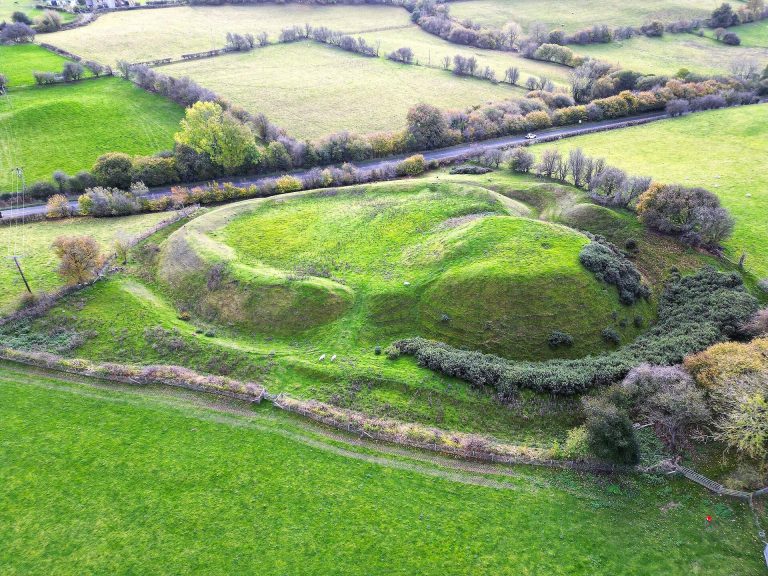
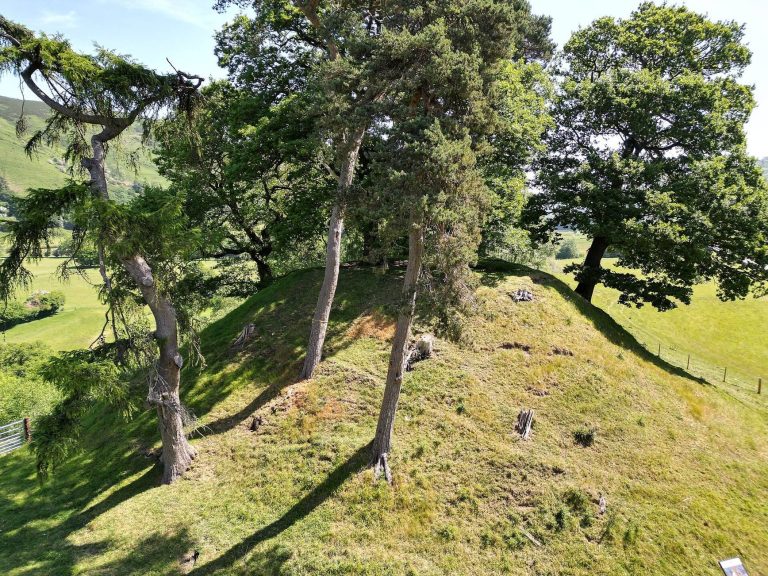
The inscribed pillar stands on a large artificial mound near Valle Crucis Abbey in Denbighshire, Wales. The mound is substantially older than the ninth-century monument and contains evidence of several construction and burial phases.
The pillar and inscription
The pillar bears a 31-line Latin inscription in insular script, a style of writing used in Britain and Ireland. The original text is now illegible. Lhuyd’s transcription preserves much of its wording.
The burial mound
Earliest stone platform
The earliest identified phase was a platform cairn, a flat-topped mound of stones, with a kerb around it. Its type dates to around 2000 BC. A small stone cist, or built burial container, held burnt human bone.
Raised mound and burials
In a later phase the mound was raised. One large cist, considered Early Bronze Age, contained no human remains. Another held 7 kg of cremated bone from multiple adults, juveniles and infants. A flint knife and a bone pin were also recovered.
Final construction phase
The mound’s final construction phase appears relatively recent and probably postdates the pillar’s re-erection.