Drykolle Hillfort: An Early Iron Age Fortified Site in Belarus
Site at a Glance
- Popularity
- Very Low
- Country
- Belarus
- Primary era
- Iron Age
- Eras represented
- Iron Age
- Civilizations
- Unclassified
- Site type
- Military
- Remains
- Fort
On this page6 sections
History
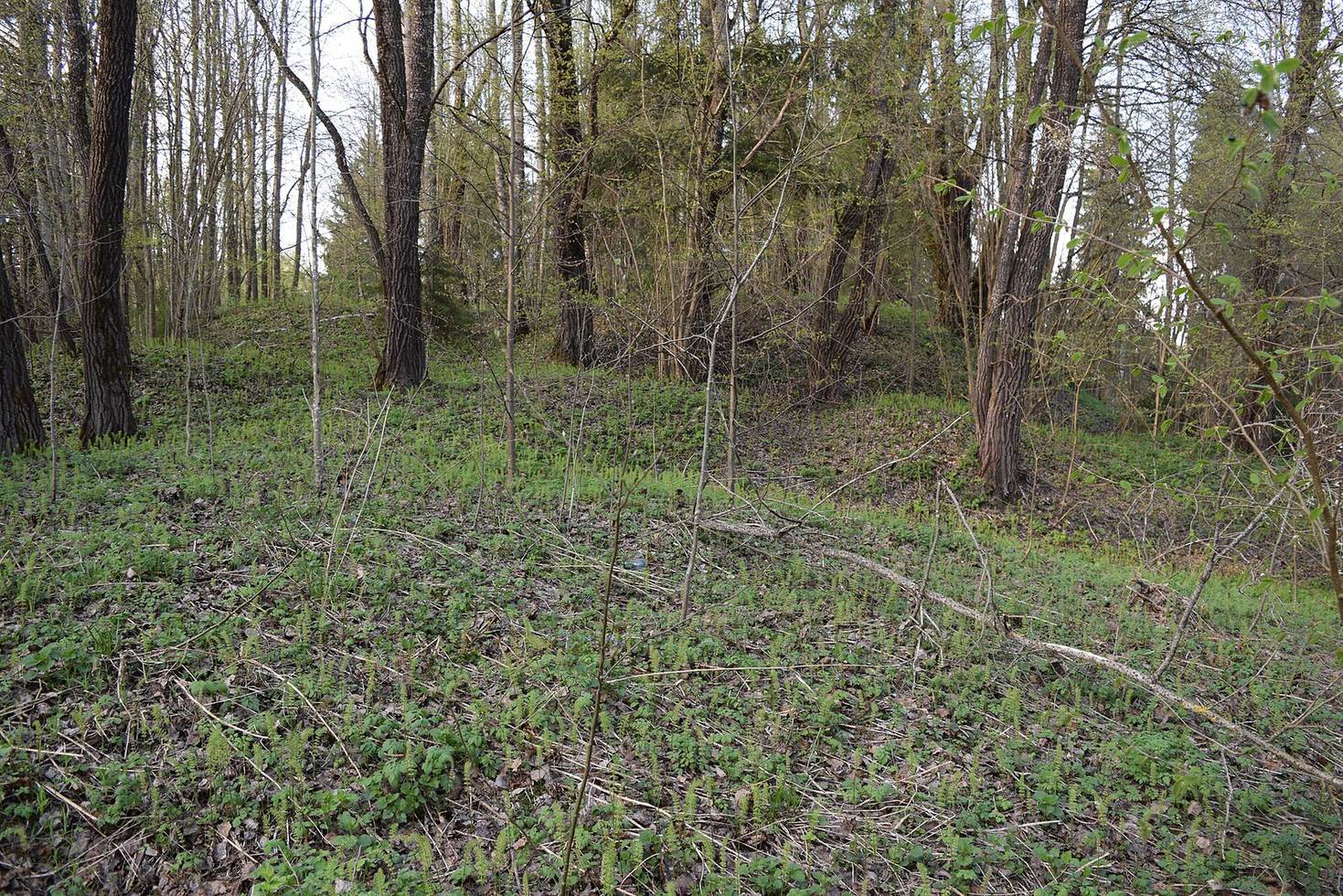
Drykolle Hillfort is an archaeological site fortified with earthworks in Belarus, about 2 km southwest of Drykolle village. It is dated to the Early Iron Age, an archaeological period associated with the adoption and use of iron, with a date range from the fifth century BCE to the fifth century CE. Its local name translates as “Church Site.”
Church and Later History
A church was later built on the hillfort, though its construction date is uncertain. It appears on a map dated 1867–1869 and on maps from the 1920s and 1930s. After World War II, the church fell into disrepair and local residents dismantled it for building materials.
Investigation and Protection
Soviet archaeologist Leonid Vasilyevich Alexeyev examined the hillfort in 1955, and further examinations took place in 1972 and 1981. In 2007, Belarus added the site to its list of historical and cultural values, a formal heritage-protection designation, under Council of Ministers Resolution No. 578 of 14 May.
Remains
Earthworks and Platform
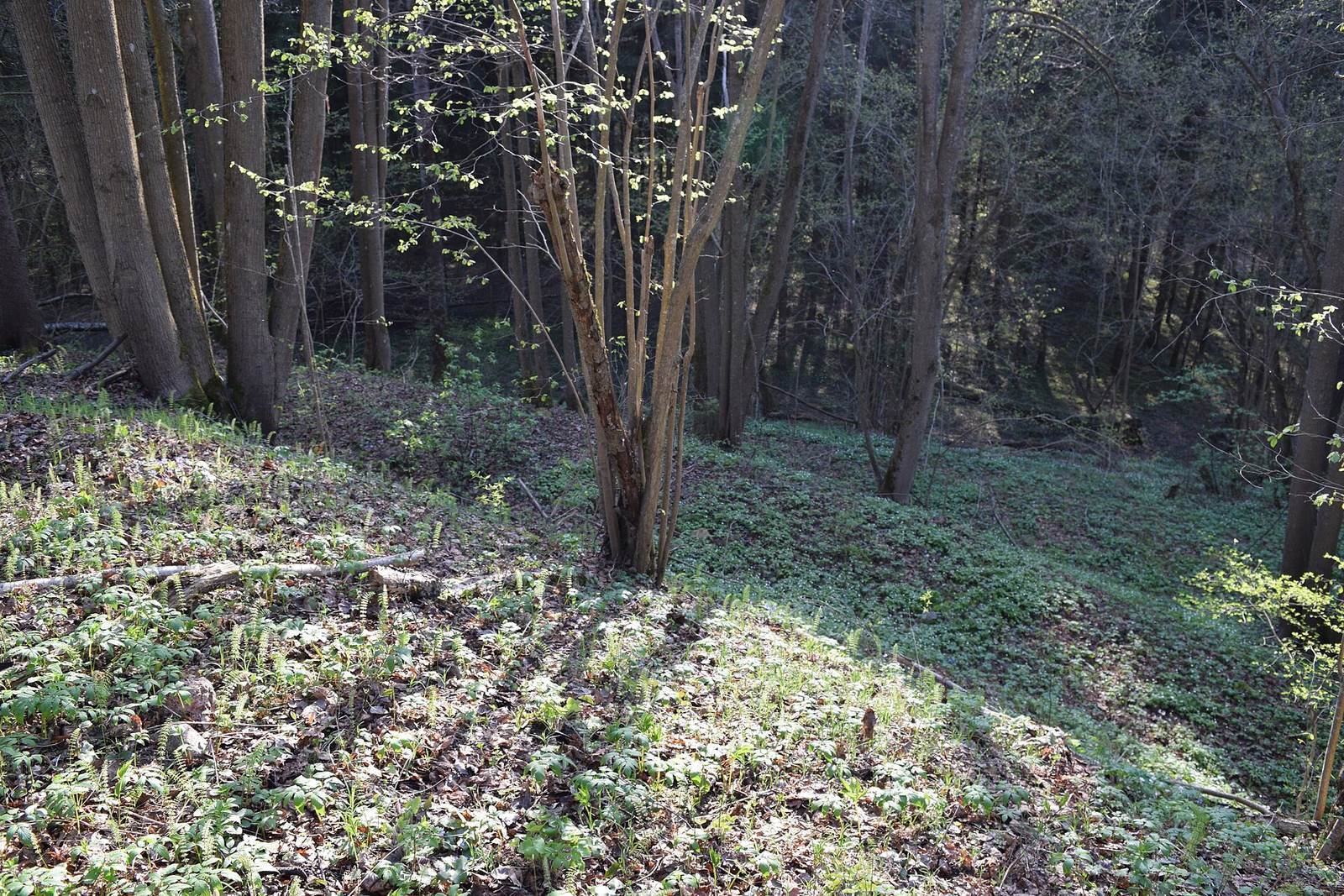
The hillfort’s platform measures 35 by 45 m. An earthen rampart, 2–2.5 m high, and a ditch, 1.5–2 m deep, fortify it; the entrance is on the south side. Unauthorized digging has disturbed the whole platform and damaged the slopes, ramparts, and surrounding ditch.
Church Remains and Stone Crosses
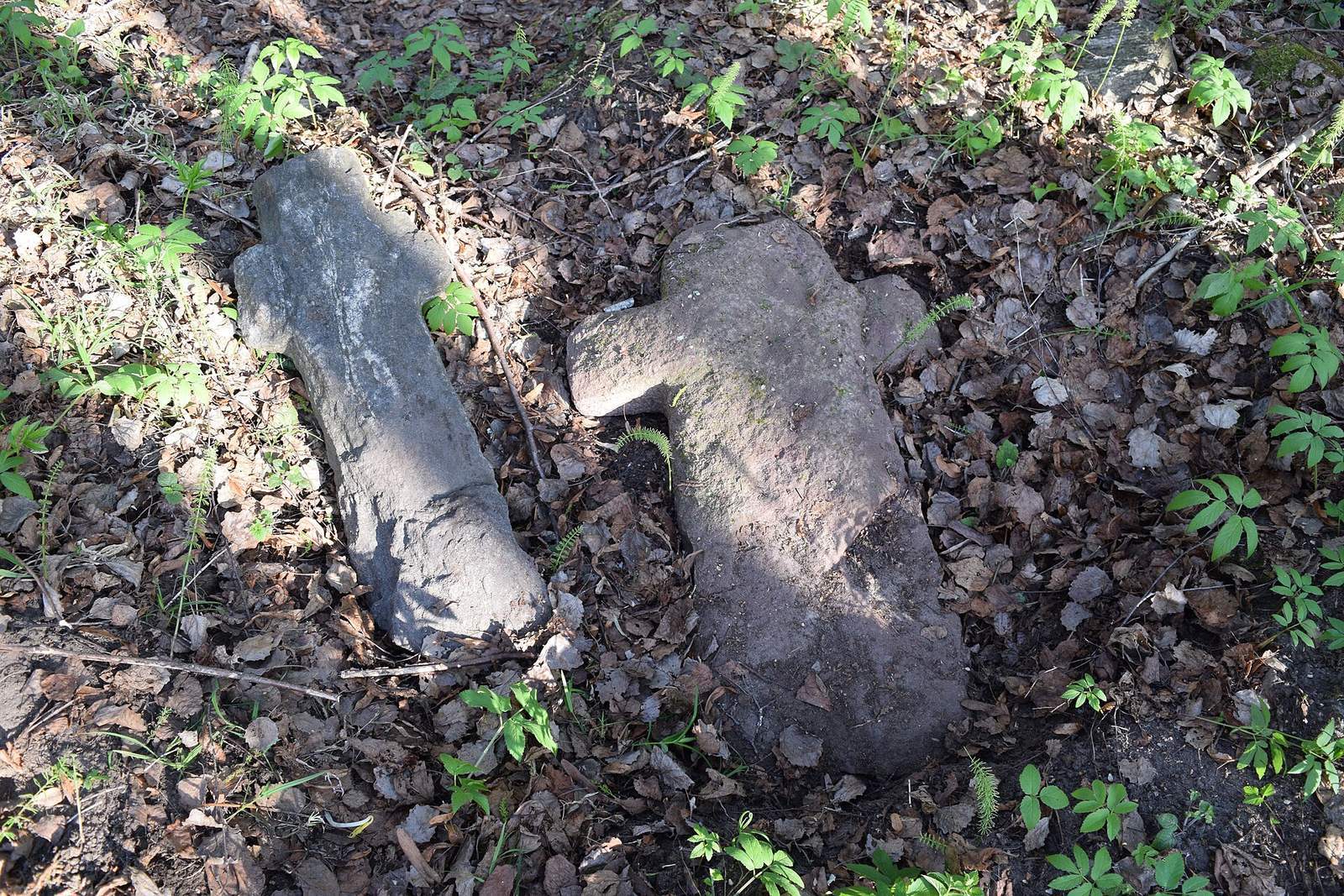
Scattered dressed stones and brick fragments bearing traces of mortar indicate that the church was probably built of masonry. Brick survives only in isolated pieces. Stone crosses lie on the upper platform, while others have been thrown down the slopes. Their appearance suggests they marked graves, possibly in a church cemetery where church staff were buried.