Heerbrugg Castle: A Fortress and Estate in Balgach, Switzerland
Site at a Glance
- Popularity
- Medium
- Country
- Switzerland
- Primary era
- Early Modern
- Eras represented
- Medieval, Early Modern, Modern
- Civilizations
- Holy Roman Empire, Swiss
- Site type
- Domestic
- Remains
- Castle
On this page8 sections
History
Roman and medieval origins
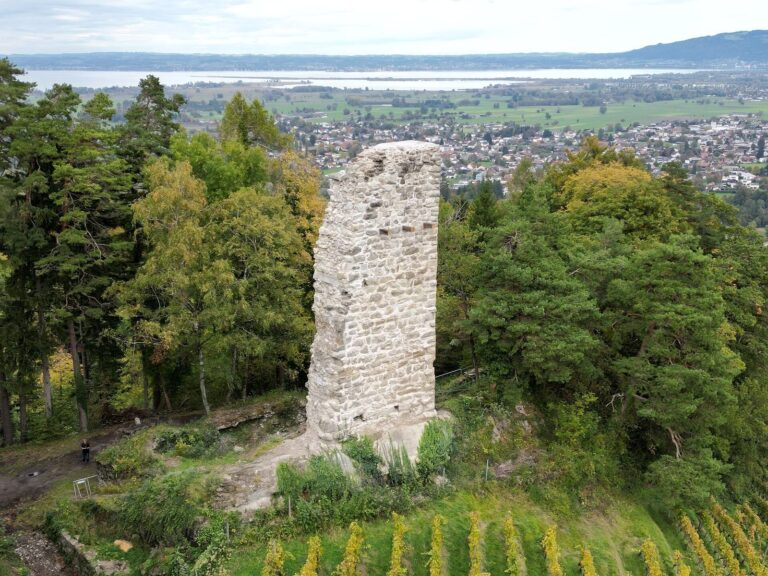
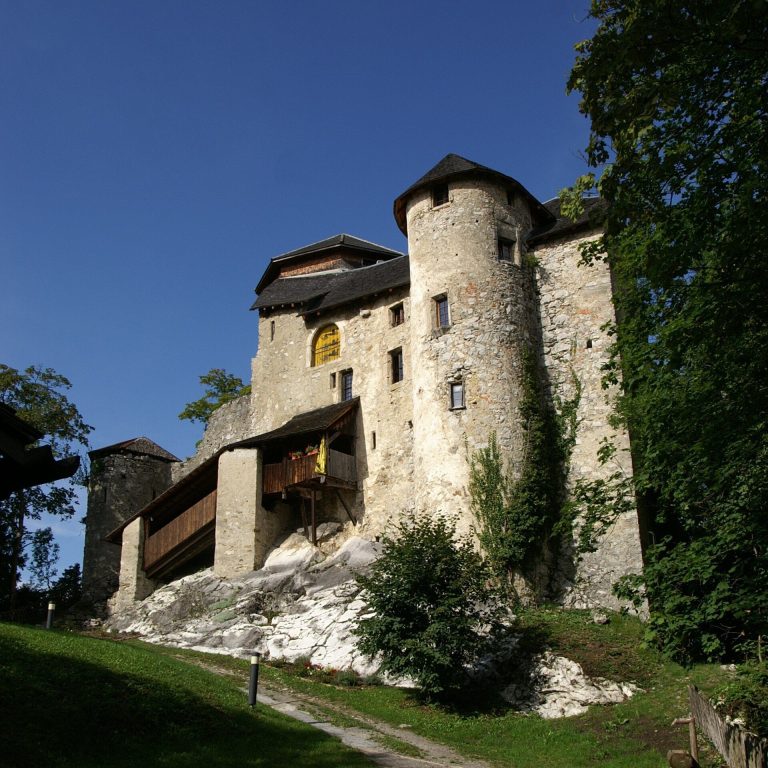
Heerbrugg Castle in Balgach, Switzerland, was rebuilt in 1775 on the site of a fortress founded in 1077/78 to defend St. Gallen’s possessions and control a road crossing. A Roman-period fort is thought to have stood on the ridge above the Aich, guarding the military road below and the only bridge across the river. The Aich was an arm of the Rhine that regularly flooded the valley plain during heavy rain.
In 1077/78, Abbot Ulrich III, head of the Abbey of Saint Gall, a major medieval monastery and landholder, built a fortress over the Roman fort’s ruins. Called Hêrburch or Herrenburg, it defended the abbey’s holdings and controlled the old Roman road from the lower Rheingau toward Raetia, a Roman province in the Alpine region. The road crossed the Aich by the same bridge.
The fortress was destroyed around 1280, and the estate was abandoned. The Abbey of Saint Gall later granted it as a fief, property held under an agreement with obligations, first to Knight Ulrich von Husen in 1303 and then to the nobles of Ainwil, also called Andwil, in 1417. The holders owed rent and tithes, dues traditionally assessed as a share of produce or income. A boundary charter of 1518 calls the settlement Herrenbrugg über die Aich, meaning Herrenbrugg over the Aich; the name Heerbrugg derives from this form.
Estate ownership and rebuilding
In 1598, the estate passed to Junker Schobinger, a title-holder among the German-speaking gentry and a son of Bartholomäus Schobinger. It went in 1698 to the St. Gallen merchant David Schobinger. He was killed in 1699 at the Battle of Negroponte, fought against Turkish forces at Chalcis on the Greek island of Euboea, and the estate then passed to his only son.
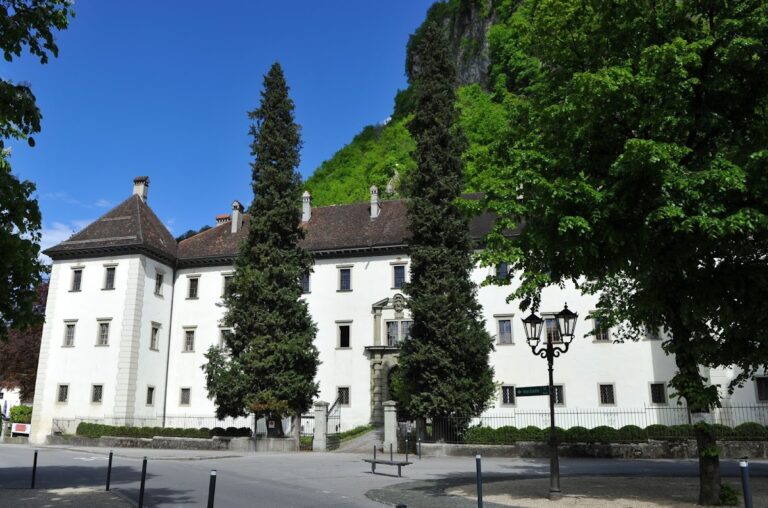
The Reidt family of Chur bought the property in 1727 but seldom lived there, and it continued to deteriorate. A fire damaged the estate on 13 February 1774. That year, St. Gallen merchant Bartholomäus Schlumpf bought the property rights and what remained after the fire for 10,000 guilders plus overdue interest. He rebuilt the castle in 1775. In 1792, he sold it to Captain Custer of Altstätten for 16,000 guilders.
School, brickworks, and later owners
The entire property passed to Karl Völker in 1833. A German emigrant from Eisenach, Völker was related to Custer by marriage and had become a citizen of Altstätten. A schoolteacher, he opened a boarding school in the castle in 1839 for young Englishmen. He ended the school in 1850 to pursue agricultural experiments. In 1856, he established a brickworks at the foot of the castle hill, which became the basis of Heerbrugg’s economic success.
Textile agent Jacob Schmidheiny bought the castle, brickworks, and surrounding land from Völker in 1867. He left his weaving business to expand the brickworks. After his death, the property passed to his sons Ernst and Jacob II. Jacob II took over the castle in 1910 and remodeled it. The estate remained in the Schmidheiny family through inheritance until Peter Schmidheiny’s heirs sold it to brothers Leo and Peter von Rotz in 2005. Peter von Rotz became sole owner in 2006. Although the building is also known locally as Schloss Schmidheiny, he retained the name Schloss Heerbrugg.
Remains
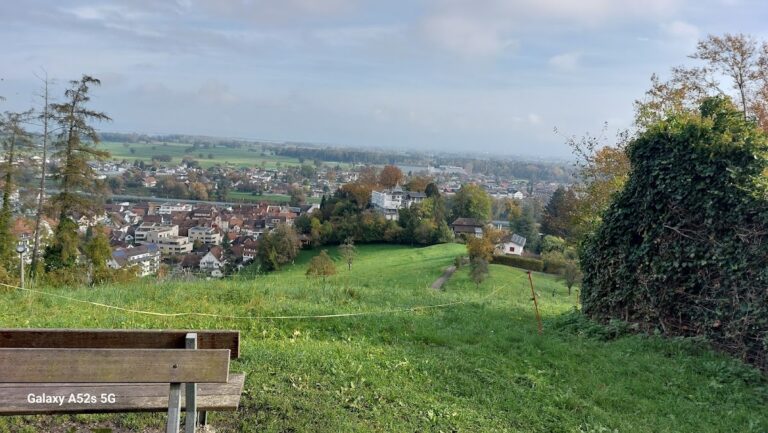
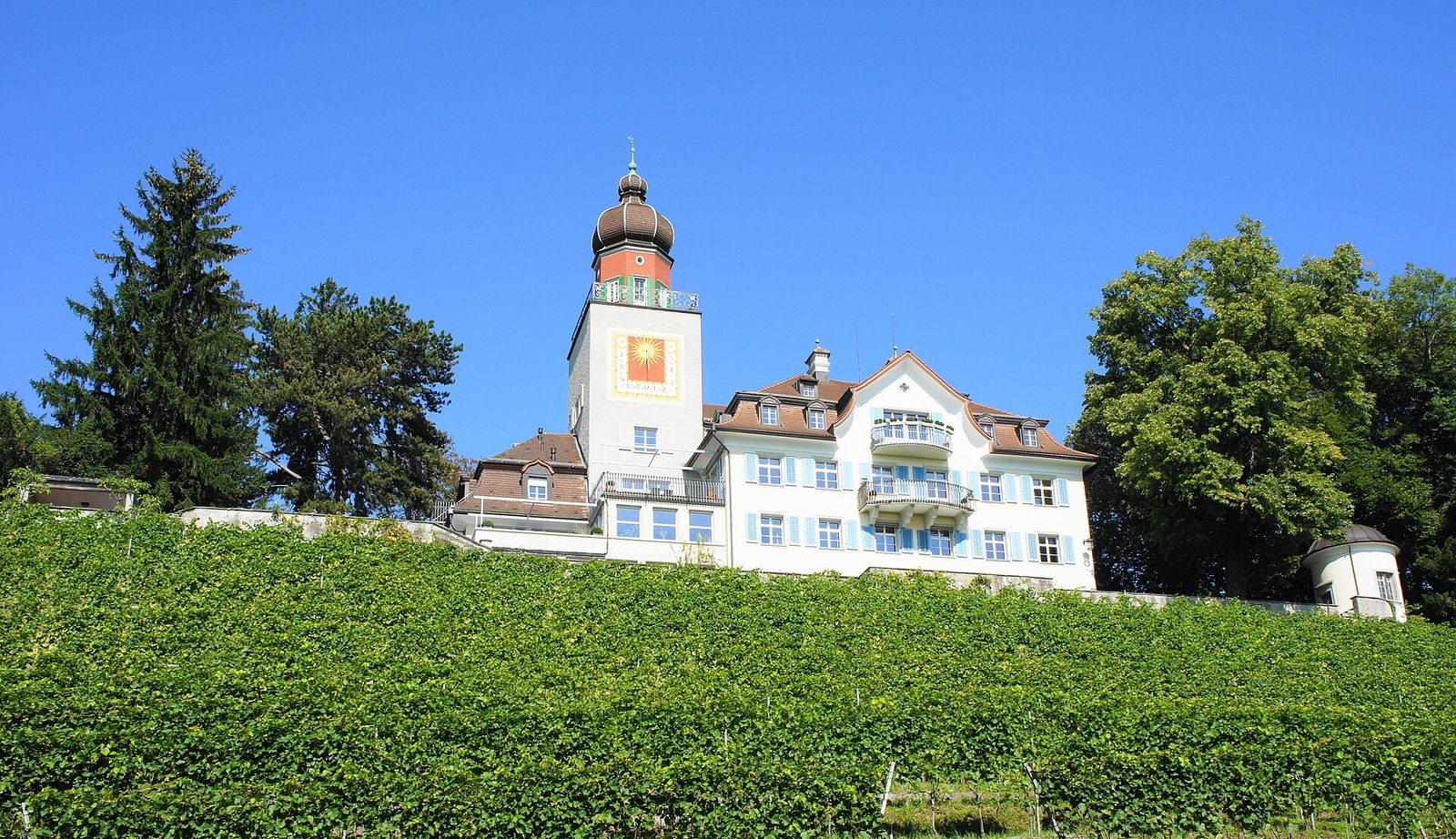
The castle stands on the Heerbrugg spur of Balgacher Berg, known as Hümpeler, on the Herrenbrugg estate beside the Aich and within Balgach’s vineyard. The present castle was built in 1775 without a tower; a tower topped by an onion-shaped dome was added in 1911.
Until 1796, Heerbrugg consisted of the castle and three ancillary buildings, while the valley plain remained uninhabited. Schlumpf’s estate also included a farmhouse, agricultural land, and woodland.
Associated buildings and industry
Villa Schmidheiny and gatekeeper’s house
Villa Schmidheiny stands beside the castle. Ernst Schmidheiny had it built for himself and his family. A gatekeeper’s house was placed at the beginning of the servants’ path.
Brickworks and coach house
Völker’s brickworks stood at the foot of the castle hill. A castle coach house is also part of the site.