Royal Monastery of Saint Mary of Iranzu: A Cistercian Monastery in Navarre
Site at a Glance
- Popularity
- Medium
- Country
- Spain
- Primary era
- Medieval
- Eras represented
- Medieval, Early Modern
- Civilizations
- Kingdom of Navarre, Spanish
- Site type
- Religious
- Remains
- Monastery
On this page12 sections
History
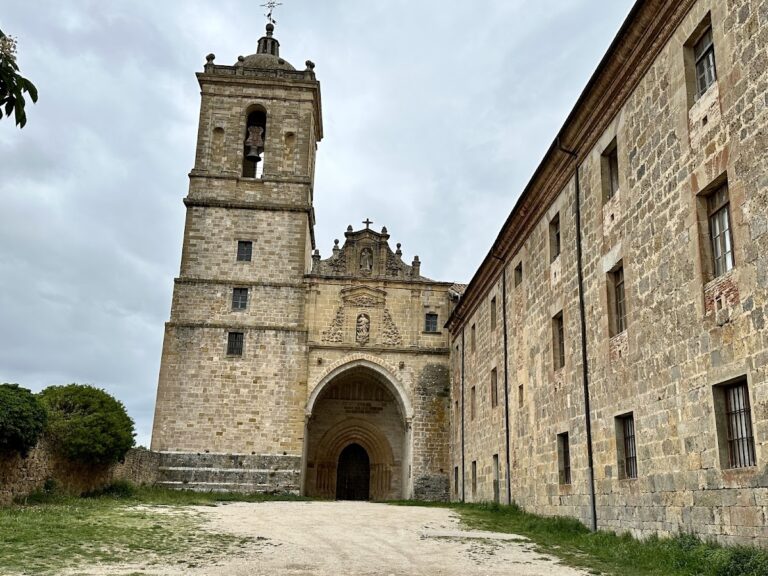
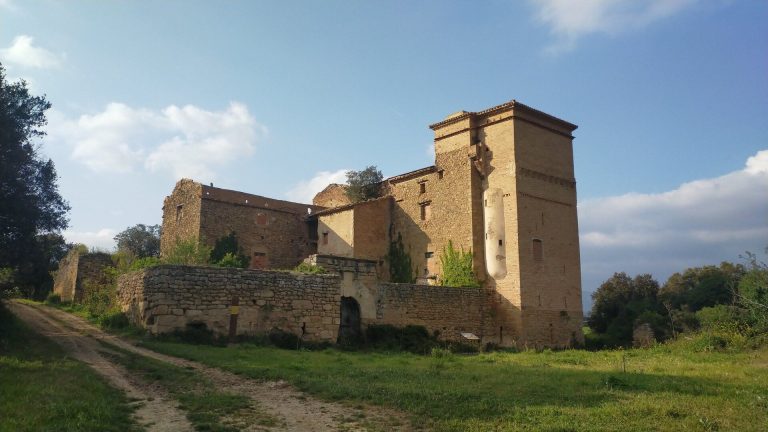
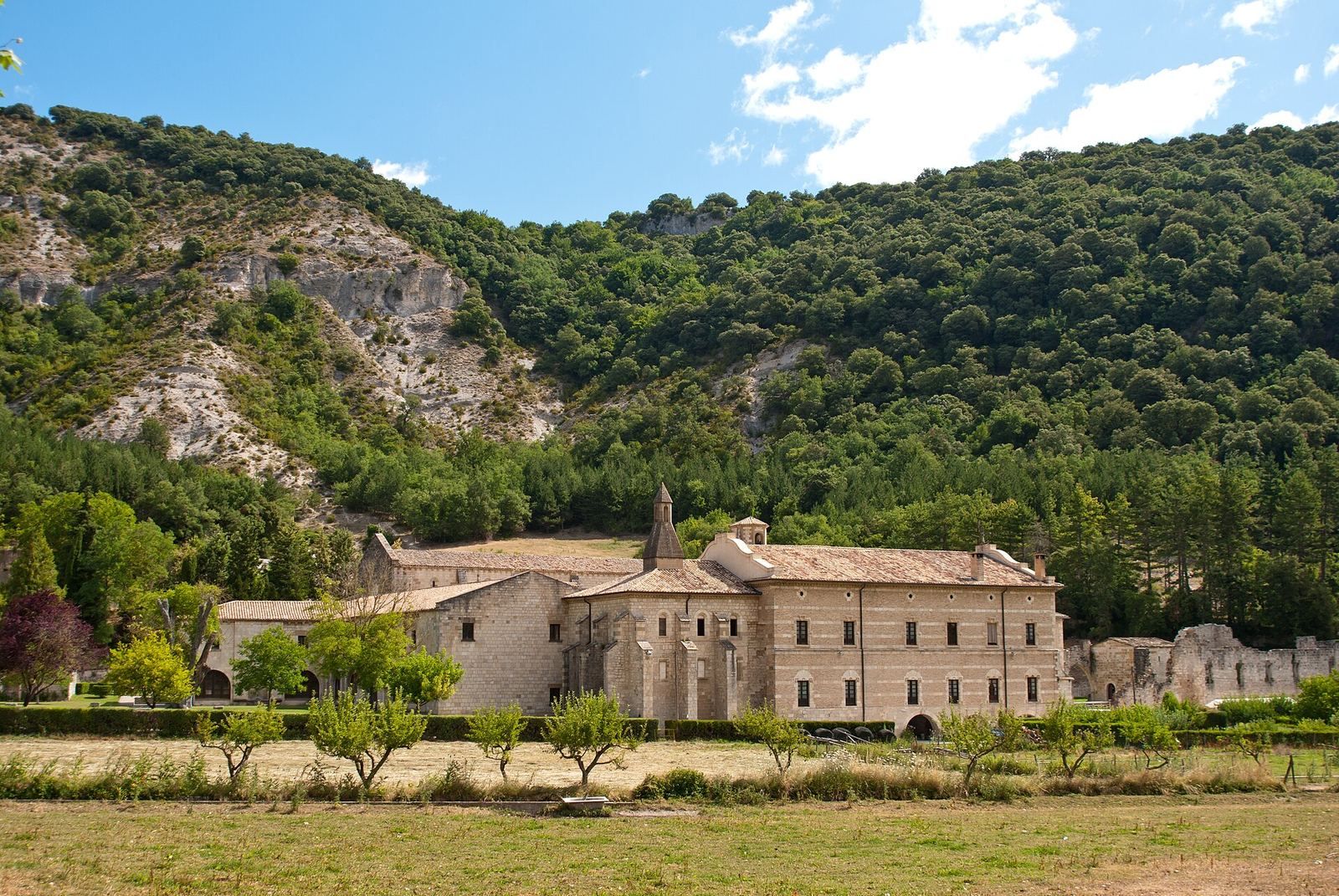
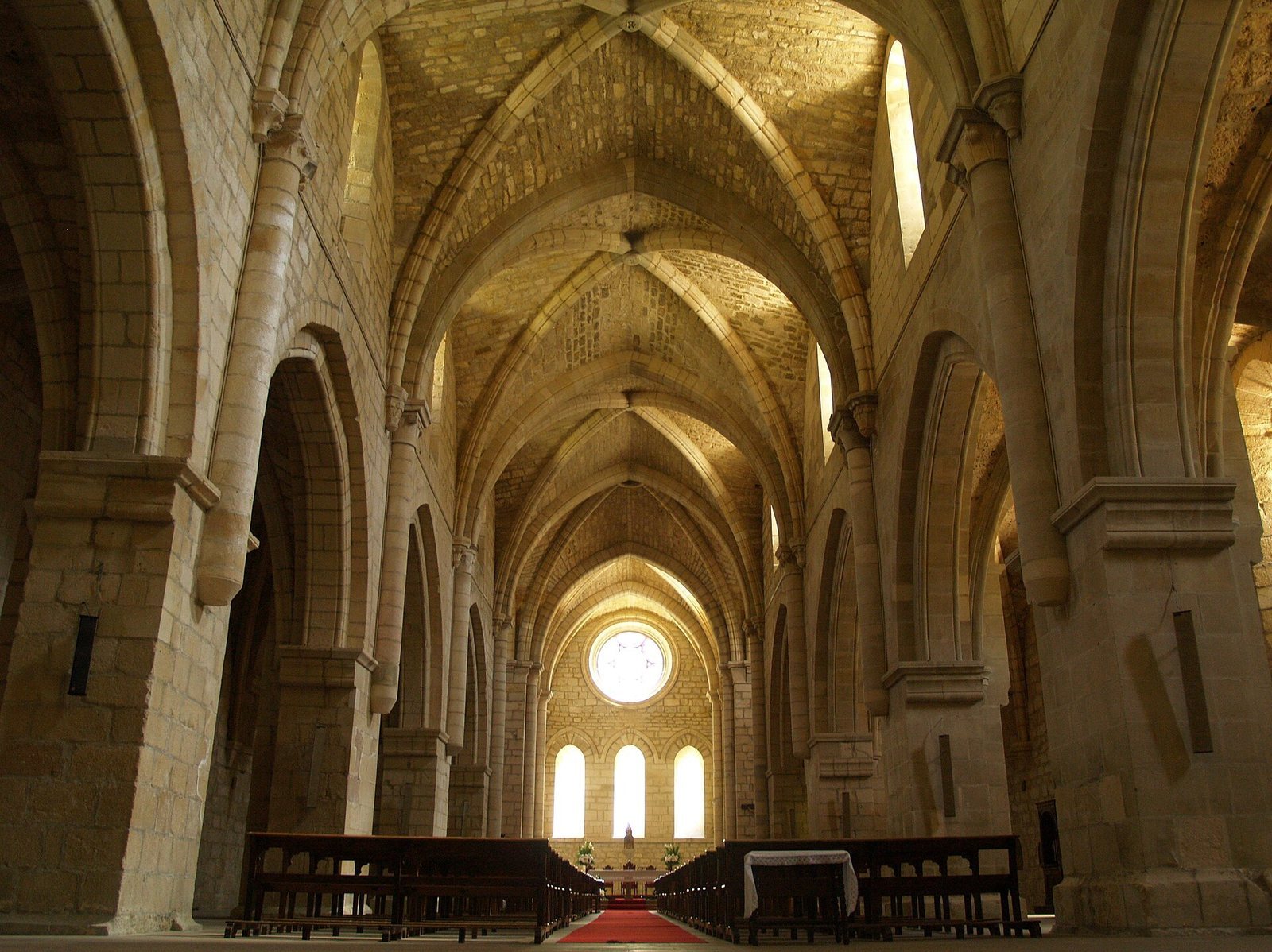
The Royal Monastery of Saint Mary of Iranzu is a medieval monastic complex in Abárzuza, Navarre, Spain. Founded for Cistercian monks and dedicated to Saint Mary, it developed over several centuries. Its principal building campaign ran from 1193 to 1253, and the church was built in a restrained Cistercian style.
Benedictine predecessor and Cistercian foundation
A Benedictine monastery dedicated to Saint Adrian stood at the site in the 11th century. Around 1176, Cistercian monks established a new community after Bishop Pedro de París of Pamplona donated land to his brother Nicolás for a monastery. The Cistercians were a Catholic monastic order. Pedro, who came from Artajona and was also known as Pedro de Artajona, supported the foundation and was buried at Iranzu after his death in 1193.
Iranzu belonged to the Cistercian lineage of Cîteaux, with La Cour-Dieu as its mother abbey, or institutional parent within the order. The Cistercian community remained at the monastery until 1839.
Landholding and decline
Iranzu became one of Navarre’s wealthiest landowners. Its properties included farmland, pasture, parish churches, and entire villages in Navarre and elsewhere in Spain. Its fortunes began to decline during the 14th and 15th centuries amid repeated wars in Navarre, including civil conflict.
Departure and restoration
During the 1830s state confiscation of church property, the monks remained for a time under the protection of the Carlists, a Spanish political and dynastic movement involved in 19th-century wars. They were compelled to leave in 1839, after the Convention of Vergara, which ended the First Carlist War in much of Spain. The monastery passed to the state and remained abandoned until 1942, by which time it was in ruins.
A major restoration began in 1942 under the Prince of Viana Institution, a Navarrese cultural and heritage body. In 1943, the Navarre government transferred the monastery to the Theatines, an order of Catholic clergy. They restored monastic life, established a seminary, and continue to manage Iranzu. The monastery received Monument of Cultural Interest status on 3 June 1931 and is included in the historical heritage listings of Navarre and Spain.
Remains
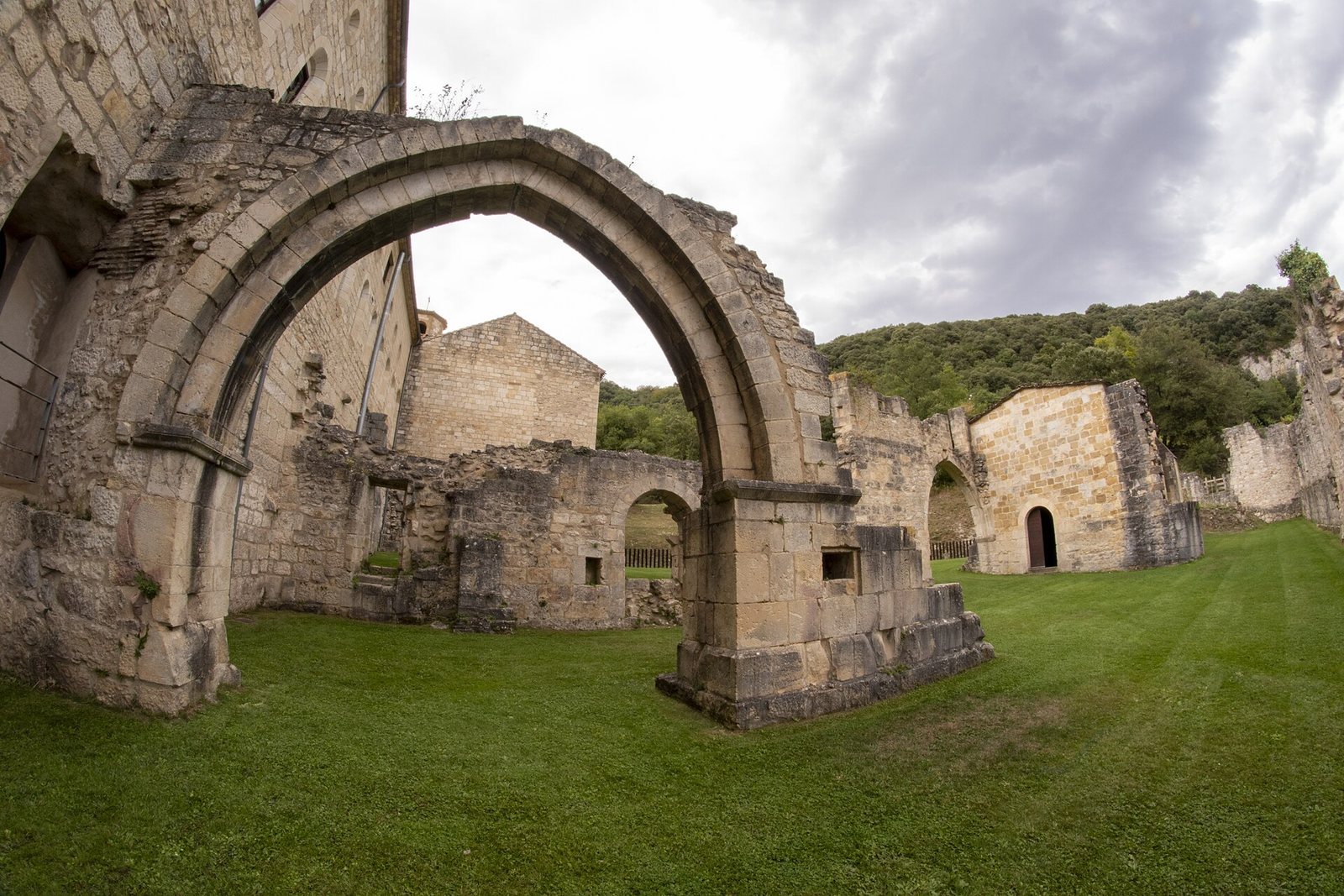
Iranzu stands in the valley of the Iranzu River, amid surrounding hills and natural landscape. Its surviving medieval complex includes the church, adjoining cloister, chapter house, punishment cells, parlour, kitchen, abbot’s house, and the hermitage of Saint Adrian. Construction extended from the 12th through the 14th centuries, with later alterations in the 16th and 17th centuries, including minor Renaissance additions, from a European artistic period.
Church and cloister
Church
The church has three aisles, or lengthwise divisions, and was built in the 12th century in a restrained Cistercian style. It was later remodeled, while its medieval base survives.
Cloister
The cloister adjoins the church. Its oldest sections date to the late 12th century, while later portions follow the Gothic style, a medieval architectural tradition, and date to the 13th and 14th centuries, with some assigned specifically to the late 14th century. The cloister was renovated in 1942.
Monastic rooms and chapel
Chapter house
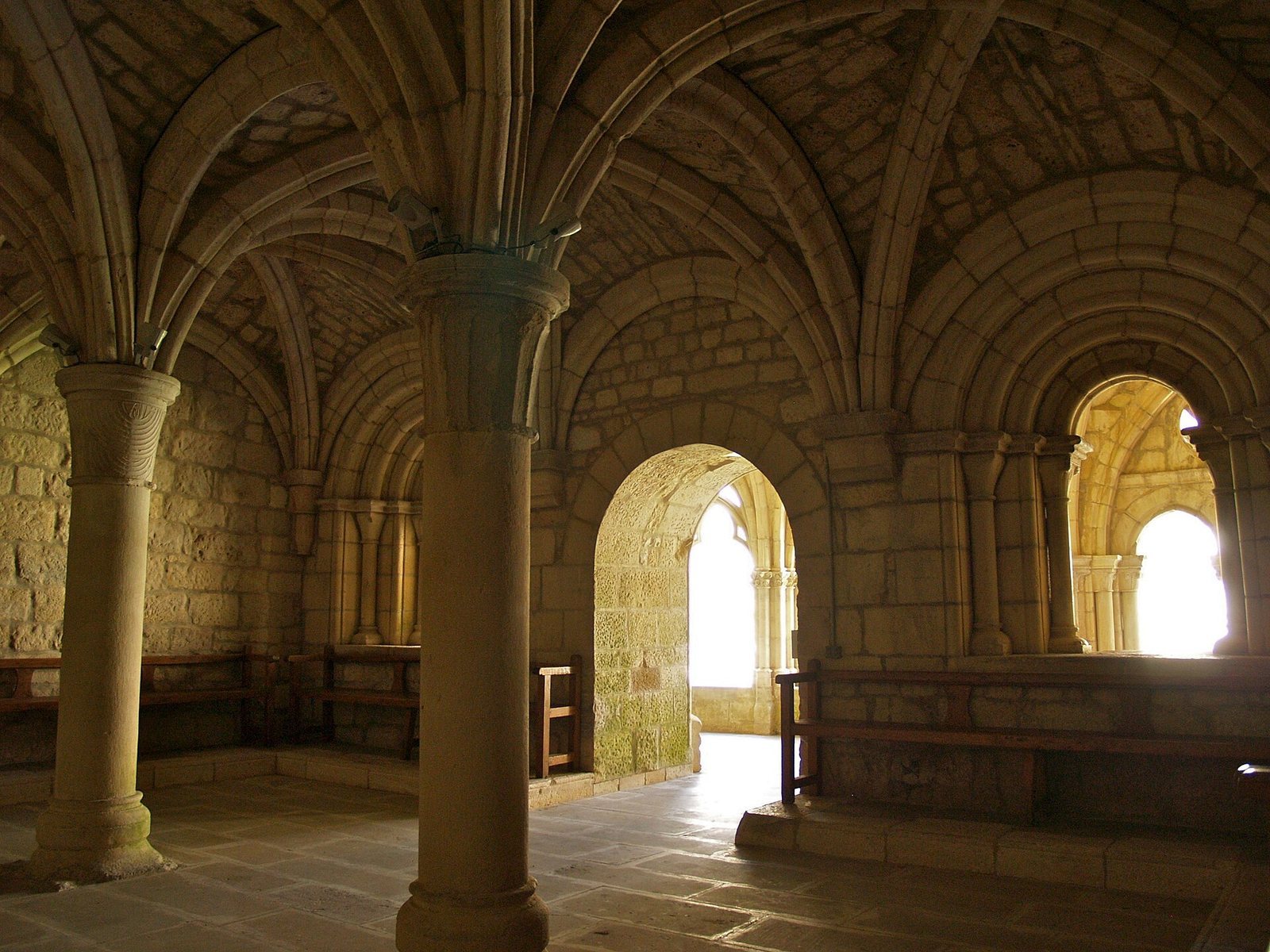
On the eastern side of the complex, the well-preserved 12th-century chapter house is a rectangular room where the monastic community met. Its ceiling has a groin vault, formed where two barrel vaults intersect.
Other surviving rooms
The surviving complex also includes punishment cells, a parlour designated for conversation, a kitchen, and the abbot’s house.
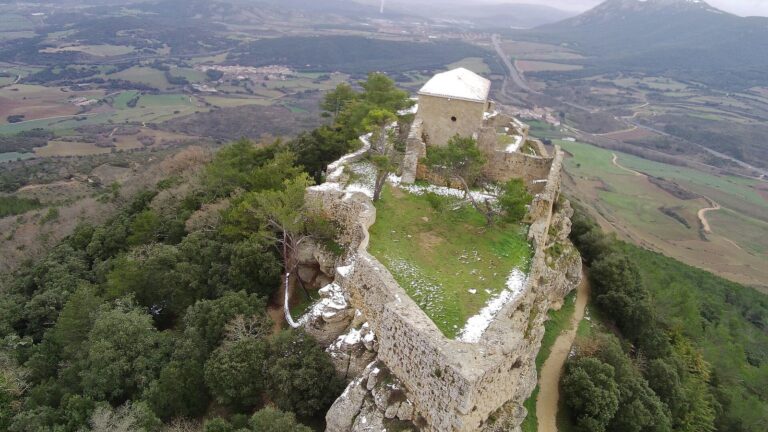
Hermitage of Saint Adrian
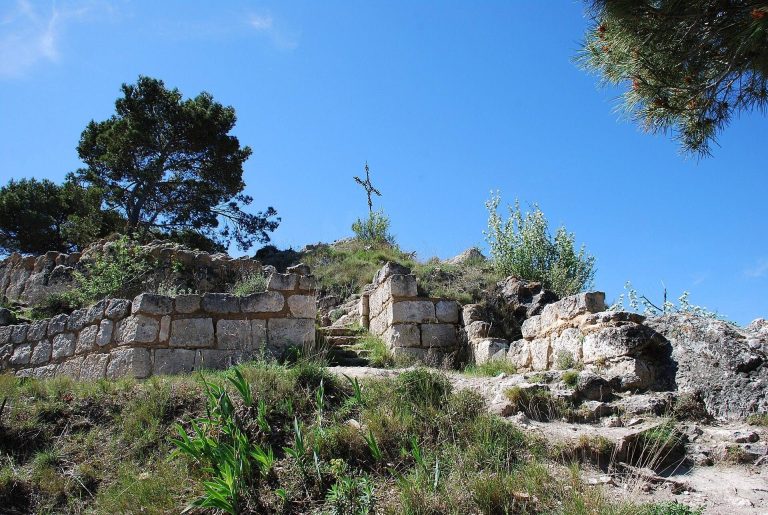
The hermitage is the ruin of a 12th-century chapel built in the Romanesque style, a medieval European architectural tradition. The monks prayed there before the monastery church was built.