Vivari Fortress: A Coastal Fortification in Albania
Site at a Glance
- Popularity
- High
- Country
- Albania
- Primary era
- Modern
- Eras represented
- Early Modern, Modern
- Civilizations
- Ottoman, Venetian
- Site type
- Military
- Remains
- Fort
On this page5 sections
History
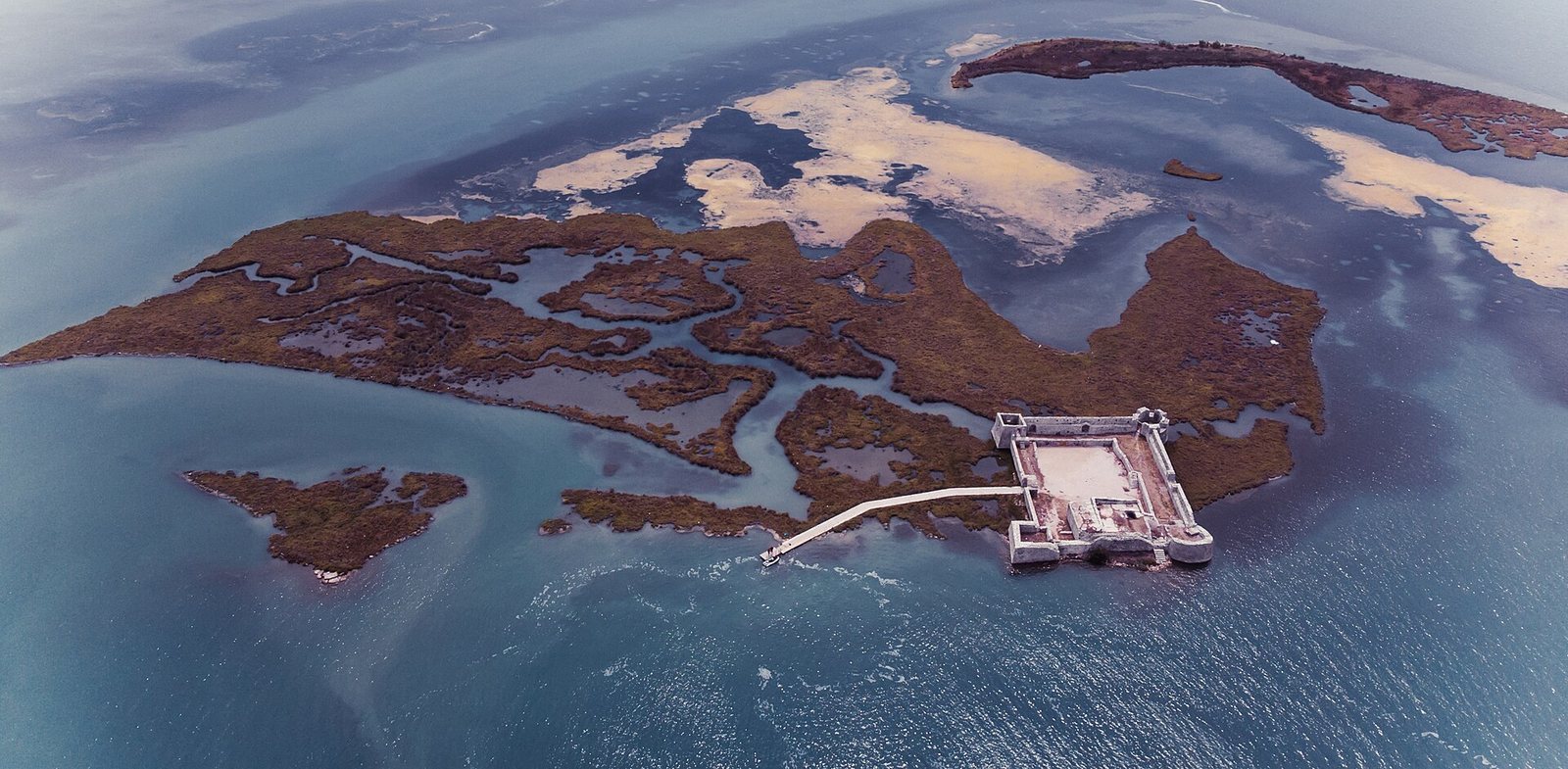
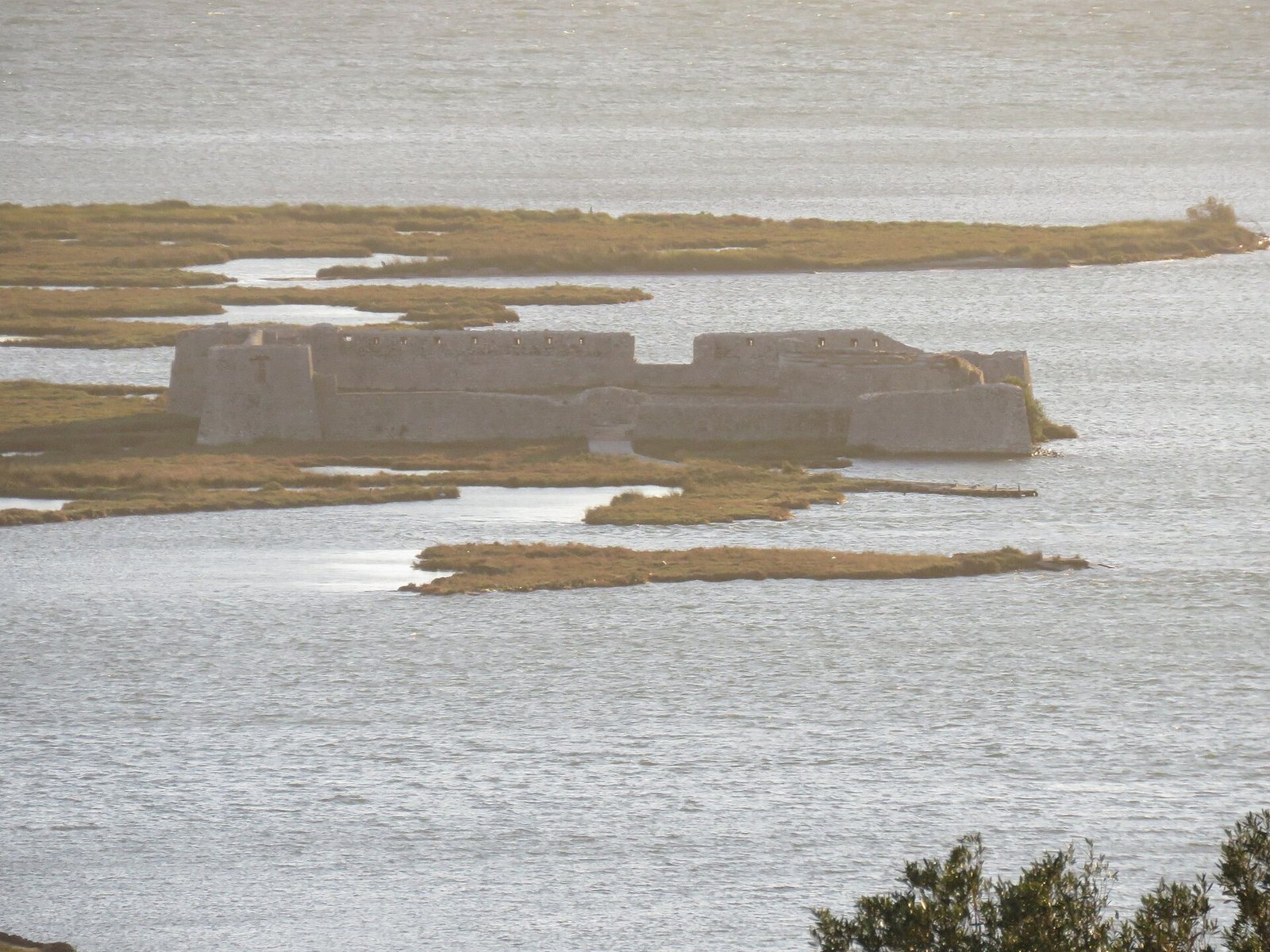
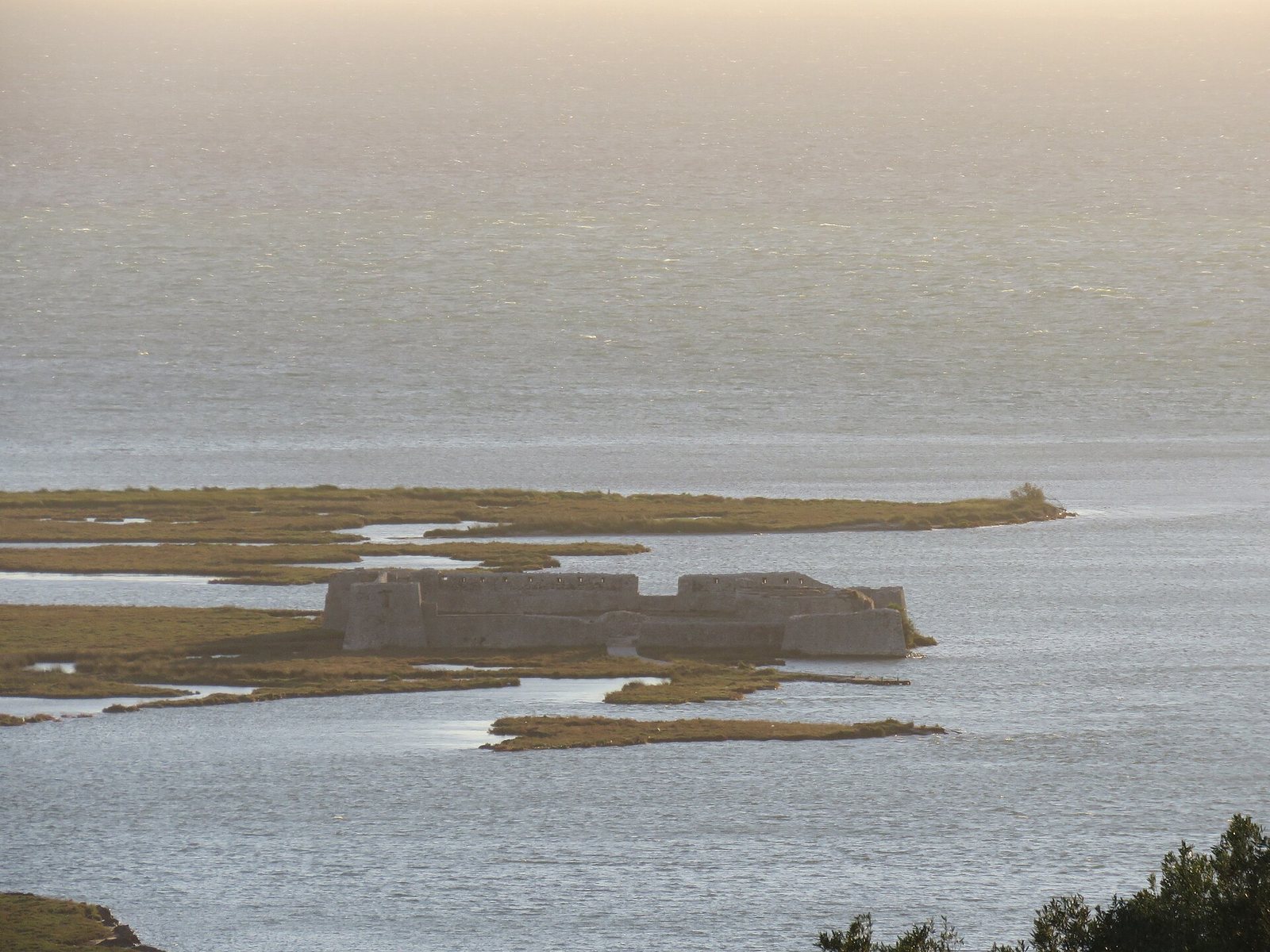
Vivari Fortress is a small fortification on an island at the mouth of the Vivari Channel in Albania, where the channel connects Lake Butrint to the Ionian Sea. Its earliest installation was built before 1718, probably in the late seventeenth or early eighteenth century.
Early installation and regional conflict
The fortress appears on a Venetian map from 1718 and probably belonged to the Gonemi family from Corfu, which held an agricultural estate in the area. Fortifications in the region helped secure the Strait of Corfu, between Corfu and the Albanian coast, and protect the rich fishing grounds around Butrint.
After Napoleon’s campaigns brought an end to the Venetian Republic, a maritime state centered on Venice, the Ionian Islands passed to France. French forces controlled Butrint for two years. In 1798, Ali Pasha, an Albanian Ottoman provincial ruler (pasha was a title for a senior official or military commander), captured the town from them. The fortress probably had not yet taken its later form.
Ali Pasha and Ottoman control
Around 1804, Ali Pasha took control of the fortress and enlarged and renewed the existing installation, probably in haste around 1807. It served as his secondary residence until about 1820. Given its small size, the fortress probably chiefly controlled access to Butrint from the sea.
Ali Pasha retained control of Butrint until his assassination in 1822. The Ottoman army took control of the fortress afterward.
Remains
Island enclosure and defenses
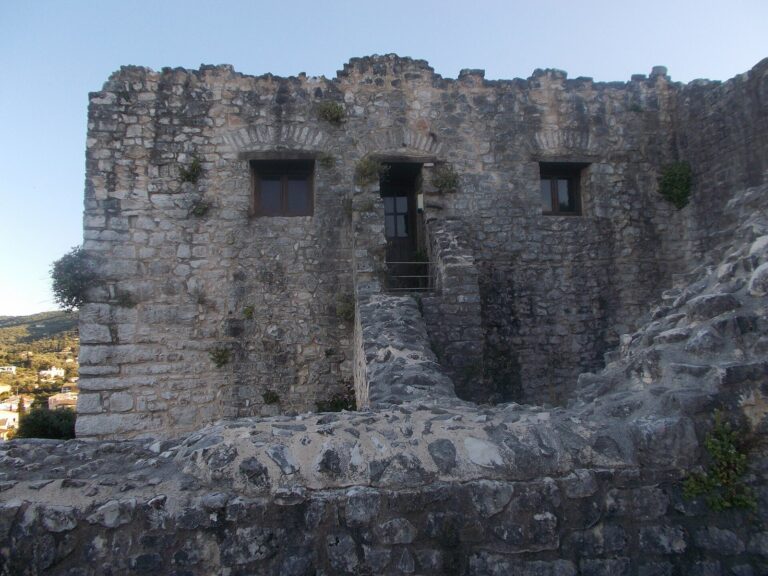
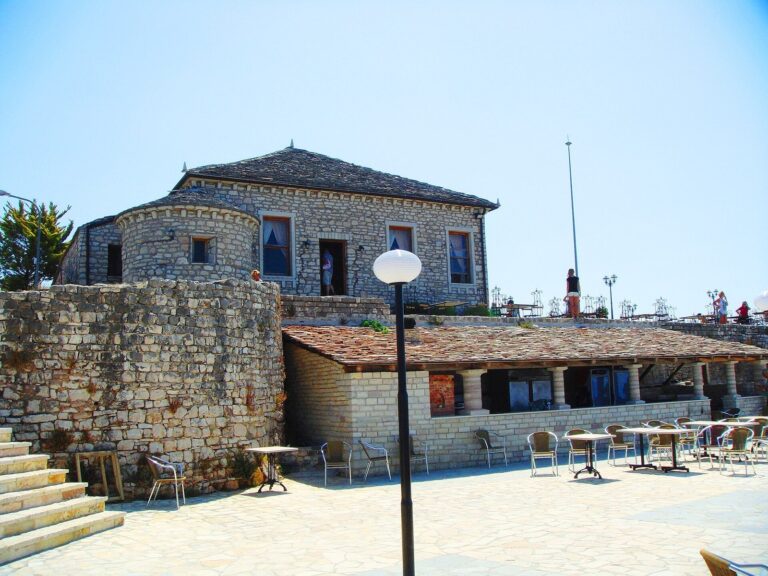
The fortress has a compact rectangular plan, about 22 by 30 metres, with four corner towers enclosing a courtyard. It stands at the mouth of the Vivari Channel, and ancient Butrint lies about 2.4 to 2.5 kilometres to the east. The western towers are round, while those facing inland are square; the towers were equipped with cannons. The main entrance is on the north side, beside the channel. A wall-walk, a walkway along a defensive wall, runs along the other three sides, and the courtyard was probably sometimes flooded. A rectangular tower above the later entrance is considered the oldest part of the complex and has been interpreted as a Venetian fortified house dating to around 1700.