Beata Vergine delle Grazie: A Marian Sanctuary in Cavallermaggiore
Site at a Glance
- Rating
- 4.8
- Popularity
- Very Low
- Country
- Italy
- Primary era
- Modern
- Eras represented
- Medieval, Early Modern, Modern
- Civilizations
- French, Holy Roman Empire
- Site type
- Religious
- Remains
- Sanctuary
On this page9 sections
History
Augustinian foundation and Marian tradition
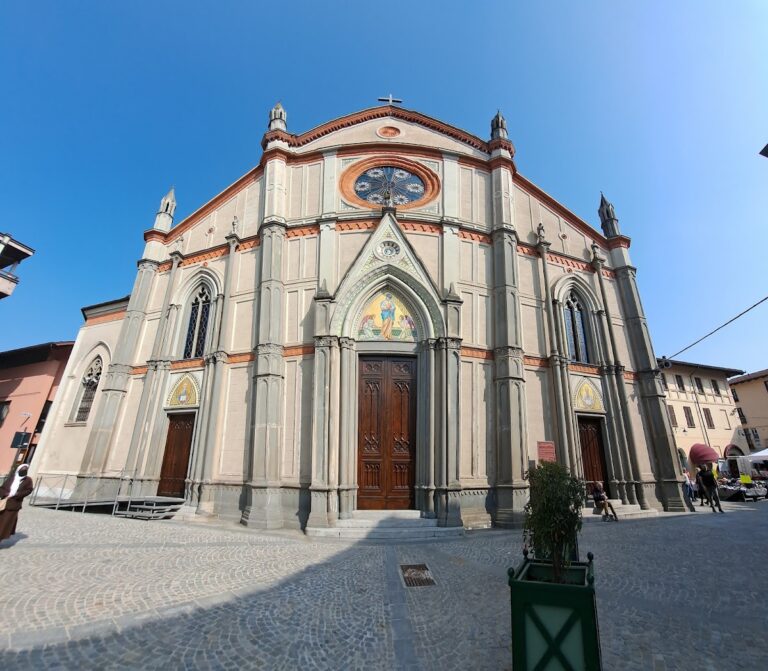
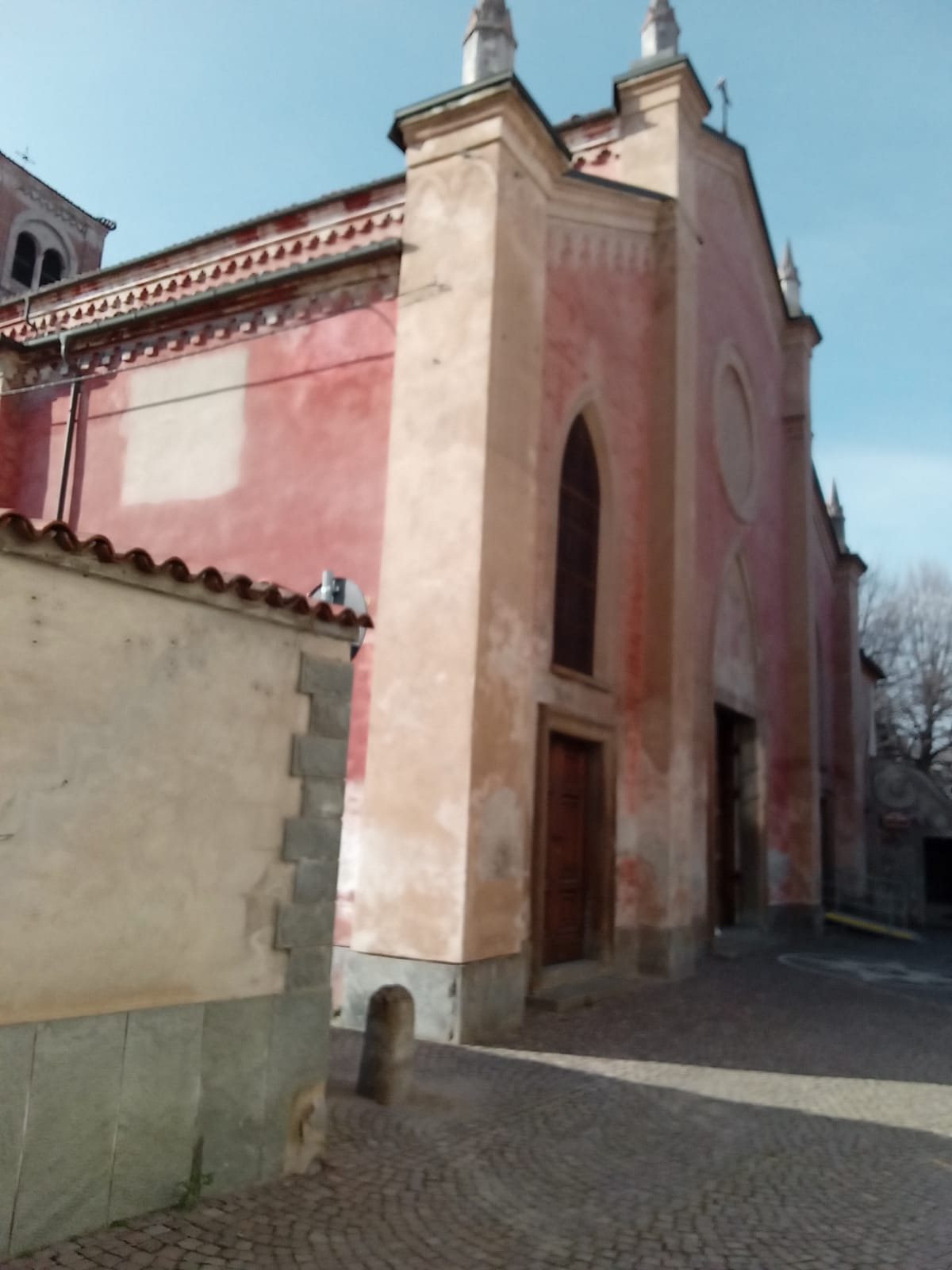
Beata Vergine delle Grazie is a Roman Catholic Marian sanctuary in the historic center of Cavallermaggiore, Italy. The church is dated to the 13th century, while Augustinian monks are associated with the sanctuary’s foundation in 1400. The church, originally attached to a convent, is the former Church of Saint Augustine. It was consecrated in 1452 and follows the Roman rite. The sanctuary is affiliated with the Order of Saint Augustine, whose members follow the Rule of Saint Augustine, and the Diocese of Turin, a territorial church jurisdiction.
Local tradition places the sanctuary’s origins amid plague and war in Cavallermaggiore in 1452, when townspeople prayed publicly for relief. At sunrise on 30 August, the Virgin Mary appeared in a field beyond the settlement to Vincenzo Bongianino, a deaf-mute peasant. She restored his hearing and speech and gave him a manuscript written in gold characters, asking him to deliver it to the first person he met. Bongianino encountered the mayor, Giorgio Tarditi, who read the letter as a request to consecrate a church to the Virgin.
Later devotion and rebuilding
In 1480, the Augustinian convent passed to the Congregation of the Observants of Lombardy, a reform branch that emphasized stricter observance of religious rules. After another plague struck in 1598, the mayors vowed at a public meeting to build a portico or entrance hall before the sanctuary and make necessary improvements. The church was rebuilt in the early 19th century in Neoclassical style, drawing on classical forms.
A municipal vow made in 1835 commemorated the Virgin’s role in saving the town from plague. In keeping with the vow, an annual observance takes place from 20 to 30 August and includes a procession and a novena, a series of prayers over nine consecutive days.
Remains
Church and former convent
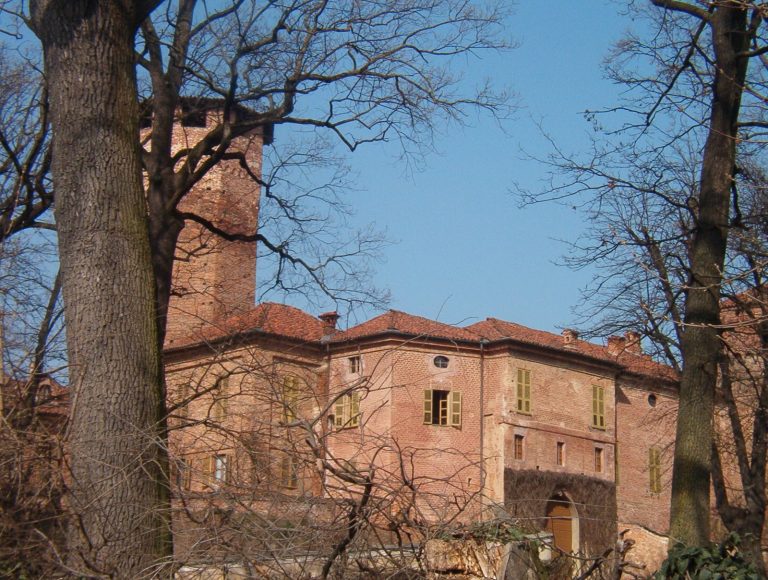
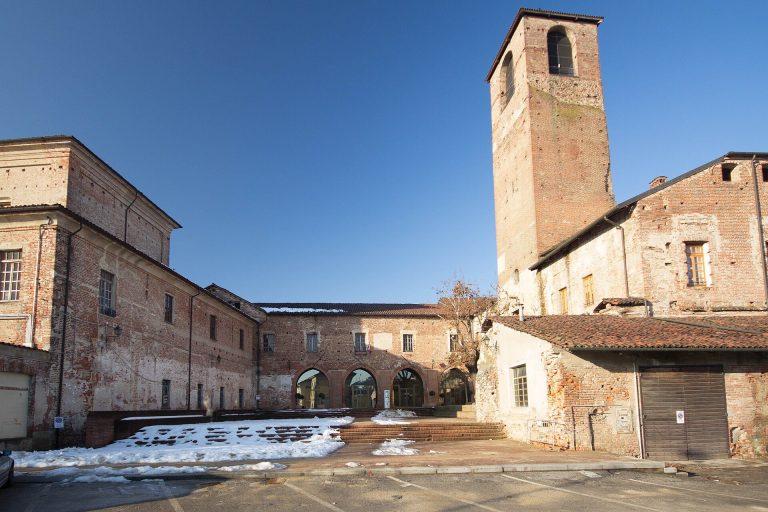
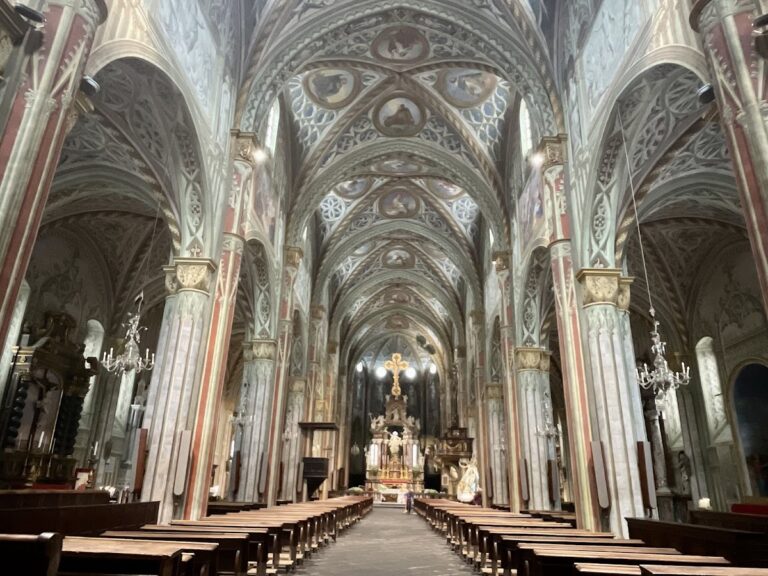
The complex combines a Neoclassical church with a late Gothic bell tower, built in a medieval architectural style, and surviving convent fabric. The tower retains windows with paired openings as well as single openings. Inside, the church has three aisles; each side aisle contains five sections, with vaulted ceilings framed by projecting ribs and supported by piers shaped with four lobes. A surviving side façade of the former convent bears crescent-shaped panels showing episodes from the life of Saint Nicholas.
Altars and paintings
High altar
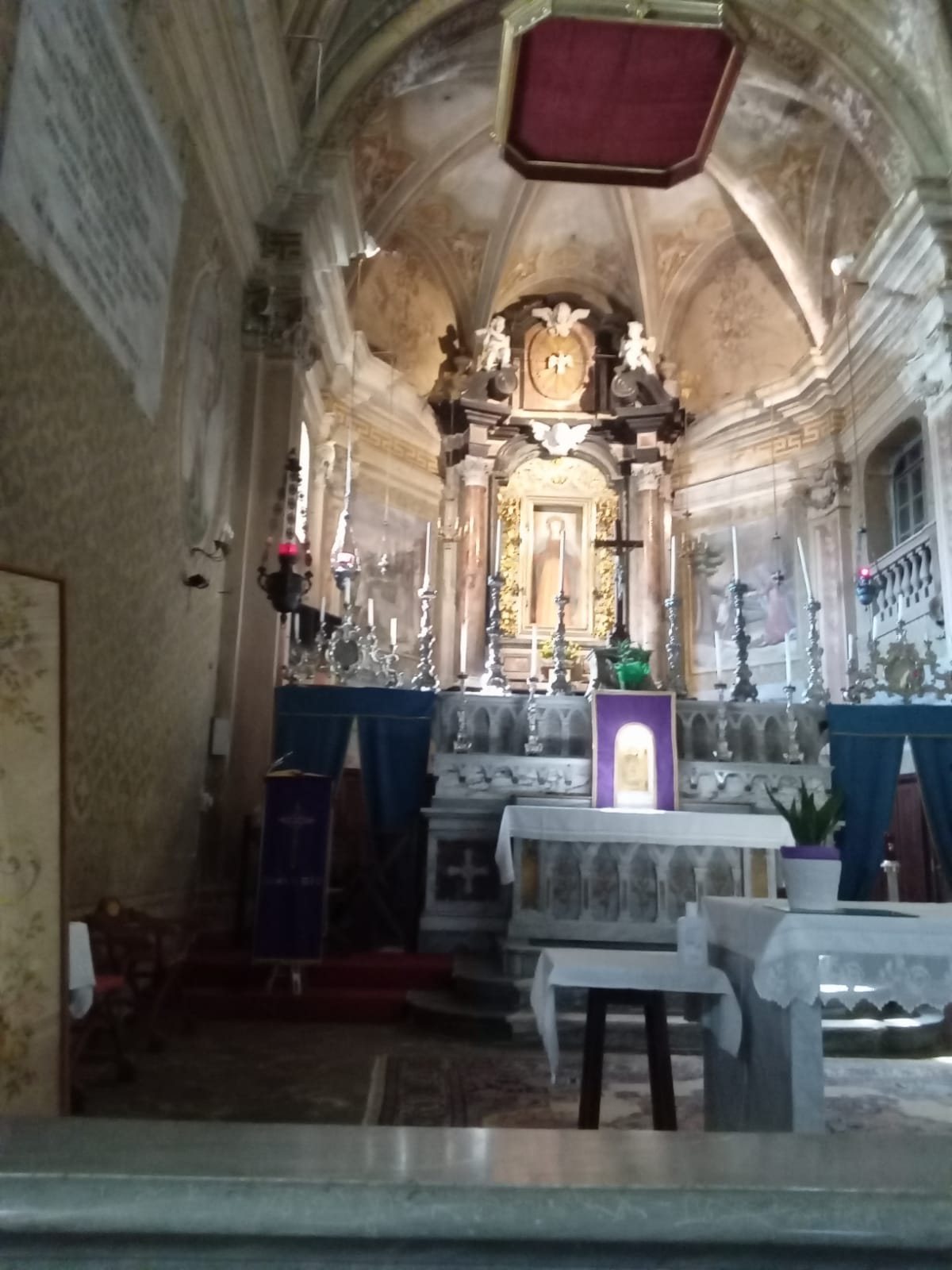
A large Baroque, ornately styled marble altar stands at the end of the church’s semi-octagonal sanctuary space. It incorporates the Marian fresco associated with the apparition, transferred from a small devotional pillar on 21 August 1803. A carved, gilded wooden frame surrounds the painting, with two columns made from alabaster, a fine-grained stone used for carving, from Busca. The altar’s upper structure is black marble. The anonymous fresco is broadly dated to the 14th or 15th century, although later repainting makes a more precise date difficult to establish.
Left apse chapel
A fresco dated 1581 in the left chapel depicts Saint Anthony Abbot and Saint Paul the Hermit being fed by a raven. It is attributed to Giovanni Angelo Dolce (1540–1606). A painted coat of arms on its frame identifies an association with the counts Filippi of Baldissero.
Nave paintings and panels
Two paintings along the nave portray miracles of Saint Anthony of Padua. Two further panels, made by a local painter in 1803, depict the apparition to Vincenzo Bongianino and the delivery of the letter to Giorgio Tarditi, repeating scenes from the original church.