Palazzo Mazzetti: A Baroque Palace and Civic Museum in Asti
Site at a Glance
- Popularity
- Medium
- Country
- Italy
- Primary era
- Early Modern
- Eras represented
- Early Modern
- Civilizations
- Duchy of Savoy, Kingdom of Sardinia
- Site type
- Domestic
- Remains
- Elite Residence
On this page7 sections
History
The Mazzetti family and early properties
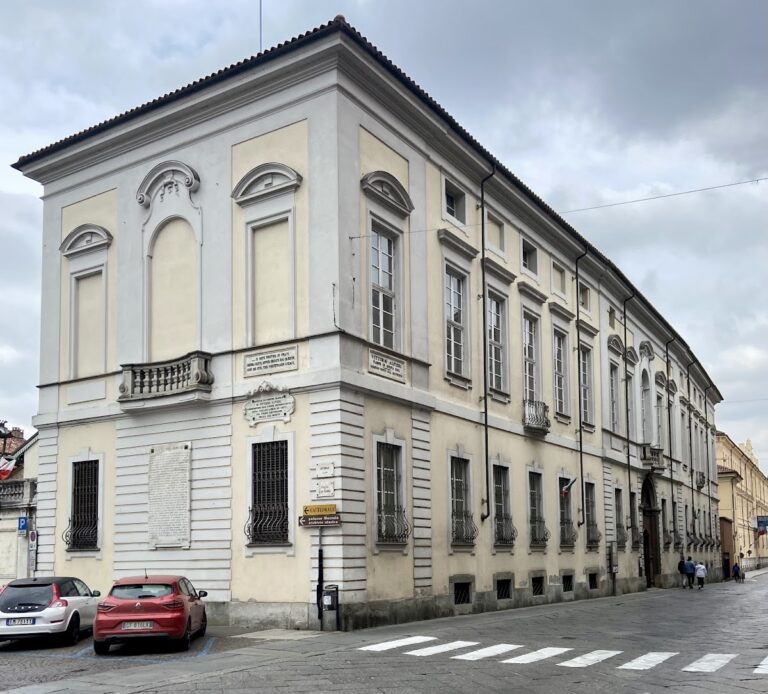
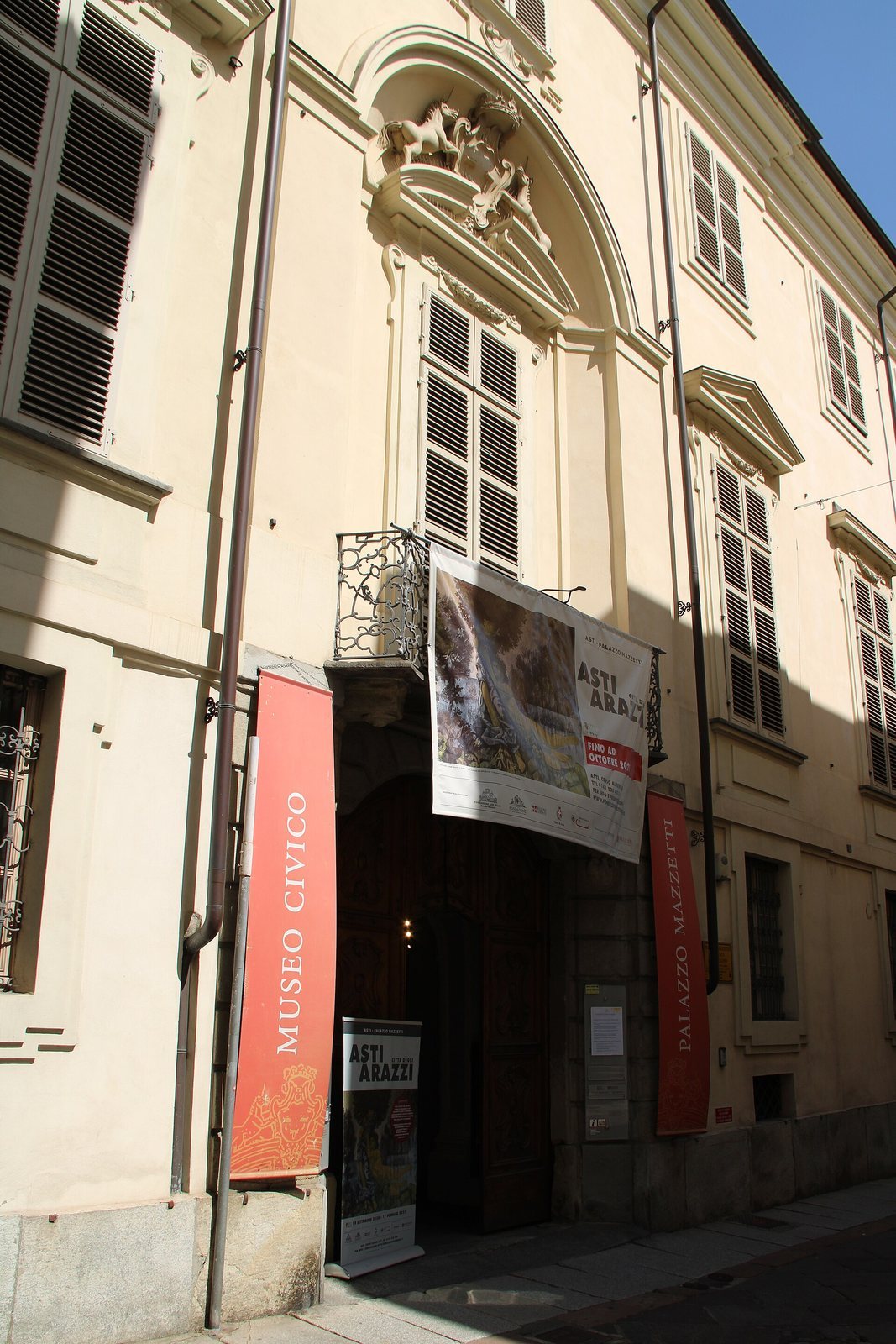
Palazzo Mazzetti is a Baroque palace in Asti, Italy, consolidated into a noble residence from the seventeenth century. Baroque was a European style prominent in the seventeenth and eighteenth centuries, often marked by richly ornamented and dramatic forms. The Mazzetti were a noble family from Chieri who settled in Asti during the fifteenth century. They were also merchants and moneylenders, and Nicoletto and Domenico Mazzetti acquired properties from the Turco family.
In 1442, members of the Mazzetti family of Frinco acquired property and land from the Turco family. Historian Nicola Gabiani inferred that the palace was included in the transfer, though the deed does not name it. Small houses may have stood on the site before the palace took shape; the Mazzetti acquired such properties gradually.
Palace development
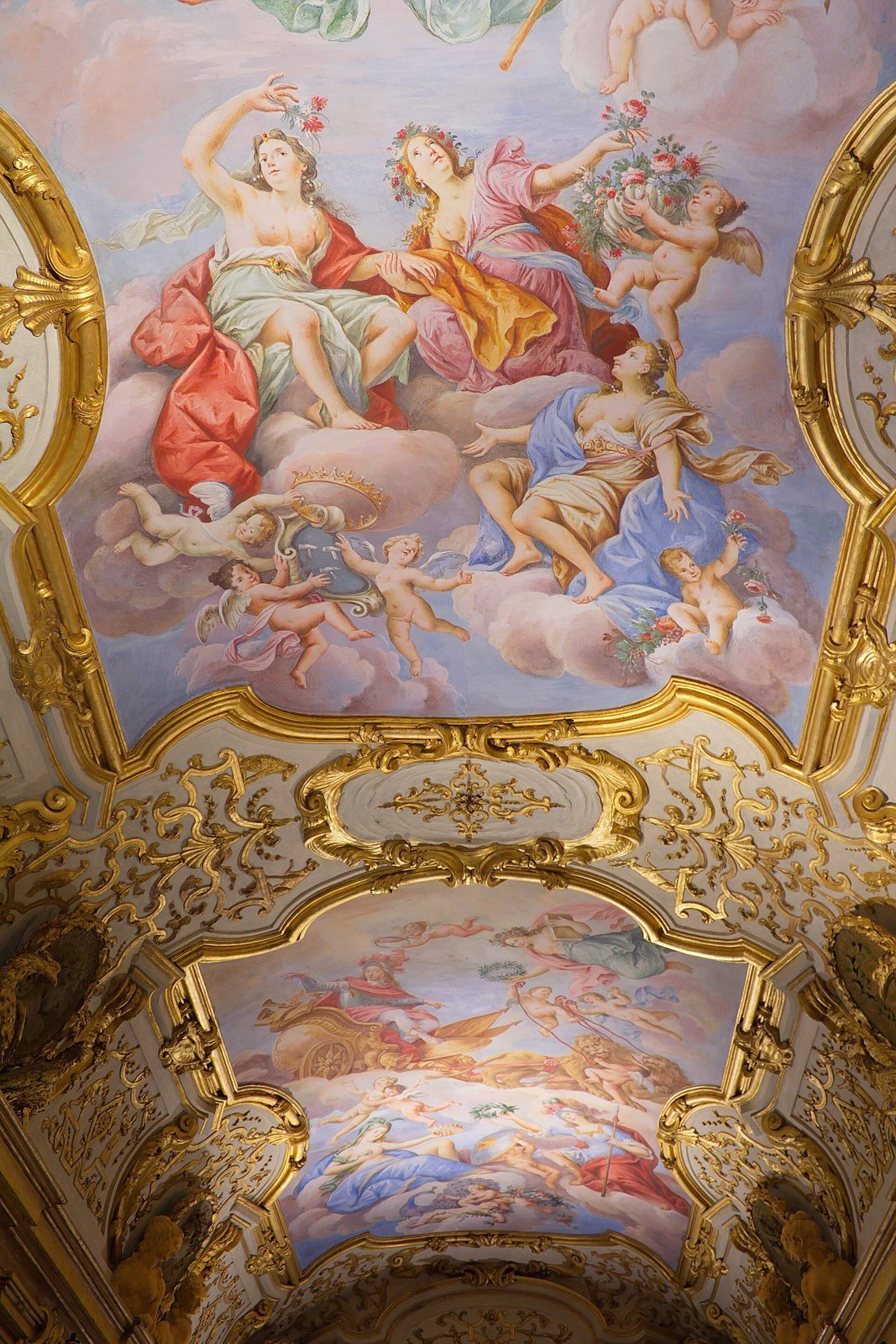
The family’s gradual consolidation of the properties into a palace began in the seventeenth century. Work on its gallery and other principal spaces continued in the following century, as the residence developed into its Baroque form.
Civic museum
The Asti Savings Bank acquired the palace in 1937. In 1940, it permitted the municipality to establish the Civic Museum and Civic Art Gallery there. The Foundation of the Asti Savings Bank has owned the building since 2001.
Remains
Palace layout
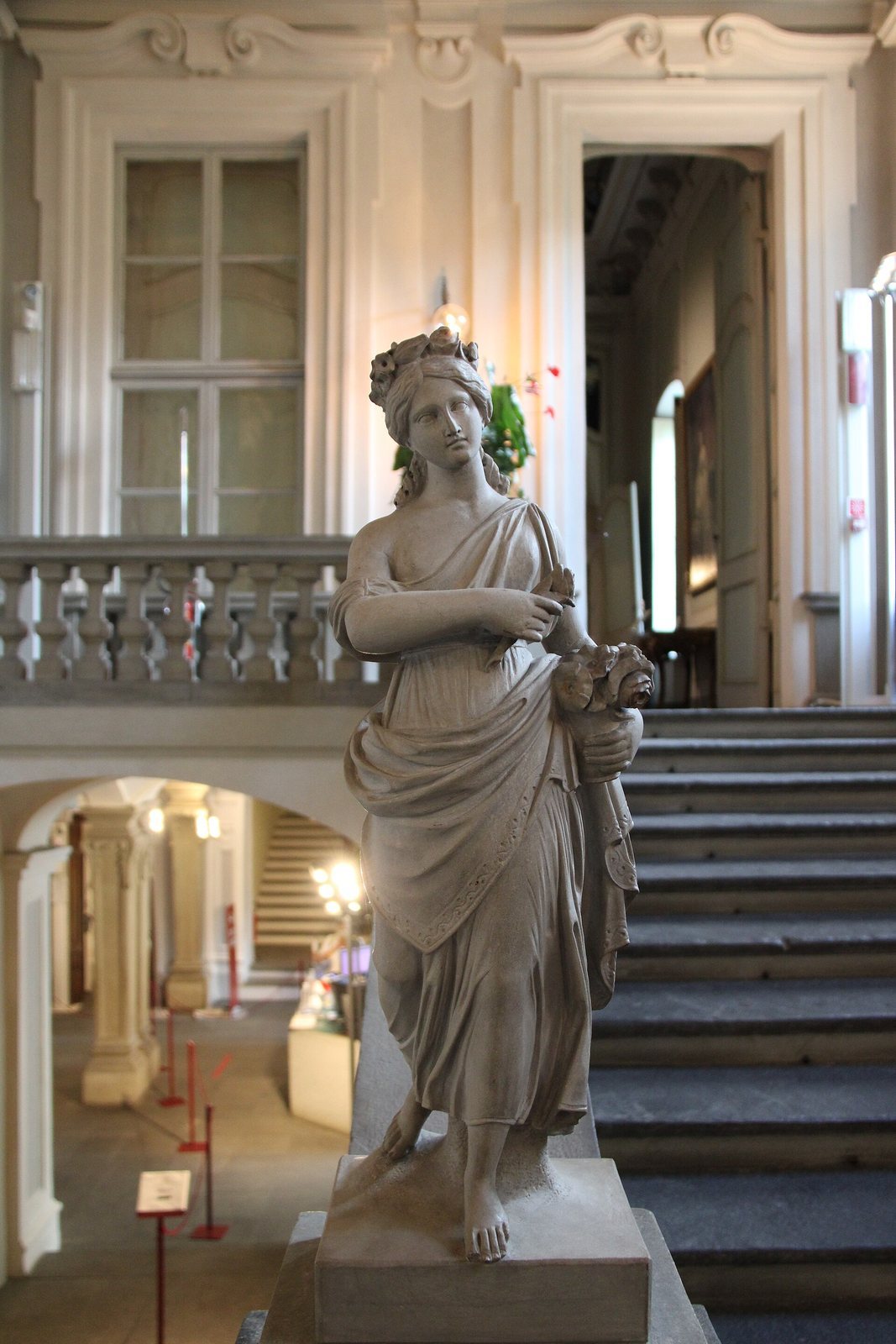
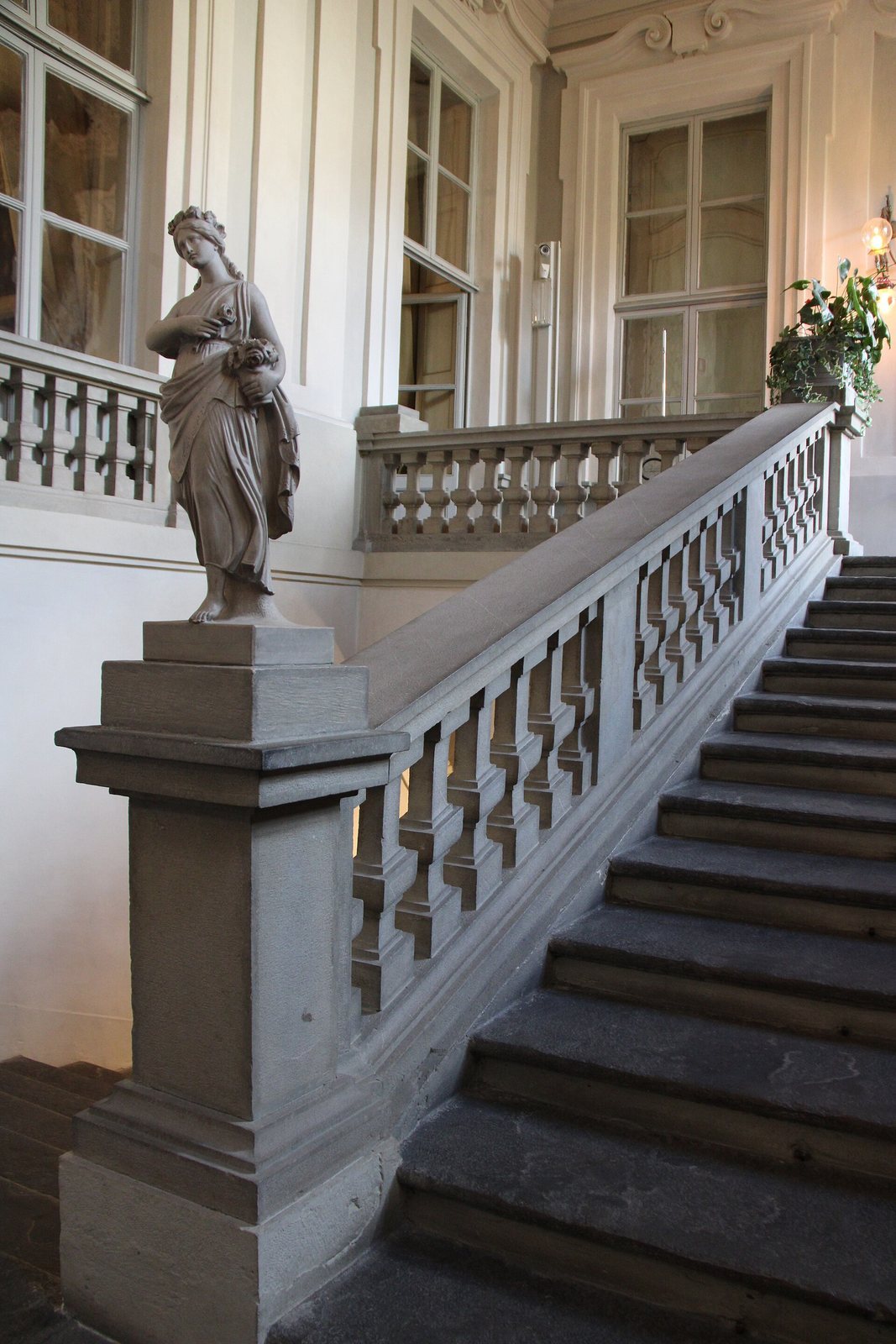
The palace overlooks Corso Alfieri, formerly the Contrada Maestra. Its identified architectural elements include a facade, atrium, staircase, first-floor gallery, and rooms east of the gallery. Work on the gallery took place in 1730; in 1751, work continued on the facade, atrium, staircase, and adjoining rooms. Storerooms occupy the basement, which also contains the permanent archaeological exhibition Souvenir m’en doit. Historic rooms are arranged on the principal floor, while the second floor is devoted to the art gallery. Restoration and a complete rearrangement of the displays had taken place by December 2011.
Civic collections
The collections bring together works in wood and ivory by Giuseppe Maria Bonzanigo (1745–1820), an Italian sculptor and carver, and an Oriental collection associated with naval officer Eugenio Secondo Guglielminetti. They also include the Gerbo collection of antique textiles and paintings from the seventeenth and eighteenth centuries by artists of the Piedmontese school. Other holdings comprise paintings by Asti artist Michelangelo Pittatore (1825–1903), a section devoted to nineteenth-century Asti, contemporary art connected with the Alfieri Prize, and antique coins collected by coin specialist Mario Rasero.