Castle of Machuraz: A Country Residence and Vineyard Estate
Site at a Glance
- Popularity
- Medium
- Country
- France
- Primary era
- Early Modern
- Eras represented
- Medieval, Early Modern, Modern
- Civilizations
- Duchy of Savoy, French, Holy Roman Empire
- Site type
- Domestic
- Remains
- Castle
On this page7 sections
History
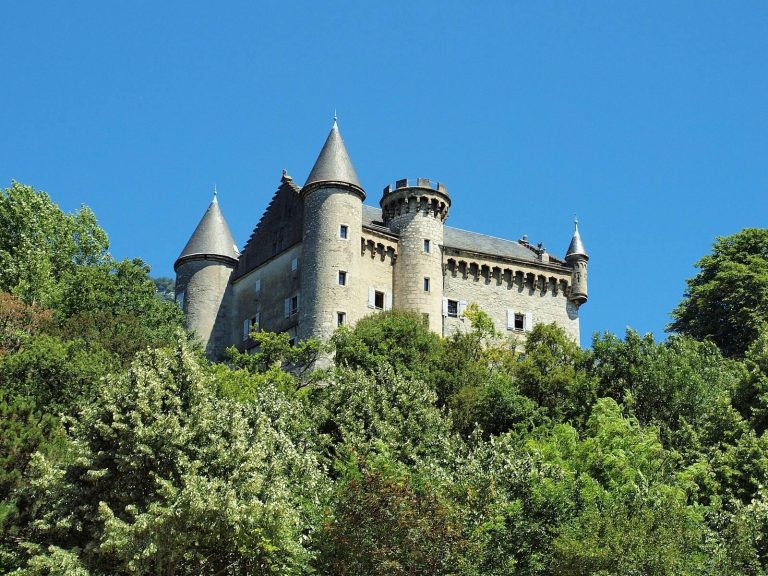
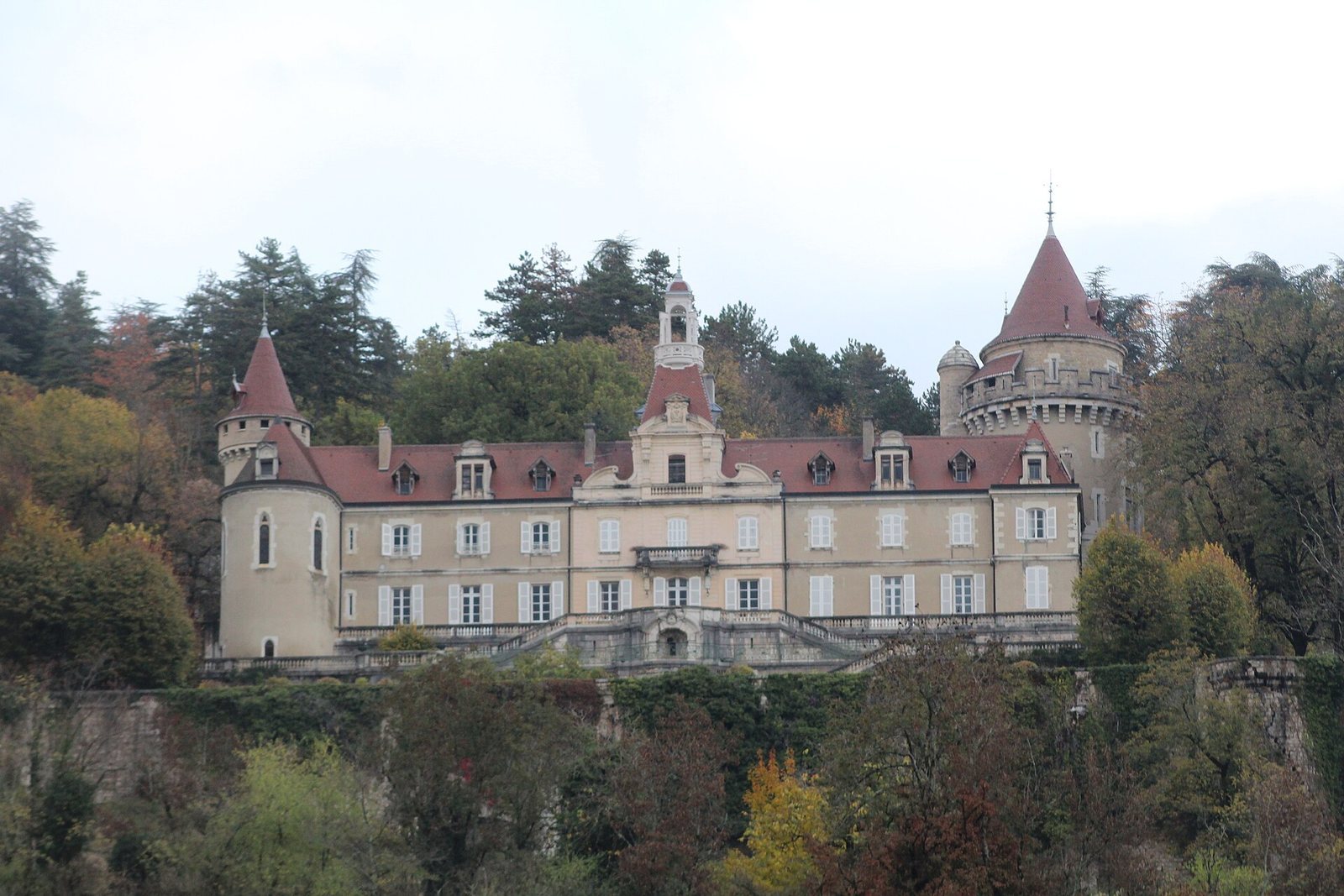
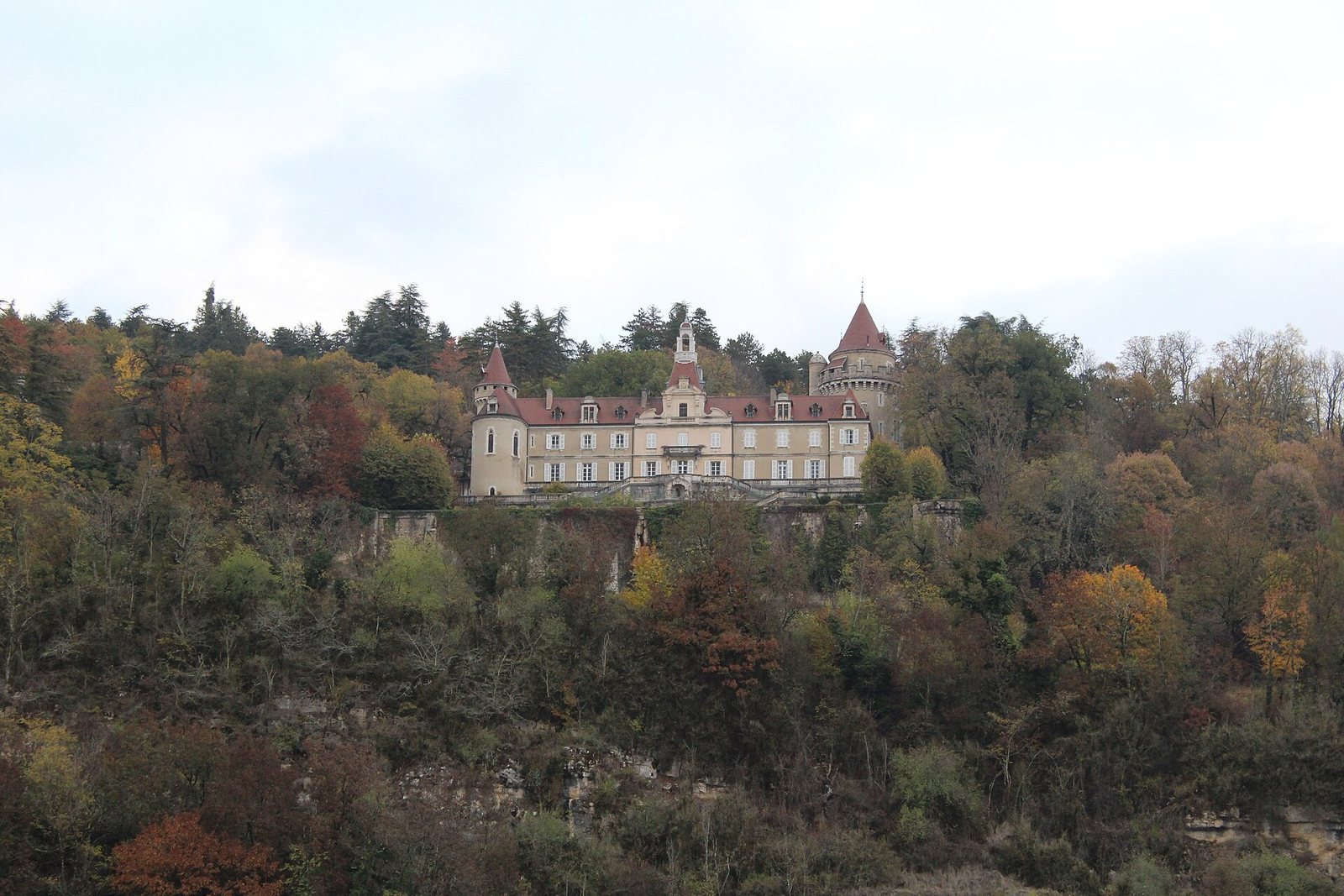
The Castle of Machuraz is a country residence in Valromey-sur-Séran, France, with a château dating to the sixteenth century and an estate rooted in a Cistercian vineyard established in the early twelfth century. The property is also locally known as the Château d’Artemare.
The Cistercian vineyard
When Cistercian monks, members of a Catholic monastic order, began cultivating vines at Machuraz in the early twelfth century, the land was largely scrub-covered and had no buildings. They chose the site because vines could not be grown on the higher Hauteville plateau. Around 1160, Gui de Graiseu and his son Aymon gave the monks their holdings there, with the consent of Léotaud de Chavornay. Further gifts followed from Humbert de Luyrieux in 1169, Guillaume de Roieu around 1172, and Pierre de Saint-Genis in 1181.
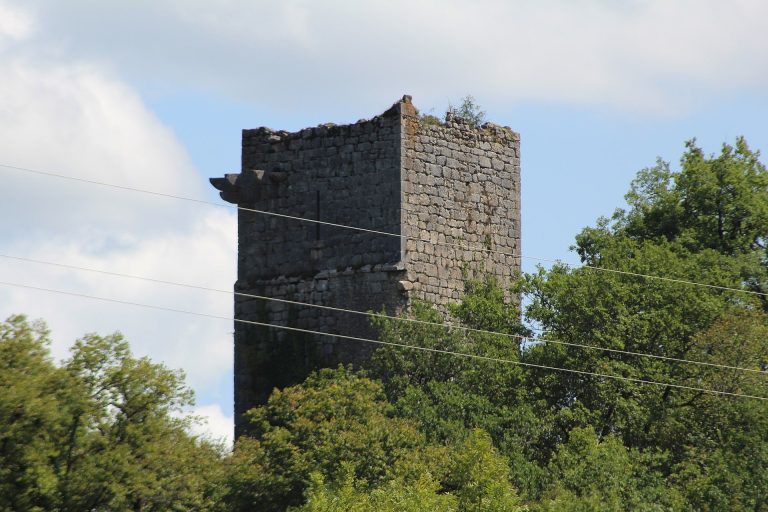
The monks enlarged the vineyard over the next three centuries, securing rights in neighboring land from Hugues de Mornay and his brothers in 1258, Emeline, wife of Bernard Ferra, in 1263, and Hugues Pochet de Don and Guillaume, lord of La Balme-en-Valromey, in 1267 and 1270. A cellar supported the winemaking operation, overseen by a resident lay brother, a monk who undertook practical work. A farm building housed workers who settled permanently at the site. A tower was added in the fourteenth century; in the fifteenth, the farm building and tower were replaced by a fortified house, which was in turn succeeded by the château in the sixteenth century.
From monastic estate to private residence
The monks kept the vineyard until the French Revolution, when land belonging to religious institutions could be sold as national property. On 26 February 1791, the estate was purchased by Jean Chanel, a former Franciscan friar from Lyon. It passed to General Baron Claude Dallemagne on 5 April 1809.
In the nineteenth century, the property belonged to Baron Léon d’Allemagne, also known as Dallemagne, Claude Dallemagne’s grandson. Around 1875, Louis Marie Meaudre des Gouttes acquired it. He served as a magistrate in Lyon and a prosecutor at the court in Belley, and chaired the board of Saint-Luc Hospital in Lyon from 1884 to 1902. The château has remained in the Meaudre family.
Remodelling and continuing vineyard production
Benoît-Joseph Chatron remodelled the château during the nineteenth century, and its construction was completed late in that century. The property is now a private residence. The estate and château, together with their associated buildings and grounds, were registered as a historic monument in 2006.
The vineyard remains in production, with wines made under the Bugey controlled-origin designation, a French system linking a product name to defined production and geographic rules. Since 2012, the Caveau Bugiste has vinified and marketed the wines.
Remains
Estate buildings and grounds
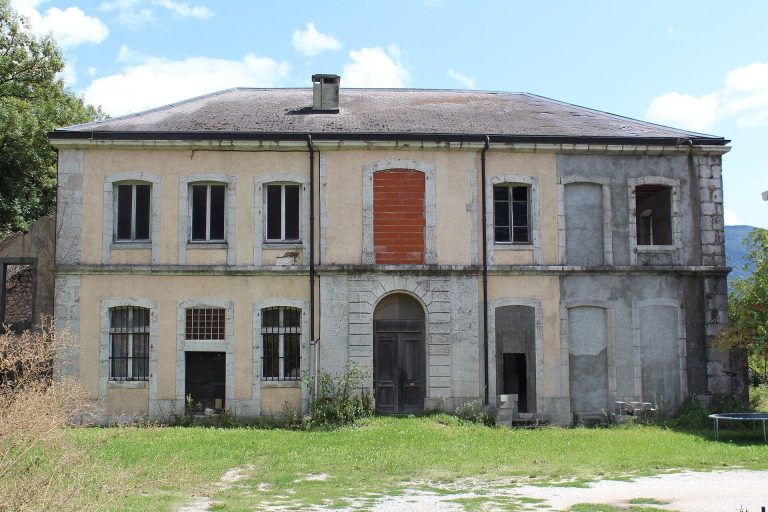
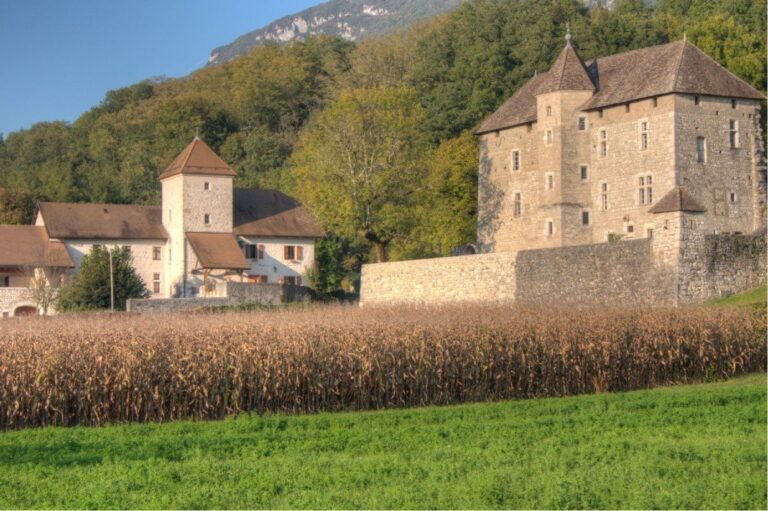
The estate comprises the château, gates, outbuildings, stables, a cellar, a north staircase with a fountain, a house, a vegetable garden, and railings around the park. Together, these features form the surviving built and landscaped components of the country property.
Cellars and vineyard
The cellars have barrel vaults, which are continuous arched ceilings, and groin vaults, formed where two barrel vaults intersect. A curved-profile column supports one of the groin vaults. It appears to have been reused from an earlier Roman monument, suggesting activity at the site before the medieval vineyard. The vineyard covers about three hectares, with 1.33 hectares planted with Chardonnay and 1.72 hectares with Mondeuse.