Quinta Vigia: The Official Residence of Madeira’s President
Site at a Glance
- Popularity
- Medium
- Country
- Portugal
- Primary era
- Modern
- Eras represented
- Early Modern, Modern
- Civilizations
- Portuguese
- Site type
- Civic
- Remains
- Palace
On this page9 sections
History
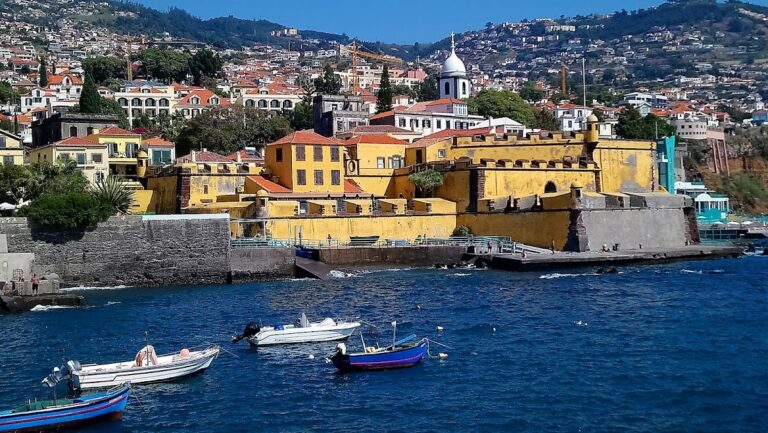
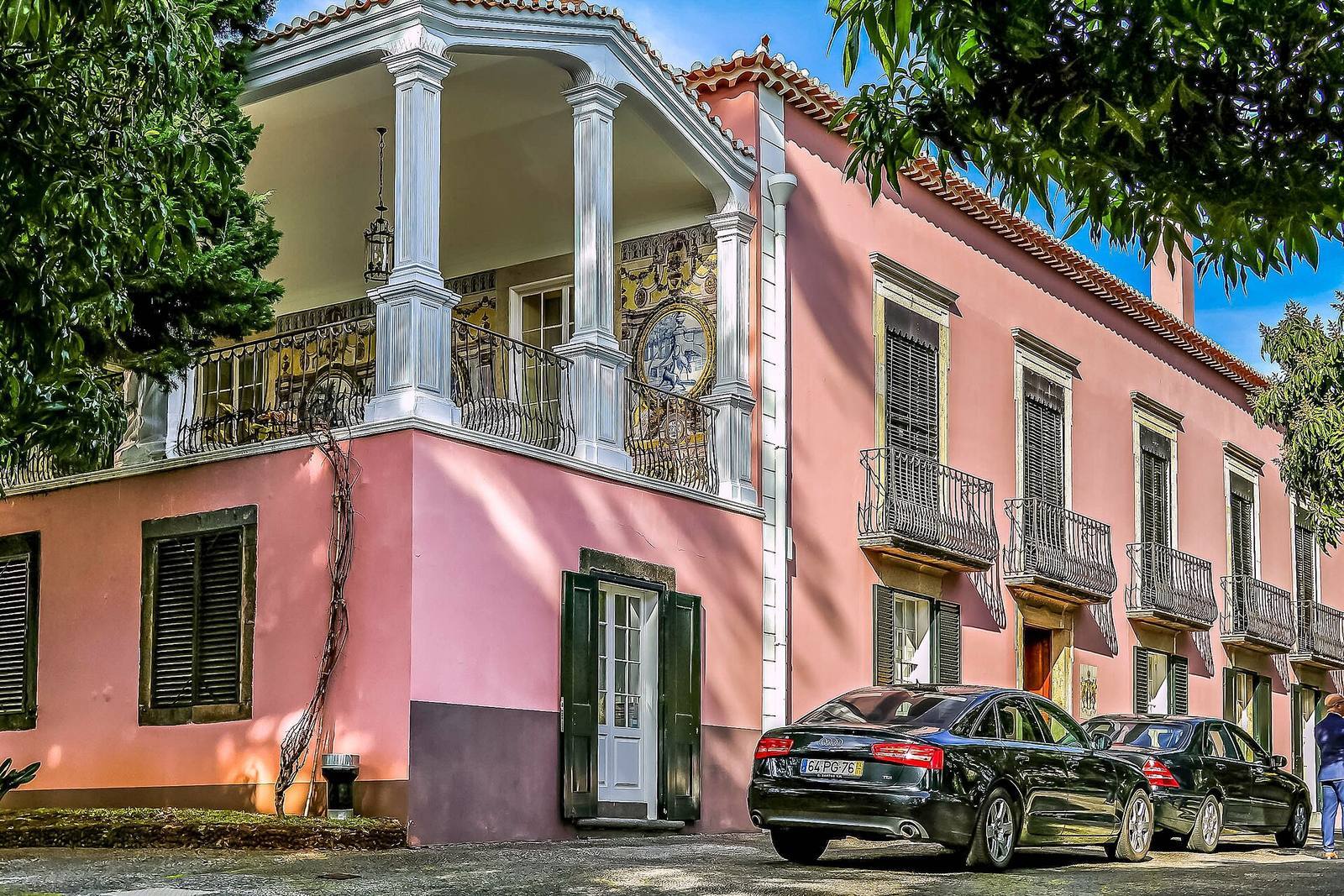
Quinta Vigia is an estate residence in Funchal, on Madeira, Portugal, associated with Baroque and Neoclassical architecture. The property now bearing this name was built in the early 1970s, but its history draws on the earlier Quinta das Angústias and a nearby estate once called Quinta Vigia.
The chapel and the Quinta das Angústias
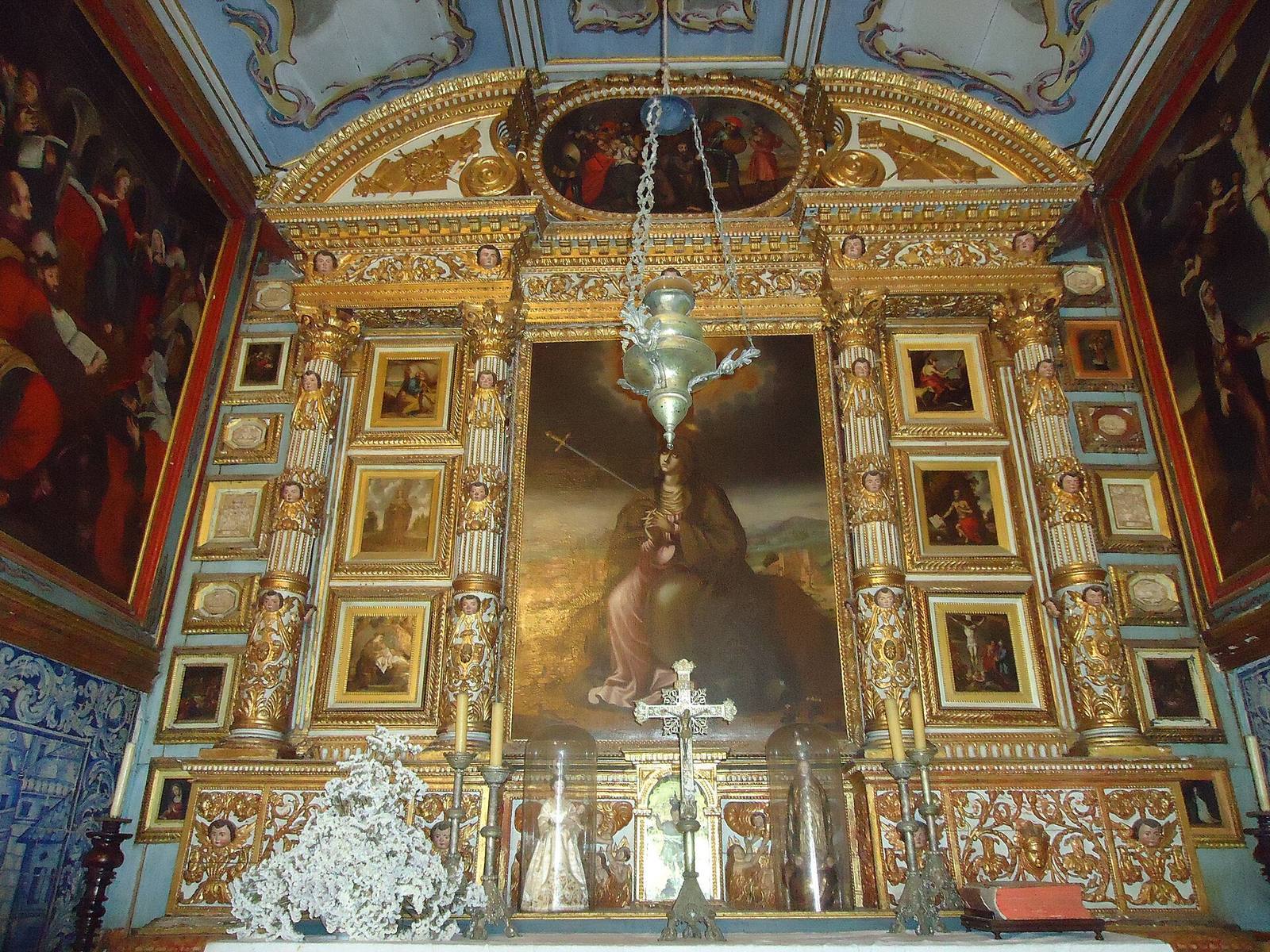
The estate was first known as Quinta das Angústias, a name connected to its Catholic chapel. Work on the chapel began in 1662 under Daniel da Costa Quintal. In the eighteenth century, Guiomar Madelena Acciaoli incorporated it into the estate.
Nineteenth-century residents and royal guests
In August 1846, anti-Calvinist riots targeted the estate’s Protestant owner, Mrs. Rutherford. Two Rutherford sisters lived there, one of them disabled, and the chapel escaped damage. Maximilian de Beauharnais, Duke of Leuchtenberg, stayed at the quinta in 1849–1850.
In August 1852, Empress Amélia of Brazil leased the estate to house her only daughter, Princess Maria Amélia, who had tuberculosis. Madeira’s climate was then believed to offer a remedy, but the princess died of the disease on 4 February 1853, aged 21. Amélia later established the Hospício Dona Maria Amélia on Avenida do Infante, between the estate and Funchal, initially as a hospital for people with tuberculosis.
Empress Elisabeth of Austria spent six months at the quinta in 1860, seeking to recover after the death of her eldest daughter. Her sister, Queen Maria of Naples, had recommended Madeira, and Queen Victoria offered to take Elisabeth to the island aboard the royal yacht HMS Osborne. Elisabeth returned in 1893. She was reportedly suffering from anorexia and depression, attributed to her unhappy marriage and concern with her appearance.
Changing owners and names
In March 1864, Count Alexander Charles Lambert, a former aide to the Russian empress, bought the estate for 9 million reis, the Portuguese currency of the time, and renamed it Quinta Lambert. He lived largely in seclusion and took little part in local life. João Paulo de Freitas acquired the property in 1903 and restored the name Quinta das Angústias.
The present Quinta Vigia
The original Quinta Vigia stood nearby, on land where the Pestana Casino Park Hotel now occupies the western portion. That earlier estate was demolished in 1960. The present property was built in the early 1970s and operated as the Grand Season Hotel. After Madeira’s autonomy had been established, the Regional Government of Madeira purchased it in 1979.
The property housed the Madeira Conservatory of Music for a time; the conservatory moved to the former Hotel Nova Avenida in 1981. Restoration of the gardens, chapel, and palace began that year. The estate took the name Quinta Vigia in 1982, recalling the former nearby property, and became the president of Madeira’s official residence on 2 May 1984. The Regional Government owns the estate, which serves as the president’s residence and office.
Remains
Estate layout
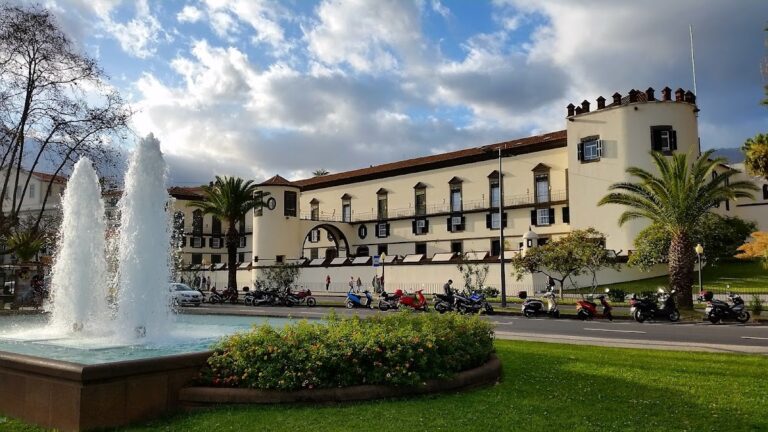
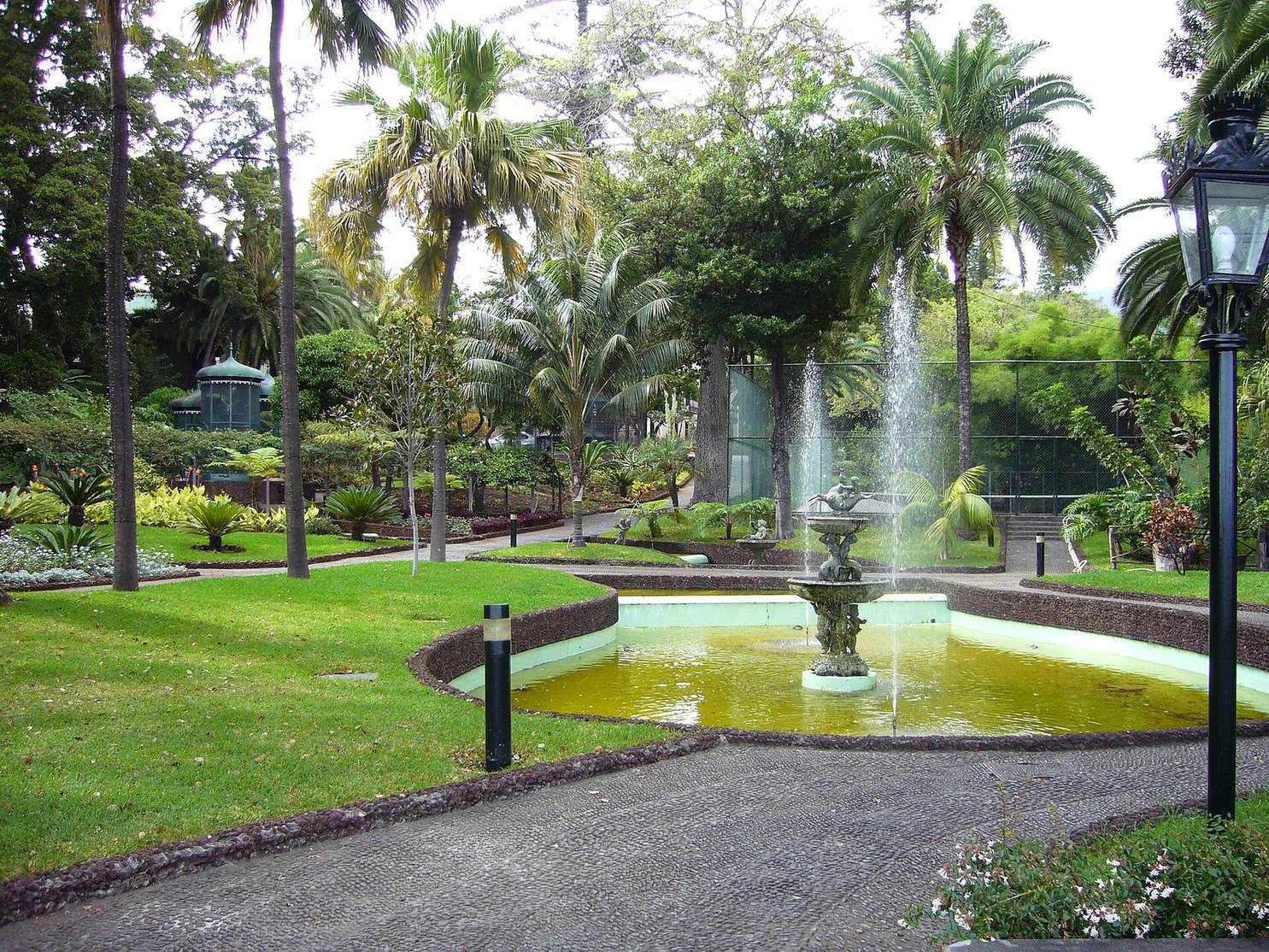
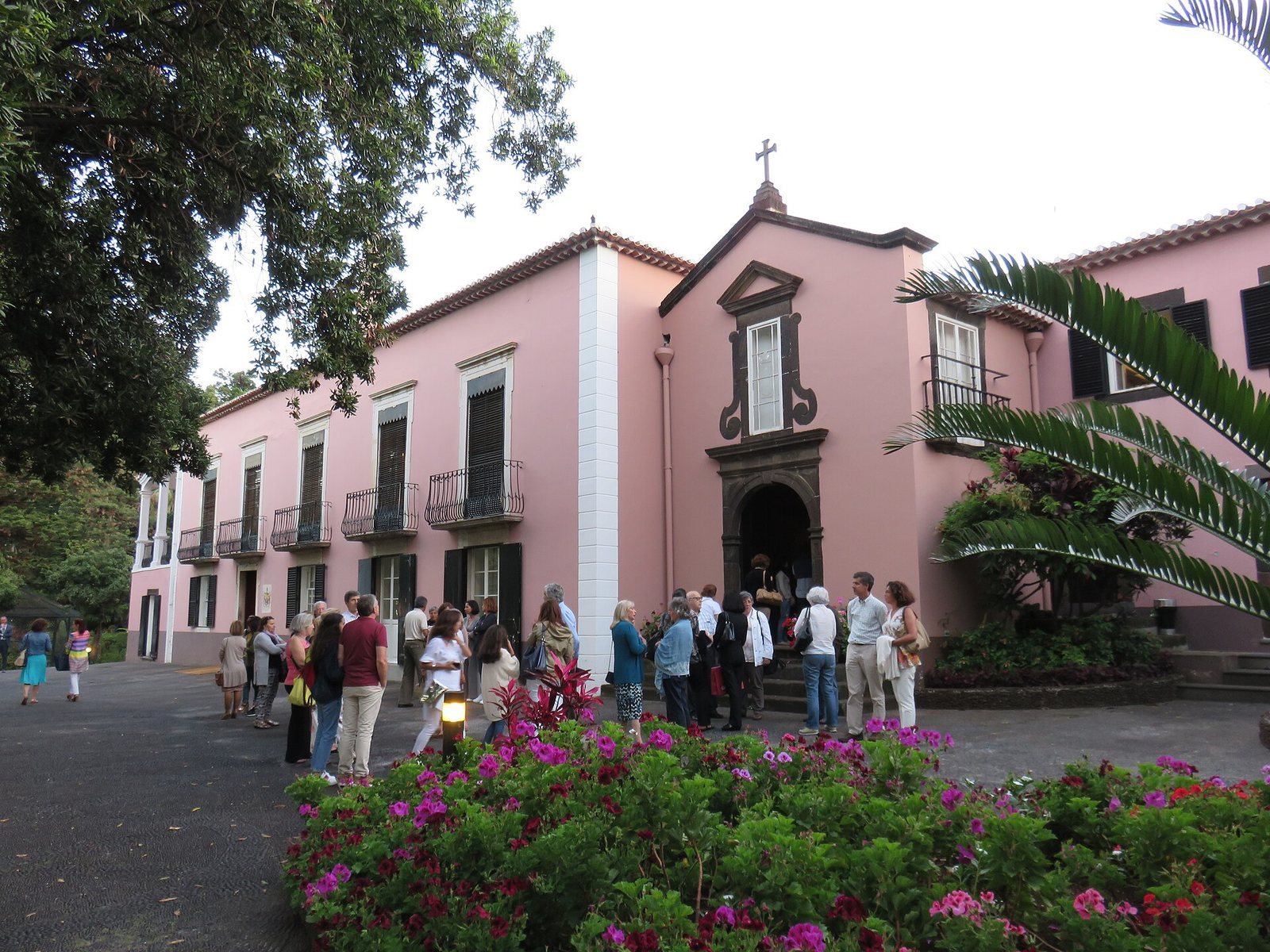
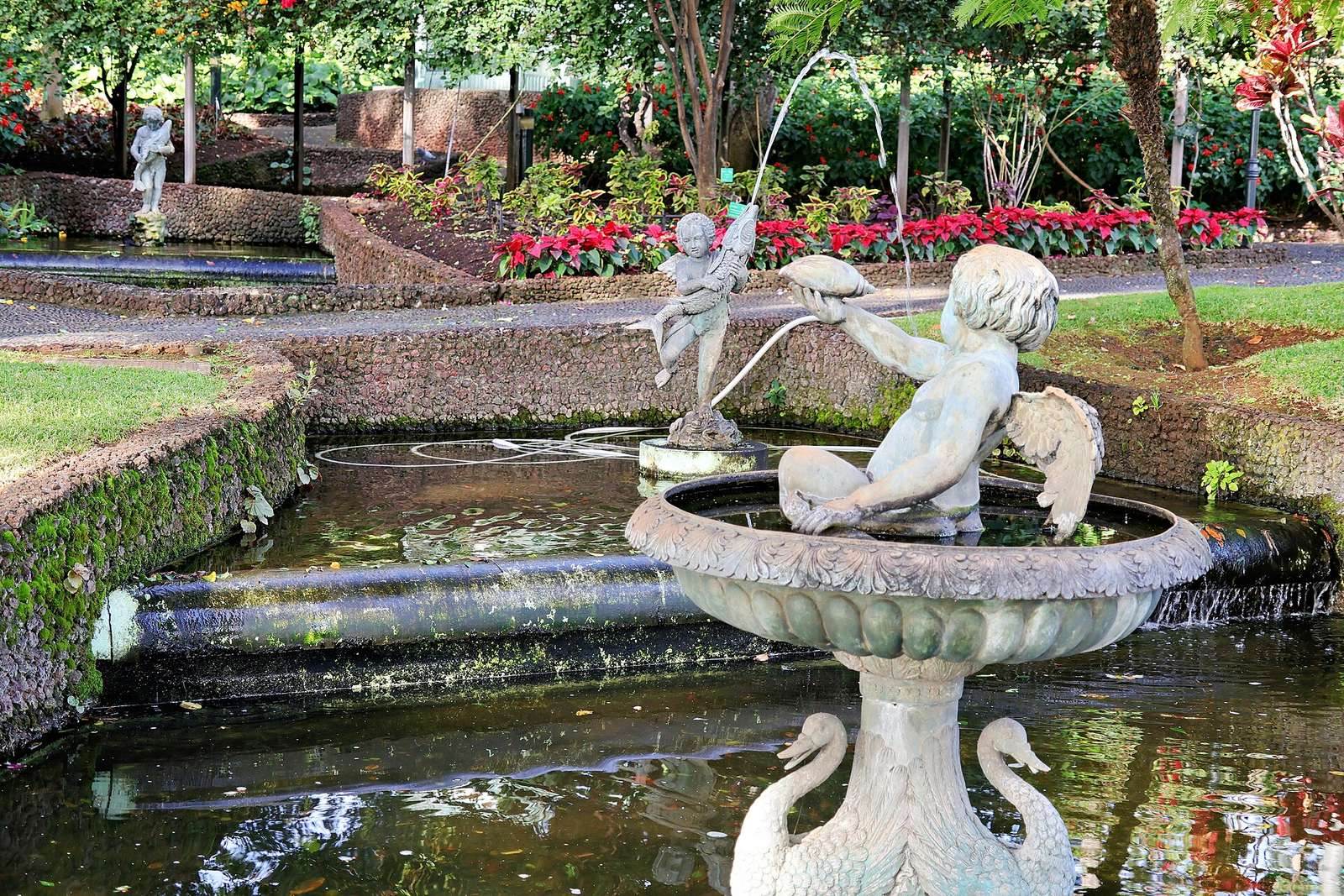
The estate includes a palace, gardens, and a Catholic chapel, and its stated floor area is 10,000 square metres. Its architectural character is described as Baroque and Neoclassical, styles associated respectively with dramatic ornament and with designs drawing on ancient Greek and Roman models.
Chapel
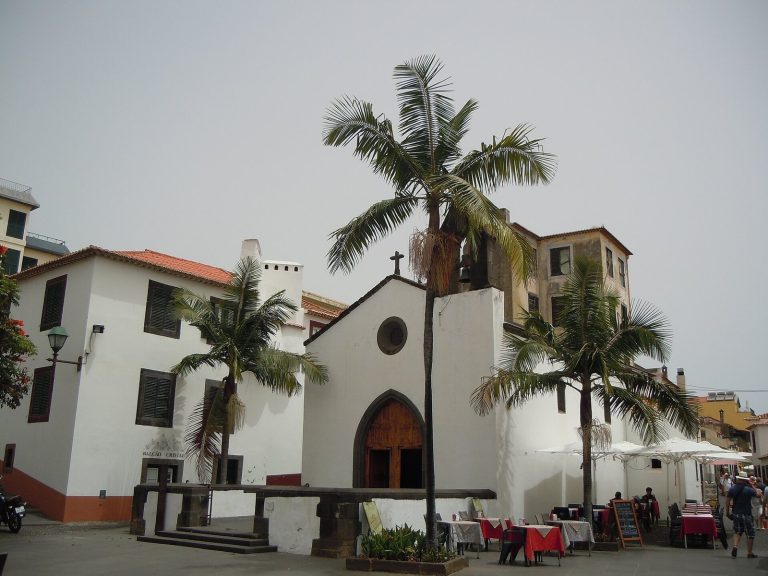
Dedicated to Our Lady of Anguish, a devotional title for the Virgin Mary, the chapel has its present form from the eighteenth century. Its construction had begun in 1662, and it was later incorporated into the estate.
Palace and gardens
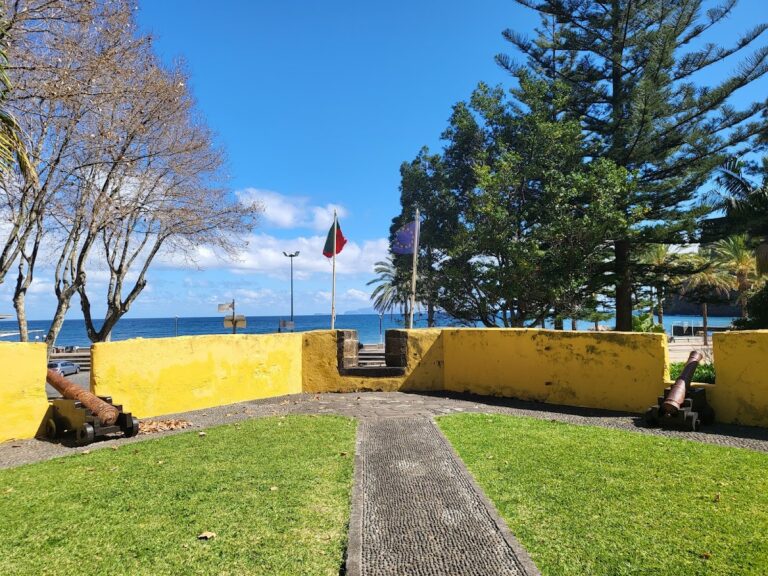
The gardens provide a view over Funchal Bay, and the palace’s main façade is visible from them. The nineteenth-century quinta had 20 bedrooms and six sitting rooms. A statue of Empress Elisabeth stands in the immediate vicinity of the estate.