Schloss Gerbstedt: A Historic Manor Estate and Prussian Administrative Seat
Site at a Glance
- Popularity
- Medium
- Country
- Germany
- Primary era
- Early Modern
- Eras represented
- Early Modern
- Civilizations
- Holy Roman Empire
- Site type
- Domestic
- Remains
- Manor House
On this page8 sections
History
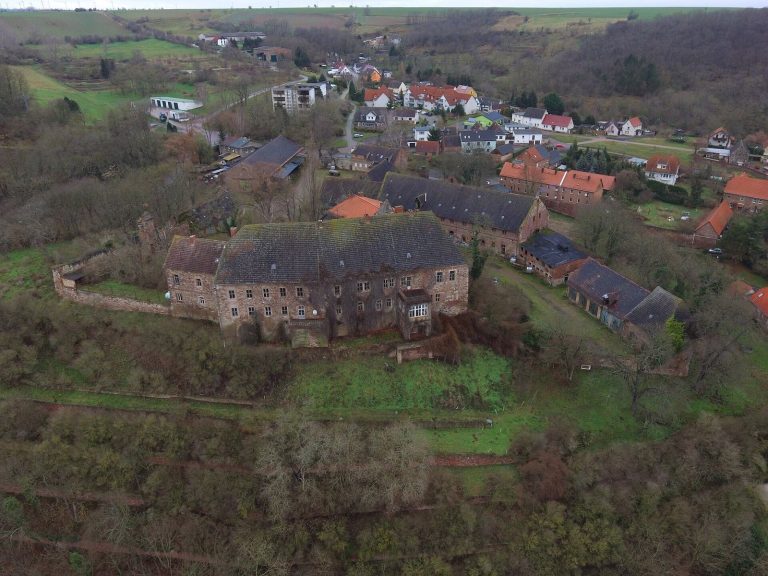
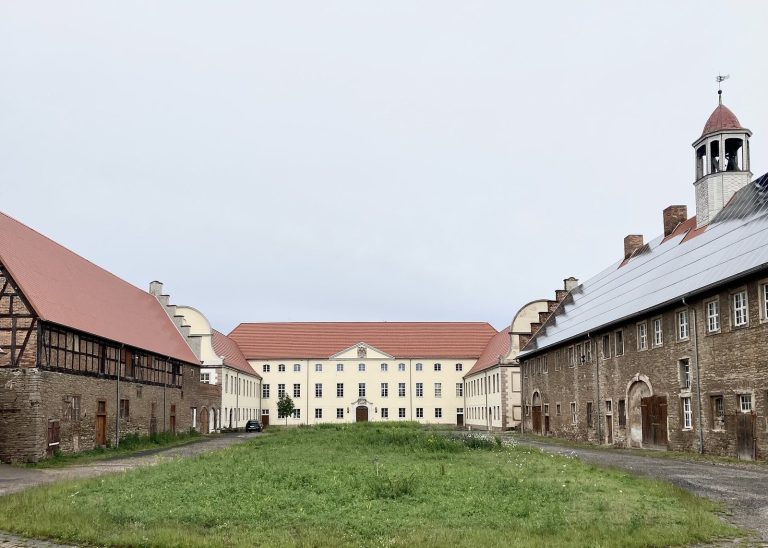
Schloss Gerbstedt is a historic manor estate in Gerbstedt, Germany, whose recorded history as a von Steuben fief dates to the fifteenth century. A fief was land held from a superior lord under feudal terms.
The von Steuben estate
A right to expect the estate had been recorded from 1400. After 1442, Bernd von Steuben or his son Hartwig received it, along with the rural community of Ribbesdorf north of Gerbstedt, from the Counts Volker and Johann Gebhard of Mansfeld. The precise date of the grant is unknown. Bernd established the Gerbstedt branch of the family, which ended in 1605 when its last feudal holder, Christian Ernst von Steuben, died. The estate then passed to the Friedeburg branch.
In 1653, Martin Christoph von Steuben added Tresewitz, a farm associated with Gerbstedt Monastery. Growing debts threatened the estate with a forced sale. On 10 September 1720, it was pledged to the Royal Prussian administration. A loan of 20,000 thalers in 1723 did not prevent its eventual sale.
Prussian administration and later owners
In 1738, King Friedrich Wilhelm I of Prussia bought the estate and its lands from the von Steuben family for 42,775 thalers. He also acquired a neighboring monastery farm from the von Plotho family, joining the two properties as the Amt Gerbstedt. An Amt was a territorial administrative unit and the office that governed it. Gerbstedt became its administrative seat for the king’s youngest son, Prince Ferdinand of Prussia.
The Amt remained the prince’s property until 1810, when its chief administrative official, Johann Friedrich Neumann, bought it. Neumann left the estate to his son Friedrich Wilhelm von Neumann, a Prussian diplomatic councillor who was ennobled and later joined the Prussian House of Lords, the upper chamber of the legislature. Around 1890, the Gerbstedt estate district had 30 inhabitants.
The estate later passed to the counts von der Schulenburg through the marriage of a Neumann daughter. Mathilde von Neumann, who held the family entail, married landowner Hans-Joachim von der Schulenburg in Berlin in 1909. An entail restricted the sale of an estate and directed its inheritance within a family. Mathilde owned 213 hectares in 1922. The von der Schulenburg family was expropriated in 1945. Job Werner von der Schulenburg, who also held property at Beetzendorf, was the last owner of the Gerbstedt estate.
Remains
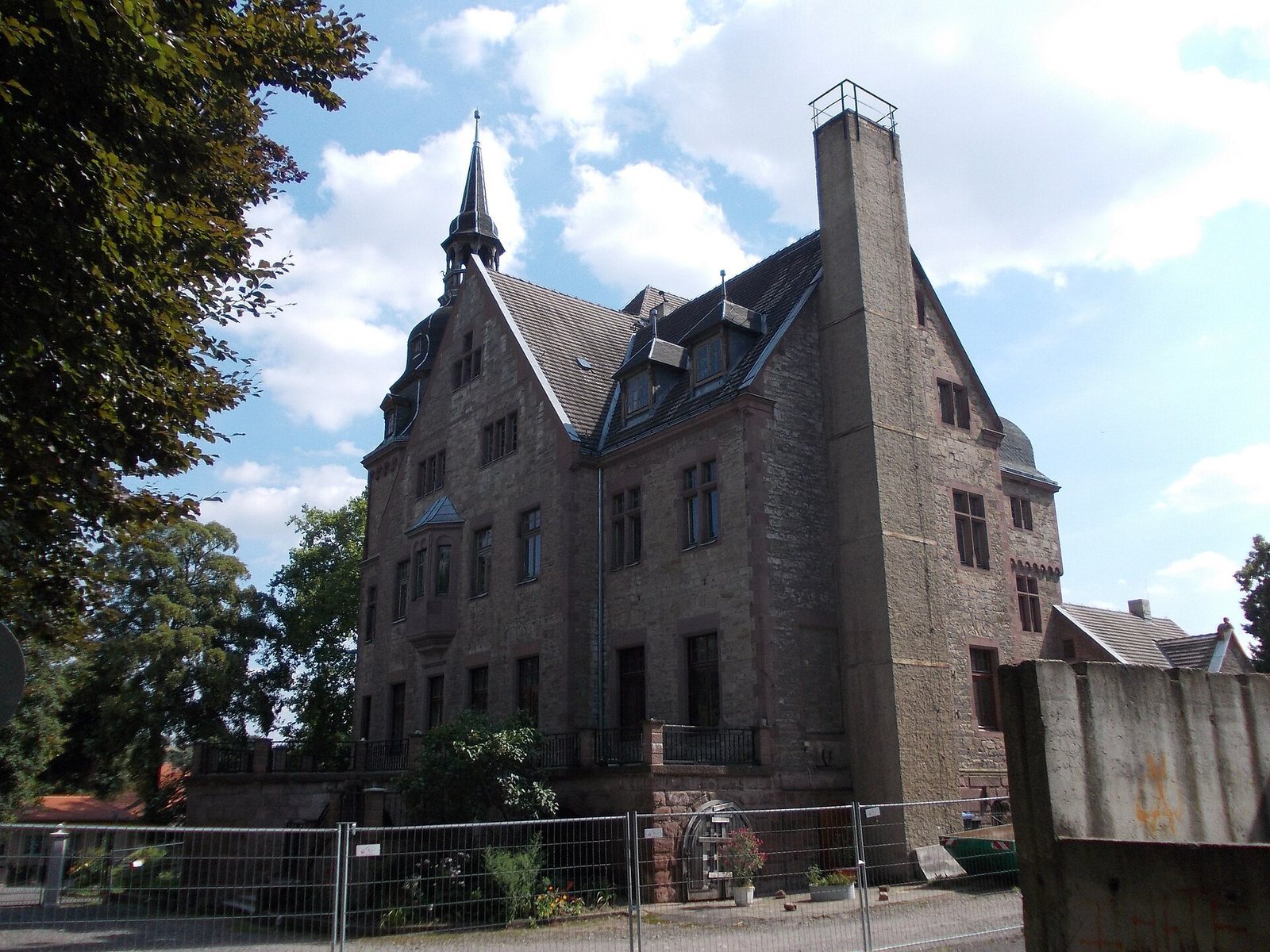
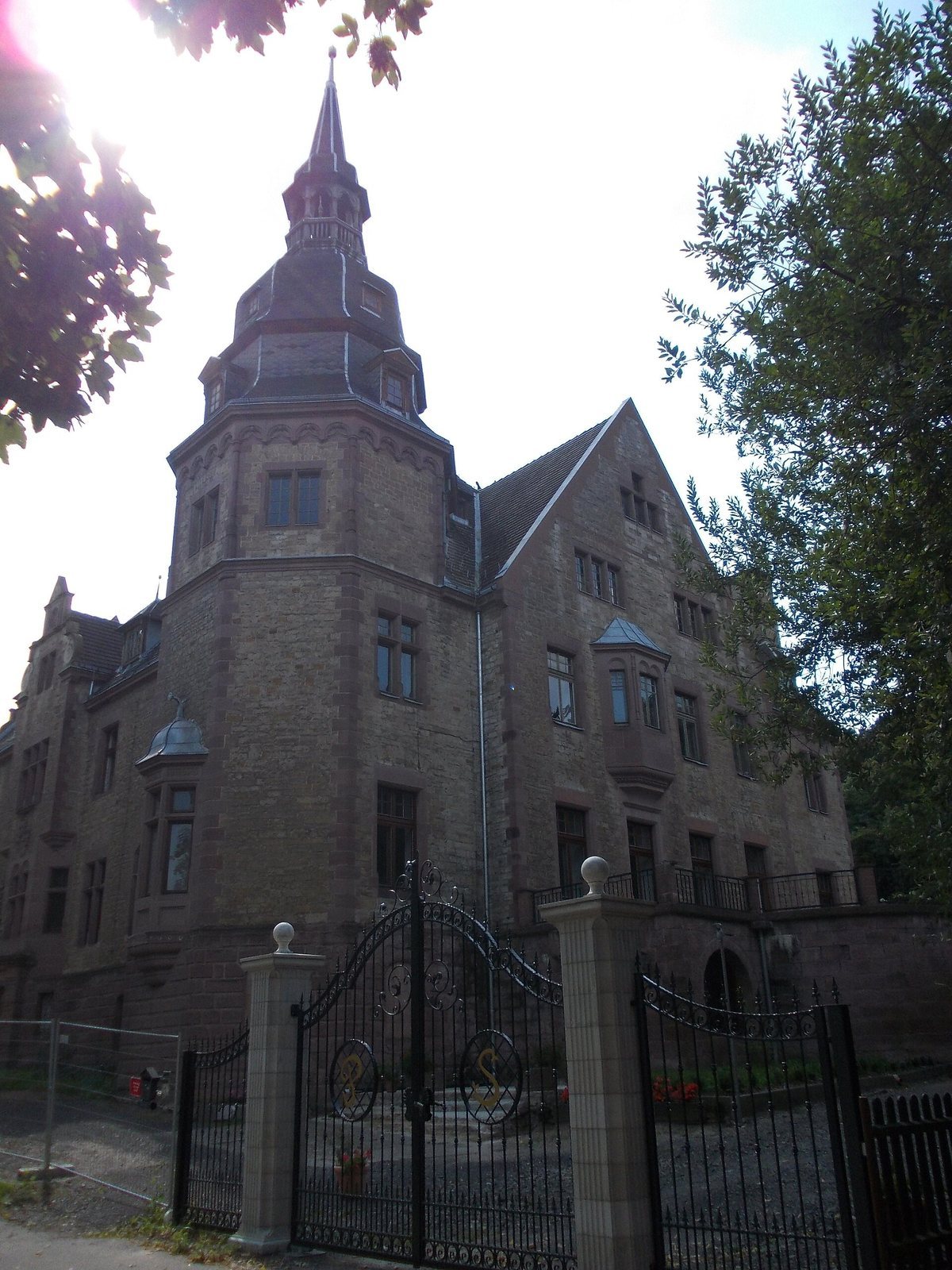
The surviving architectural evidence at Schloss Gerbstedt includes carved stone on the estate tower and inscribed slabs above entrances to the residential house and another entrance.
Carved stone and inscriptions
Estate tower coats of arms
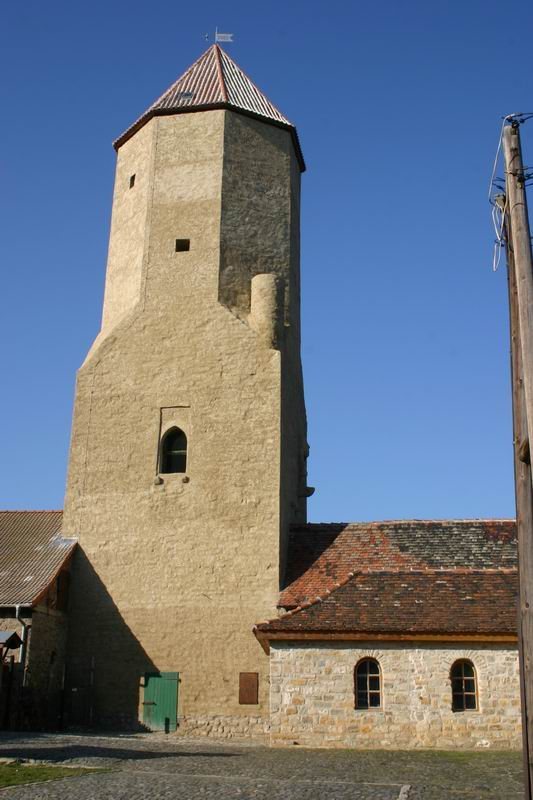
Stone-carved coats of arms belonging to the von Steuben and von Quitzow families remain on the estate tower. The von Quitzow arms are linked to Christoph and Metilla von Quitzow and bear the date 1596.
Residential-house inscription
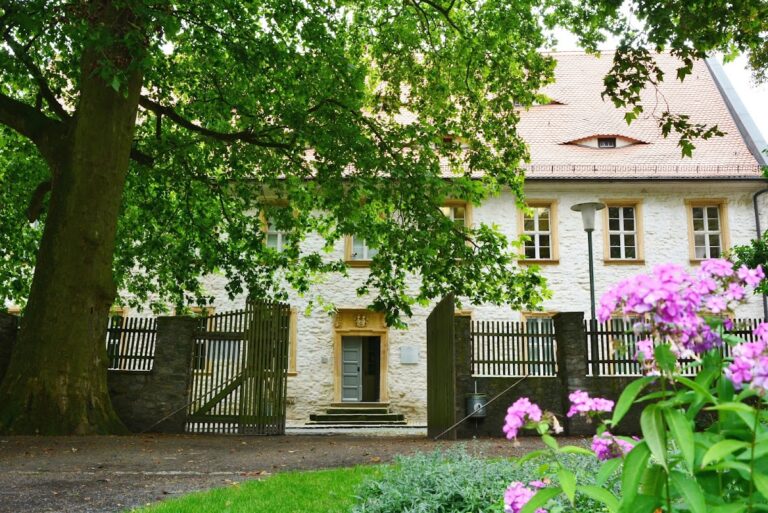
A stone slab above the residential-house entrance carries three coats of arms and the names Catharina Hedwig von Wrisberg, Christoph Otto Steube, and Augusta Maria von der Asseburg. Beneath the von Steuben motto, whose sense is trust in the Highest’s constant protection, the inscription appeals to God to guard the house, turn away misfortune, grant blessings, and allow its owner to honor him with gratitude. The slab is dated 1675.
Devotional verse above an entrance
A separate inscription above an entrance presents the owner’s love, life, honor, possessions, and inner self as entrusted to a faithful God, so that an enemy cannot cause harm.