Maribo Abbey: Denmark’s First Bridgettine Monastery
Site at a Glance
- Popularity
- Medium
- Country
- Denmark
- Primary era
- Medieval
- Eras represented
- Medieval, Modern
- Civilizations
- Danish
- Site type
- Religious
- Remains
- Cathedral
On this page8 sections
History
Foundation and medieval abbey
Maribo Abbey was a Bridgettine monastery founded in 1416 in Maribo, on Lolland in southern Denmark. The Bridgettine Order was a Christian religious order associated with St Bridget of Sweden. The abbey became one of Denmark’s most important religious houses in the late Middle Ages, and its church was built in the Gothic style.
The abbey was established at Skimminge, a settlement later called Marienbo and then Maribo, on land known as Grimstrup. Queen Margaret I donated the land, and her successor, Eric of Pomerania, added to it. A city charter protected the town from interference by local nobles, and the abbey received papal confirmation in 1418. Monks from Vadstena Abbey in Sweden, the order’s mother house, came to establish the new community.
Work on the church choir had begun before 1408, and earlier construction was apparently incorporated into the abbey church, which was completed by 1470. At its height, the abbey held several manors and more than 400 farms. Like other Bridgettine double monasteries, it housed women religious and male clergy. Its prescribed community comprised 60 nuns, 13 canons, four deacons and eight lay brothers. The abbess governed the nuns and held ultimate authority over the abbey, while a general confessor led the canons.
Reformation and secular canonesses
In October 1536, Denmark’s king and State Council adopted the Lutheran Ordinances, measures that organized the Lutheran church in Denmark. The government then closed religious houses, and Maribo Abbey was dissolved. The nuns could stay at Maribo without state support until 1551. Some apparently went to Mariager Abbey in Jutland, where the last nun died in 1588; a few remained at Maribo.
In 1556, the abbey was reorganized as a Lutheran house of secular canonesses, women attached to a religious foundation but not members of a monastic order. King Christian III visited in August to witness a young woman’s induction. Mette Marsvinsdatter became abbess and controlled the estates that supported the community, while Drude Pogvisk served as prioress. Noble families paid for unmarried daughters or sisters to live there, generally for life unless a marriage prospect arose. The women were not nuns, but were expected to take part in Protestant religious practices and good works.
In 1563, the Lutheran bishop of Fyn, who had responsibility for Maribo, received complaints that some women prayed for the dead, sang Catholic hymns, refused to hear the Lutheran pastor’s sermons and resumed Bridgettine dress. Later accusations described unrestricted visitors, quarrels and disobedience toward the abbess, and frequent drunkenness. They also claimed that the women drank the fourteen barrels of beer received annually as rent, and more, and used their rooms as brothels.
Parish church and closure
After Maribo’s parish church burned in 1596, the abbey church also served the town’s parish. The abbey closed in 1621, and its buildings and estates passed to Sorø Academy, a Danish educational institution, as a source of income. Most of the buildings were dismantled for their materials.
When the Diocese of Lolland–Falster was established in 1803, the abbey church became its cathedral. A separate women’s Bridgettine community, Habitaculum Mariæ Abbey, was founded in Maribo in 2006 at a different location from the historic abbey. The historic site remains protected.
Remains
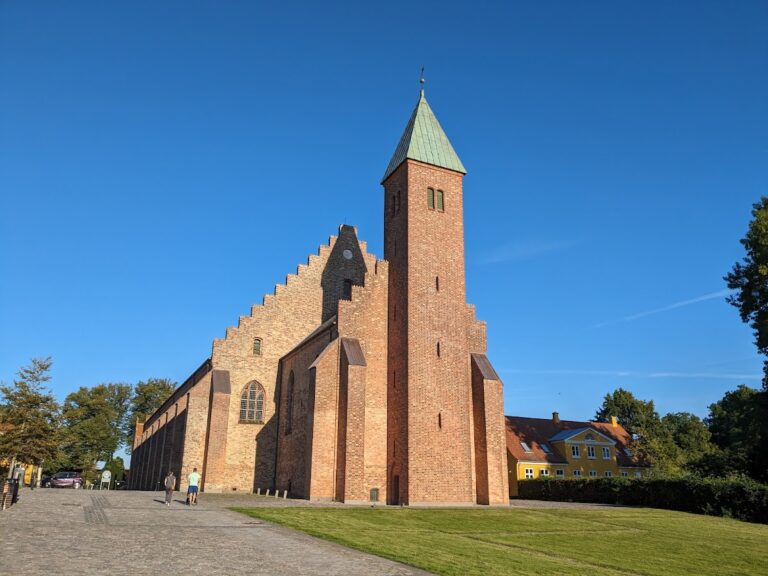
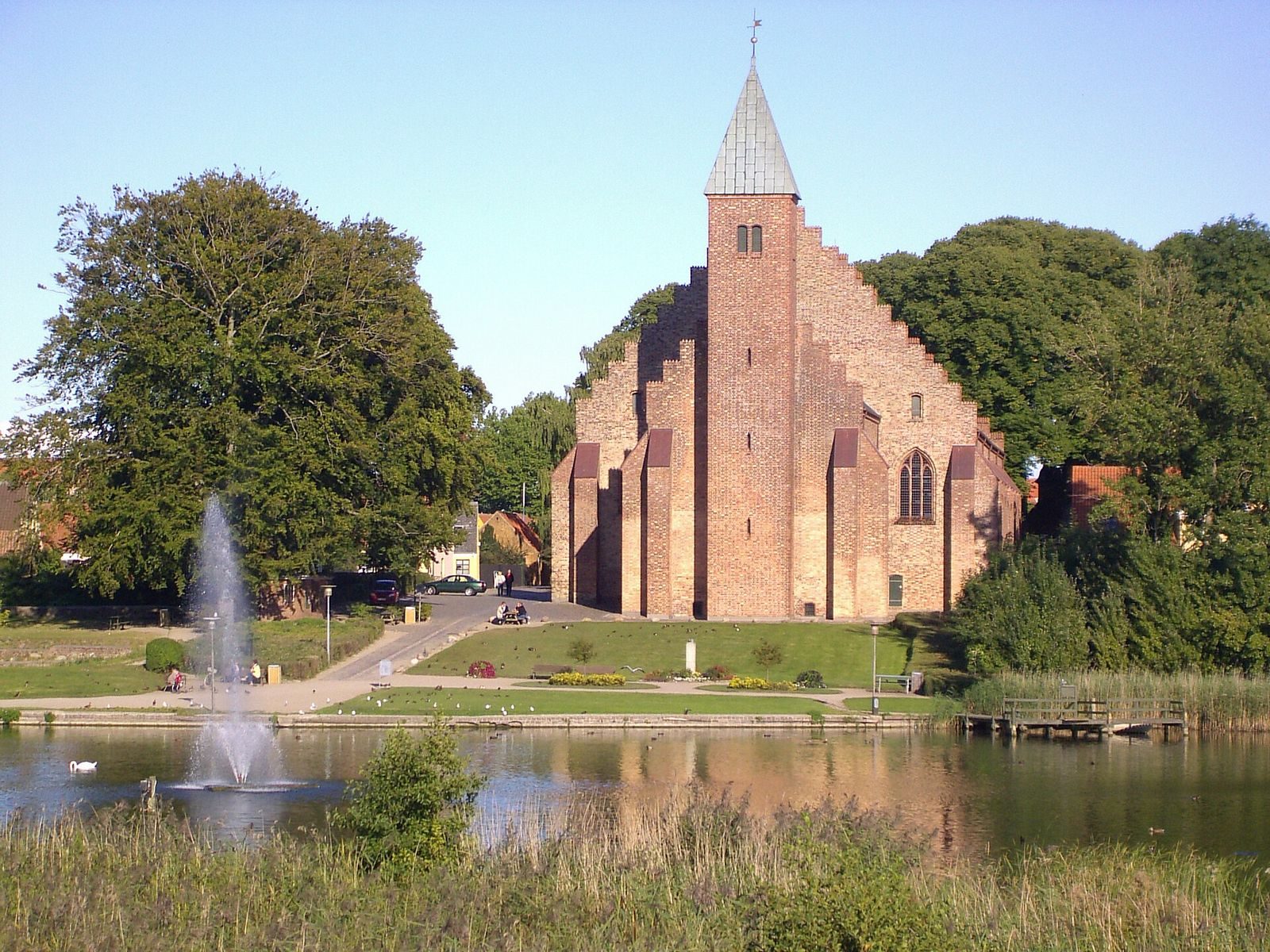
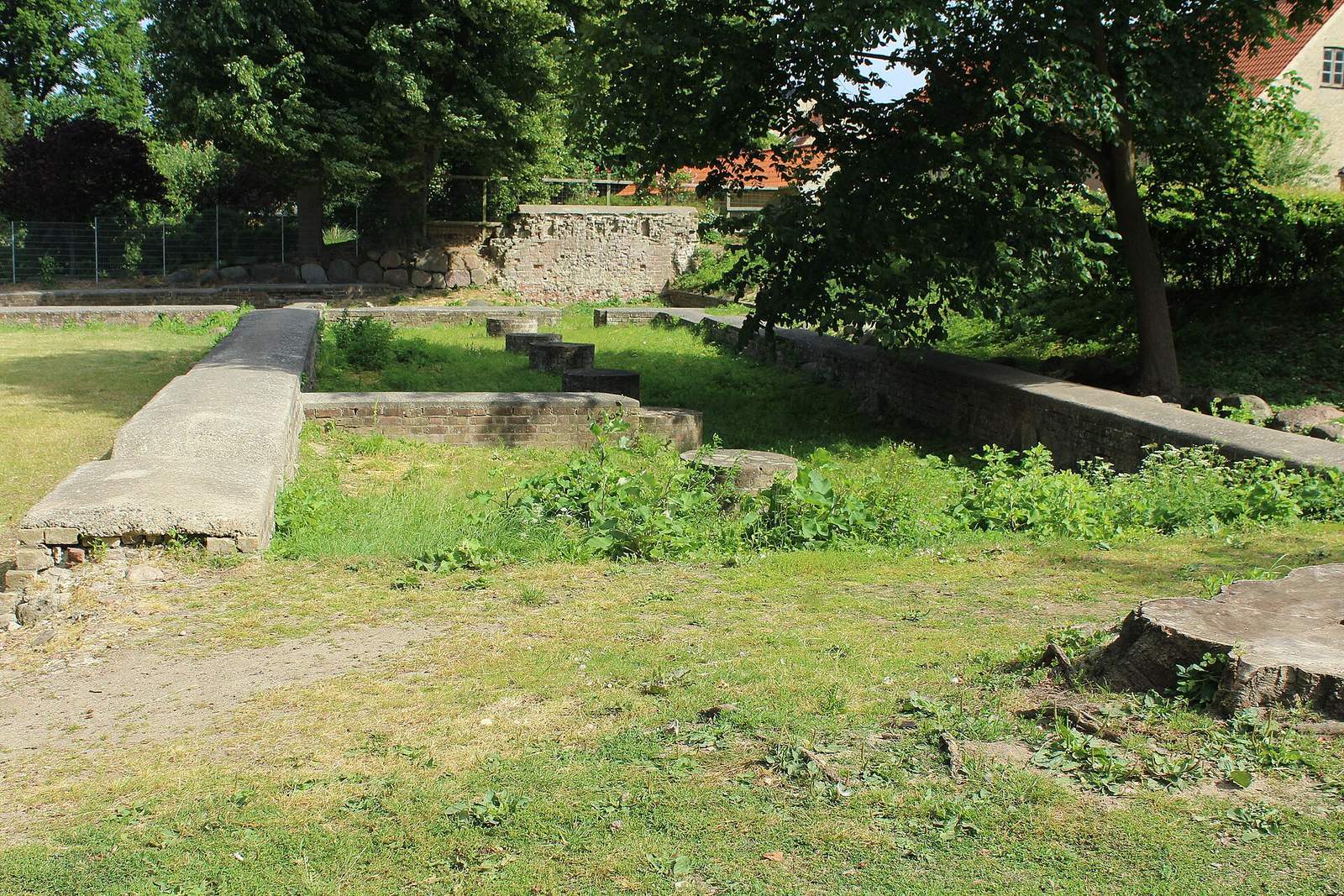
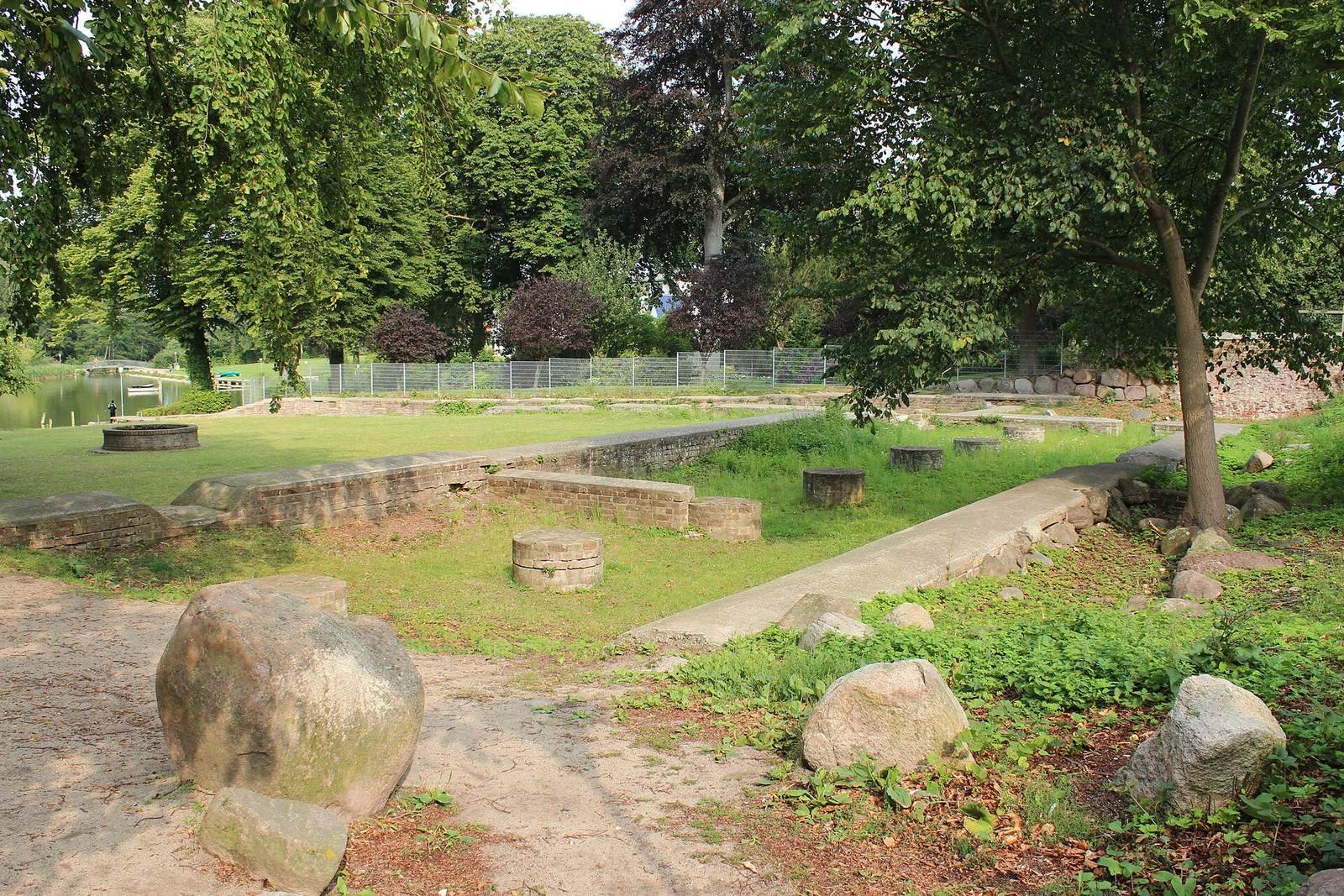
The abbey complex is now in ruins, while its red-brick Gothic church survives. The church has a rectangular plan, and the former conventual buildings were arranged in separate sections for nuns and canons.
Surviving structures
Abbey church
The church’s nave is flanked by two side aisles, which reach the same height as the nave and choir. Restoration in the 1860s, undertaken after the building had fallen into disrepair, replaced the earlier west tower with a slender new one. The church tower is associated with five bells. The oldest, made by an unknown maker and surviving from the original abbey church, cracked and was removed from the tower in 1996.
Conventual buildings
The conventual buildings are in ruins. They were divided into two sections, with the nuns’ section north of the canons’ section.