La Berlière Castle: An Eighteenth-Century Residence in France
Site at a Glance
- Popularity
- Very Low
- Country
- France
- Primary era
- Early Modern
- Eras represented
- Early Modern
- Civilizations
- French
- Site type
- Domestic
- Remains
- Elite Residence
On this page6 sections
History
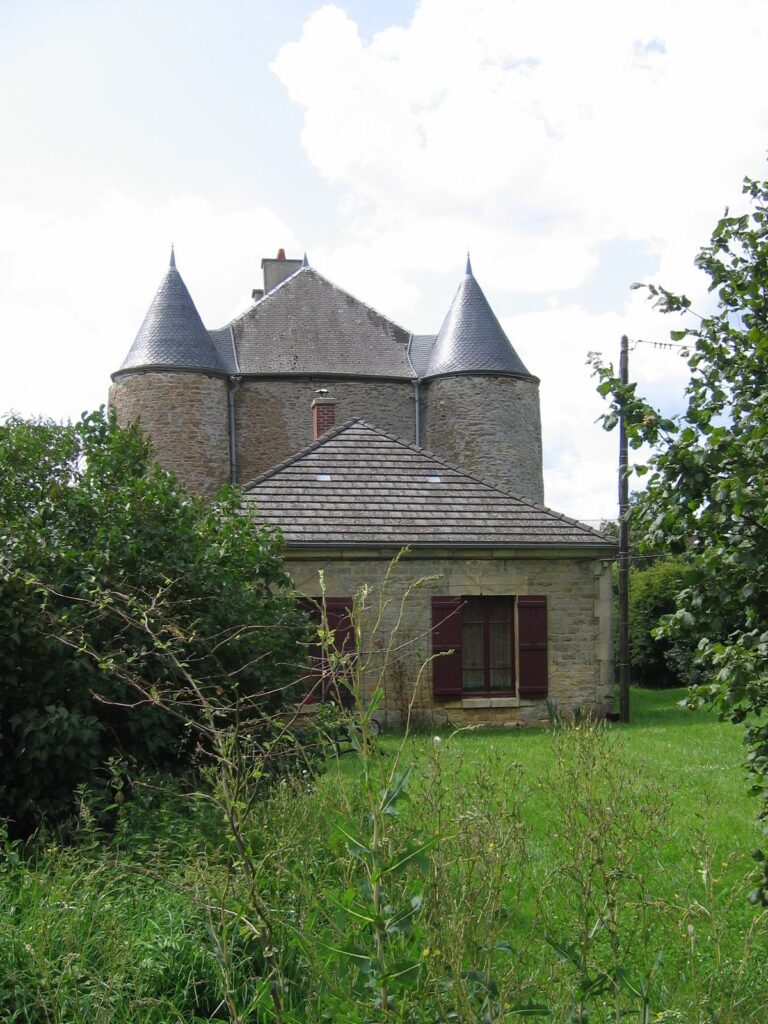
La Berlière Castle is an eighteenth-century residence in France, built in 1740 by Mathieu de Fumeron, lord of La Berlière. Its design is described as closer to an eighteenth-century folly, an ornamental building created for visual or recreational effect, than to a conventional château.
Eighteenth-century origins
De Fumeron was a knight of the Royal and Military Order of Saint Louis, a French royal order recognizing military service, and a commissary of war, an official responsible for military administration. After his son emigrated, the property passed into state ownership and was sold as national property during the French Revolution.
Military use and historic-monument listing
During the German invasion of France in World War II, the château served as the command post of General Grandsard, commander of the 10th Army Corps, a large military formation within General Charles Huntziger’s Second Army. On the afternoon of May 13, 1940, Huntziger was inspecting the château when a report from the 55th Infantry Division informed Grandsard of the German breakthrough and the crossing of the Meuse south of Wadelincourt. While privately owned, the château was listed as a historic monument in 1984.
Remains
Exterior
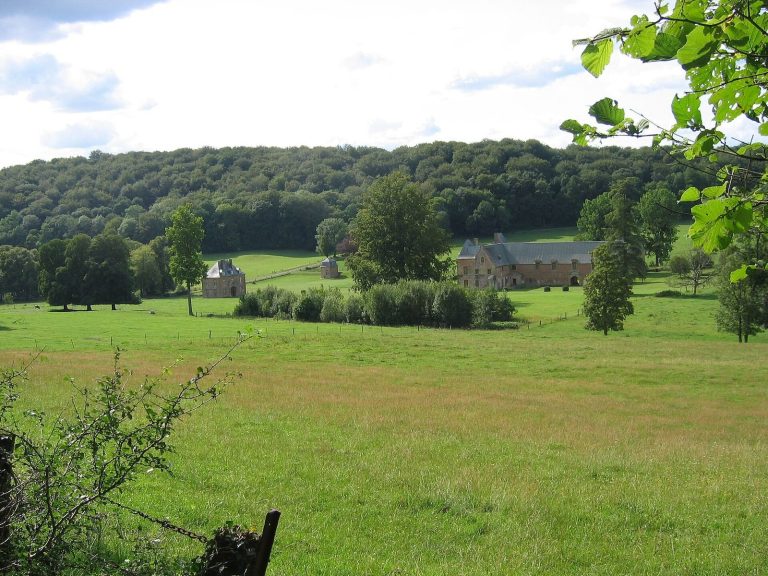
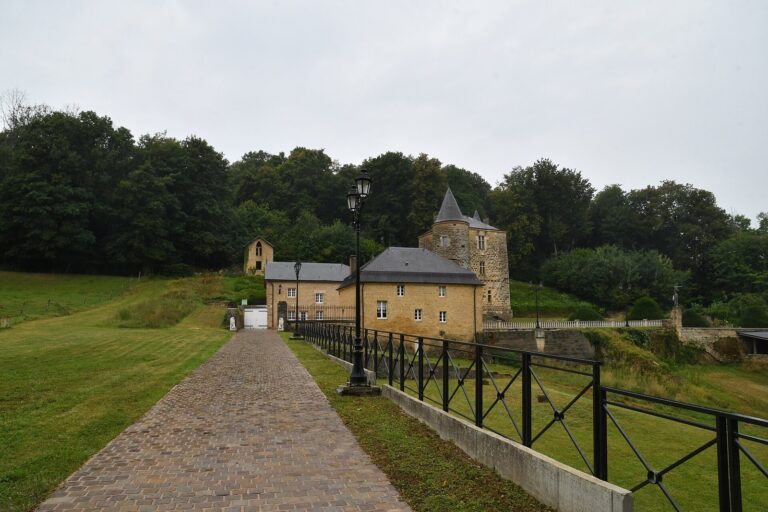
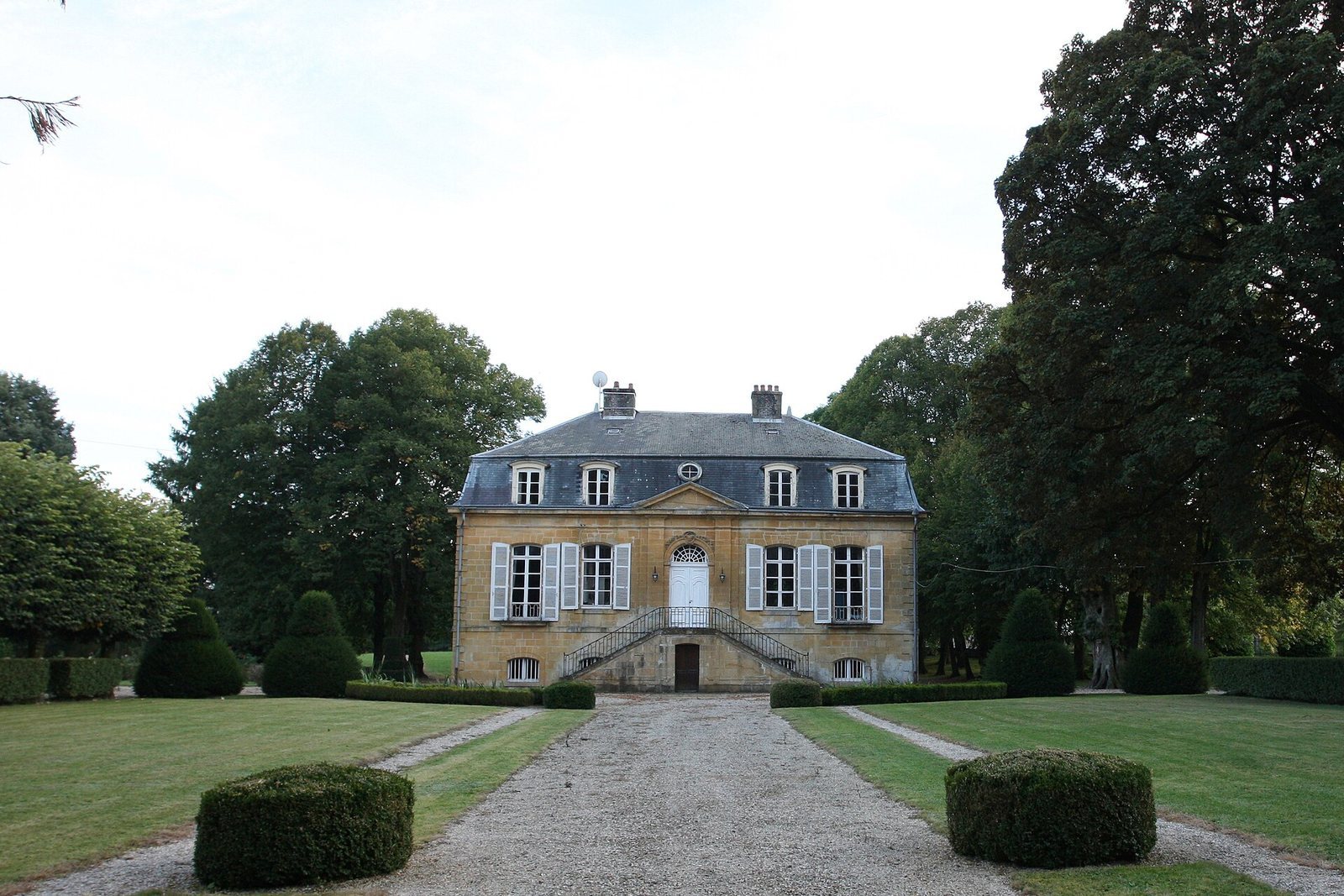
The château stands at the edge of La Berlière toward Oches, in the Bièvre valley, where the Bièvre flows into the Bar. Built of yellow stone, it is set within a park of lime trees and clipped boxwood. The facade is divided into five bays, or vertical sections, above a markedly raised ground floor. An upper storey sits beneath a Mansard roof, whose lower slopes are steeper than its upper slopes. The front also has an elevated entrance platform reached by a double-flight staircase, shallow vertical strips of stone, and a low triangular pediment.
Interior
The fireplaces are traditionally said to have come from Belval Abbey. The basement’s arched rooms contained kitchens and service spaces.