Saschiz Fortress: A Medieval Refuge in Romania
Site at a Glance
- Country
- Romania
- Primary era
- Medieval
- Eras represented
- Medieval, Early Modern
- Civilizations
- Hungarian, Ottoman, Principality of Transylvania
- Site type
- Military
- Remains
- Fort
On this page7 sections
History
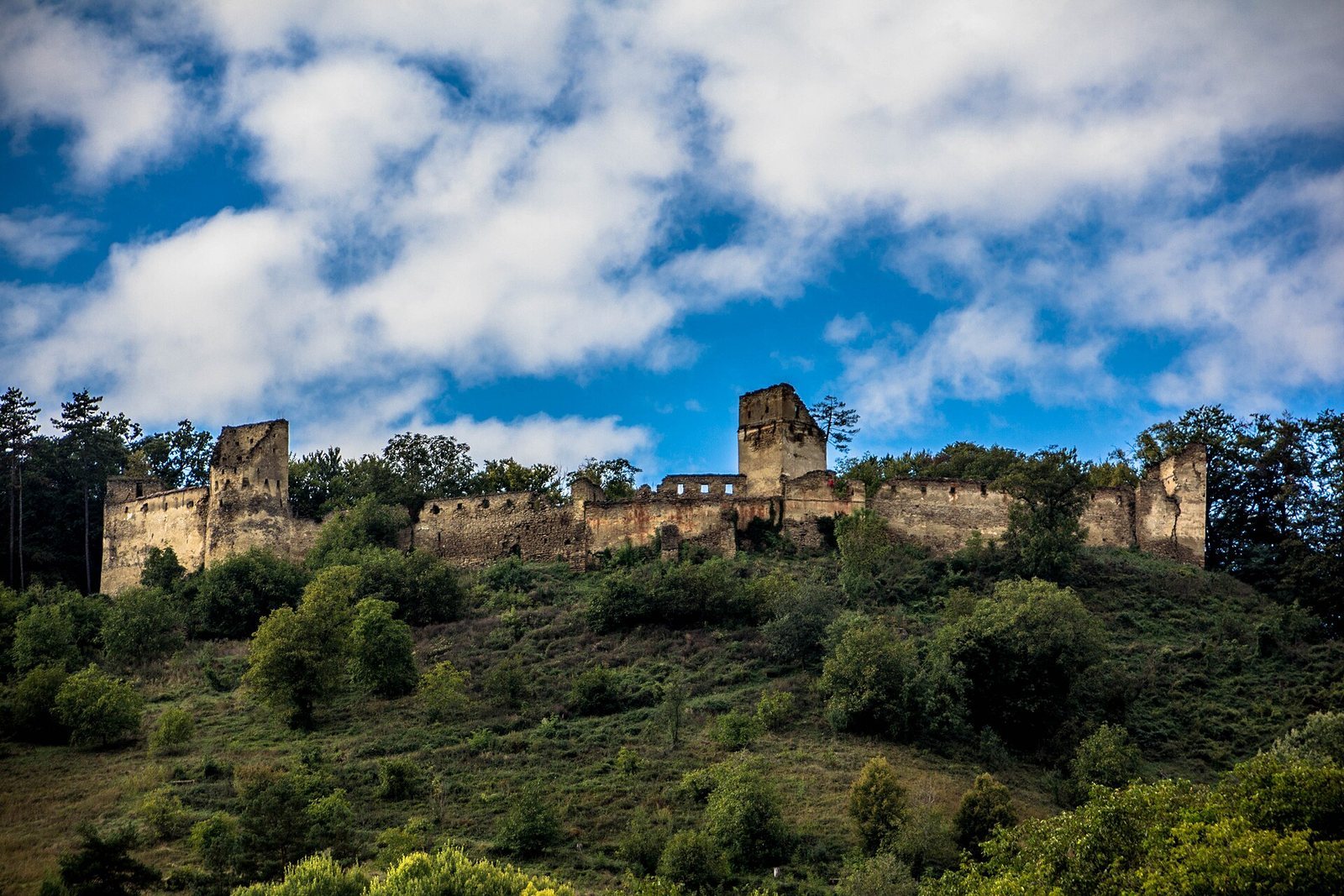
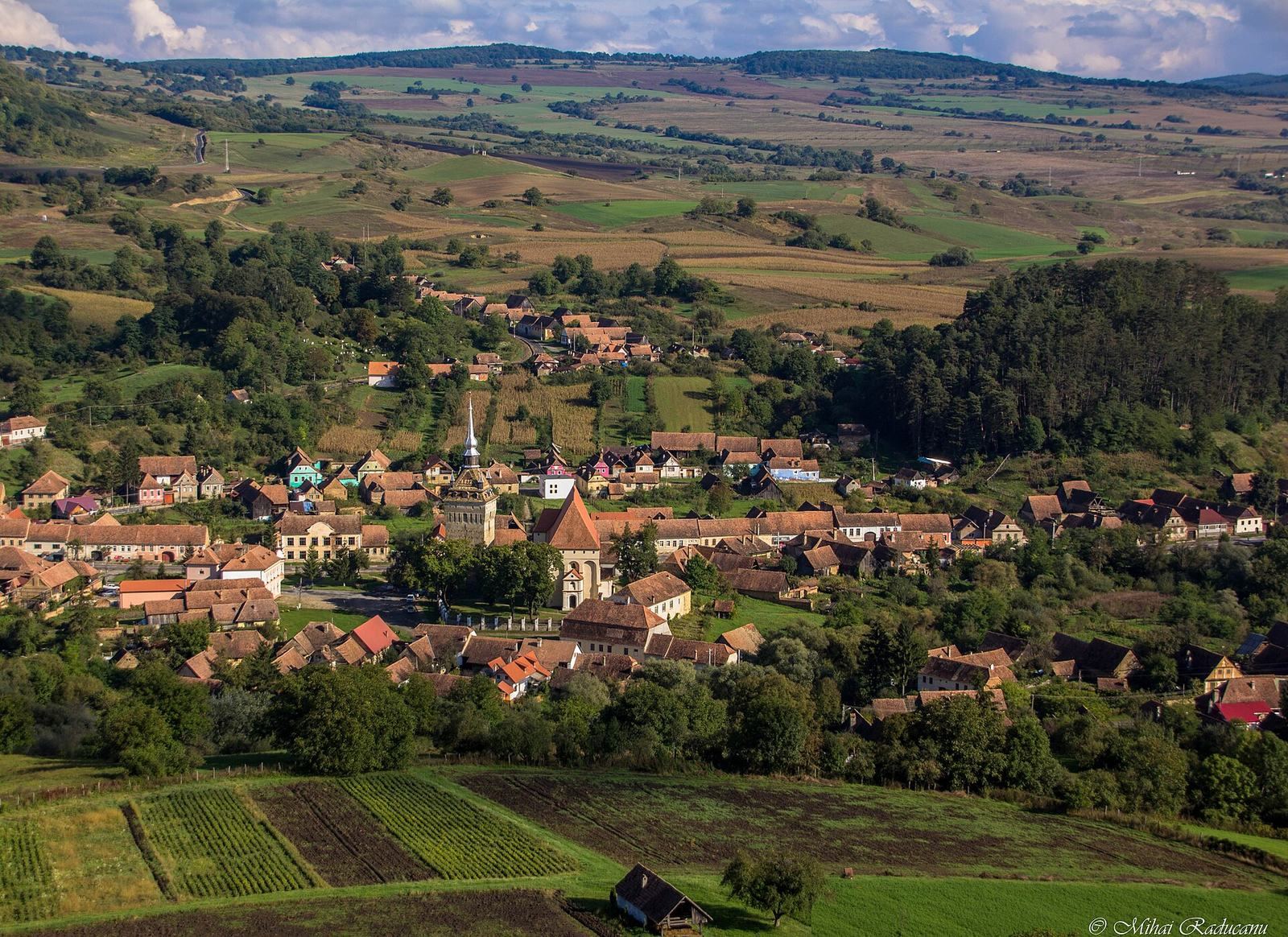
Saschiz Fortress is a hilltop refuge begun in 1347 by the Transylvanian Saxons, a German-speaking community historically established in Transylvania, about four kilometres north of Saschiz, Romania. It was built to shelter local people during invasions and to store food, as its conditions were suitable for keeping provisions.
Construction and defenses
From the 15th to the 16th centuries, the enclosure wall was strengthened and towers were added for defense. These included the Gate Tower, School Tower, and Voivodal Tower, named for a voivode, a ruler or governor in parts of eastern Europe. A Priest’s Tower was built at the northeastern end around the middle of the 16th century, followed by an Ammunition Tower at the southeastern end in the early 17th century.
Later, a defended passage was built at the entrance, with a sixth tower, the Watchtower, added on its southern side.
Refuge and decline
During an Ottoman invasion, part of the Ottoman Empire’s military expansion into southeastern and central Europe, nobles from nearby settlements used the fortress as a refuge for valuables. The Transylvanian Saxon chronicler Georgius Krauss listed gold and silver goods valued at 135 marks of silver, along with 820 thalers and 3,200 florins, European coin denominations whose values varied by place and period. He also recorded horse harnesses, silver spears, and swords. The deposits reflect the fortress’s reputation as a secure place that would be difficult to capture.
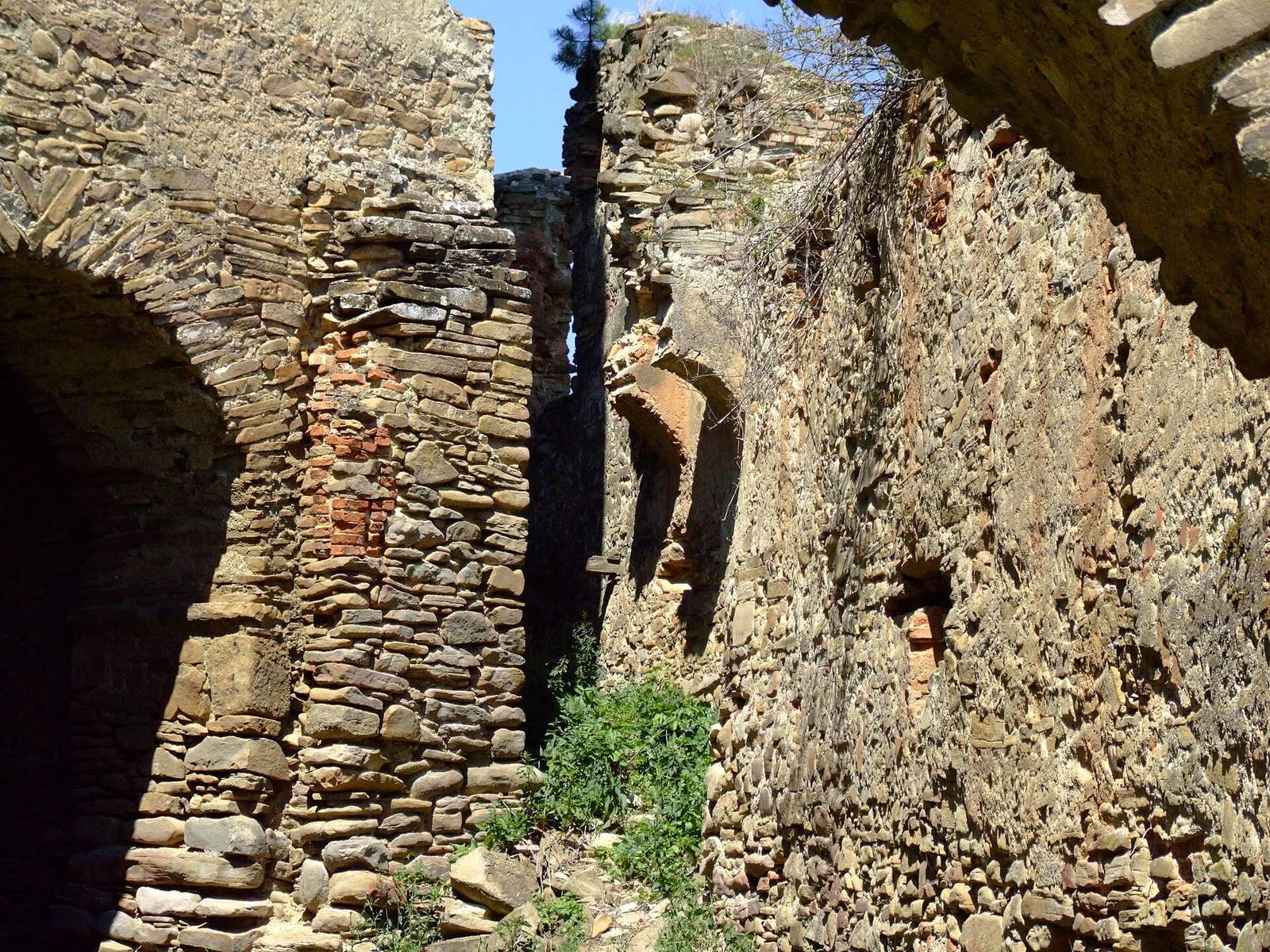
Because the fortress stood far from the village, Saschiz’s fortified church gradually became the villagers’ main place of refuge, and the fortress lost importance. Saxons maintained it until 1940, when Nazi Germany’s leader Adolf Hitler ordered their relocation to Germany under the slogan “Home to the Reich,” which promoted the transfer of ethnic Germans. After Germans were deported from Romania to the Soviet Union in 1945, non-German residents began removing building materials. The fortress was abandoned by 1965 and fell into ruin.
In 2004, the municipality cleared trees and undergrowth from the hillside, making the fortress visible again from the valley. It is listed as a Romanian historical monument.
Remains
Layout and enclosure
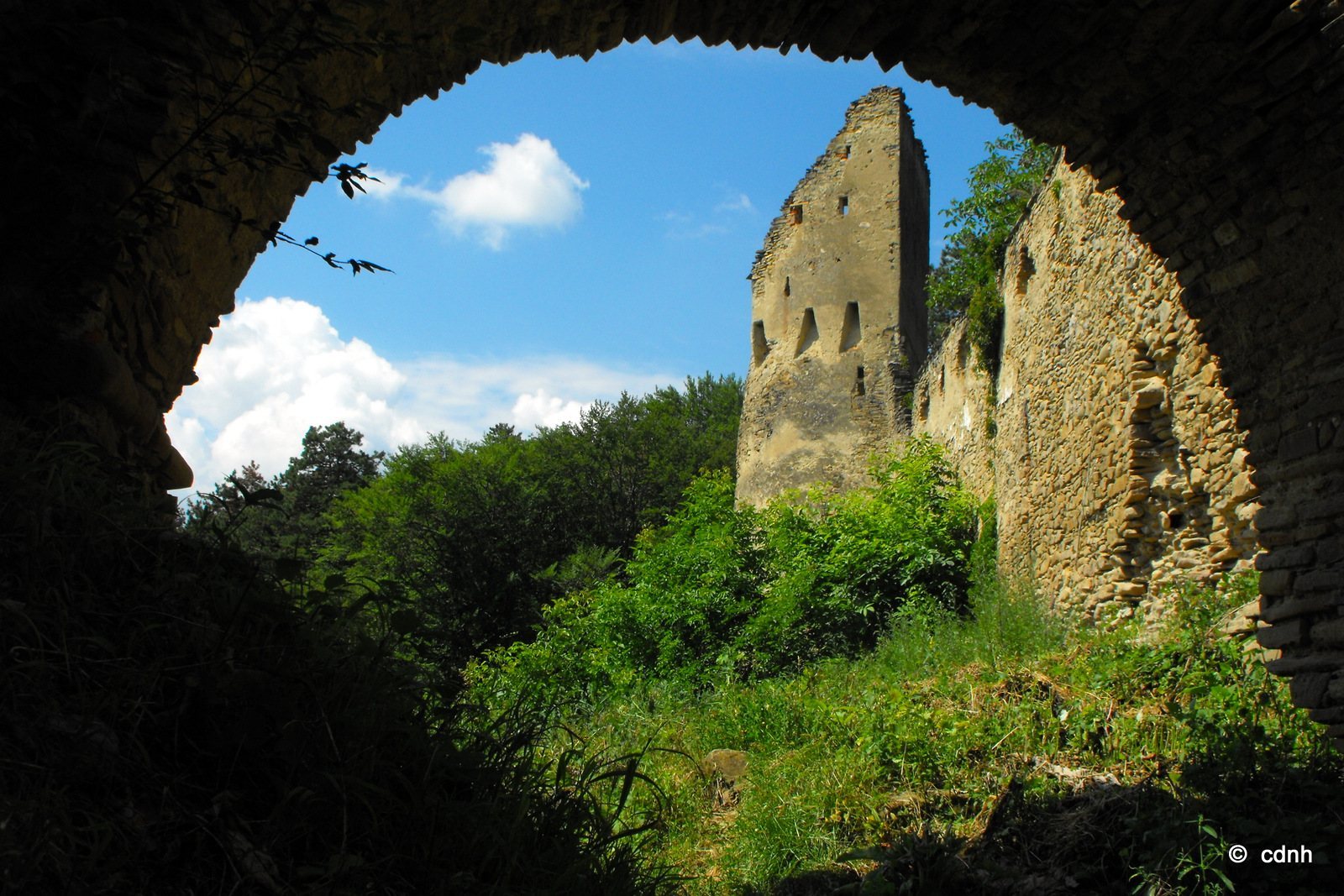
The fortress occupies a 5,000-square-metre plateau, 681.5 metres above sea level, on a hill known in the Saxon dialect as Burchreech, meaning “Fortress Hill.” Its plan is an irregular polygon, a shape with several unequal sides, measuring up to 90 metres long and 52 metres wide. The enclosing wall once reached 10 metres in height. The site survives as a ruin.
Defensive towers
Six towers formed the defensive layout. The School Tower stood on the southern side and the Voivodal Tower on the northern side. The Priest’s Tower reinforced the northeastern end, while the Ammunition, or Gunpowder, Tower stood at the southeastern end. The Gate Tower marked the entrance, where a defended passage was later built; the Watchtower stood south of that passage.
Interior and condition
The interior contained a pond and a well 50 metres deep. A local legend says an underground tunnel connected the well with the fortified church in the village. The fortress is severely neglected, and some sections are dangerous.