Fort Vredenburgh: A Dutch Trading Fort at Komenda, Ghana
Site at a Glance
- Country
- Ghana
- Primary era
- Early Modern
- Eras represented
- Early Modern
- Civilizations
- Dutch
- Site type
- Military
- Remains
- Fort
On this page8 sections
History
Fort Vredenburgh is a Dutch trading fort at Komenda, Ghana, established in 1682 and enlarged in 1689. It belonged to a coastal chain of fortified trading posts involved in the gold trade and the trade in enslaved people, amid competition between European powers and African states.
Dutch trading post and fort
The Dutch first set up a trading post at the site around 1600, using it for the slave trade, but abandoned it soon afterward. They later kept a lodge at Komenda intermittently, which was eventually converted into the fort.
Rivalry at Komenda
From the mid-seventeenth century, Komenda, part of Eguafo, a historic African kingdom, became a focus of competition among English, Dutch, Danish, French and Brandenburgian traders. Brandenburg was a German principality whose merchants traded on the Gold Coast. The struggle involved alliances between European powers and African states, as well as rivalries within Eguafo.
In 1687, French trader Jean-Baptiste du Casse established a post at Komenda despite Dutch efforts to stop him. He had formed friendly relations with John Cabess, an influential African merchant on the Gold Coast. About a month later, allies of the Dutch from Elmina and Eguafo destroyed the French post. The Dutch had alienated Cabess by driving out the French, and their influence at Komenda had diminished by 1689.
Around the turn of the eighteenth century, the Komenda Wars brought Dutch and English interests, with their respective local allies, into conflict. In 1694, Cabess helped the English build Fort Komenda. The fighting reflected both European rivalry and competition within Eguafo, and formed part of the Anglo-Dutch wars. England and the Dutch Republic were then separate states in a personal union, meaning they shared William III as ruler.
Willem Bosman, a Dutch West India Company officer and writer on the Gold Coast, reported that Fort Vredenburgh was attacked in 1695 and that several people were killed.
British control and World Heritage recognition
Britain occupied the fort from 1781 to 1785. In 1872, the Netherlands transferred it, along with the Dutch Gold Coast, to Britain in exchange for British territory on Sumatra. Britain later fought the Ashanti, an Akan people and kingdom centered in what is now Ghana, and colonized the territory of present-day Ghana.
In 1979, Fort Vredenburgh became part of the UNESCO World Heritage property Forts and Castles, Volta, Greater Accra, Central and Western Regions. The inscription uses criterion (vi), which concerns a property’s association with events, traditions, ideas, beliefs, or artistic and literary works of outstanding universal significance. The property recognizes the forts’ testimony to European economic and colonial influence in West Africa.
Remains
The fort and associated monument
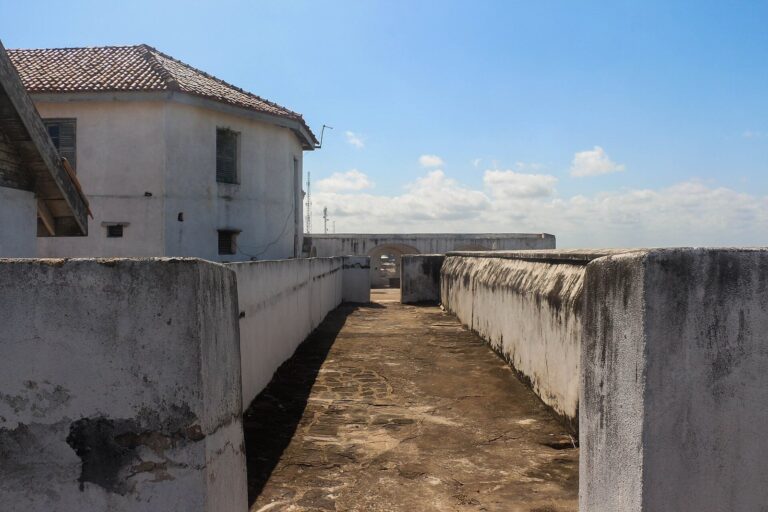
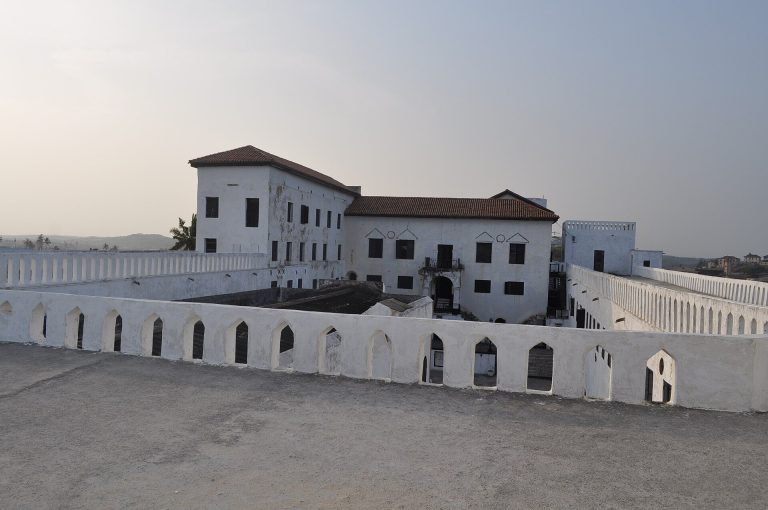
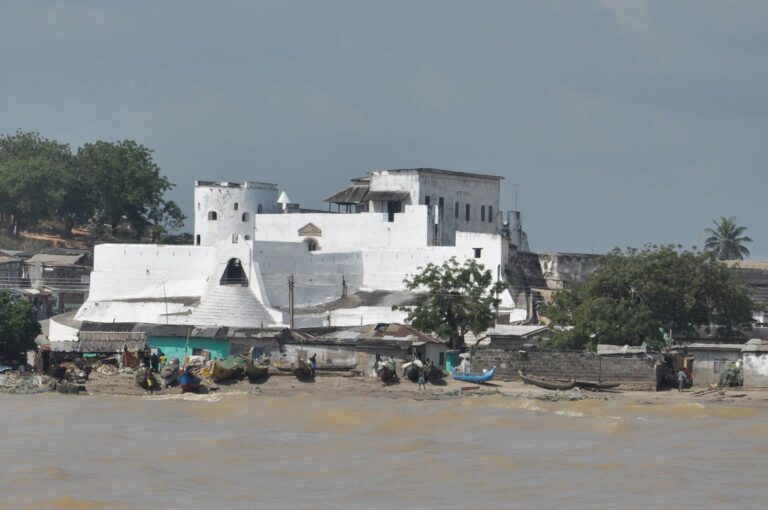
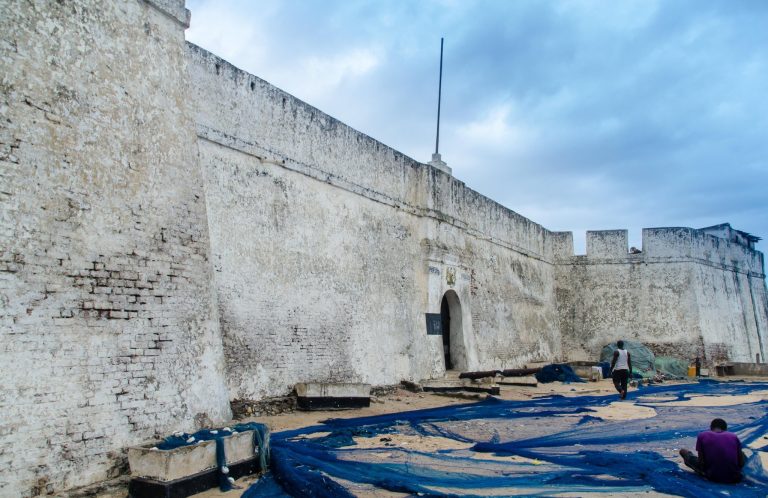
Fort Vredenburgh stands on the left bank of the Komenda River, also known as the Hua, about 15 kilometres west of Elmina. English Fort Komenda stands on the opposite, right bank, within range of Vredenburgh. The Dutch fort was built of stone and included projecting defensive platforms.
Fort Vredenburgh
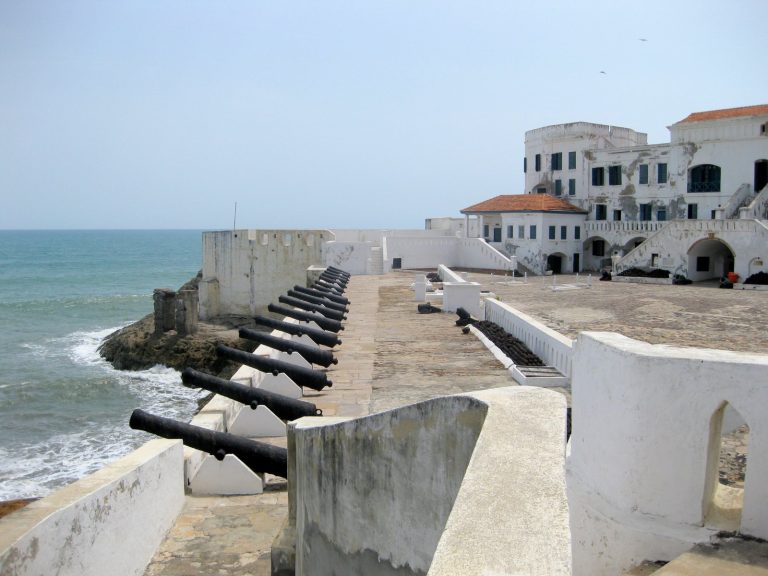
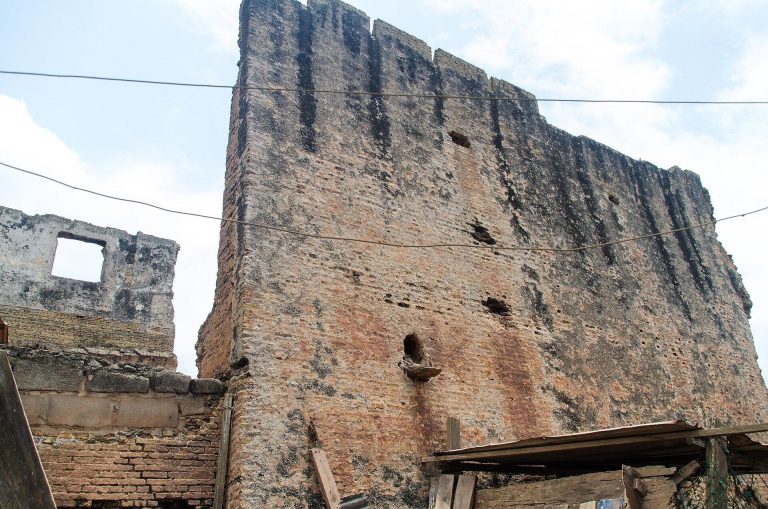
Around 1700, Bosman described the fort as fairly large, with room for 32 cannon and accommodation for 60 men. He credited its construction to Sweerts. Fort Vredenburgh survives as partially preserved ruins.
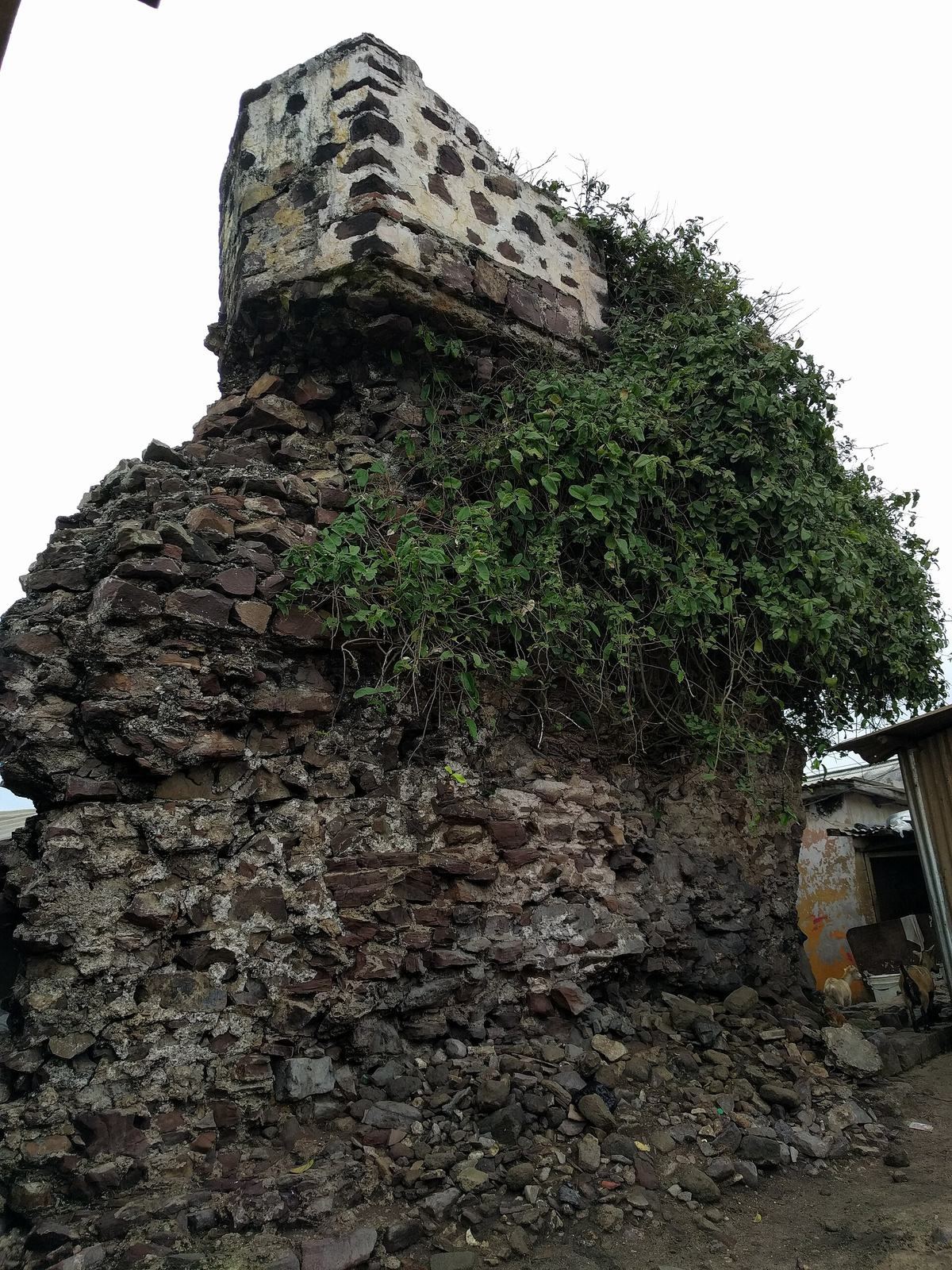
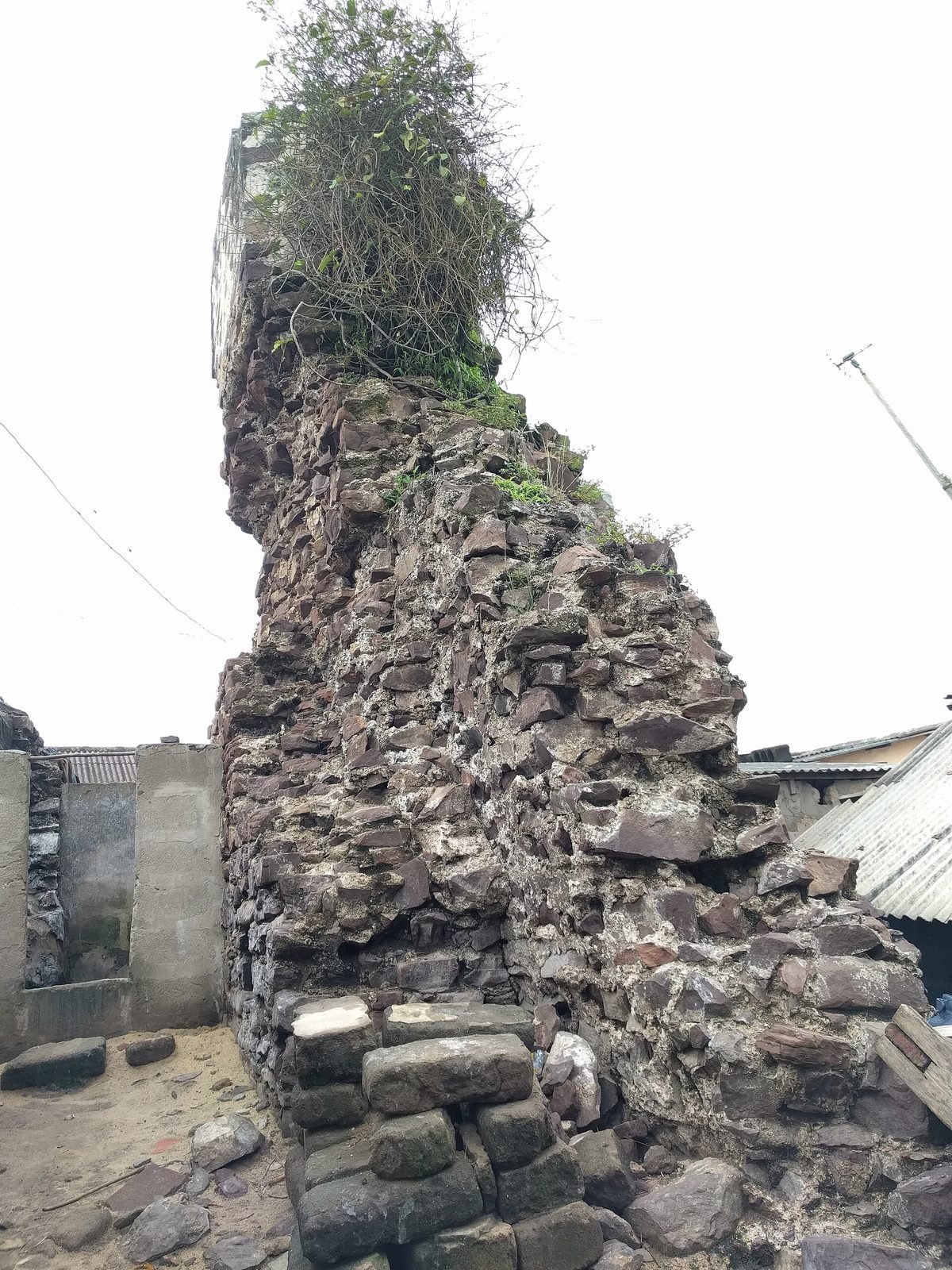
Company’s Monument Dutch Komenda
The related Company’s Monument Dutch Komenda stands on the village square of Komenda, the village at and around the fort’s location.