Șimleu Silvaniei Fort: A Báthory Residence and Frontier Fortress
Site at a Glance
- Country
- Romania
- Primary era
- Early Modern
- Eras represented
- Early Modern
- Civilizations
- Ottoman, Principality of Transylvania
- Site type
- Military
- Remains
- Castle
On this page6 sections
History
Șimleu Silvaniei Fort, also known as the Lower Castle, is a former fortified residence in Romania, commissioned by István Báthory in 1592–1593 to replace the earlier Somlyó Castle. From the 1590s, it served as the principal residence of the Hungarian Báthory family during the period when Transylvania was ruled as a principality.
A residence of the Báthory family
Ottoman forces captured and destroyed Somlyó Castle in 1551. István Báthory then commissioned the new residence at Șimleu Silvaniei. In 1594, Prince Sigismund Báthory executed István’s brother Boldizsár. István fled to Poland, and the castle passed to the prince. An inventory made that year detailed the buildings and movable property held there.
Giorgio Basta, a military commander in Habsburg service, captured the castle in 1599 despite the prince’s troops defending it. It was back in princely hands by 1602, and in 1612 Prince Gabriel Báthory granted it to his half-brother Andrew. In 1643, Andrew’s daughter Sophia held a lavish betrothal ceremony there before marrying Prince George II Rákóczi. Building work continued: stove tiles came from Habans, an Anabaptist community known for pottery, at Vințu de Jos in 1649, and brickmakers from Cluj were hired in 1656.
Frontier fortress and contested ownership
After Andrew’s widow, Anna Zakreszka, died in 1658, the castle passed to her grandson Francis I Rákóczi. In 1660, Ottoman-Tatar forces devastated the town and castle in retaliation for George II Rákóczi’s campaigns in Poland. Following the Ottoman capture of Oradea that year, the castle became a frontier fortress and housed princely mercenaries.
In 1670, Sophia Báthory mortgaged the castle and estate to Denis Bánffy and his wife, Kata Bornemisza. That February, the Transylvanian Diet awarded the property to George Gyerőffy in response to his compensation claim against George Rákóczi, leading to prolonged litigation. Bánffy was executed in 1674, and by 1677 his widow Bornemisza owned the property.
Military decline and deterioration
Charles of Lorraine, a duke and Habsburg commander, captured the castle in 1687. Luigi Ferdinando Marsigli, a military engineer specializing in fortifications who accompanied him, probably made the earliest surviving plan of the site. After Oradea was recaptured in 1692, the castle lost its military importance.
In 1703, forces associated with the uprising led by Francis II Rákóczi, known as the Kuruc insurgents, captured the castle. An inventory from 1703–1704 described it as badly ruined by an enemy-caused fire. Jean Rabutin captured it in 1710 and installed a German garrison. After the 1711 Treaty of Szatmár, which ended the conflict, the military used the buildings to store food. They continued to deteriorate, and a survey in 1851 found many already missing.
Preservation and archaeological work
Nineteenth-century preservation efforts drew attention to the castle’s importance. Architecture students surveyed it after the Second World War. A local foundation established in 1992 made preservation one of its aims and contributed money and labor. Stabilization and archaeological excavation of the castle and courtyard began in 2006.
Remains
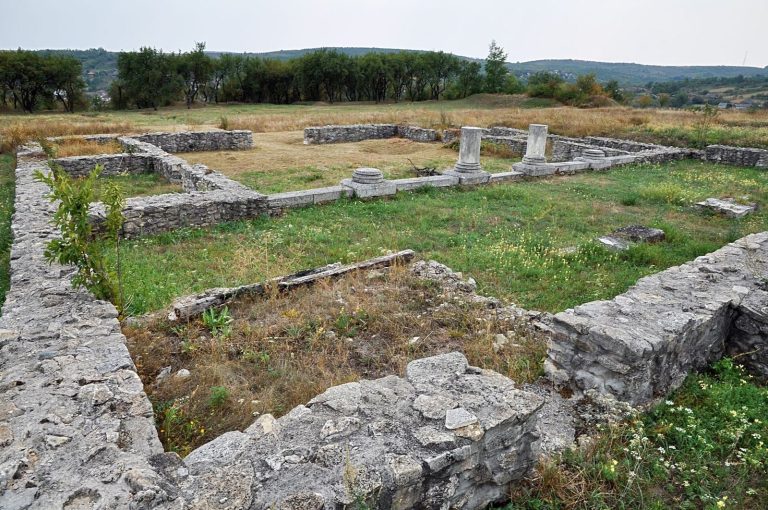
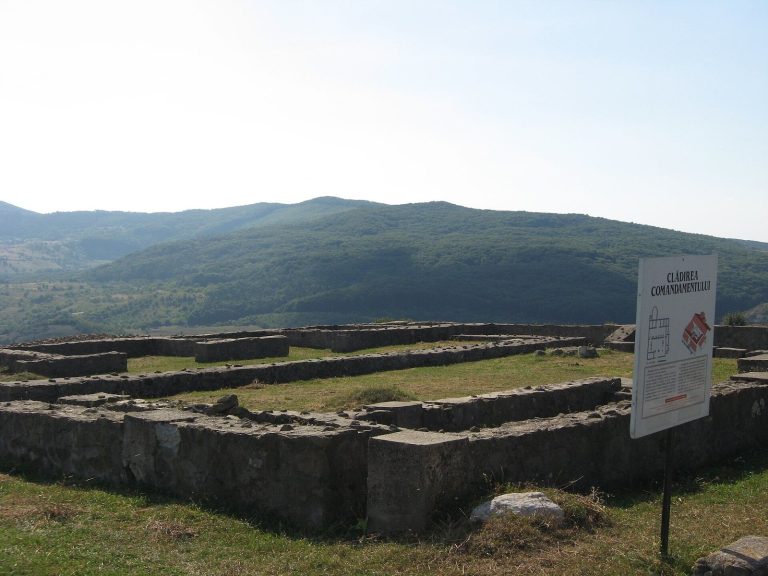
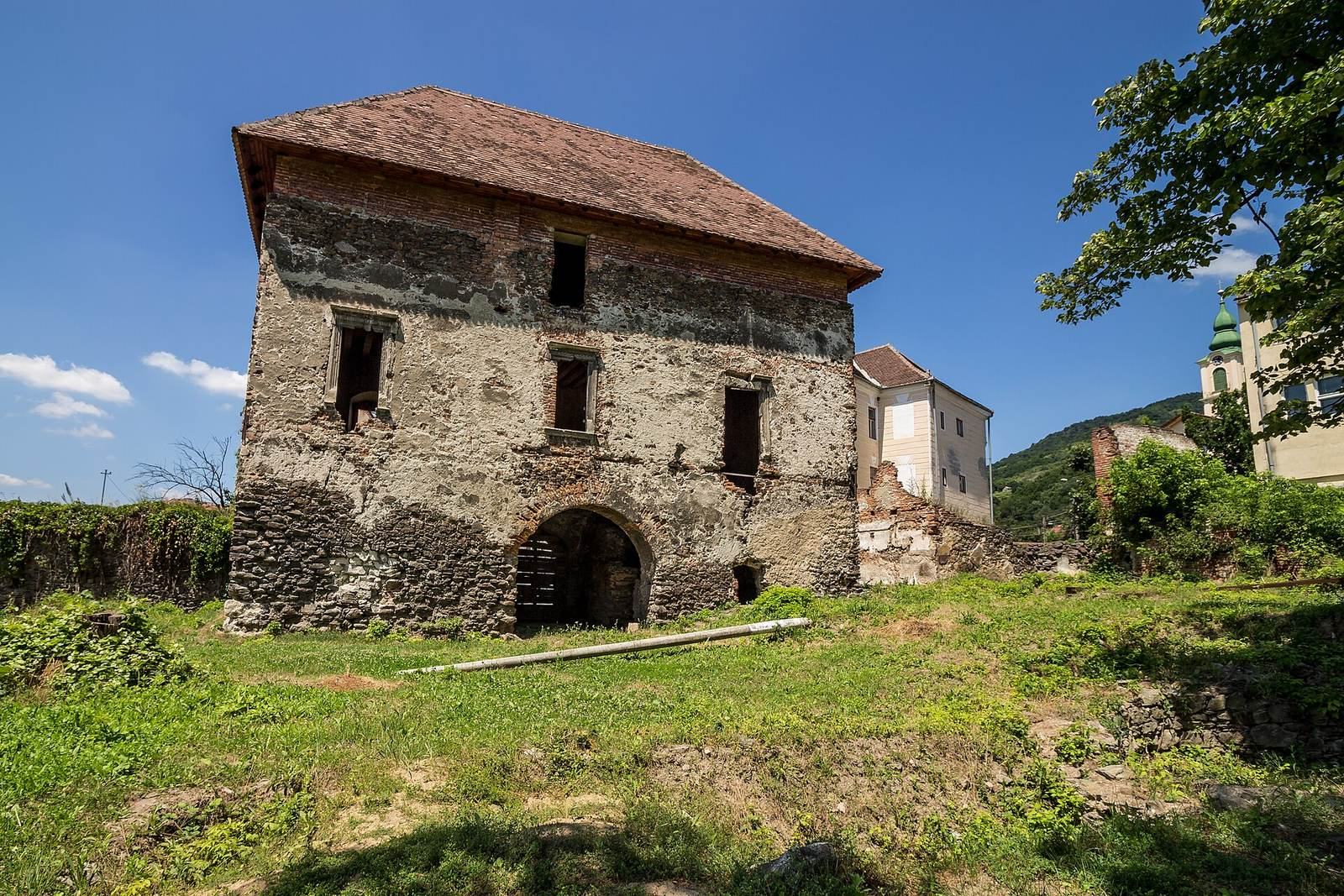
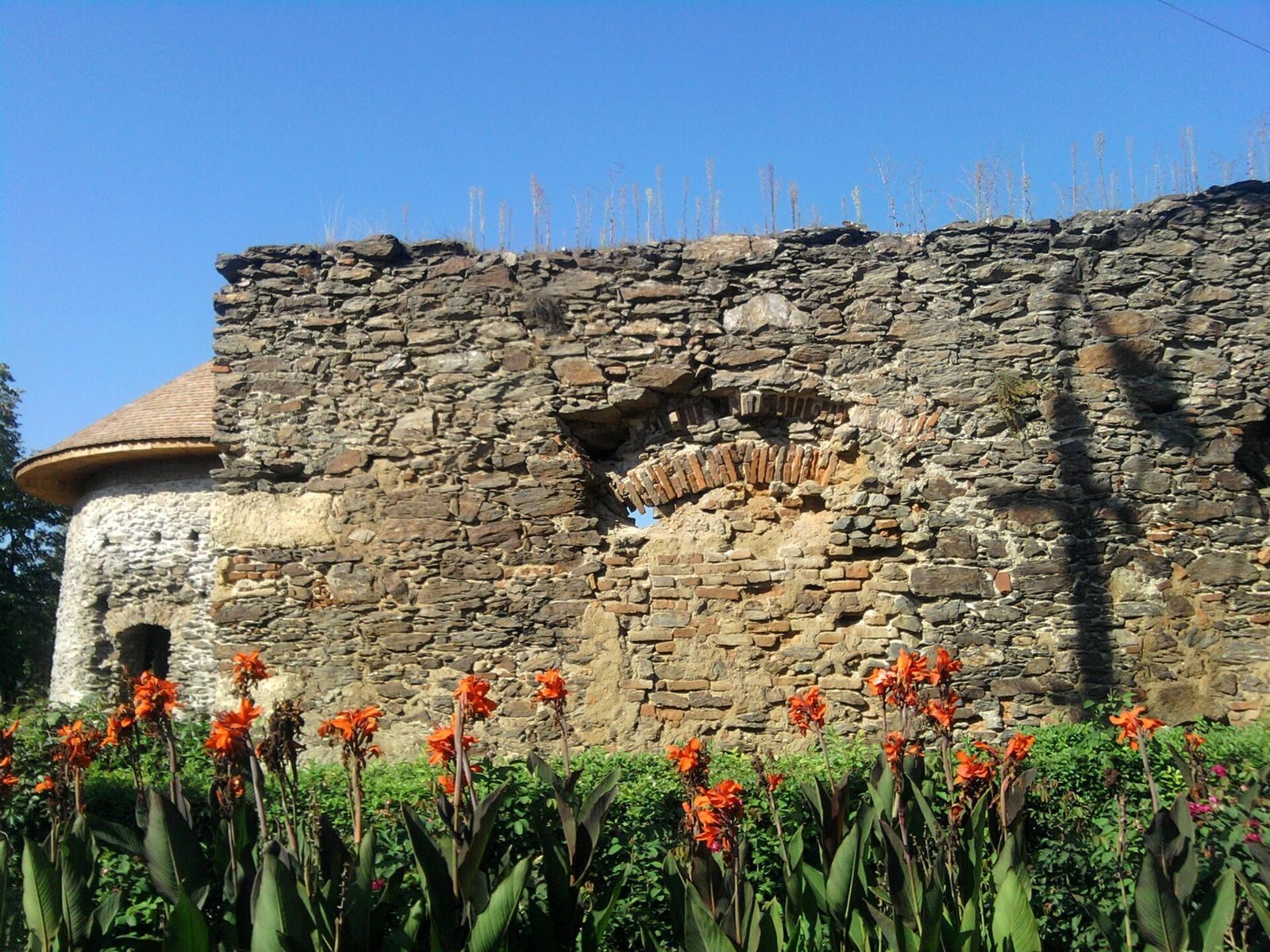
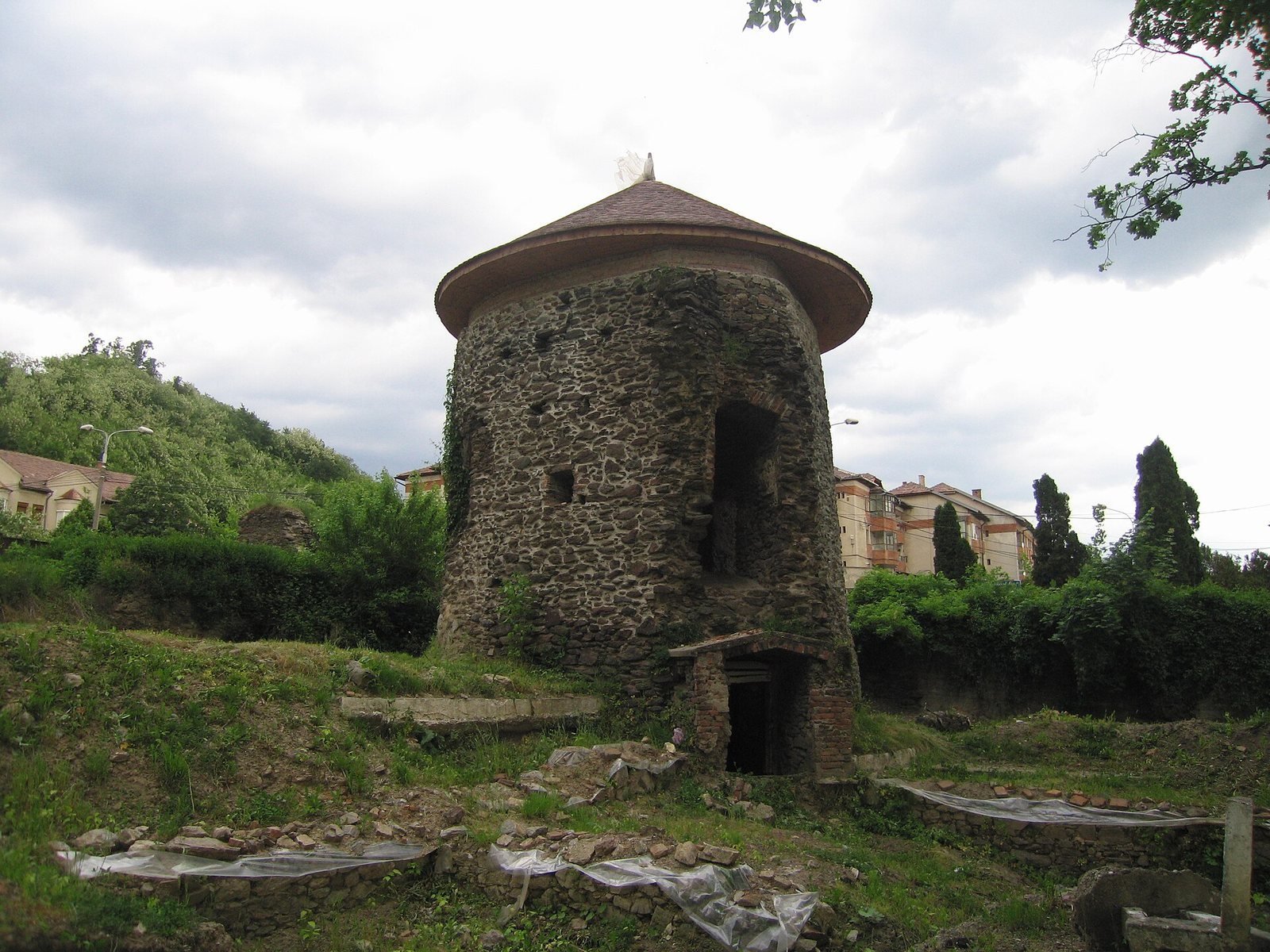
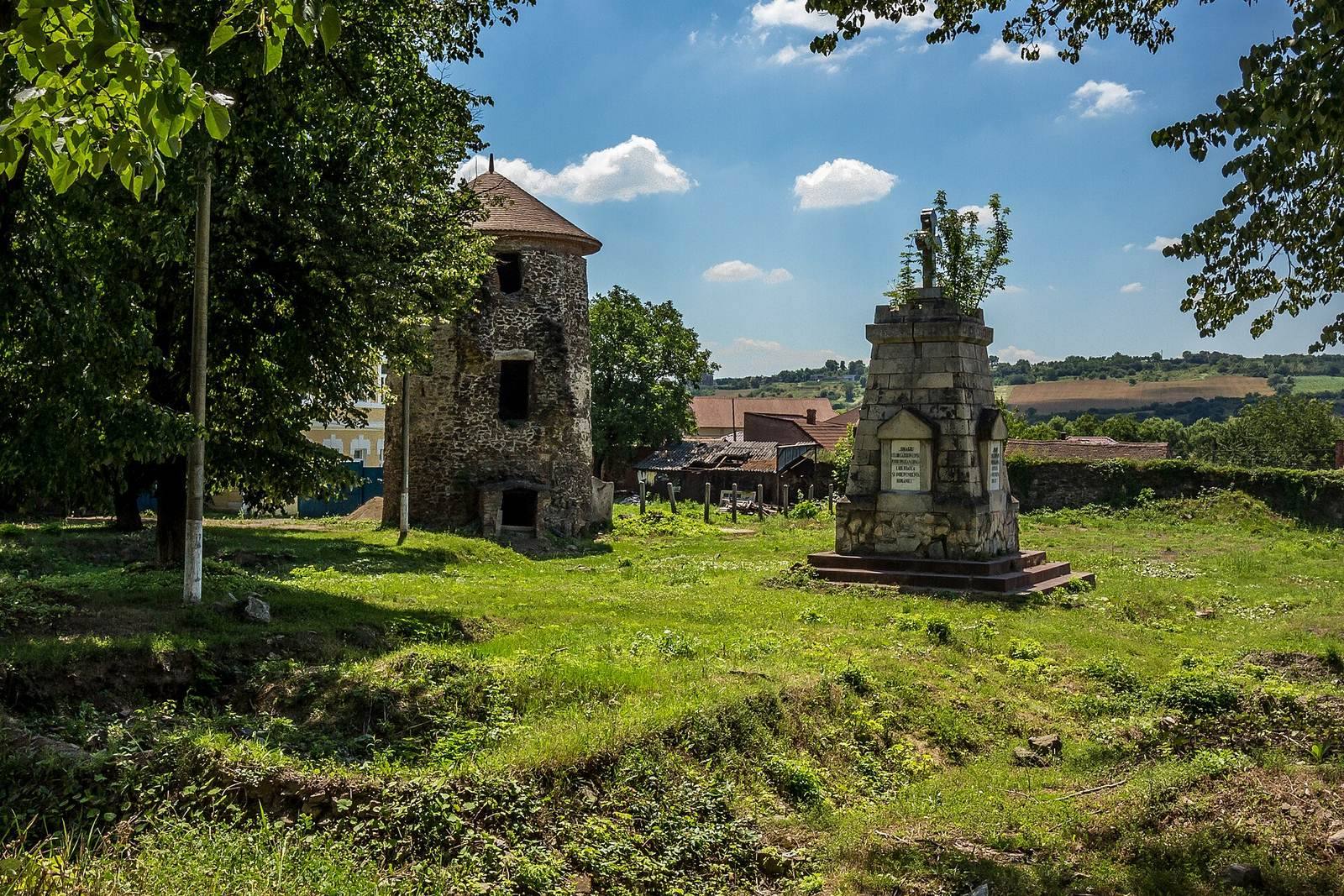
The ruined fort was arranged in two walled enclosures, or areas enclosed by fort walls. Its surviving features include towers, an entrance tower, and projecting defensive works.
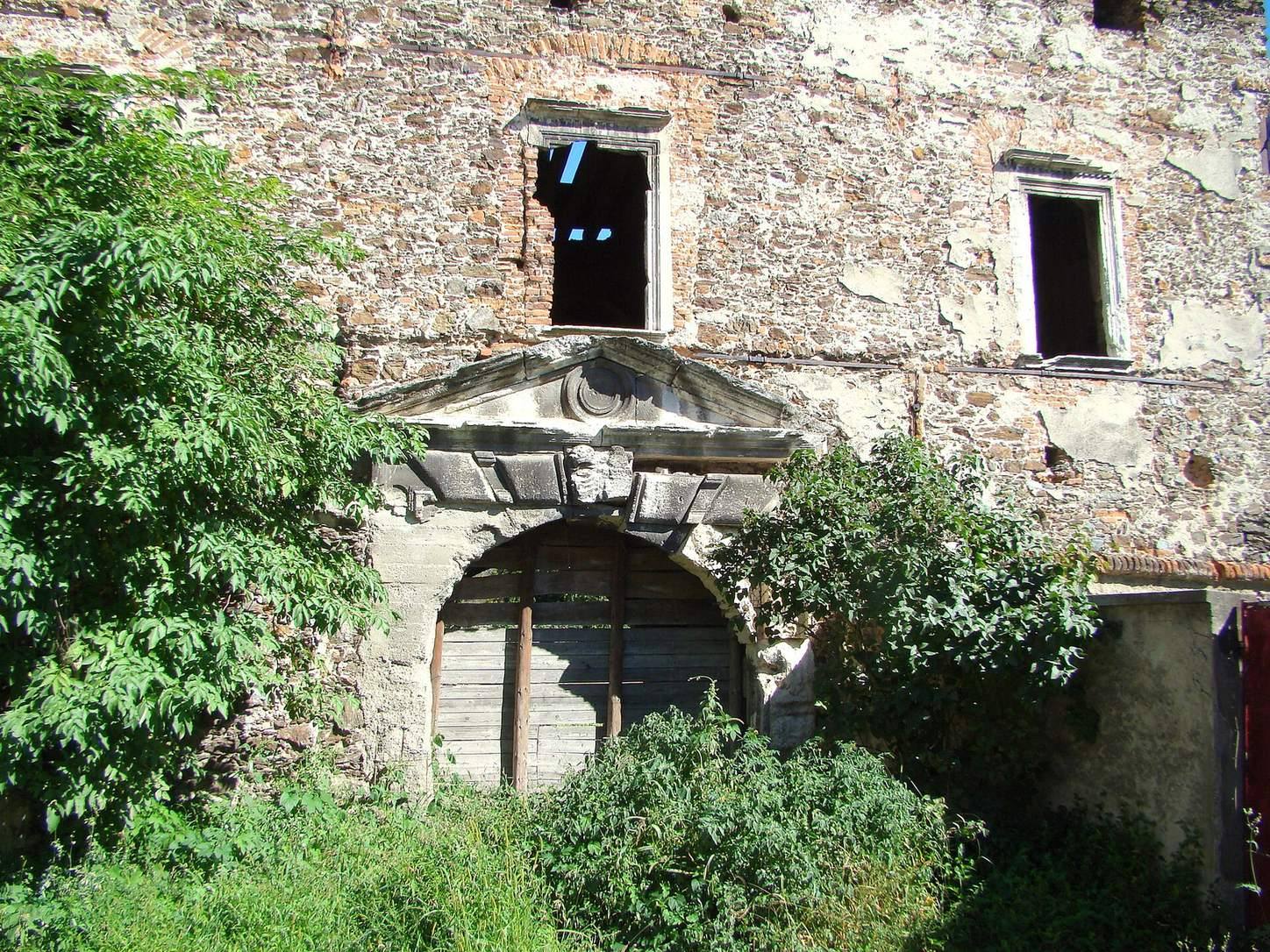
Above ground, towers remain on the eastern side of enclosure 1. Enclosure 2 retains its gate tower, which guarded an entrance, while parts of the bastions, projecting defensive works, also survive.