Tosterup Church: A Romanesque Lutheran Church in Sweden
Site at a Glance
- Rating
- 4.3
- Popularity
- Very Low
- Country
- Sweden
- Primary era
- Early Modern
- External website
- Open
- Eras represented
- Medieval, Early Modern, Modern
- Civilizations
- Danish, Swedish
- Site type
- Religious
- Remains
- Church
On this page11 sections
History
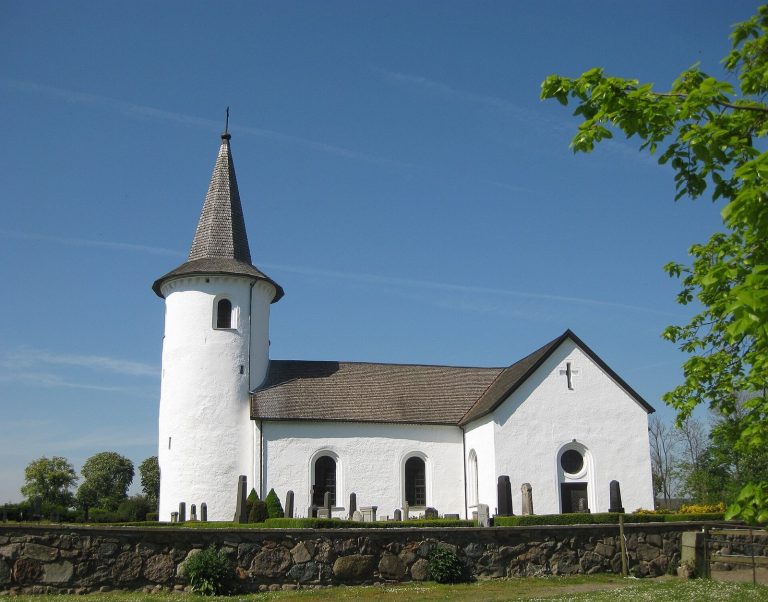
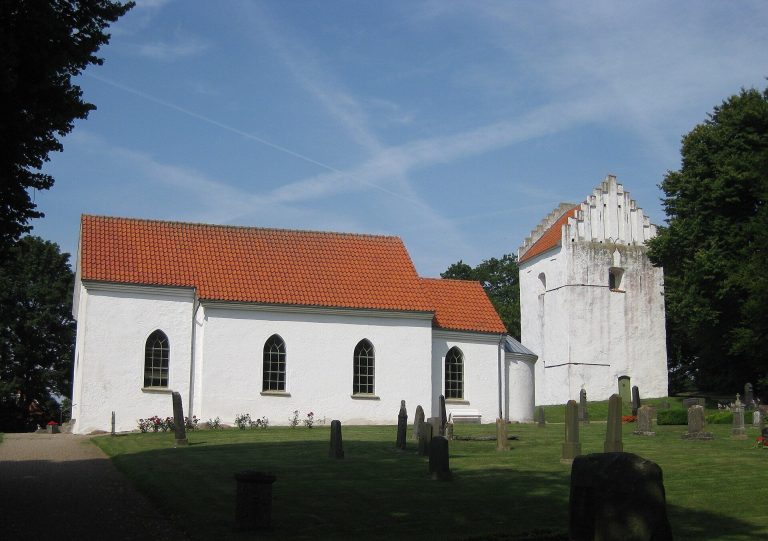
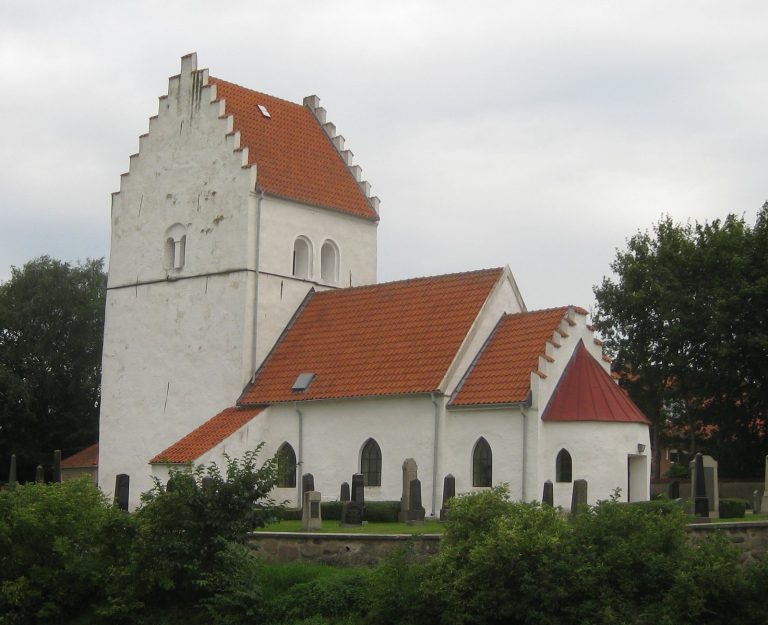
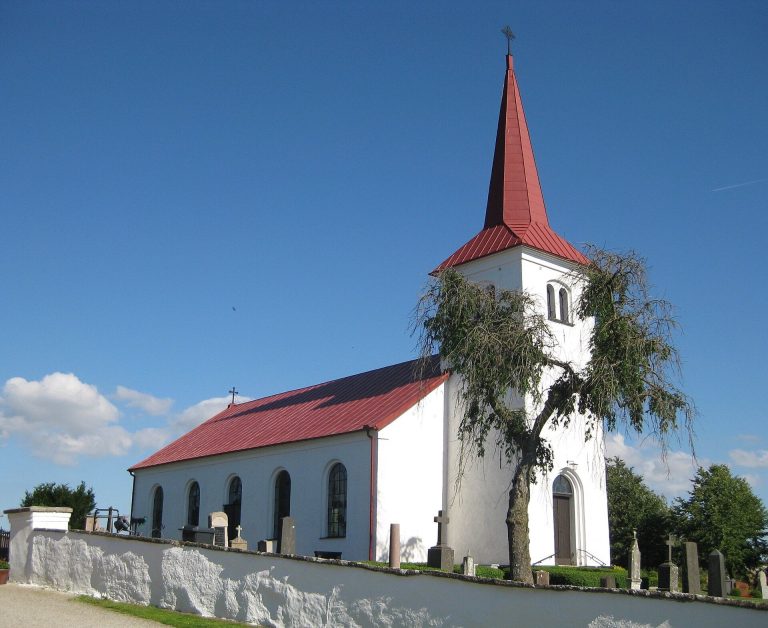
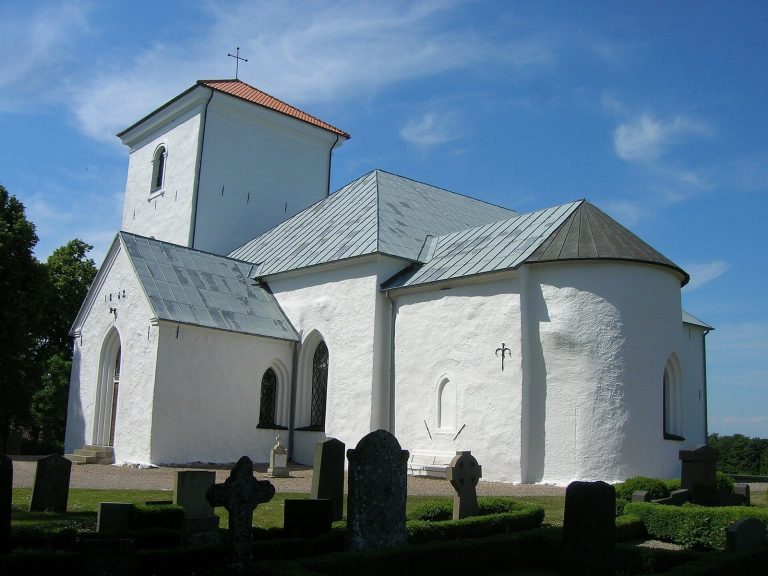
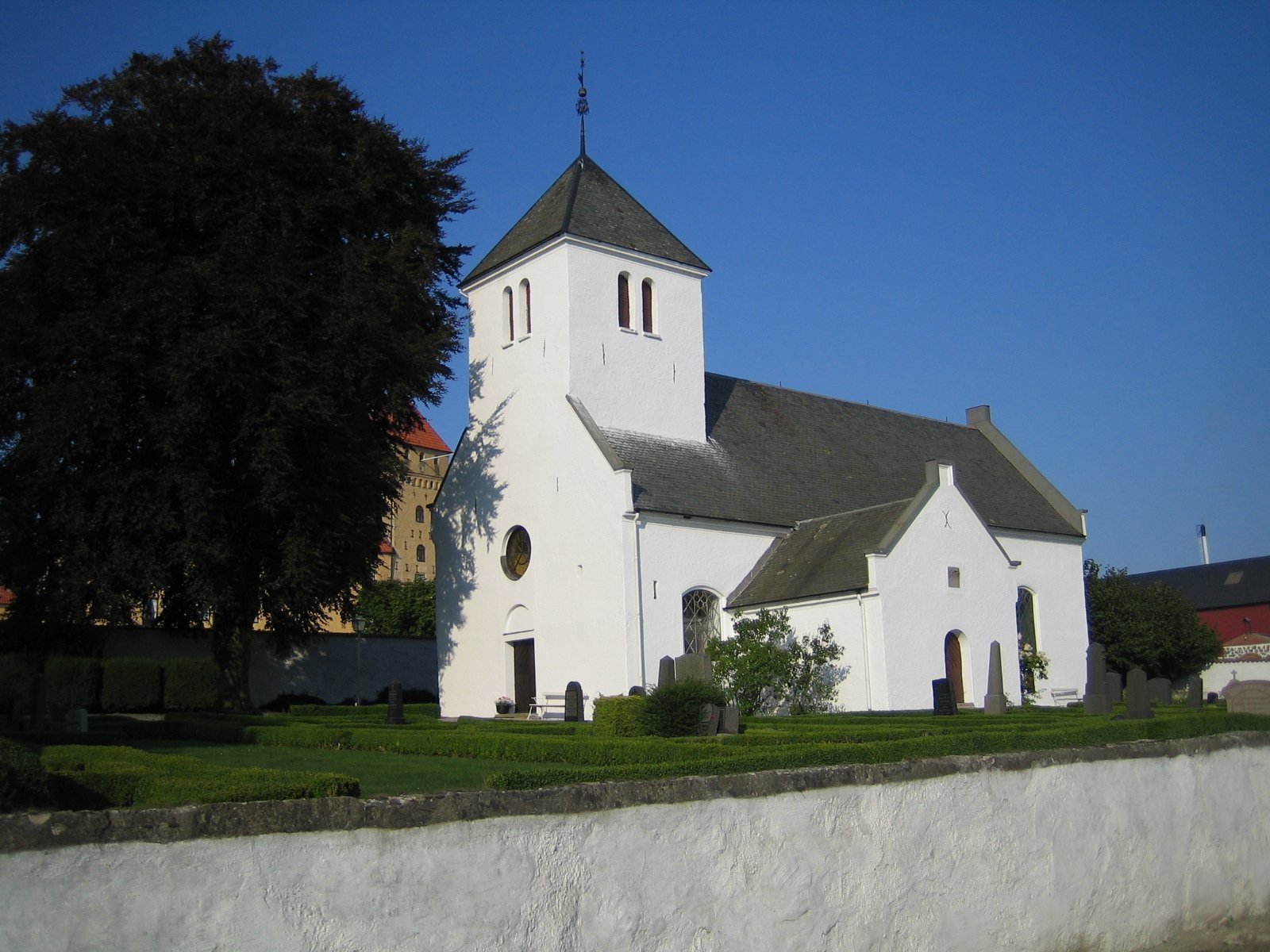
Tosterup Church is a Romanesque Lutheran church in Tosterup, Tomelilla Municipality, Sweden, founded in the first half of the twelfth century. It belongs to Smedstorp parish, a local church community, within the Diocese of Lund, an administrative district of the Church of Sweden.
Medieval origins and patronage
Representatives of the Brahe family, patrons of the church, commissioned its fifteenth-century murals. The church is also mentioned in Bombi Bitt and I, a book by Swedish writer Frithiof Nilsson.
Rebuilding and rediscovery
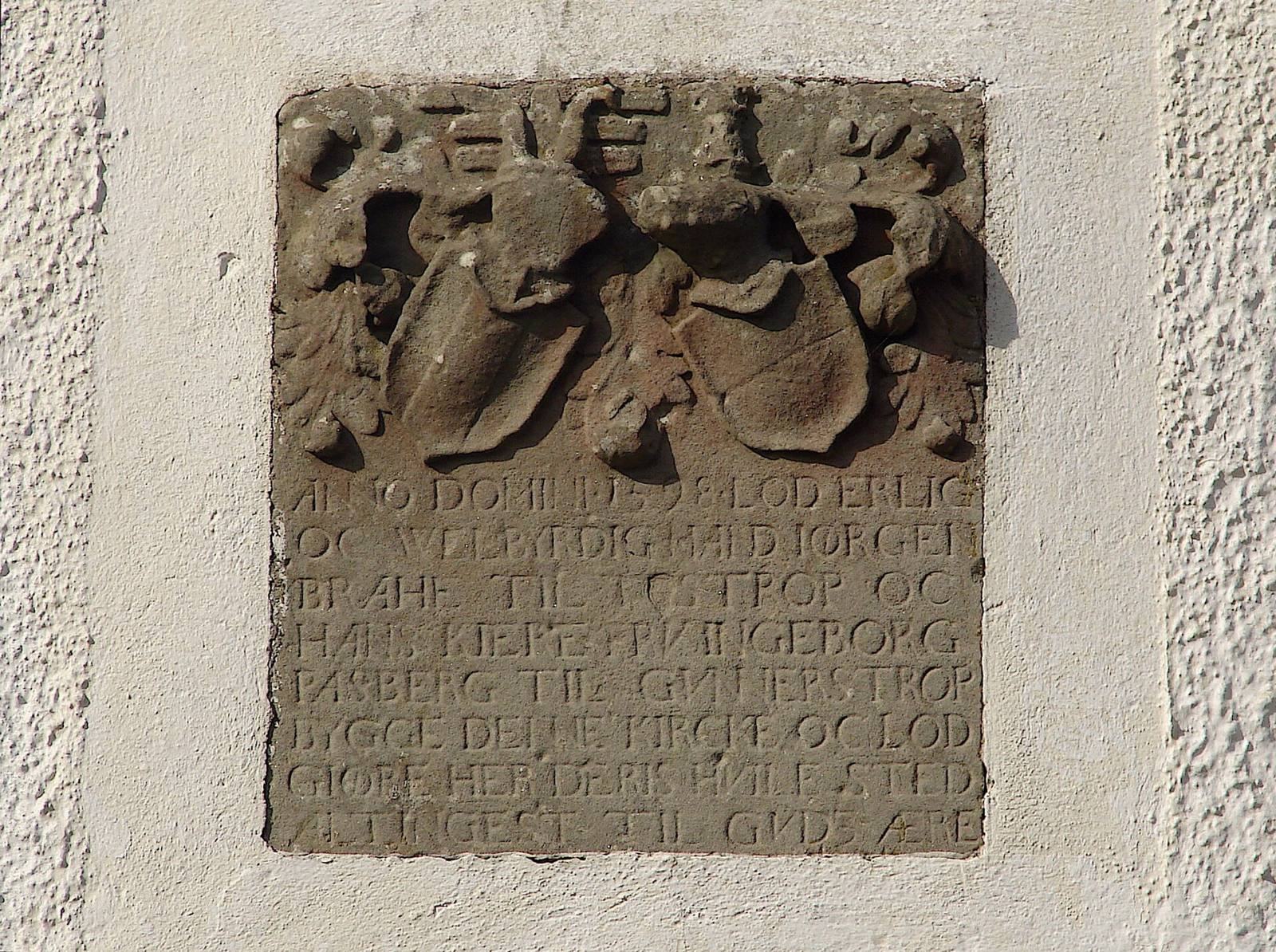
A substantial rebuilding in 1598 altered the church. During renovation in the early 1950s, theologian Kurt Wallin noticed that the foundation stones in the north wall differed in shape from those elsewhere. When workers removed plaster, medieval masonry and fifteenth-century wall paintings came to light.
Remains
Built of local limestone, the church combines Romanesque masonry with later alterations. Its medieval north wall survives as part of the building, alongside features added during its rebuilding and later interior furnishings.
Medieval masonry and murals
North wall
The north wall contains medieval masonry and two Romanesque windows with rounded arches. A blocked doorway served women. Its foundation stones have shapes that differ from those in the rest of the church.
Murals
The fifteenth-century murals are attributed to Nils Håkansson, known by the identifying name Master of Vittskövle. One shows Saint Bridget of Sweden, a fourteenth-century religious figure, seated at a book desk on the main arch. Another depicts Saint George and the dragon, a story from Christian tradition. Other paintings portray Saint Catherine and a fair.
Rebuilding and interior furnishings
Changes made in 1598
The rebuilding enlarged the church slightly to the south. It placed a crypt, a chamber beneath a church, below the altar, added a south facade with broad windows, and introduced cross vaults, ceilings formed by intersecting vaulted sections.
Benches and memorials
The church benches date to 1598 and display the arms of parish benefactors. The Brahe arms appear on the south, men’s side, and the Pasberg arms on the north, women’s side. In the porch is the tomb of Jörgen Krabbe, a Danish nobleman. Inside the church, a tombstone commemorates Tycho Brahe, grandfather and full namesake of the Danish astronomer, and his wife, Magdalena Krognos. Adam van Düren, a sculptor and stonemason active in Scandinavia, made the tombstone.
Later interiors and music
The church contains two sixteenth-century paintings and interiors dating to the eighteenth century. An organ built in 1857 by Johan Lambert Larsson of Ystad was installed during the nineteenth century. The present instrument is a harmonium, a reed keyboard instrument with two manuals, or keyboards, and a foot-operated pedal.