Shah Rukn al-Din Mausoleum: A Tomb Complex in Dezful, Iran
Site at a Glance
- Country
- Iran
- Primary era
- Medieval
- Eras represented
- Medieval, Modern
- Civilizations
- Qajar, Timurid
- Site type
- Religious
- Remains
- Tomb
On this page7 sections
History
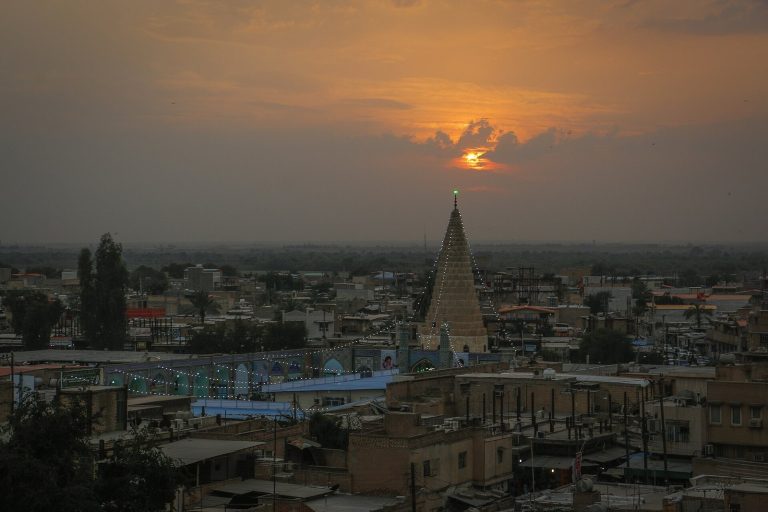
The Shah Rukn al-Din Mausoleum is a tomb complex in Dezful, Khuzestan Province, Iran. Its construction date is uncertain.
Use and later preservation
From the 18th century until 1885, the mausoleum served as a Sufi lodge, a place for devotional and mystical practice within Islam.
Renovations took place in 1971 and 1991. On 23 May 1977, the mausoleum was added to Iran’s National Heritage List.
A festival is held at the mausoleum each Muharram, the first month of the Islamic lunar calendar and an important period of religious observance in many Muslim communities.
Remains
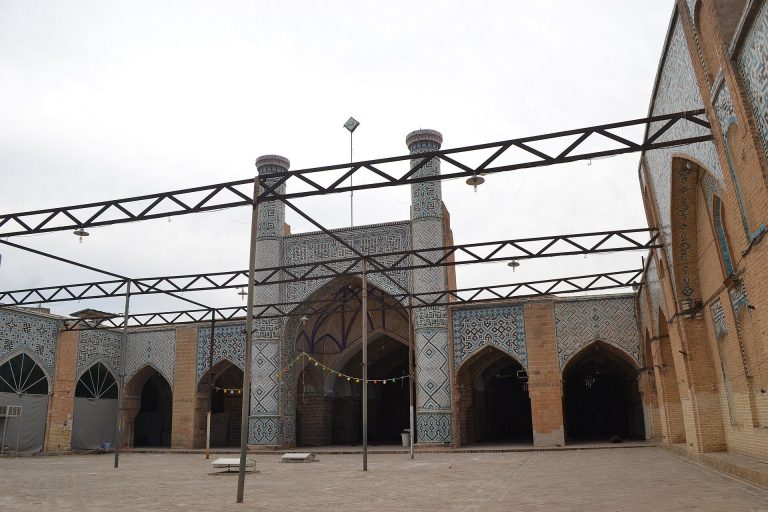
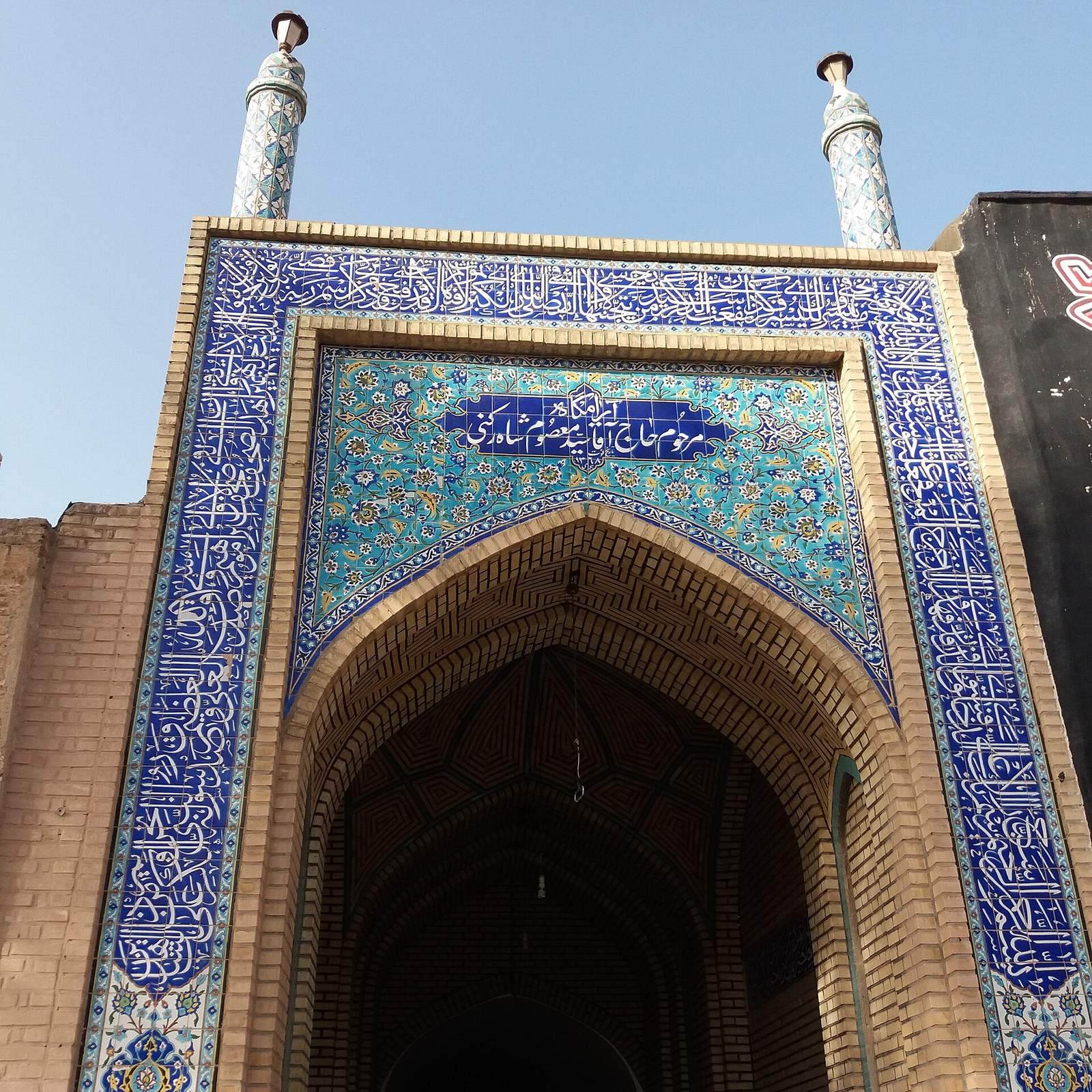
The complex centers on the brick mausoleum, with a small mosque and a bathhouse attached.
Main complex
Mausoleum
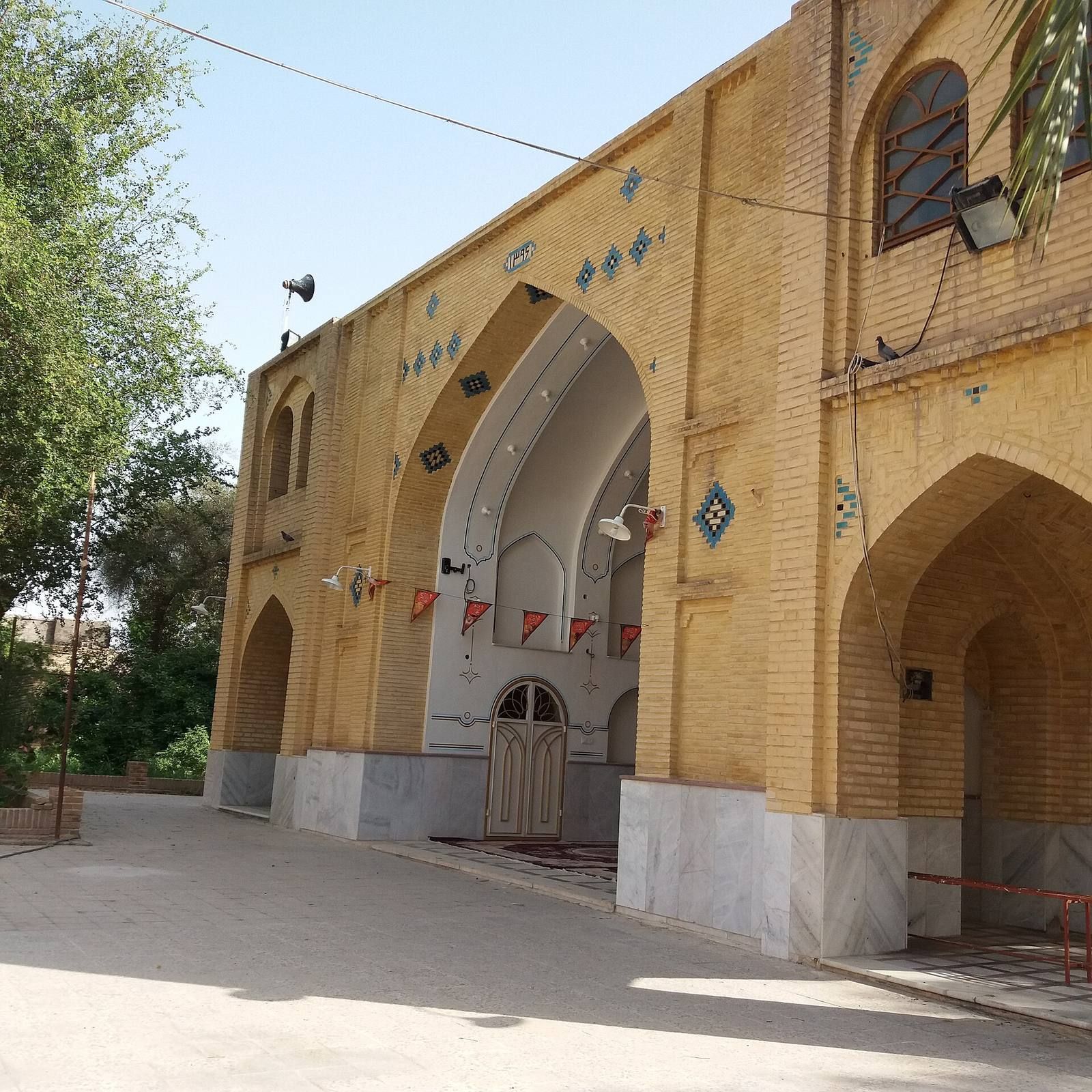
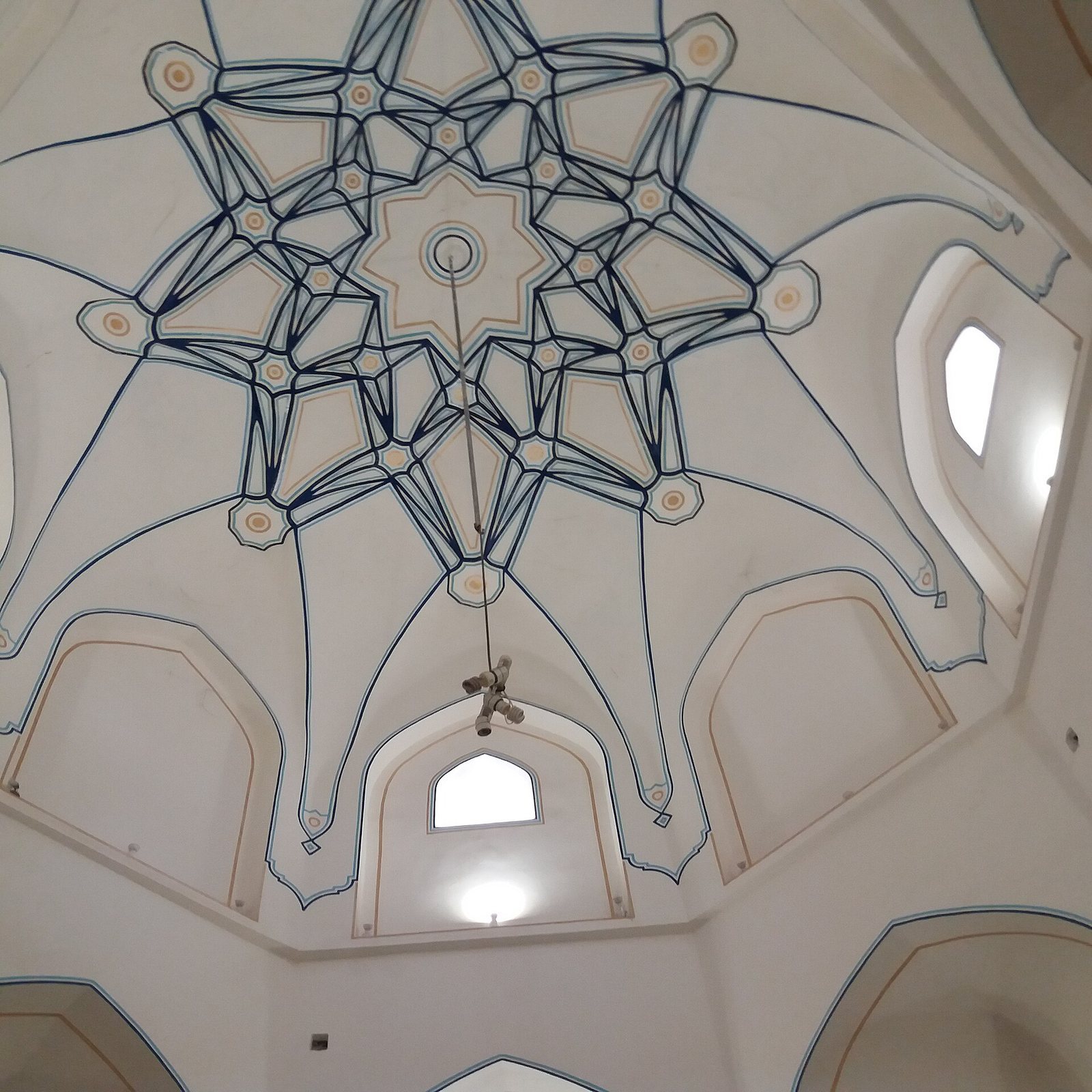
The mausoleum contains the tomb of Shah Rokneddin and is also identified as the resting place of Ali al-Mashhour, son of Baba Rokneddin Wali. Its single dome is conical, blue or turquoise, and has fourteen sides. The two minarets were added during the Qajar era, when a dynasty ruled Iran from the late 18th to the early 20th century. The structure also has iwans, vaulted spaces open on one side, which were added in the 20th century.
Attached mosque
A small mosque is attached to the mausoleum.
Shah Rukn al-Din Bathhouse
The attached bathhouse was completed during the Timurid era. The Timurids, a dynasty founded by Timur, ruled parts of Central Asia and Iran.