Golden Hill Fort: A Victorian Coastal-Defence Barracks on the Isle of Wight
Site at a Glance
- Rating
- 4.3
- Popularity
- Very Low
- Country
- United Kingdom
- Primary era
- Modern
- External website
- Open
- Eras represented
- Modern
- Civilizations
- British
- Site type
- Military
- Remains
- Fort
On this page4 sections
History
Construction and military use
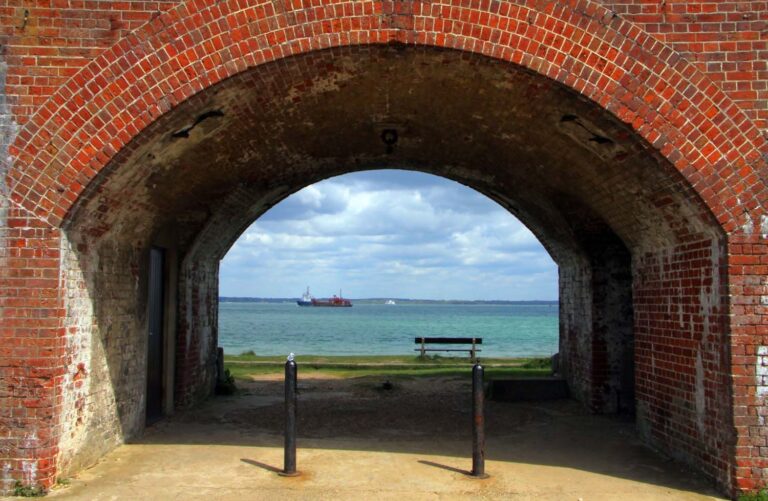
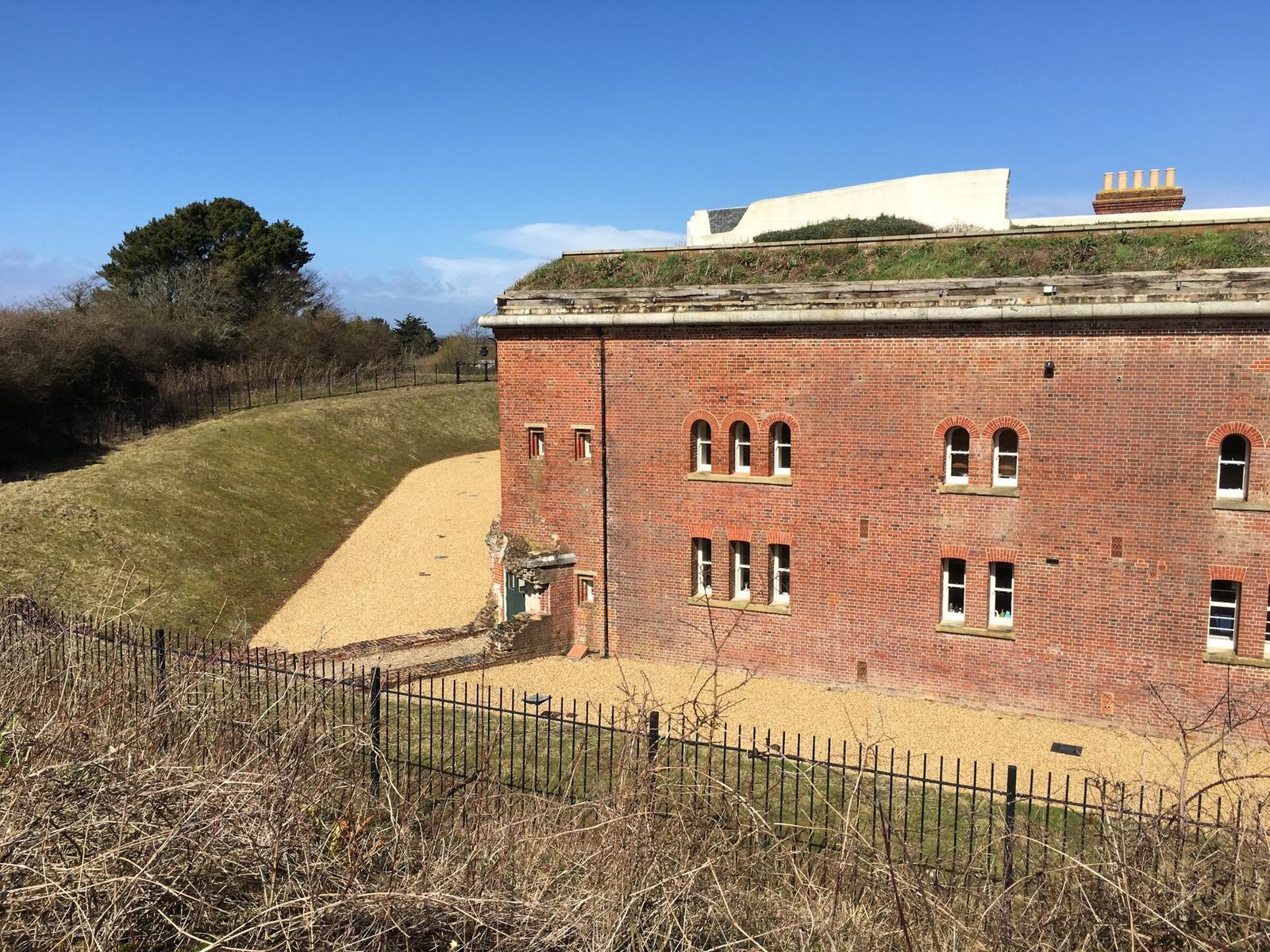
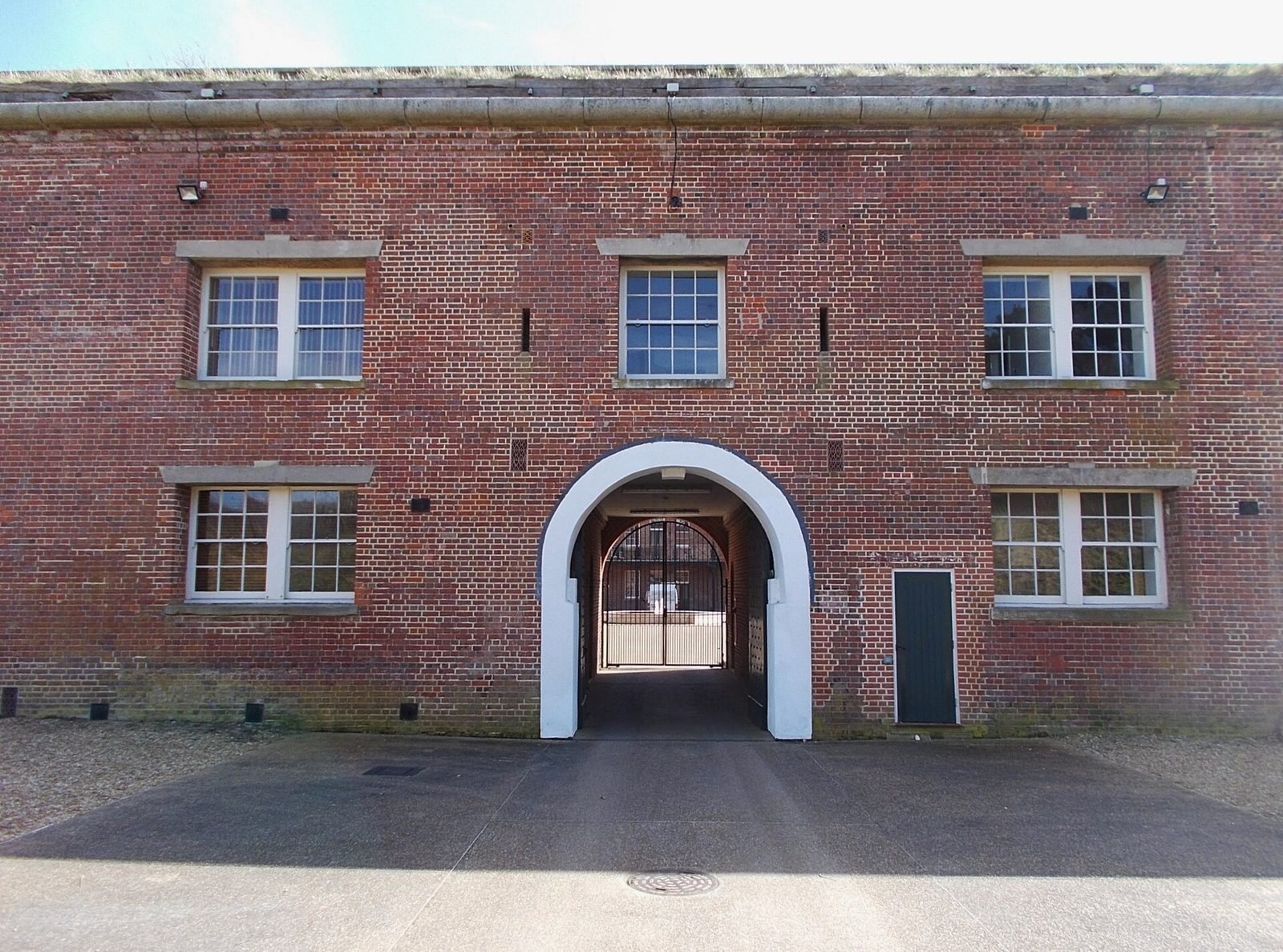
Golden Hill Fort is a brick, hexagonal barracks at Norton Green, Freshwater, on the Isle of Wight in the United Kingdom. Built between 1863 and 1872, it formed part of the Palmerston defences, a British coastal-fortification program associated with Prime Minister Lord Palmerston. The fort was intended to house personnel serving the island’s western defences and entered use in 1872.
It housed the garrison for nearby Hatherwood Battery, an artillery emplacement. In 1914, 33 Company of the Royal Garrison Artillery, the British Army branch responsible for garrison and coastal artillery, was based at the fort.
Residential conversion and protection
After years of disuse and changes of ownership, the fort received planning consent for conversion to housing in 2003. Its listed-building consent was updated in 2007, and conversion work took place from 2008 to 2011. Golden Hill Fort is Grade I listed, the highest listed-building category in England, reserved for buildings of exceptional interest.
The name Golden Hill has been linked to a former landowner called Gauden, rather than to the golden appearance of flowering gorse. The origin remains uncertain.
Remains
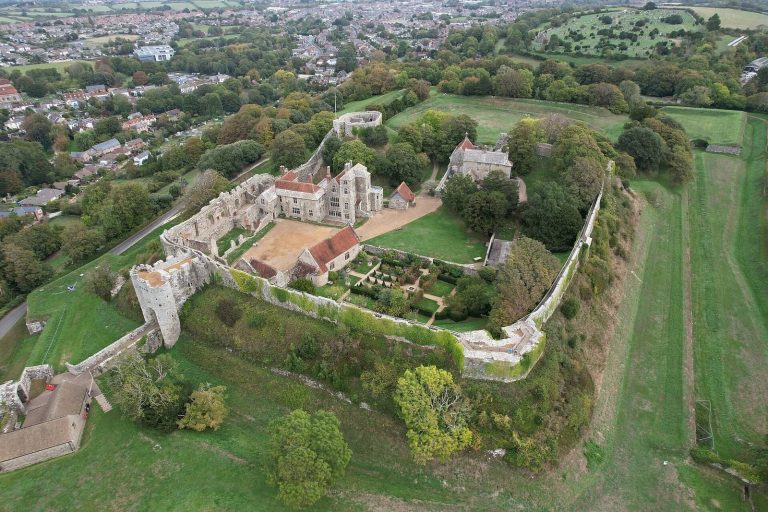
The fort’s brick structure forms a hexagonal defensible barracks, positioned above land to the south toward Afton Down. It accommodated eight officers and 128 men and included a hospital. The building has been adapted into 18 dwellings. During its military use, vegetation was kept clear to maintain views toward the Solent.
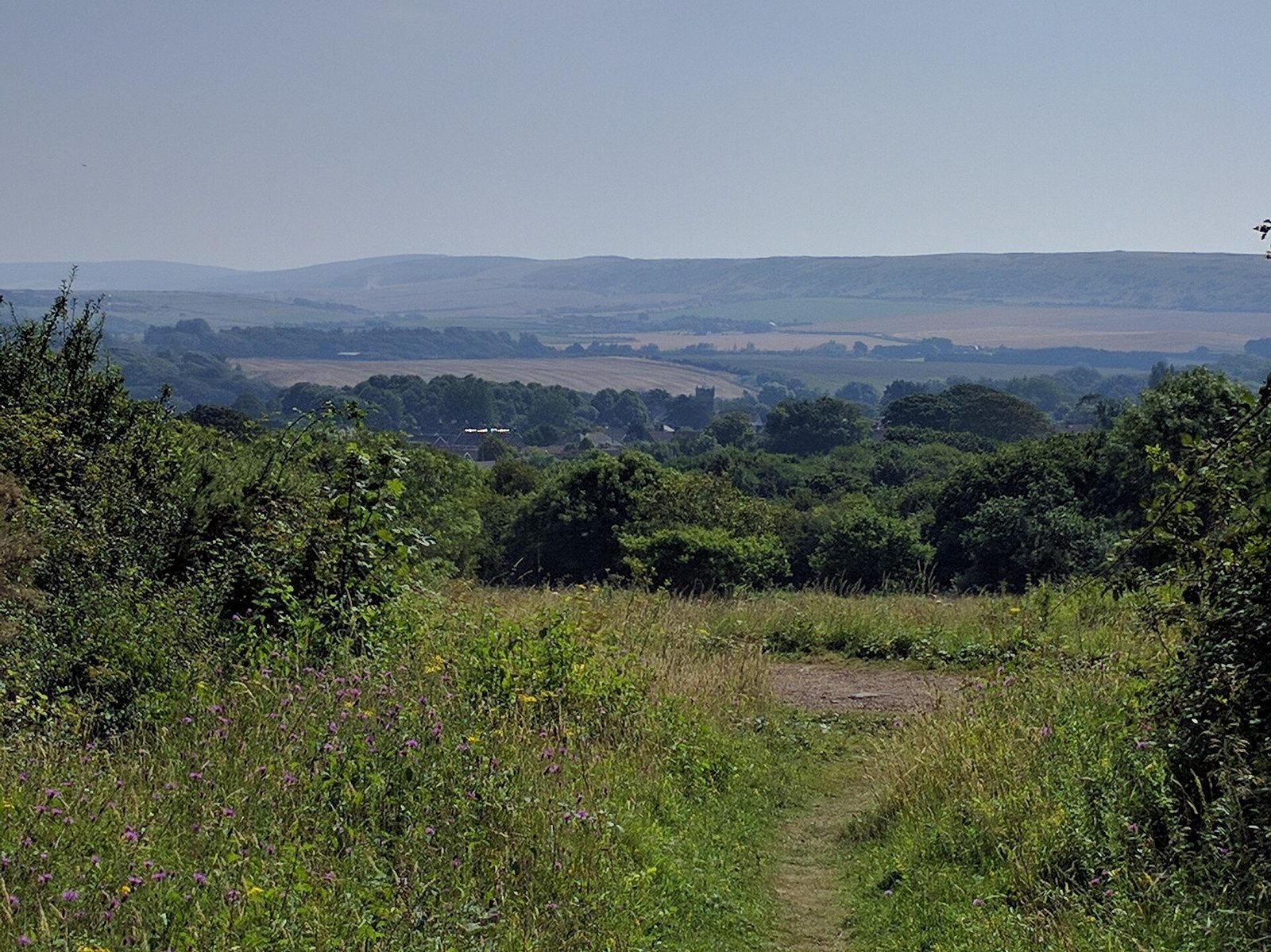
The surrounding land forms Golden Hill Country Park. Its landscape includes open grassland, scrub, and secondary woodland, with views across Afton Down and Freshwater Bay. Varied soils support plants associated with different conditions, including chalk-loving yellow-wort and dwarf thistle, dyer’s greenweed on neutral soils, and gorse on more acidic soils. The habitats also support butterflies and form transitions between grassland, scrub, and woodland.