Acropolis of Arpino: A Pre-Roman Fortified Center in Italy
Site at a Glance
- Country
- Italy
- Primary era
- Iron Age
- Eras represented
- Iron Age, Medieval, Early Modern
- Civilizations
- Habsburg, Kingdom of Naples
- Site type
- Military
- Remains
- Citadel
On this page10 sections
History
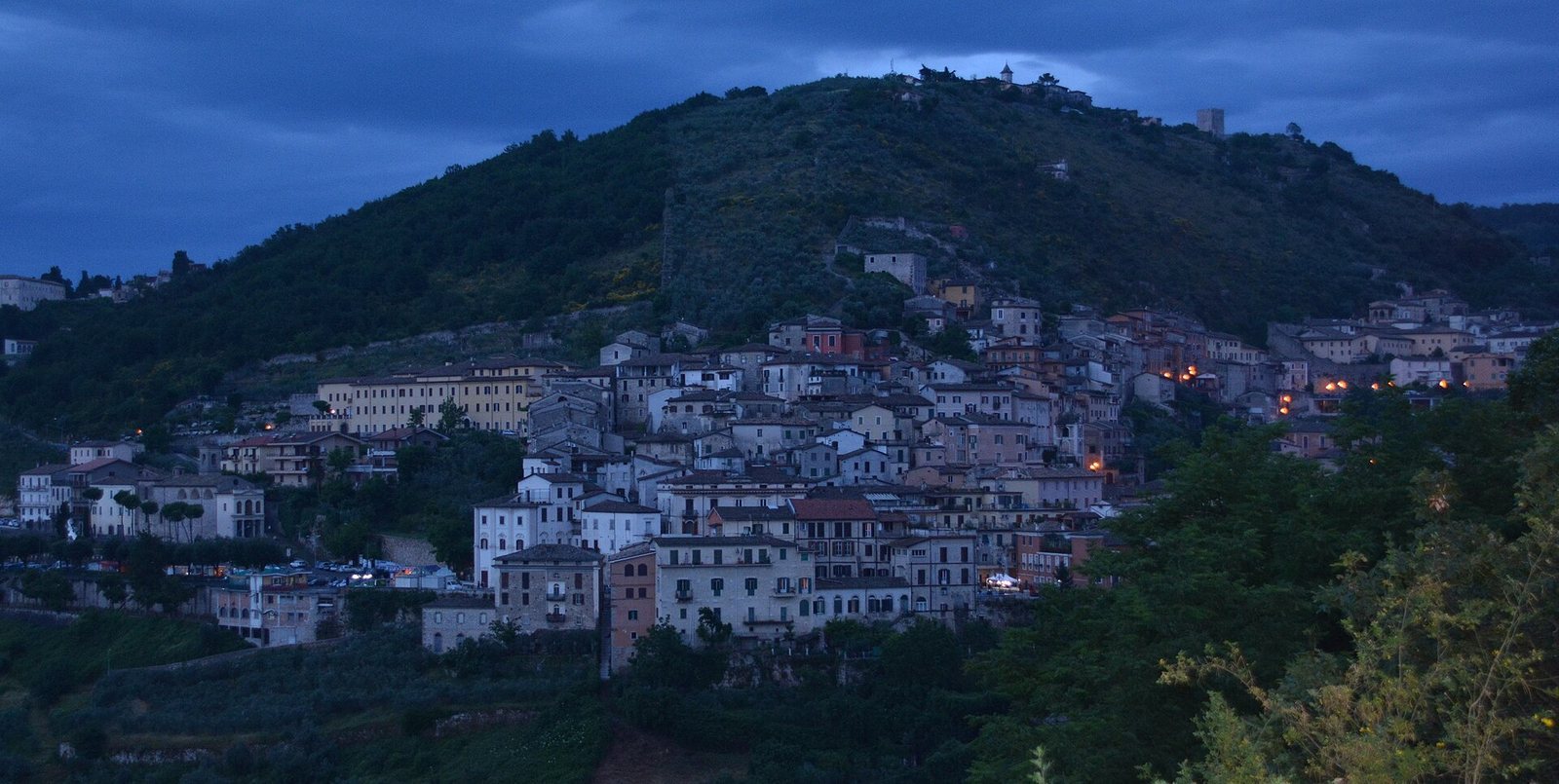
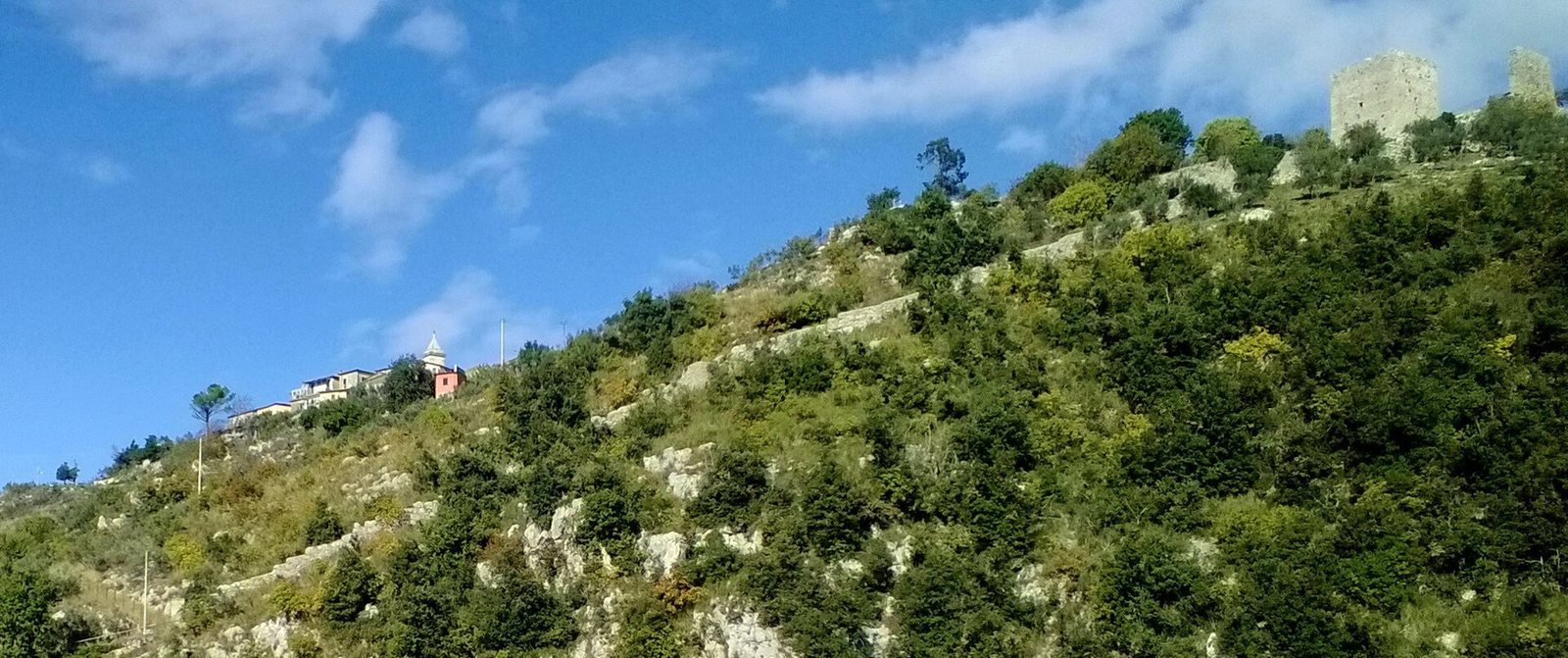
The Acropolis of Arpino, a pre-Roman fortified center also called Civitavecchia or Civita Vecchia, lies in Italy. Some date its origins to the eighth or seventh century BCE, during the Iron Age, a period associated with the adoption and use of iron tools and weapons. Its pre-Roman polygonal masonry, made from shaped stone blocks fitted together, is valued for understanding ancient construction in southern Lazio.
Several towers were added at strategic points in the fortifications, probably around the transition from the fifteenth to the sixteenth century. A topographical plan of Arpino that includes the acropolis appeared in Marianna Candidi Dionigi’s Travels in the Ancient Cities of Latium, published between 1809 and 1812.
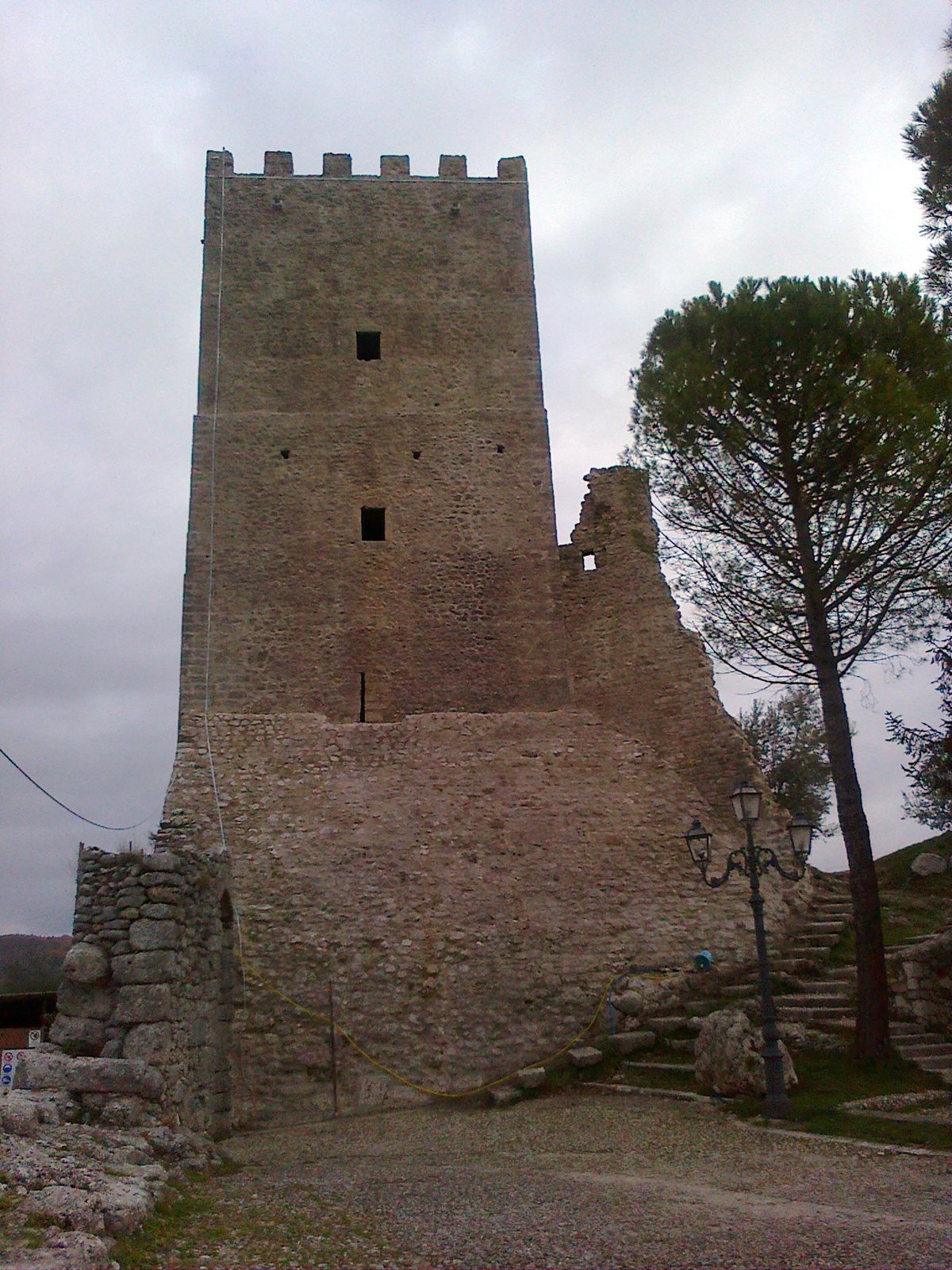
The historic settlement of Civitavecchia is protected for its historical and environmental character. Cicero’s Tower, a medieval remnant within the settlement, was restored in 2011.
Remains
The acropolis lies within Arpino’s urban area at an average elevation of 627 m. The lower historic center averages 450 m, while Civita Falconara, a steep and elevated part of that center, occupies a spur almost opposite Civitavecchia to the west-southwest. Polygonal walls cross this varied terrain, enclosing the fortified areas and the hillsides between them.
Polygonal fortifications
The enclosing circuit
A circuit of polygonal walls extending more than 3 km encloses Arpino, Civitavecchia, and the hill and slopes between them. Its course descends and rises with the land. At least 1.5 km of the walls is in good condition, and some sections stand more than 6 m high.
Northern walls and side-entry gate
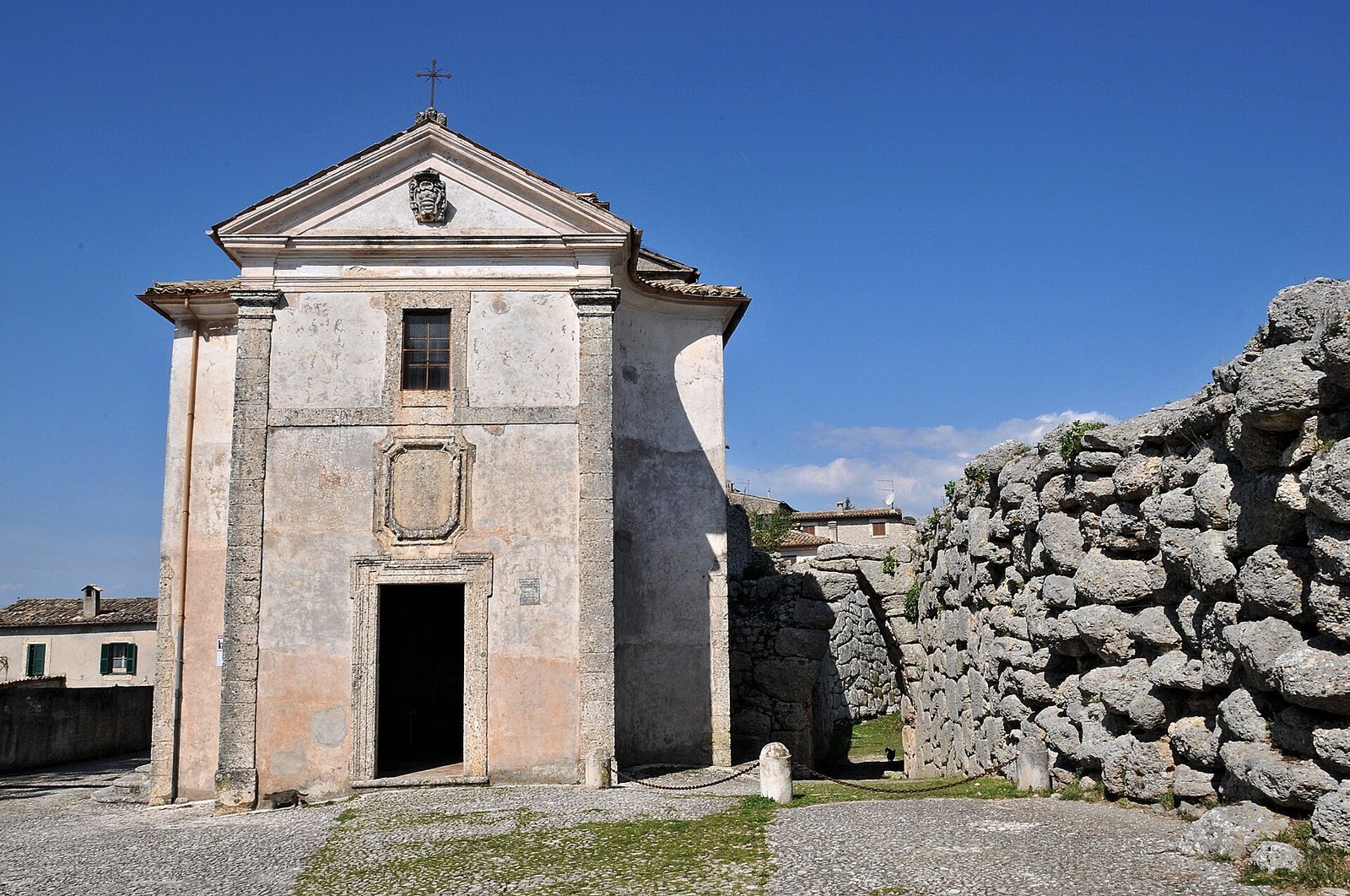
Substantial polygonal walls defend the acropolis on its northern side. They are classified as the second manner in the system devised by Italian archaeologist Giuseppe Lugli, a category for types of polygonal masonry. These walls are among the best-preserved examples of pre-Roman construction of this kind.
The fortifications include a pointed corbelled arch, formed by stone courses that project inward from the sides. It creates a scea gate, an entrance that runs obliquely through the defensive wall. The arrangement exposed an entrant’s right side to defenders, since a shield held in the left hand would not cover it. The arch is the only surviving example of its type in the Mediterranean region.
Walls incorporated into Civita Falconara
In Civita Falconara, particularly in the Caùto neighborhood along present-day Via Caio Mario, sections of the ancient walls form foundations for later houses, gardens, and palaces. They are also built into basements and dividing walls.
Medieval and religious buildings
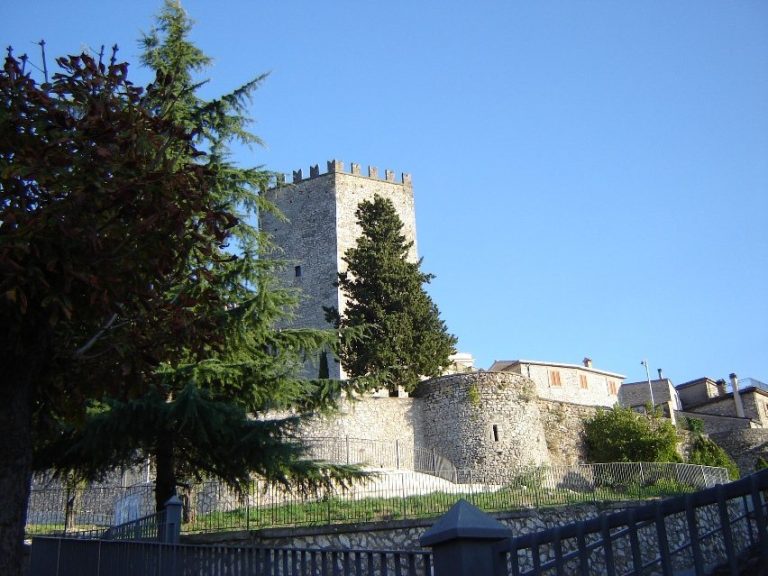
Cicero’s Tower
Cicero’s Tower survives from a battlemented medieval castle. Behind it are a small military courtyard, a cistern, and the foundation remains of other towers.
Church of San Vito
The Church of San Vito has a façade and bell tower dating to the seventeenth or eighteenth century, built from Arpino puddingstone, a conglomerate of rounded stones set in a finer matrix. Its interior was extensively altered in modern times. An altarpiece by Cavalier d’Arpino, the Italian painter Giuseppe Cesari, depicts Vitus, an early Christian martyr, with Modestus and Crescentia, who are traditionally associated with him. The painting dates to 1625–1627.
Church of the Holy Trinity
The small Church of the Holy Trinity, also called the Church of the Image of the Crucifix, adjoins the pointed arch. Built in 1720, it is the only church in Arpino with a Greek-cross plan, whose four arms are of roughly equal length. Its late Baroque façade has neoclassical influences and a projecting section framed by two puddingstone pilasters, flat vertical features attached to the wall. The interior is partly frescoed and decorated with late Baroque religious motifs, and a bell tower is associated with the church.