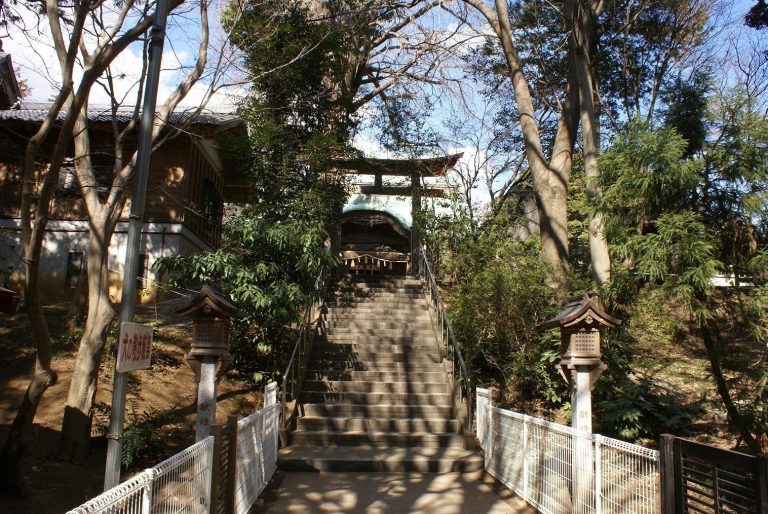
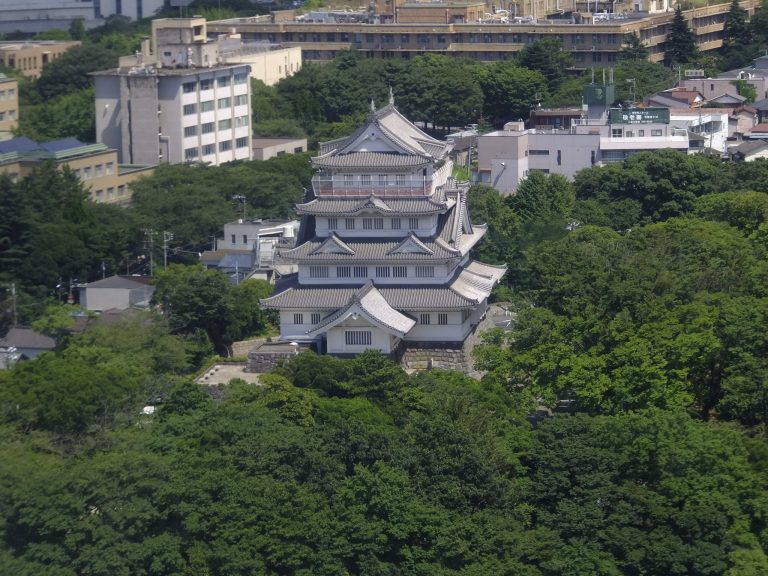
Sakura Castle: A Hilltop Castle and Seat of Sakura Domain
Site at a Glance
- Country
- Japan
- Primary era
- Early Modern
- Eras represented
- Early Modern, Modern
- Civilizations
- Japanese, Tokugawa
- Site type
- Military
- Remains
- Castle
On this page8 sections
History
Sakura Castle is a hilltop castle in Japan whose Tokugawa-period construction began in 1610 under Doi Toshikatsu and was completed in 1617. It became the seat of Sakura Domain, a territory governed by a regional lord, and was considered important to protecting Edo’s eastern approaches. Its lords often held senior positions in the Tokugawa shogunate, the military government established by Tokugawa Ieyasu.
Early construction attempts
A traditional account places the first building work in the Tenbun era (1532–1555). Kashima Chikamiki began the project at Chiba Chikatane’s command, but work stopped after Chikatane was assassinated. Chiba Kunitane later made another attempt, which also ended after his assassination.
An alternative theory identifies Kashima Castle, an earlier fortress on the same site, as a project of Hojo Ujimasa and his son Ujinao in 1585. The work is connected with efforts to secure Ujinao’s succession within the Chiba clan despite opposition. A letter Ujimasa issued on November 25 refers to a castle as already built. A later Chiba chronicle, however, places the start of work on November 22, with samurai and laborers assembled from the eight provinces of the Kanto region. It records completion on December 3, the finishing of the gates and walls by December 12, and the arrival of Kunitane’s daughter and her mother on December 15.
Tokugawa rule and the domain castle
In 1590, during the Siege of Odawara, the castle surrendered to Tokugawa forces commanded by Honda Tadakatsu and Sakai Ietsugu. Chiba Shigetane, the Chiba clan’s regional lord, surrendered on the condition that the clan would not be abolished.
On Ieyasu’s orders, Doi Toshikatsu began a new building project in 1610, reusing foundations and unfinished earthworks from the earlier Chiba undertaking. Completed in 1617, the castle became the center of government for Sakura Domain. It was regarded as important to the defense of Edo, the Tokugawa capital at the site of modern Tokyo, and its lords were often appointed to senior shogunate offices.
Control of the castle changed hands frequently in the early Edo period, which followed the establishment of Tokugawa rule. Administration became more stable after Hotta Masasuke returned to govern the domain with an assessed holding of 110,000 koku, a measure of rice yield used to express a domain’s wealth.
Fire, military use, and recovery
In 1813, a fire accidentally started by thieves destroyed the castle tower. In 1873, the castle buildings were removed to make room for military barracks. The Imperial Japanese Army’s 2nd Infantry Regiment moved its headquarters to the site in 1884, then left for Mito in April 1908. The 57th Infantry Regiment arrived from Narashino in March 1909. During the Second World War, the grounds continued to be used for army barracks.
Excavations and improvements accompanied construction of the National Museum of Japanese History. Some remains that had been flattened or buried during the regimental period were restored. The museum opened on the castle grounds in 1981. In 2006, Sakura Castle was selected as the twentieth entry in the Japanese Castle Foundation’s Top 100 Castles.
Remains
Hilltop layout and defenses
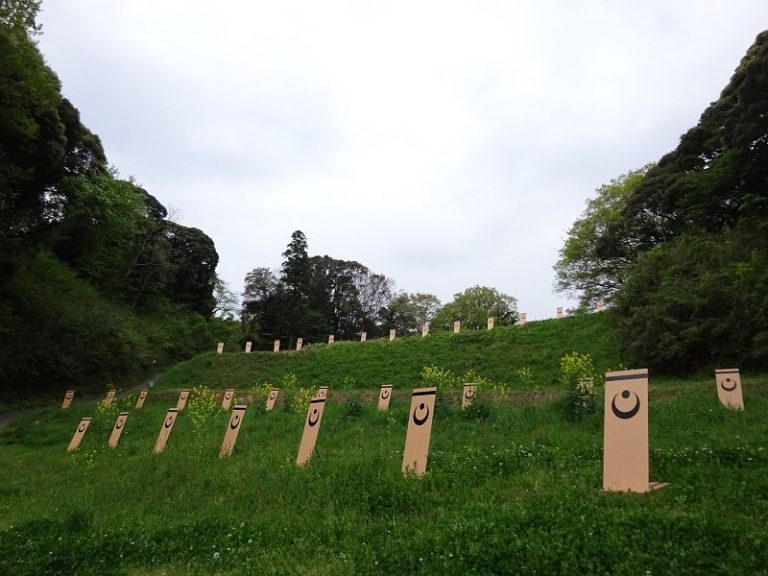
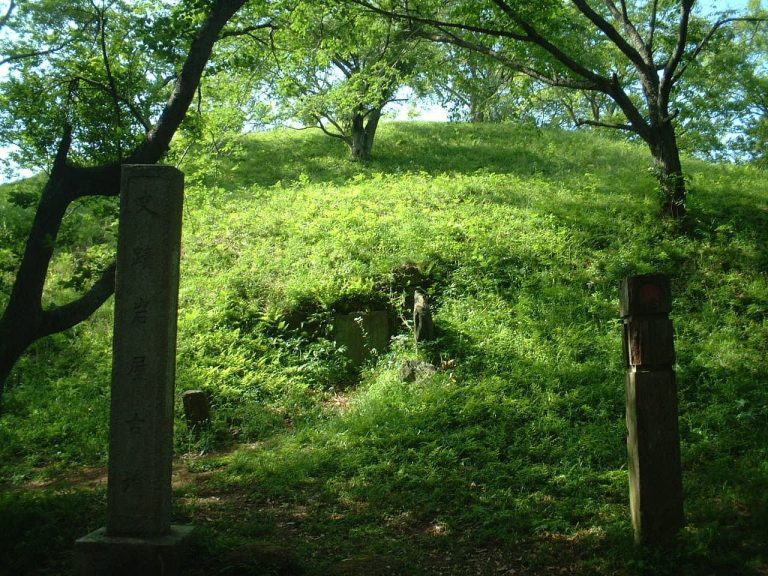
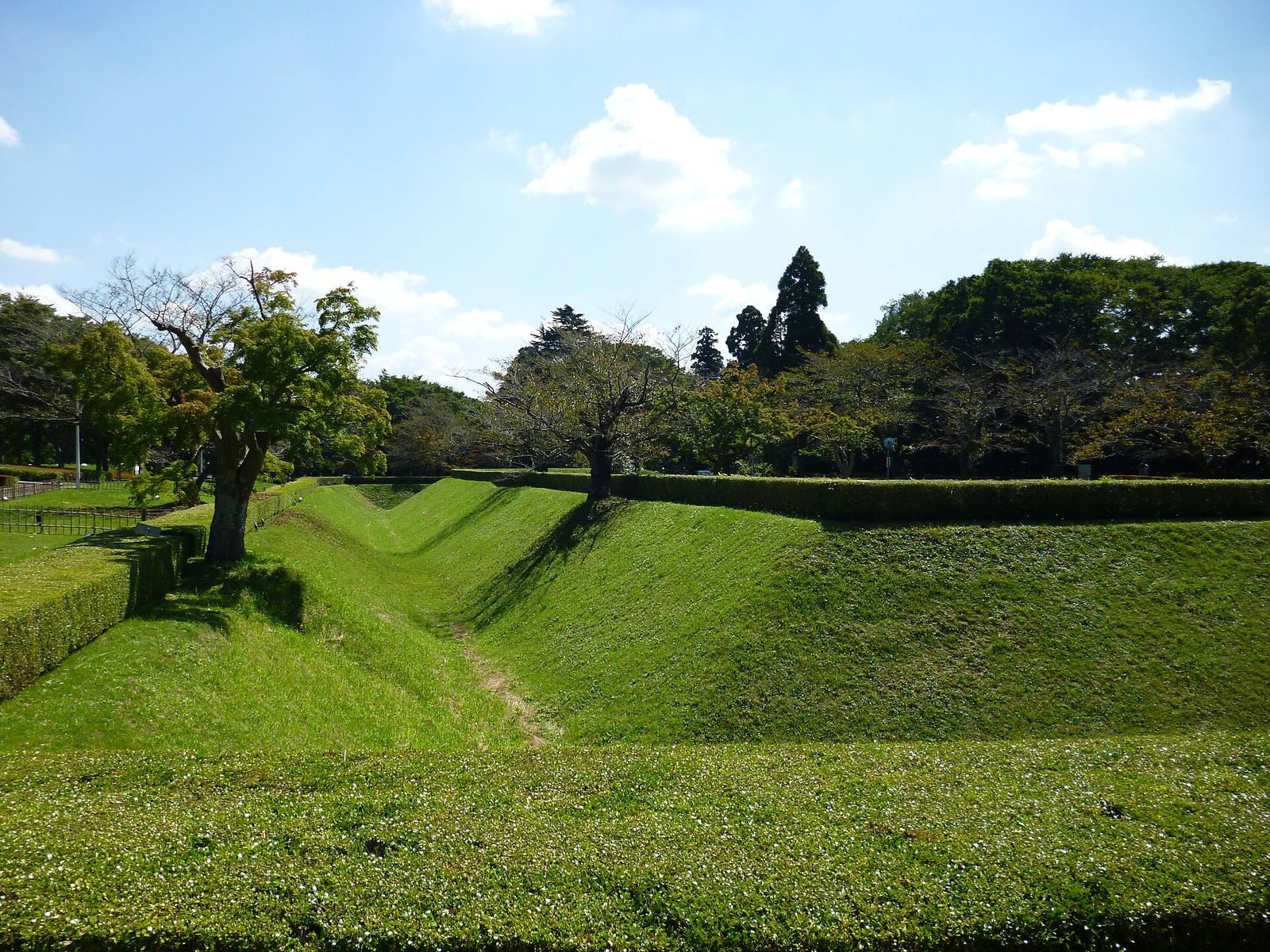
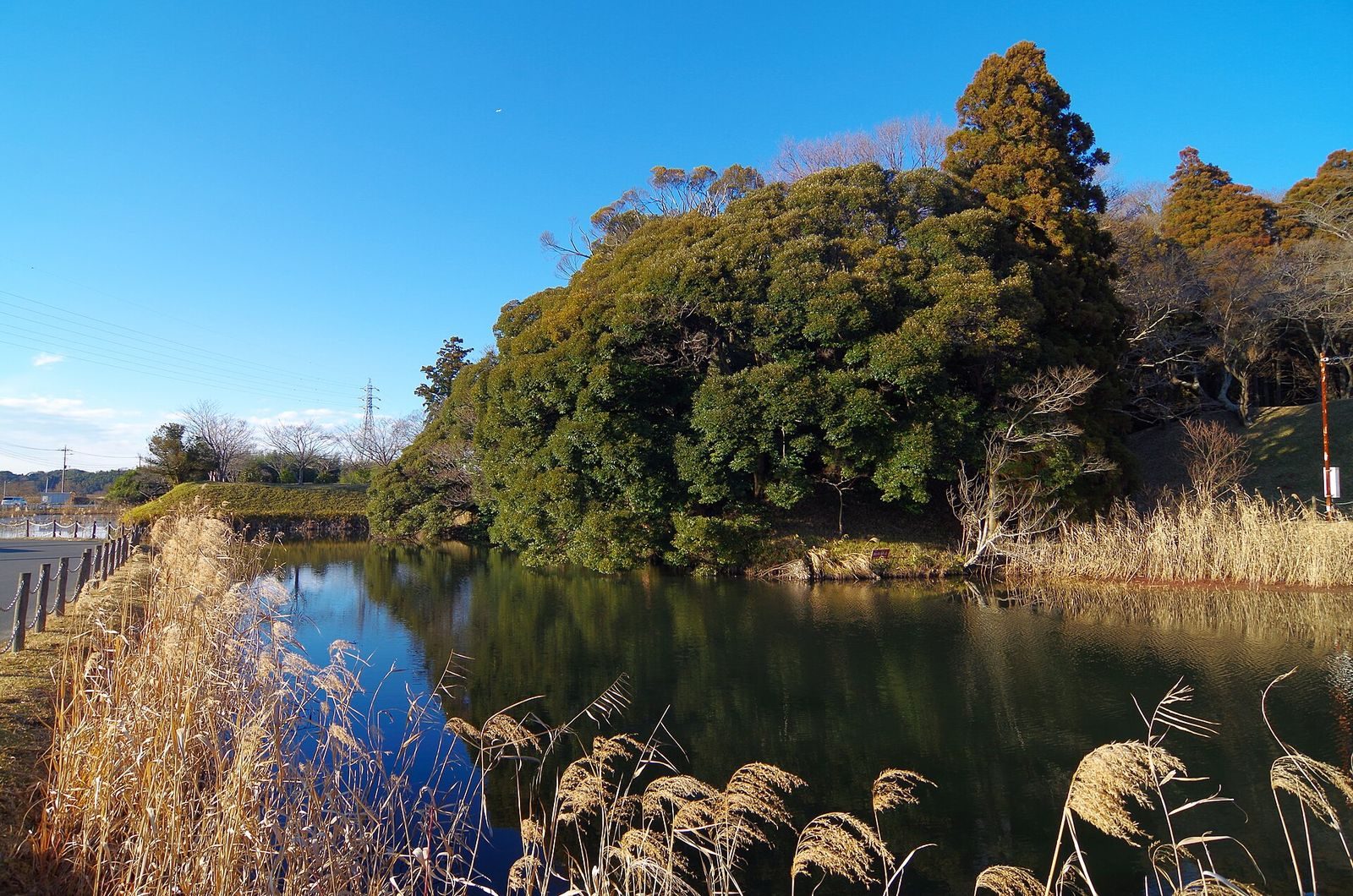
The castle occupied the western end of Kashima Hill, which rises about 30 metres. The Kashima and Takasaki rivers bordered the site to the west and south, while wetlands extended north toward Inba-numa. Before land reclamation, the broad wetlands there formed part of the outer defenses. Sakura was a large hilltop castle divided into baileys, enclosed defensive areas, including the main, second, and third baileys, as well as the Shiigi and Tenjin baileys and other outer enclosures. Their shapes and the moat network remain visible. Deep dry moats and earthen ramparts formed the main defenses and divided the enclosures. A large dry moat protected an umadashi, a projecting defensive outwork near a gate, while water moats defined the western and southern outer baileys.
Tower and gates
A three-tier, four-story tower built in 1616 and transferred from Edo Castle served in place of a conventional keep. Its site remains identifiable, as do the earthworks at the site of the copper tower. One gate survives as a simple yakui-mon, a gabled gate with paired rear support posts. It is thought to have been moved outside the castle and later brought back. The umadashi associated with Shiigi Gate has been reconstructed.
Military remains and present grounds
Remains of the army period include an ammunition store and training facilities. The National Museum of Japanese History occupies the northwestern part of the castle site, on the former Shiigi Bailey; the rest of the grounds form Sakura Castle Park. Displays at the park’s center include excavated finds, a model of the castle, and photographs from around the beginning of the Meiji period showing former gates and towers.