Palazzo De Felice: A Fortified Palace in Rosciano, Italy
Site at a Glance
- Country
- Italy
- Primary era
- Medieval
- Eras represented
- Classical, Medieval, Early Modern
- Civilizations
- Kingdom of Naples, Roman, Spanish
- Site type
- Military
- Remains
- Castle
On this page6 sections
History
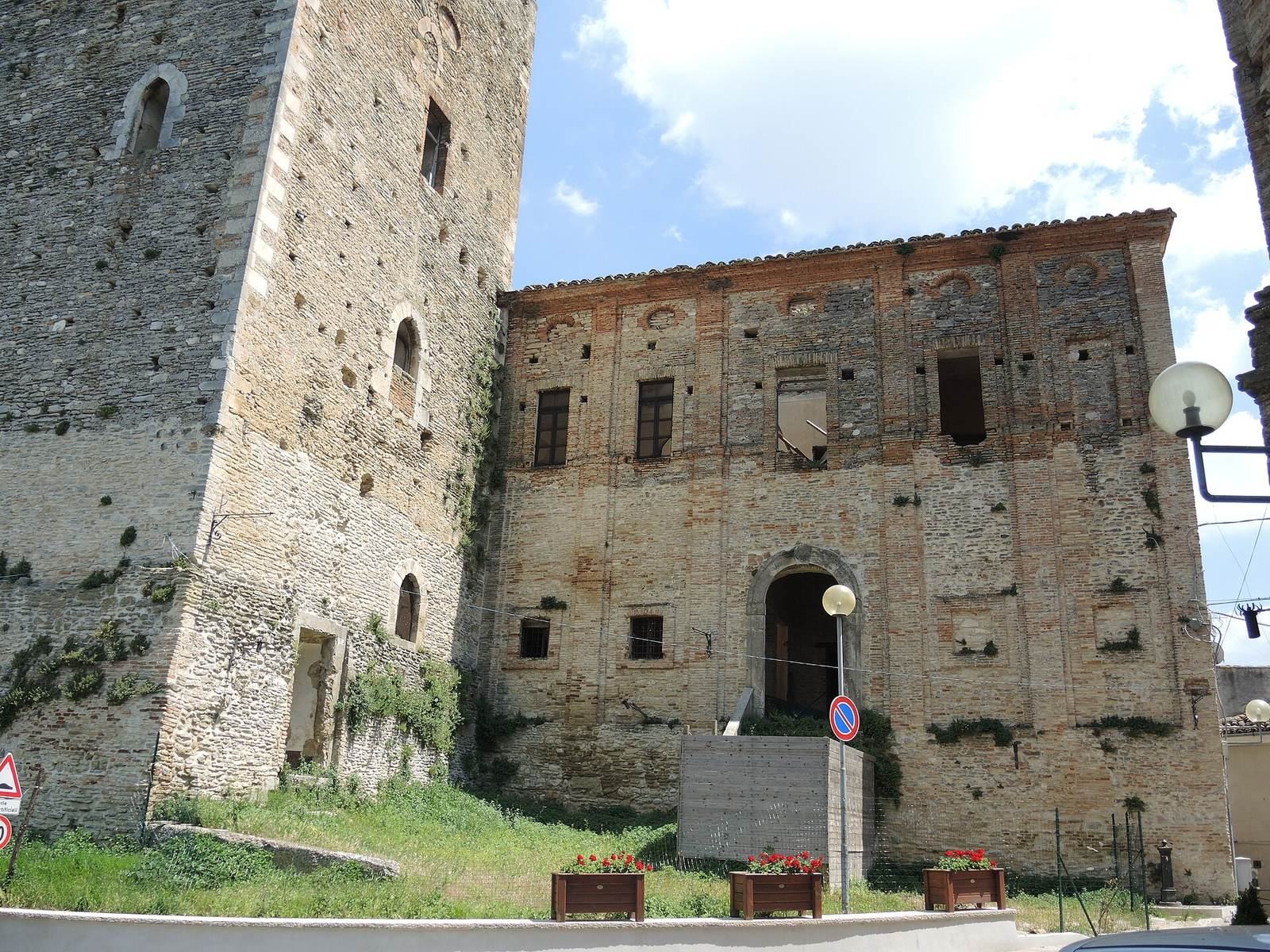
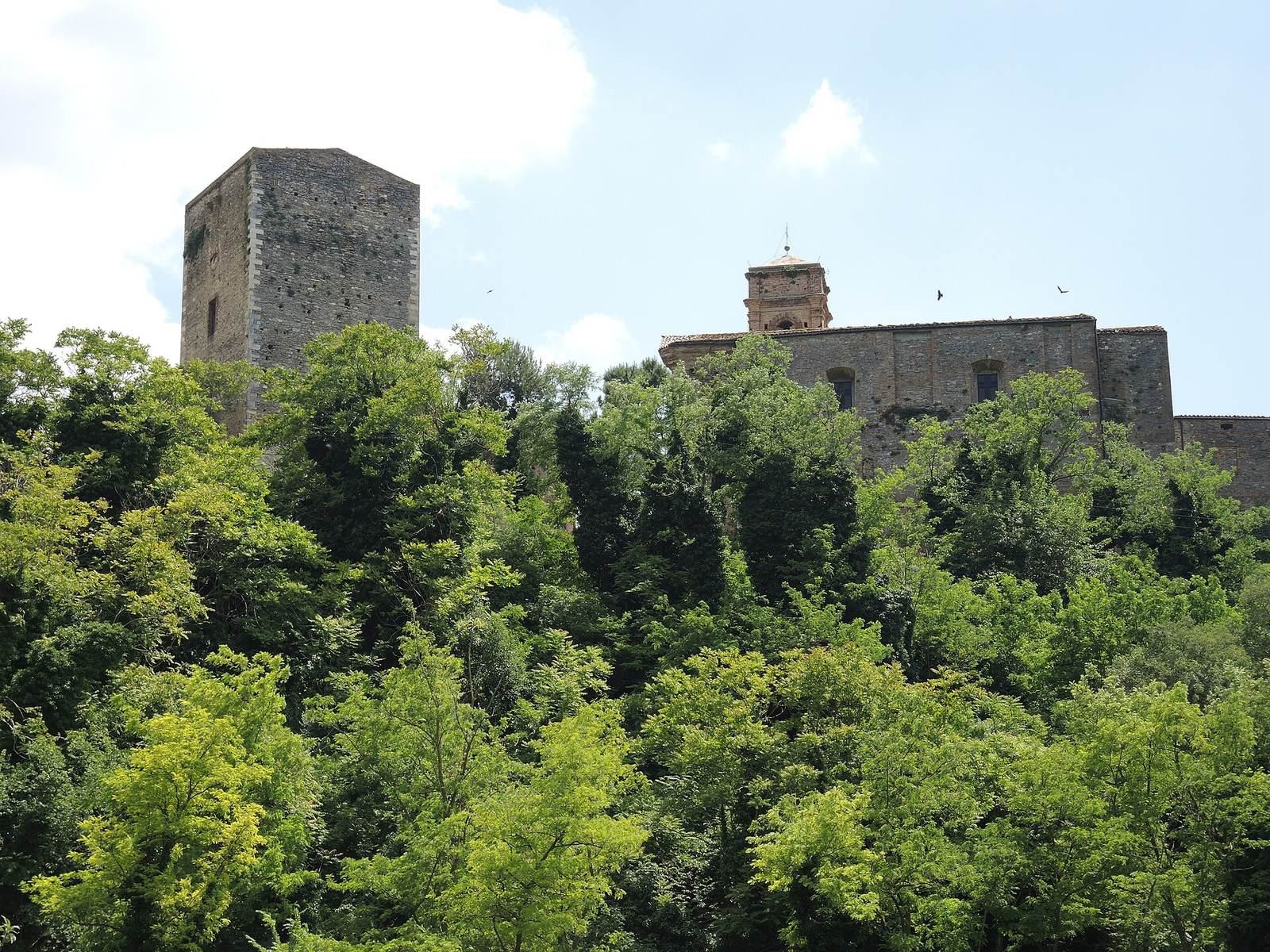
Palazzo De Felice is a fortified palace complex in central Rosciano, Italy, on a hilltop used for fortifications for more than 2,000 years. The earliest remains are attributed to a Roman fortification. The complex’s oldest component is a quadrangular tower probably dating to the 13th century, built for observation and defence.
Local residents call the tower the Tower of the Paladins. The name recalls elite champions associated in medieval tradition with Charlemagne’s court. Charlemagne was a Frankish ruler who became emperor in the early ninth century.
The palace and its later use
The De Felice family added a palace in the 15th century. It was completed in 1600 in the Baroque style, an elaborate European artistic and architectural style that developed from the late 16th century. Later generations also contributed to the castle’s development. Despite the complex’s military origins, the palace was often used to shelter troops.
Remains
The tower and palace
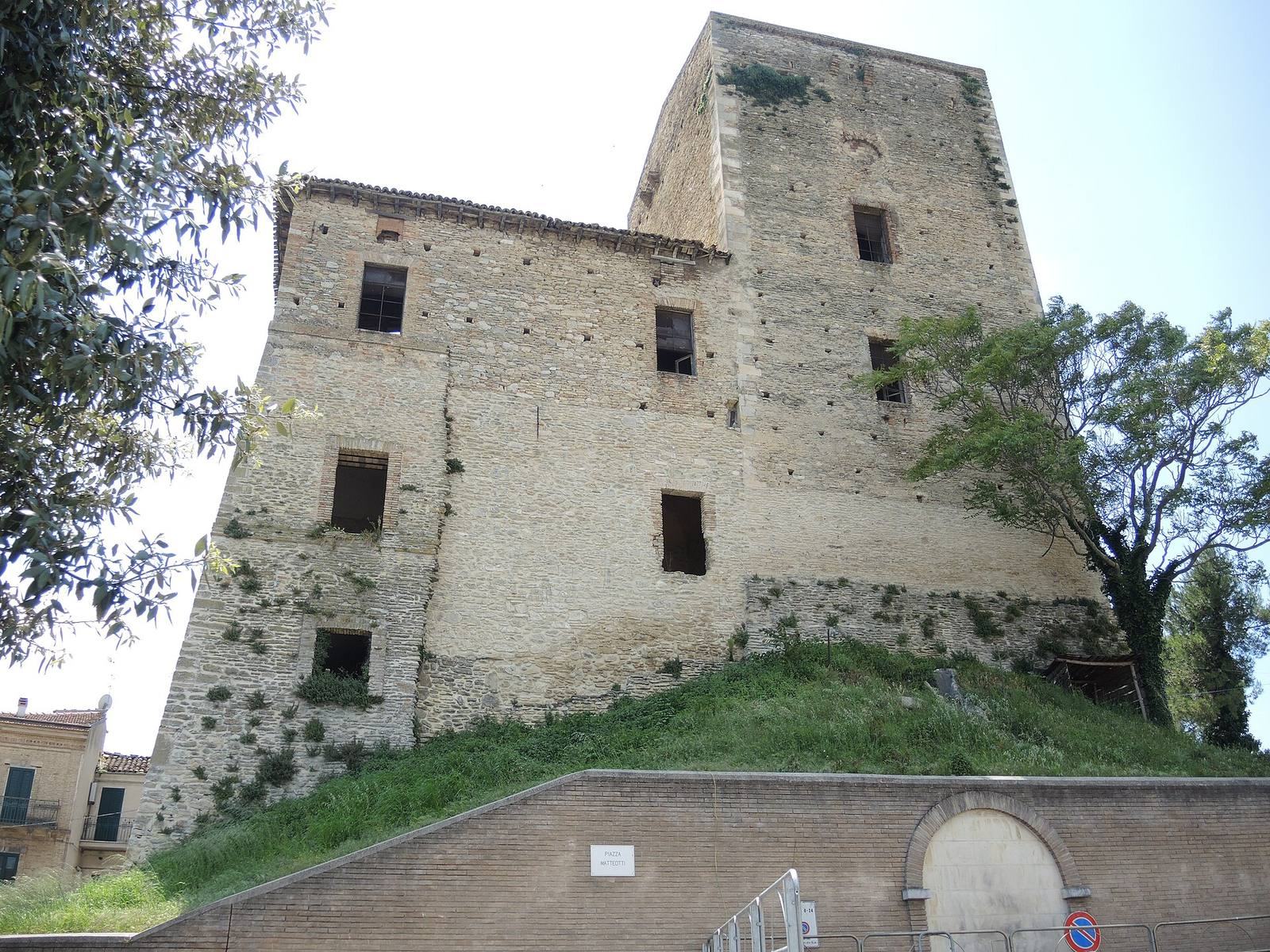
The complex stands on the north bank of the Pescara River in central Rosciano, a hill town overlooking the Pescara valley. Its rubble-stone buildings comprise a square tower and an attached, rectangular palace that incorporates the tower.
The tower
The tower has three floors and stands on foundations from the earlier Roman fortification. Its tall base is faced with river pebbles, a construction intended to make climbing difficult. Higher in the masonry are two windows with pointed arches and single openings.
The palace
The palace has two storeys. On its southern side, a broad flight of steps flanked by pilasters, shallow supports attached to a wall, leads from a large mezzanine, or intermediate floor, to numerous rooms. This interior arrangement contrasts with the complex’s defensive origins. The palace survives in a ruined condition.