Kitabatake Shrine: A Shinto Shrine at a Former Clan Residence
Site at a Glance
- Country
- Japan
- Primary era
- Modern
- Eras represented
- Medieval, Modern
- Civilizations
- Ashikaga shogunate, Japanese
- Site type
- Religious
- Remains
- Sanctuary
On this page9 sections
History
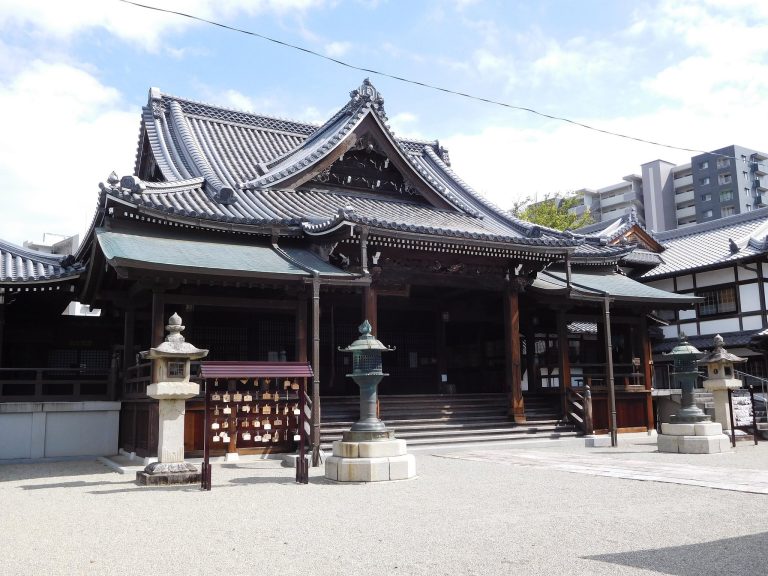
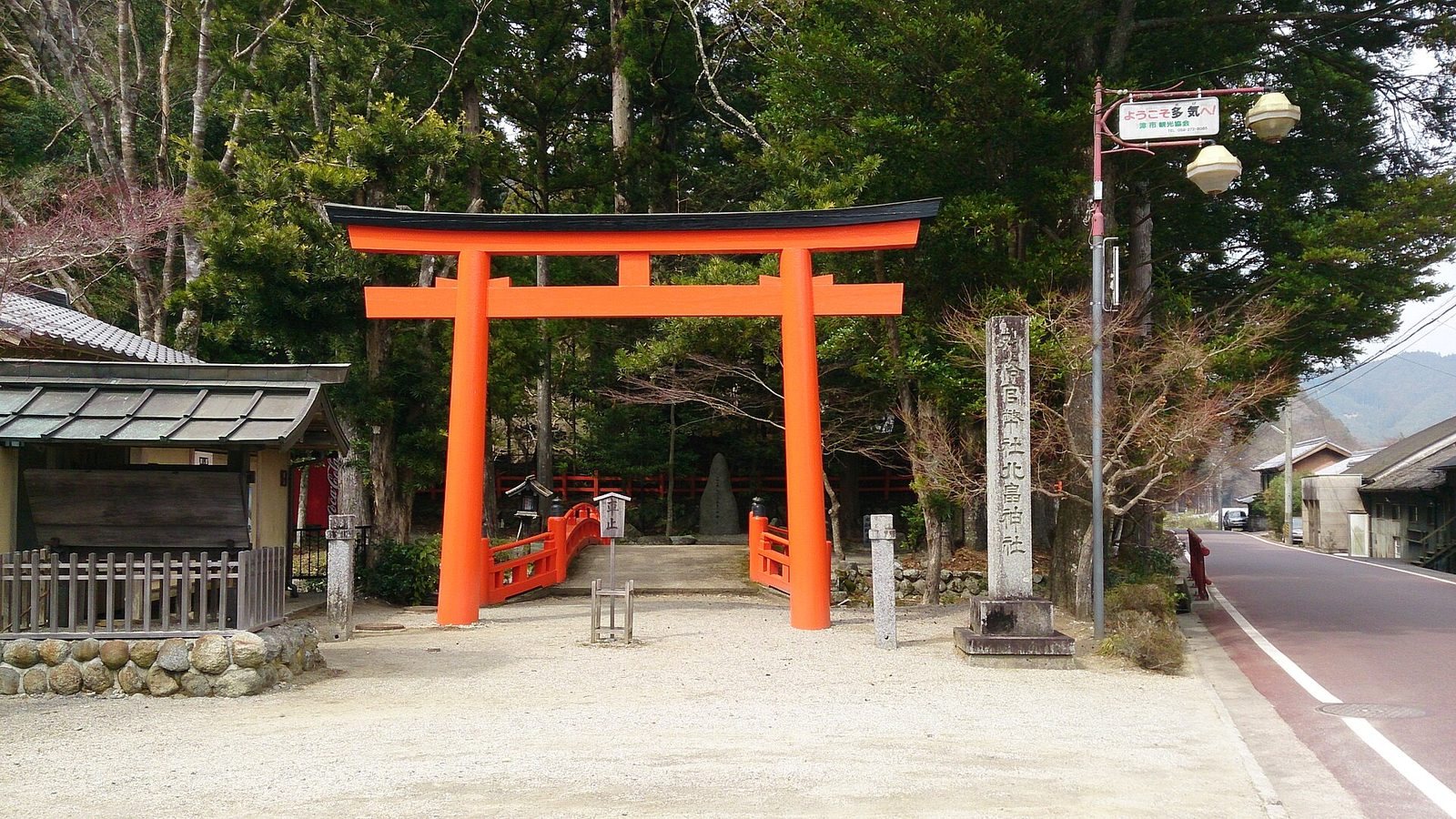
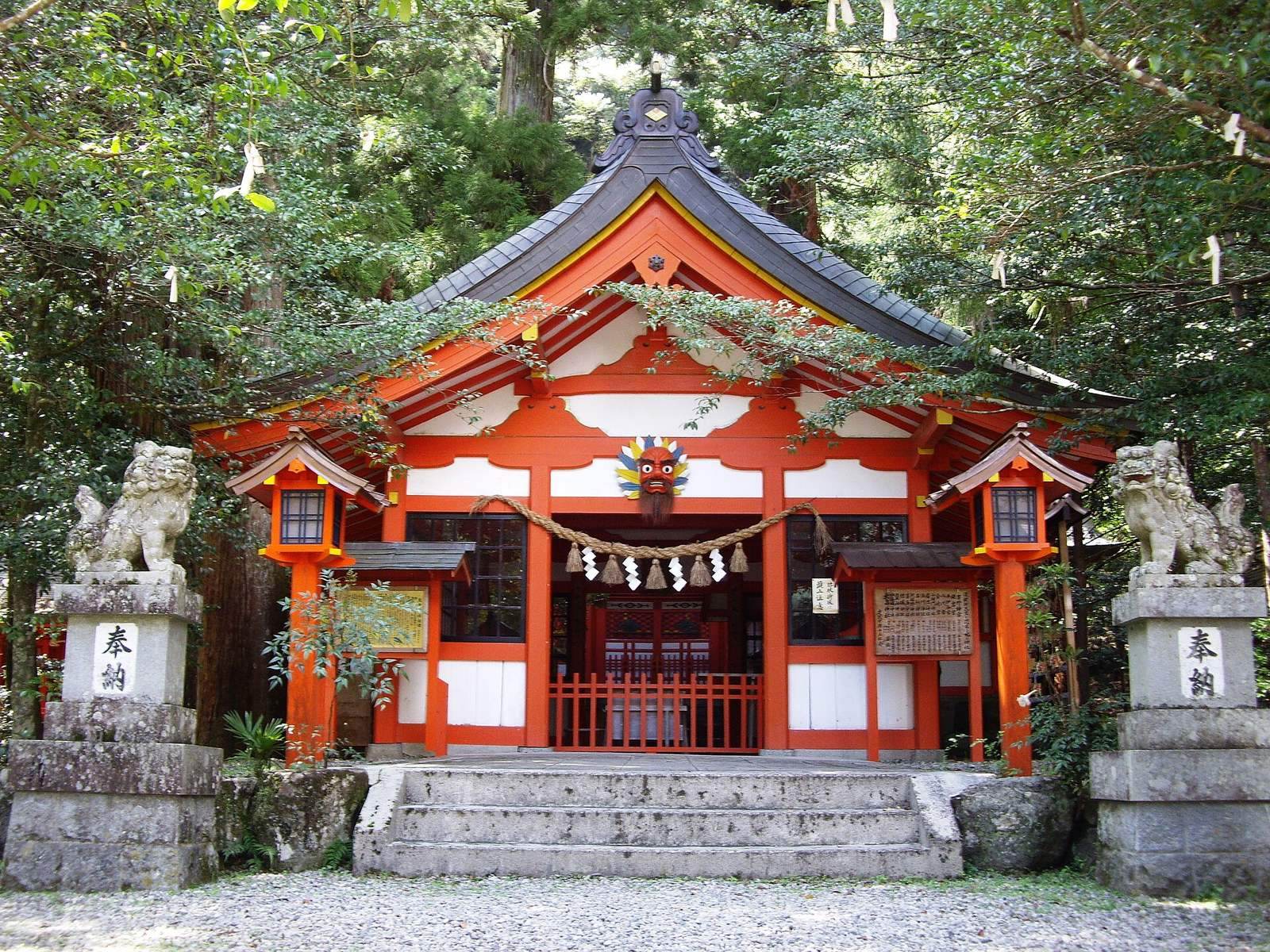
Kitabatake Shrine is a Shinto shrine in Japan, occupying the site of the Tage Kitabatake clan’s former fortified residence. Shinto is Japan’s indigenous religious tradition. The shrine belongs to the Fifteen Shrines of the Kenmu Restoration, a fourteenth-century attempt to restore imperial rule, and is the only shrine in that group whose institutional history dates to the early modern period. Its principal enshrined kami, a sacred presence worshipped at a shrine, is Kitabatake Akinori; Kitabatake Chikafusa and Akiie are also enshrined. A founding tradition dates the shrine to March 1643.
The Tage Kitabatake residence
The Kitabatake clan, a branch of the Minamoto, chose the mountainous Tage area for its stronghold. The area connected Yamato Province with the Ise Plain. During the Nanboku-cho period, when rival Northern and Southern imperial courts contended for power, the clan supported the Southern Court. It later reached an accord with the Ashikaga shogunate, Japan’s military government, and held the office of provincial governor of Ise until the end of the Sengoku period, an era of prolonged civil conflict.
Fire destroyed an earlier phase of the residence in 1499, and it was rebuilt in 1500. In the sixteenth century, Kitabatake Tomonori moved his seat to Okawachi Castle to defend against Oda Nobunaga’s invasion of Ise. Oda forces killed Tomonori at Mise, now in Odai, in 1576, and the residence was burned during the invasion. The fire’s precise date is uncertain: the Chronicle of Lord Nobunaga places it in 1569.
Shrine origins and rebuilding
The founding tradition credits Suzuki Sonbei Ieji, described as a fourth-generation descendant of Kitabatake Tomofusa, with establishing a small shrine to Hachiman at the former residence in March 1643. Hachiman, a kami associated with protection, may have been its sole deity at first. Akinori was added during the Genroku era, and Chikafusa and Akiie were enshrined later. In November 1881, the shrine took the name Kitabatake Shrine, and the Kitabatake figures replaced Hachiman.
After the Meiji Restoration, the political transition to a modern government under the emperor, the government established shrines at places associated with the earlier Kenmu Restoration. The initiative aimed to strengthen the government’s legitimacy and promote State Shinto, the state’s organization and promotion of shrine worship. Kitabatake Shrine was rebuilt in 1881. A Buddhist temple associated with the shrine stood at the garden site; it burned in spring 1840 and was formally abolished in 1898.
Twentieth-century changes and designations
In December 1907, sixteen small shrines from locations in Tage village were incorporated into Kitabatake Shrine. Facilities, including a treasury and an office, were improved in 1916. The shrine buildings were reconstructed in October 1928, and the principal deity was transferred to them. On November 10 that year, the shrine received Bekkaku Kanpeisha, a special rank in the prewar system of officially ranked Shinto shrines. It is also a Beppyo Shrine, a special status assigned by the Association of Shinto Shrines.
In 1936, the ruins of Kiriyama Castle received Japan’s National Historic Site designation for historic places, while the residence garden was designated a National Scenic Site for scenic places and gardens. In 2006, the Historic Site designation was expanded to include the residence, garden, castle, and land connecting them. The expanded designated area totals 268,906.91 square metres.
Remains
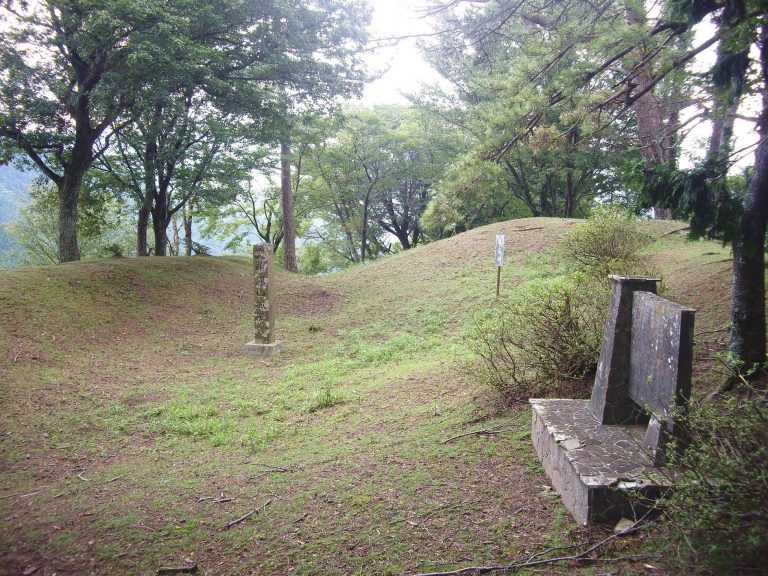
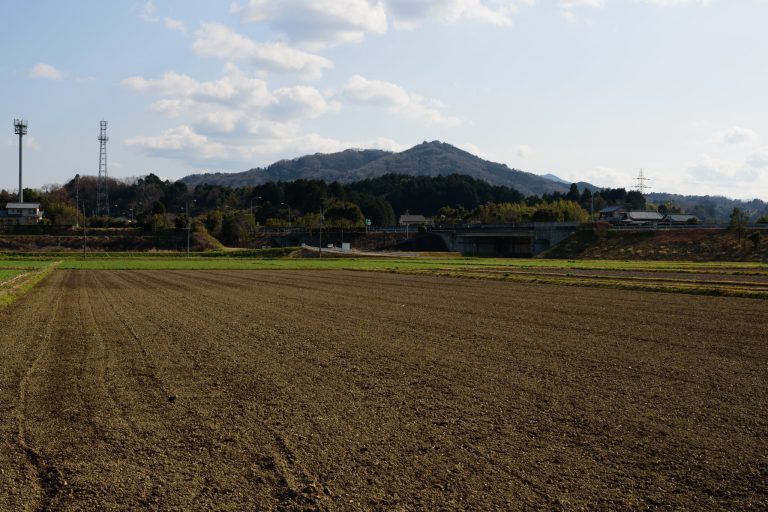
The shrine precinct occupies the northern part of the former residence site, and its buildings include a worship hall. The residence grounds form an approximate trapezoid about 200 metres from north to south and 110 metres from east to west. Rivers bordered the site to the north, east, and south. A steep slope on the west extended toward Kiriyama Castle, the clan’s main mountain stronghold.
Residence structures and excavated finds
Early fifteenth-century layout
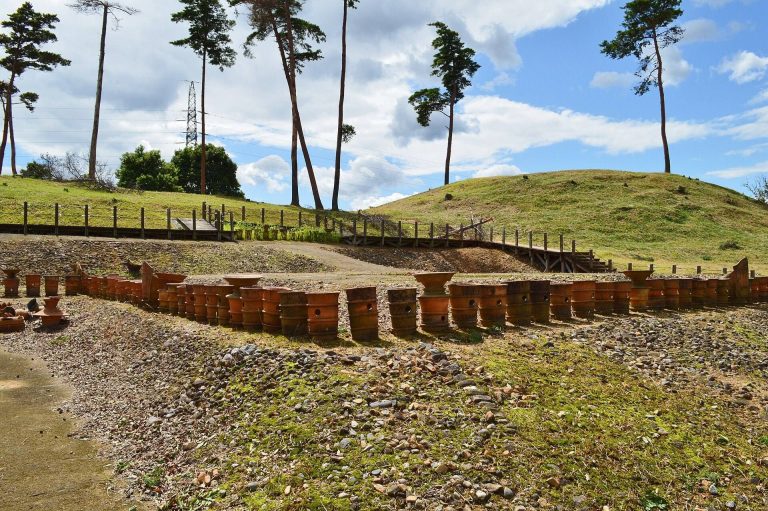
The earliest identified layout included a stone wall about 2.6 metres high and 25 metres long, a stone-built entrance, a building on stone foundations, and a structure supported by posts set into the ground. The wall’s early fifteenth-century date places it earlier than the period when stone walls were generally thought to have become widespread. Excavations in 1996 uncovered buildings from the first half of the fifteenth century. Finds included ceramic fragments from China and different parts of Japan, pieces of armor, fragments of Buddhist statues, and ritual objects.
Rebuilt residence
The later complex had three buildings on stone foundations and seven post-supported structures. Together, these remains show two distinct arrangements of the residence, one with a substantial stone boundary wall and another with a larger group of buildings.
Residence garden
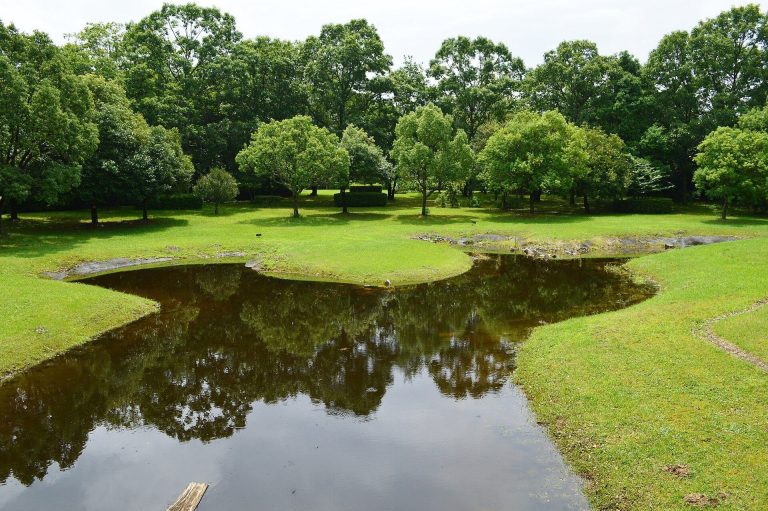
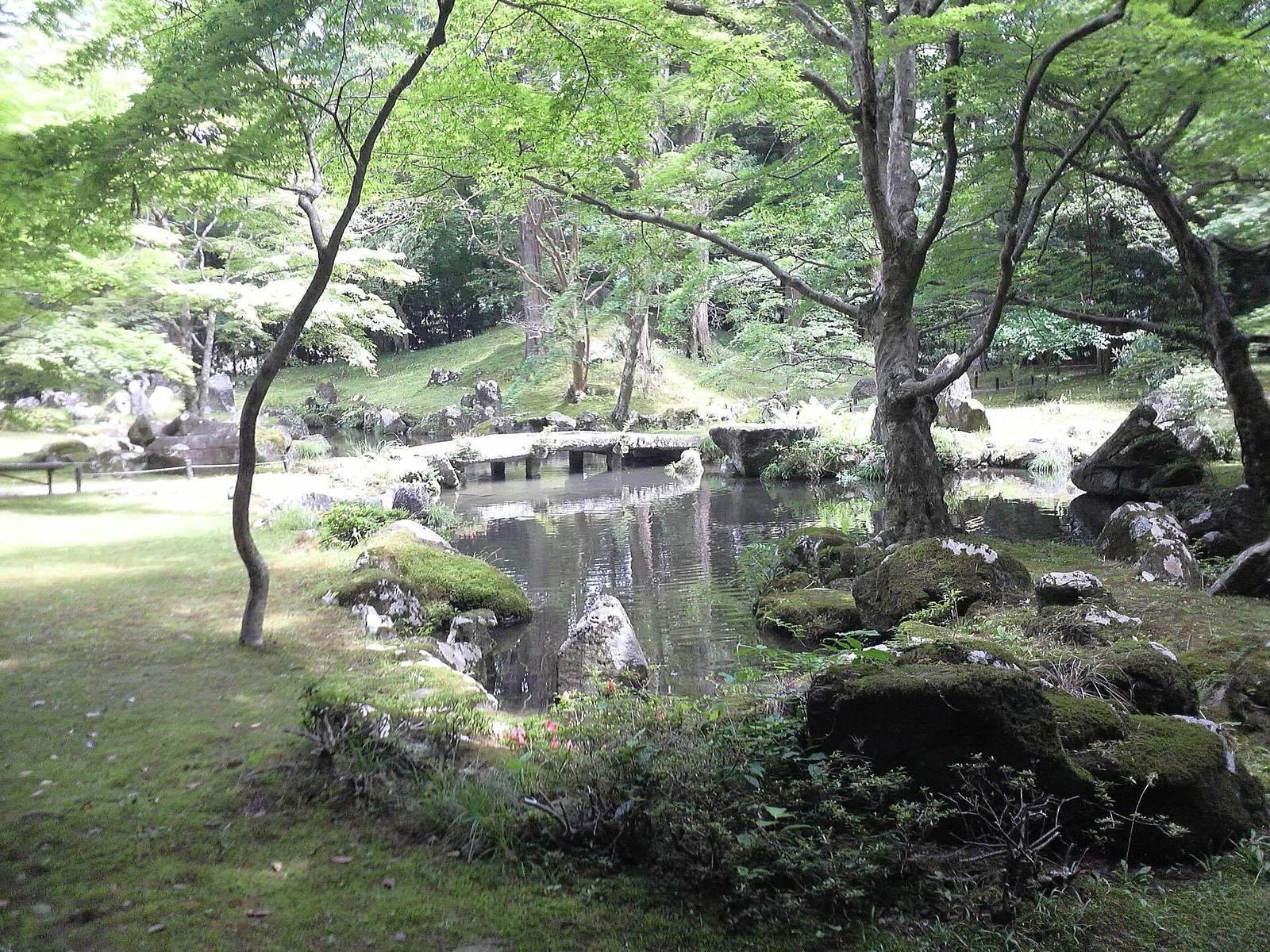
The garden, covering about 2,800 square metres, is a pond-and-circuit strolling garden, designed to be experienced along a walking route around a pond. Its stone arrangements include features named for Nio, Buddhist guardian kings; Daruma, the Buddhist monk Bodhidharma; and Confucius, the Chinese philosopher. The way the stones are arranged is considered characteristic of gardens from the Muromachi period, a medieval era spanning roughly the fourteenth through sixteenth centuries.
The garden was made for the rebuilt residence, but its precise date and designer remain uncertain. Suggested patrons or periods include Kitabatake Akinori, Akitai, and Mitsumasa; Harutomo is now the most commonly favored attribution. One proposal credits the garden to Sōami, an artist and garden designer. Another suggests that Hosokawa Takakuni designed it for his son-in-law Harutomo after visiting Tage in 1530. Similarities with a temple garden in the Kutsuki valley have been cited in support of that proposal.