Han Empire: Sites and Map
Han tombs preserve earthen monuments, carved stone, brick chambers and objects made for burial. The examples here range from imperial mausoleums near Xi’an to a small brick tomb in present-day Hong Kong, alongside manuscripts that survived inside a burial in Shandong.
Primary Function: All
Type: All
Country: All
Popularity: All
Rating: All
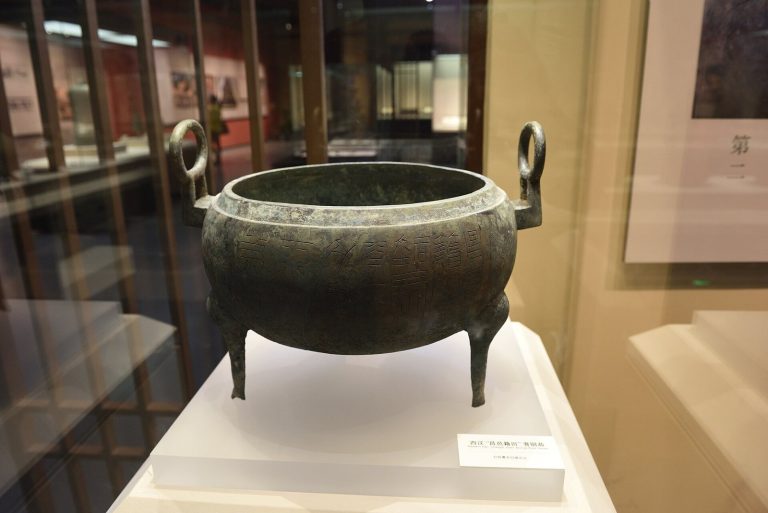
The Western Han cemetery in Jiangxi is the burial place of Liu He, a former emperor and the first Marquess of Haihun. Its well-preserved layout and…
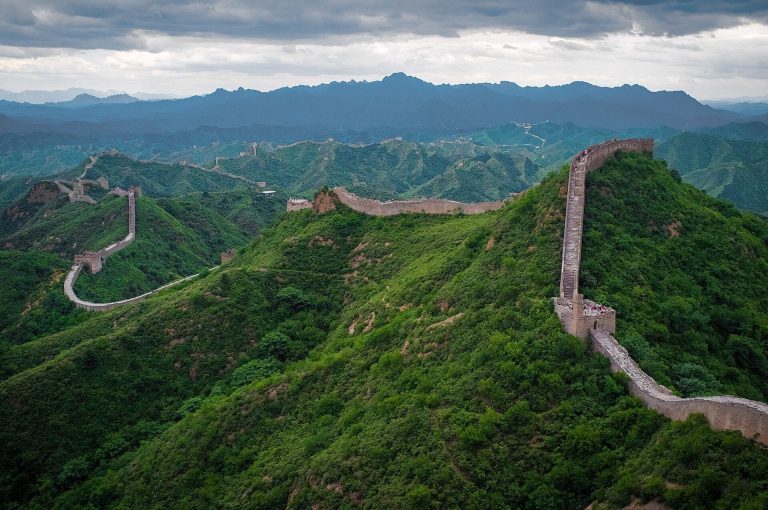
The Great Wall of China is a multi-period network of walls, forts, passes, towers, trenches, and natural barriers built by successive Chinese states…
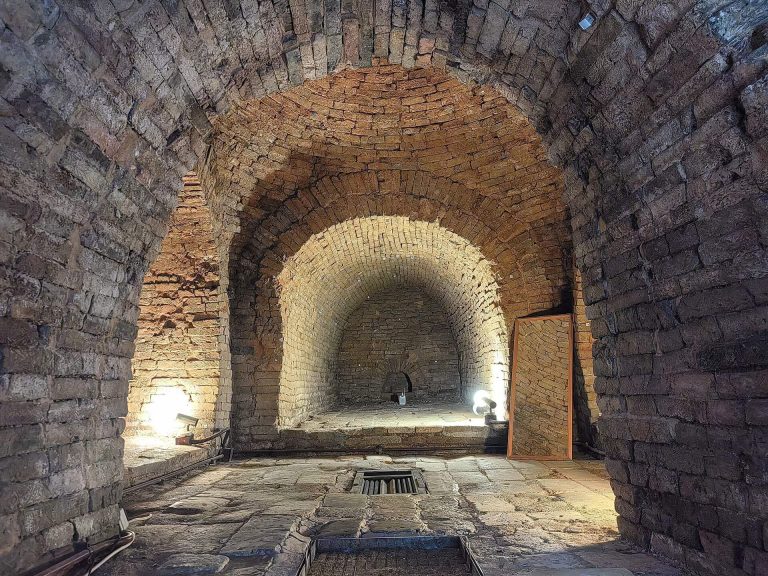
The Lei Cheng Uk Han Tomb Museum preserves a brick-built tomb generally dated to the Eastern Han dynasty, along with excavated pottery, bronze…
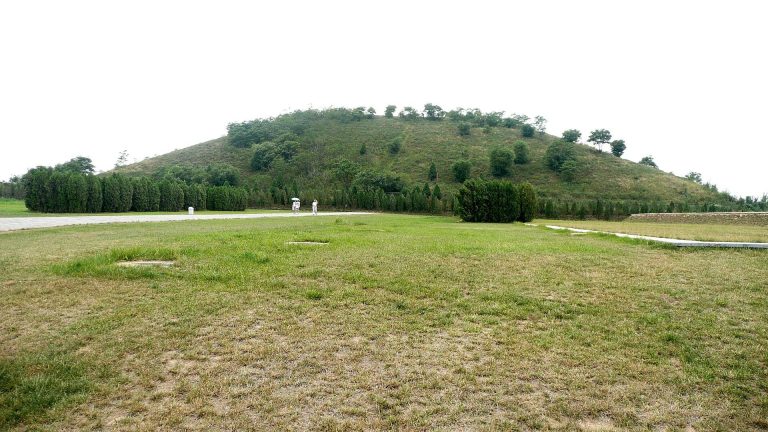
Han Yang Ling in Shaanxi is the Western Han mausoleum complex of Emperor Jing and Empress Wang, with imperial tombs, burial pits, ritual buildings,…
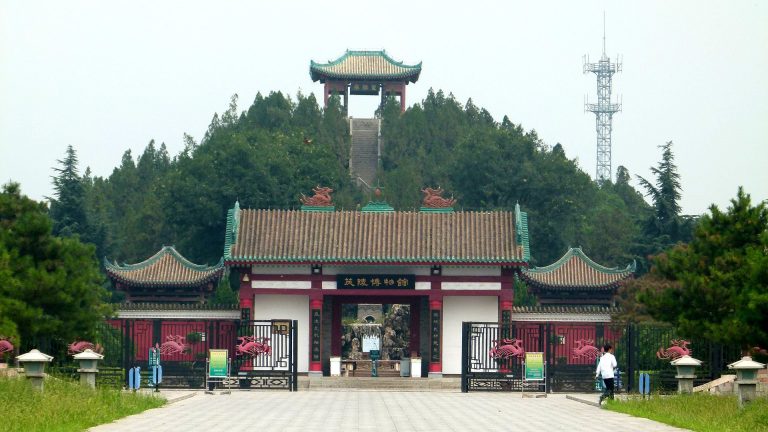
The Tomb of Huo Qubing is a Western Han burial monument near Maoling Mausoleum, known for its large earthen mound and exceptional group of stone…
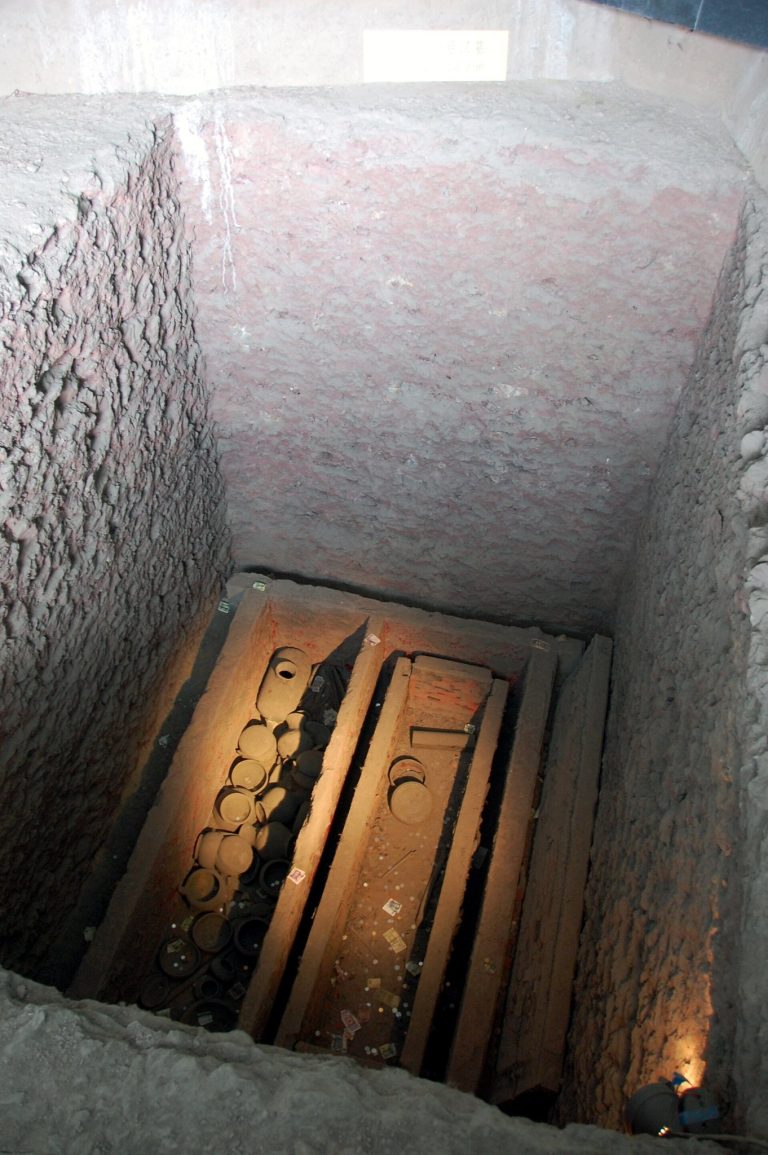
The Yinqueshan Han Slips are a group of Western Han bamboo texts recovered from tombs near Linyi, including lost writings by Sun Bin and important…
For details on how to use the maps, which sites are included, how popularity and ratings are determined, and how sites are classified, see the help page.
On this page4 sections
Han Yang Ling: an imperial court in miniature
At Han Yang Ling, north of Xi’an, Emperor Jing and Empress Wang occupied separate burial mounds within a shared funerary landscape. The truncated earthen pyramids were accompanied by walled enclosures, gates, ritual buildings and numerous underground pits. These surrounding structures made the mausoleum a large organised precinct rather than an isolated grave.
The pits contained miniature officials, soldiers, servants, performers and domestic animals. Many human figures originally had wooden arms and textile clothes, which have decayed; other figures retain garments modelled in clay. Rows of animals, vehicles and attendants represented the people and resources expected to support the dead ruler. The surviving figurines therefore explain the function of the pits as well as the variety of Han craftwork.
Huo Qubing: stone sculpture around a general’s tomb
The tomb of Huo Qubing, near the Maoling imperial mausoleum in Shaanxi, commemorated a general who died in 117 BC after campaigns against the Xiongnu, a steppe power on the empire’s northern frontier. Its earthen mound is accompanied by large stone animal sculptures, including horses, a tiger and an elephant.
The sculptors often retained the uneven shape of the original boulders, adding enough carving to turn their masses into bodies, heads and limbs. This produces a different kind of funerary display from the small, painted figures at Han Yang Ling: large individual stones mark an honoured military burial, while the imperial pits reproduce groups of personnel and supplies.
Yinqueshan: books buried on bamboo strips
At Yinqueshan in Linyi, Western Han tombs preserved bamboo-strip manuscripts, including Sunzi’s Art of War and a distinct military treatise attributed to Sun Bin, another ancient strategist. Before paper became the usual writing material, narrow bamboo strips could carry columns of writing and be bound together into longer texts.
The discovery matters because ancient books often survive only in copies made much later. Here the strips came from a Han burial, providing an early physical witness to military writing. The present museum stands over the excavated tomb area; its exhibition buildings are modern.
Lei Cheng Uk: a brick tomb in southern China
The Lei Cheng Uk Han Tomb in Kowloon belongs to the Eastern Han period. Its four chambers form a cross-shaped plan, with a domed central space and vaulted side chambers. The small bricks could be laid in curved courses to span the rooms without the large stone slabs used in some other tomb traditions.
Pottery models of a house, granary, well and stove accompanied the burial, together with vessels and bronze objects. These miniature buildings supplied familiar household facilities for the dead. They complement the imperial examples by showing how the idea of furnishing a burial also appeared far from the northern court.
The map markers and grid cards open the individual tomb and museum articles, with fuller accounts of their architecture and finds.