Franciscan Monastery at Dettelbach: Friars Serving a Pilgrimage Church
Site at a Glance
- Popularity
- Medium
- Country
- Germany
- Primary era
- Early Modern
- Eras represented
- Early Modern
- Civilizations
- Holy Roman Empire
- Site type
- Religious
- Remains
- Church
On this page5 sections
History
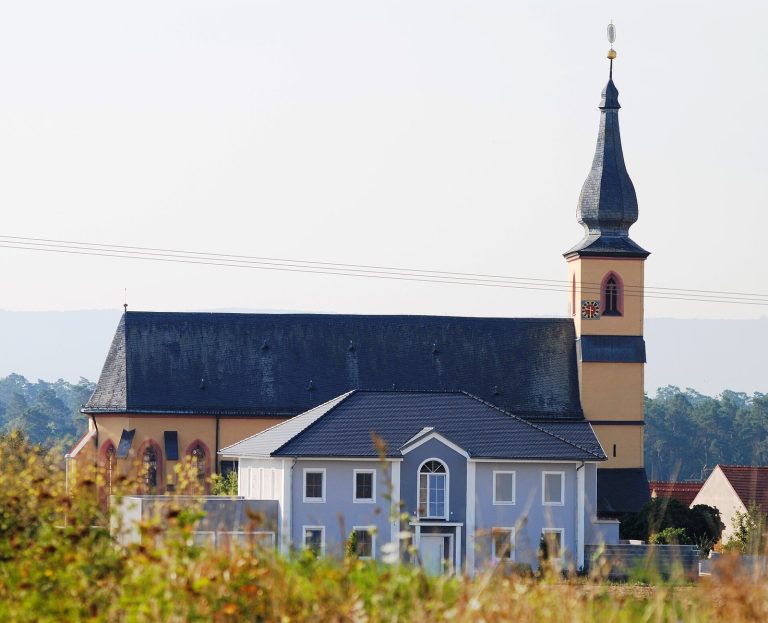
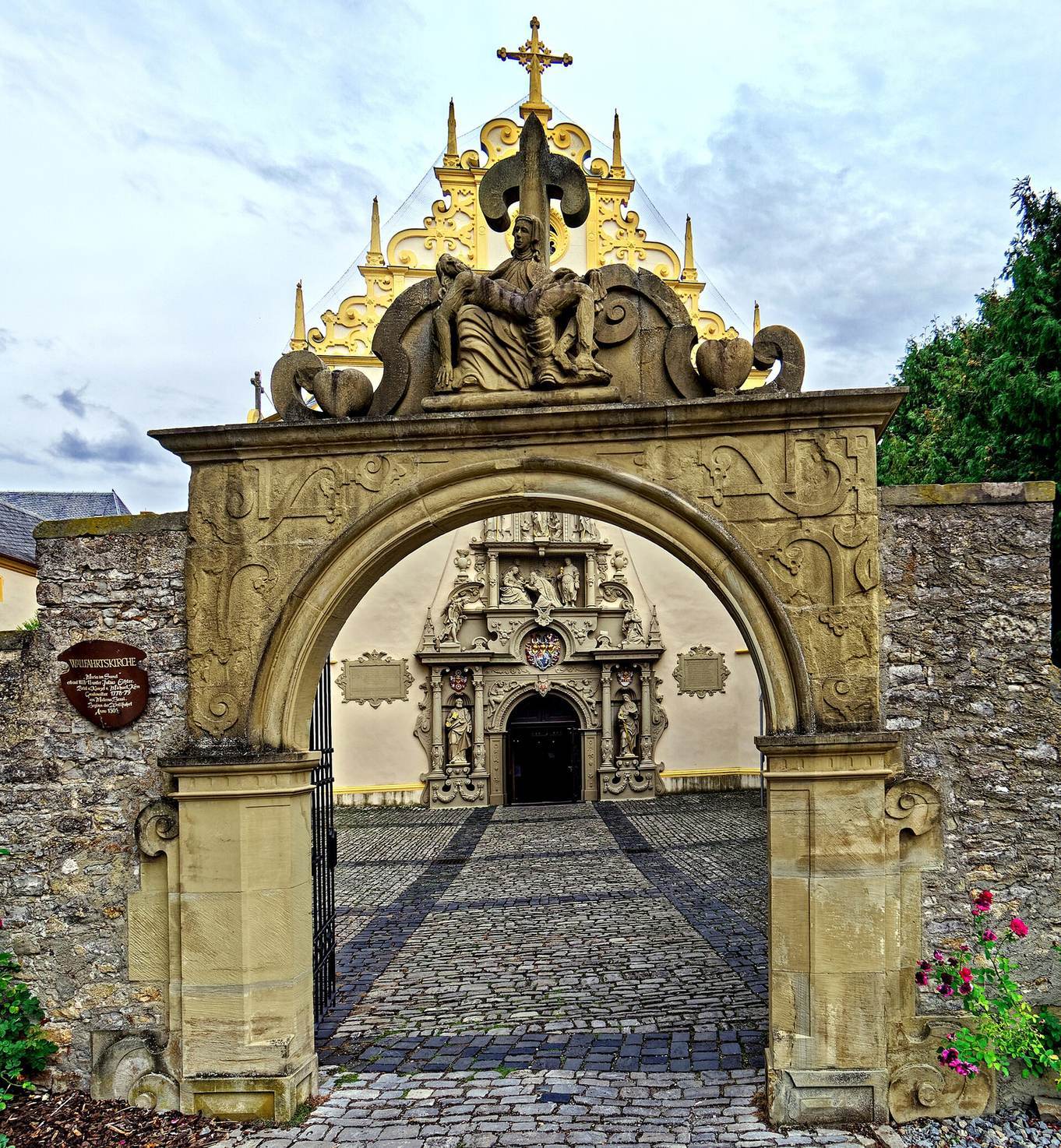
The Franciscan Monastery at Dettelbach was established beside the pilgrimage church in Dettelbach, Germany, in 1616 by friars brought there by Prince-Bishop Julius Echter von Mespelbrunn. They cared for pilgrims drawn to a devotion that had begun in the early sixteenth century.
The pilgrimage and first church
The pilgrimage grew from a healing attributed to Nikolaus Lemmer in 1505. After being paralyzed in a brawl at a church fair, Lemmer was said to have experienced a vision at a roadside shrine east of Dettelbach, lit a candle there, and recovered soon afterward. An inscription in the church identifies Easter 1507 as the beginning of the pilgrimage.
As visitors increased, the town council enclosed the shrine in a small wooden chapel, which the German humanist and abbot Johannes Trithemius described in 1511. A more substantial church may have been started in 1506 under Prince-Bishop Lorenz von Bibra, Würzburg’s religious leader and territorial ruler, and completed under his successor, Konrad II von Thüngen. Pilgrim donations and support from the prince-bishop probably both helped pay for the work.
Franciscan foundation and pilgrimage
The Reformation, a sixteenth-century religious movement that led to the emergence of Protestant churches, interrupted the pilgrimage. Many local residents attended Lutheran services in nearby villages. Julius Echter promoted Catholicism and pilgrimage, and began a larger church in 1608. The church was consecrated in 1613. Three years later, Echter brought Franciscan friars from the Upper German (Strasbourg) Province, whose historical name Argentina referred to Strasbourg, and established their monastery beside the church.
The pilgrimage flourished through the eighteenth century. During the Thirty Years’ War, the major European conflict fought from 1618 to 1648, records for 1629 note that 12,987 communion hosts were distributed to pilgrims and 3,459 Masses were celebrated in the church.
Threats, continuation, and closure
In 1796, the monastery was repeatedly threatened by the billeting of foreign troops. The church narrowly escaped plunder as French forces passed through Dettelbach. During secularization, the early-nineteenth-century process that threatened religious houses with dissolution, the Franciscan convent faced closure, but its friars continued to care for pilgrims. A decree by King Ludwig I of Bavaria secured the monastery’s continuation in 1826, after which it belonged to the Bavarian Franciscan Province.
The German Franciscan Province was formed in 2010 by merging Franciscan provinces in Germany. A shortage of personnel led to the dissolution of the Dettelbach convent in 2017. The parish priest then took responsibility for the church.
Remains
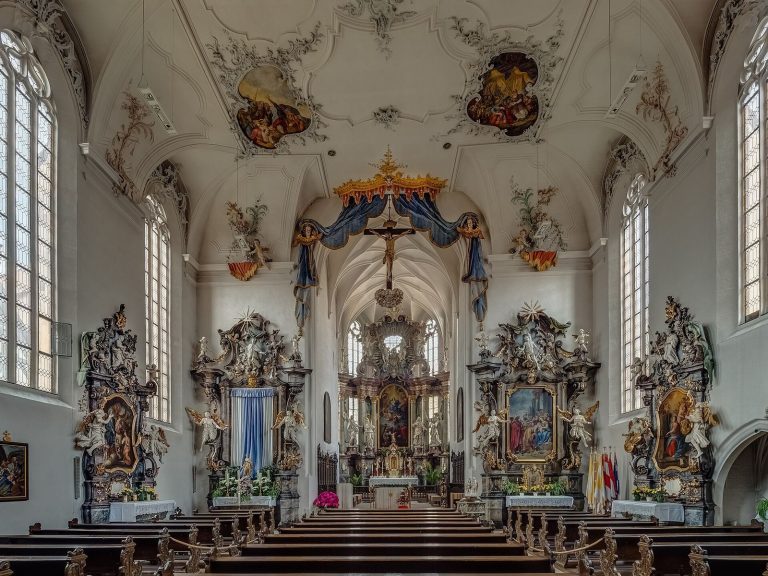
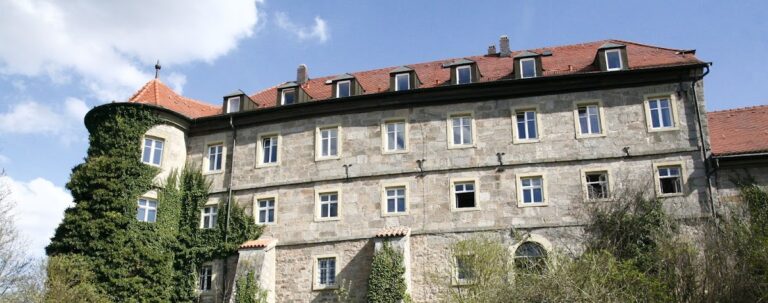
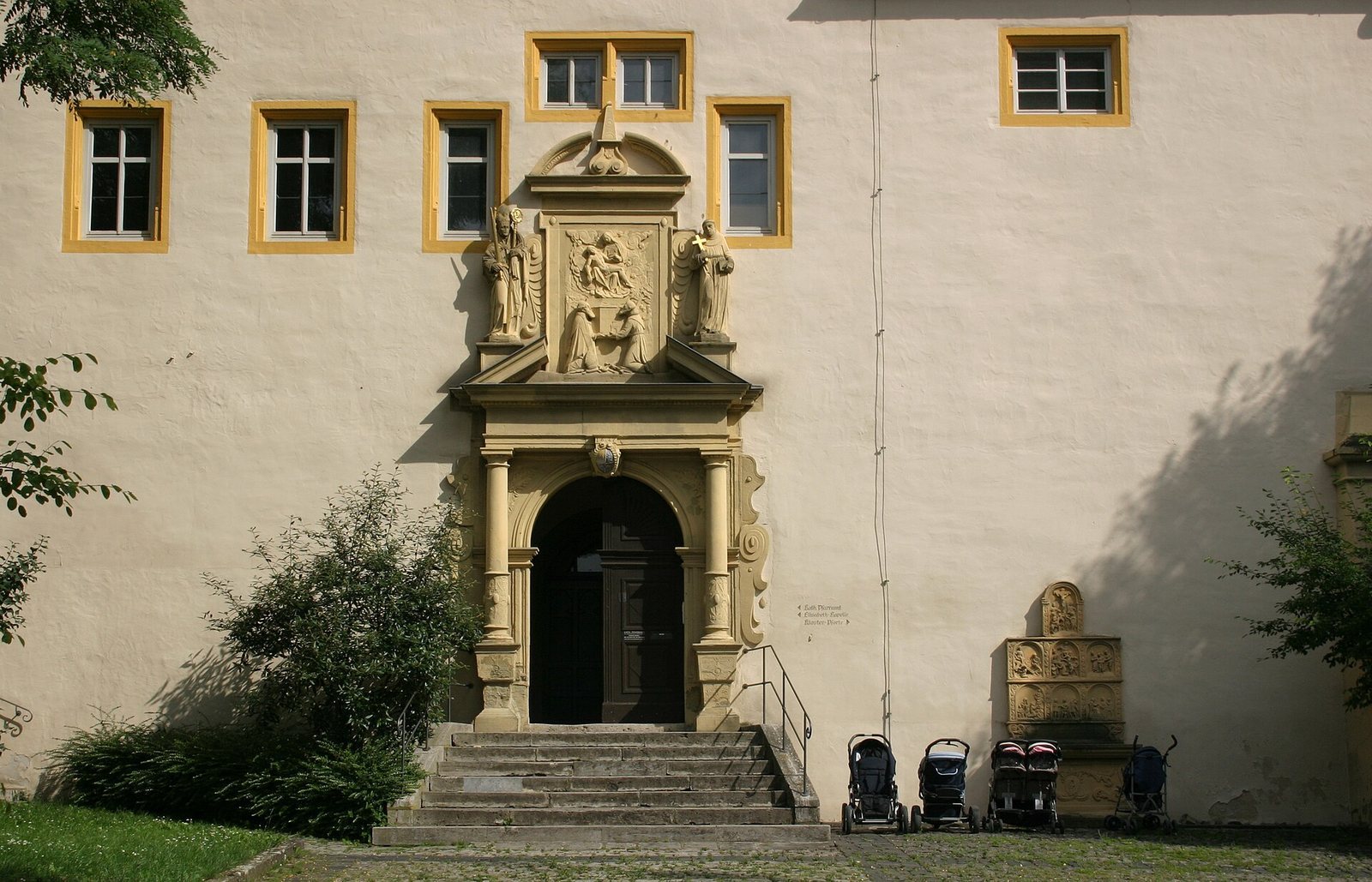
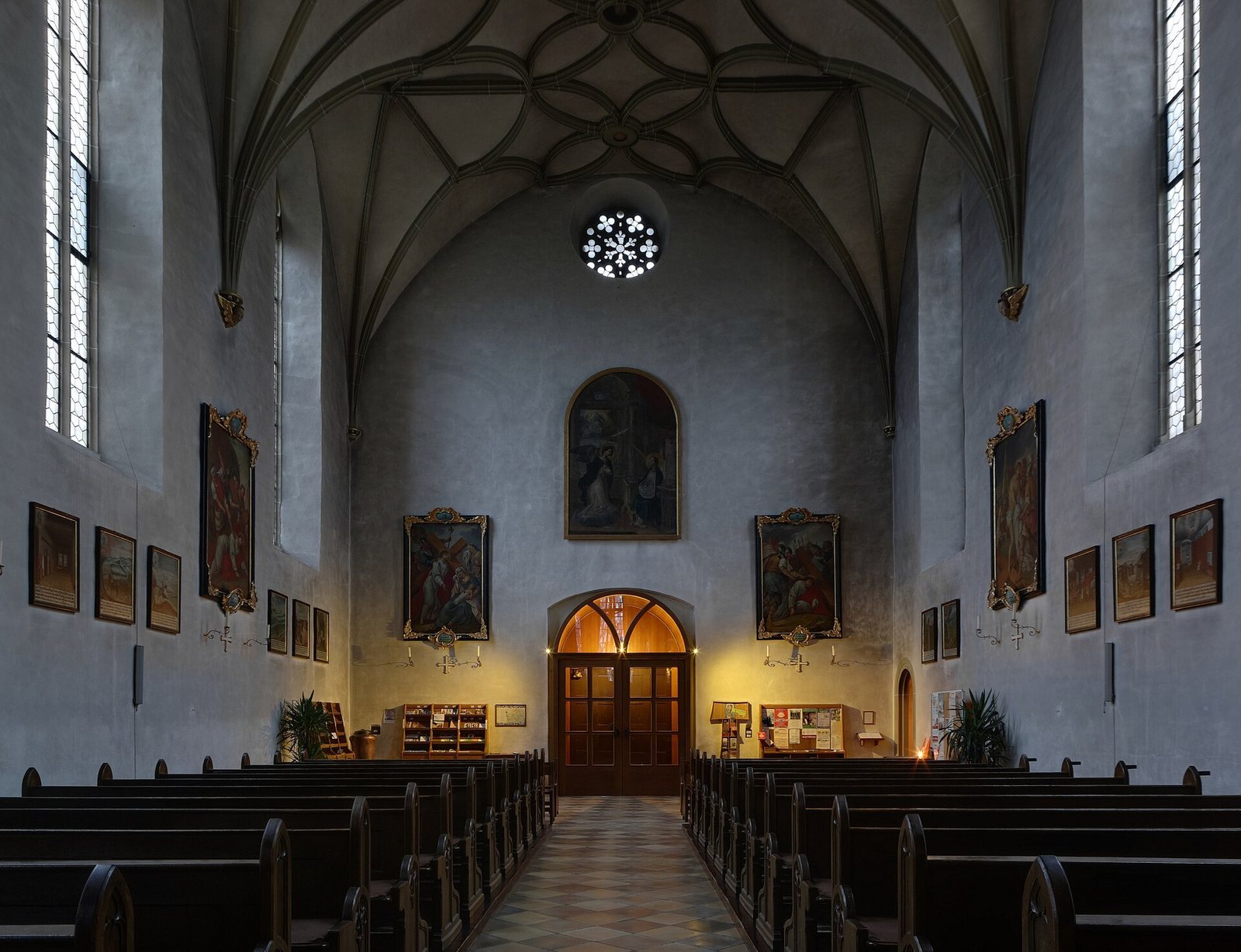
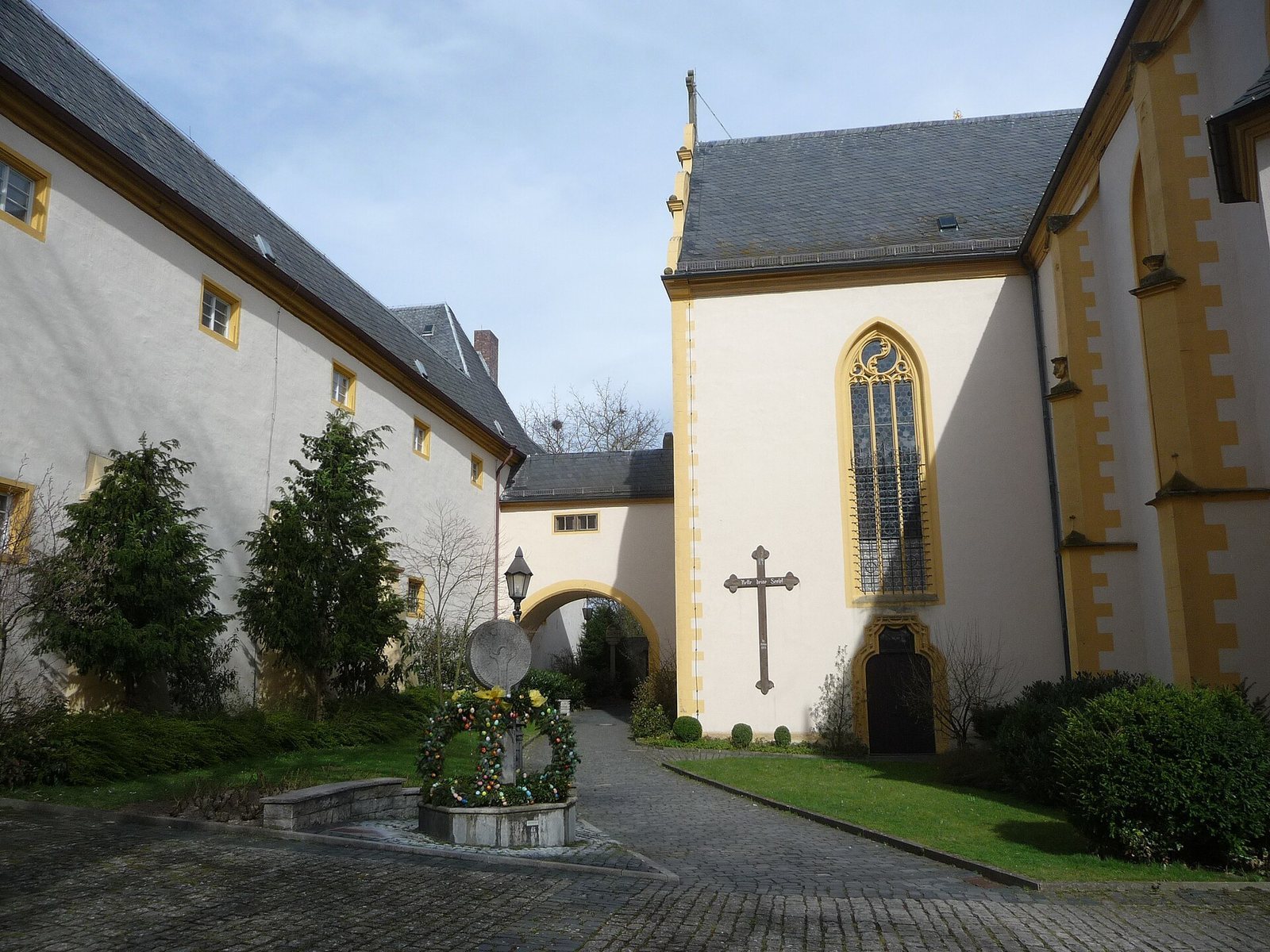
The monastery stood beside the pilgrimage church. In the church’s north transept arm, the crosswise section of its plan, a prayer gallery for the Franciscans was created in 1659 and connected to the church by a passage. Its balustrade rests on rectangular columns, and its richly ornamented early Baroque woodwork includes gilded fruit garlands.
Eight scenes on the gallery railing depict the Sorrows of Mary, a Catholic devotional theme centered on her grief at events in Jesus’ life and death: Mary in the Temple, the Flight into Egypt, Jesus in the Temple, Jesus’ farewell to Mary, Mary on the Way of the Cross, Mary beneath the Cross, the Pietà, which shows Mary holding the dead Christ, and the Entombment.