Walls of Astorga: A Roman Defensive Circuit in Spain

Site at a Glance
- Rating
- 4.7
- Popularity
- Low
- Country
- Spain
- Primary era
- Classical
- Eras represented
- Classical, Medieval, Modern
- Civilizations
- French, Kingdom of León, Roman, Spanish
- Site type
- Military
- Remains
- Wall
On this page12 sections
History
The Walls of Astorga surround the historic center of Astorga in Spain and preserve a defensive circuit developed from the Roman city of Asturica Augusta. The principal enclosure visible today was built in the late third or early fourth century, during the final decades of the Roman Empire, and later underwent medieval and modern alterations. The walls form part of the Way of Saint James in León and are included within the route’s UNESCO World Heritage component.
Roman foundations and enclosures
Asturica Augusta was founded during the reign of Augustus, the first Roman emperor, in connection with the Cantabrian Wars, the campaigns that completed Rome’s conquest of northwestern Hispania. The earliest defense belonged to the military settlement of the Legio X Gemina, a Roman legion associated with the camp that preceded the civilian city. Its vallum, or defensive earthwork and palisade, stood on the hilltop behind ditches. Archaeological work has identified the ditches, while the probable timber palisade has not survived.
As the settlement developed into a civilian center, a second defensive enclosure was built between the reigns of Tiberius and Claudius, successive Roman emperors of the first century. This stone wall was later demolished toward the end of that century to make room for a dwelling. Evidence for the enclosure comes from only one urban plot, making it a brief but important phase in the development of Astorga’s defenses.
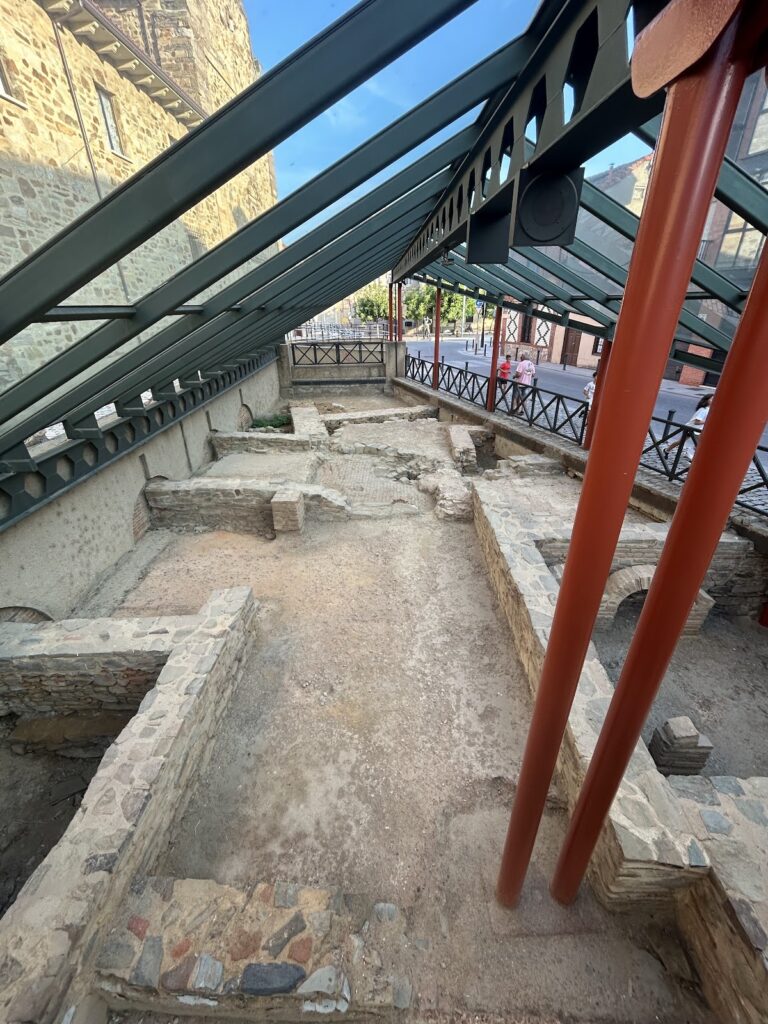
The third Roman wall was constructed in the late third or early fourth century, probably in response to instability during the last decades of Roman rule. Unlike the earlier stone enclosure, it was built at the foot of the hill and enclosed the entire elevation. This circuit became the basis of the walls visible today, although its fabric was repeatedly repaired and remodeled in later periods.
Medieval continuity and wartime damage
During the Middle Ages, the enclosure was repeatedly altered. Parts of the Roman wall were reused alongside other materials, and a major reform was associated with Count Gatón during the repopulation of Astorga by people from El Bierzo. The walls then remained substantially intact until the nineteenth century, partly because the city did not expand beyond the enclosure.
The Peninsular War, the conflict in which French and Spanish forces fought in Spain and Portugal against Napoleonic France, caused severe damage. French artillery damaged the walls, while both French and Spanish forces carried out further demolitions to prevent Astorga from becoming a fortified stronghold. These actions created La Brecha, a breach that became an access point to the historic center from the Puerta de Rey district. The northern and southern stretches were almost completely demolished, as were numerous circular towers on the northern and western sides.
Archaeology and protection
Archaeological investigations in 1971 and 1972 identified the only known Roman-period gate of the enclosure. Together with later archaeological work, these investigations clarified the sequence of Roman defensive systems and the layout of the circuit. The Walls of Astorga were declared a Spanish monument on 6 May 1993. Their association with the Way of Saint James also forms part of their UNESCO World Heritage status.
Remains
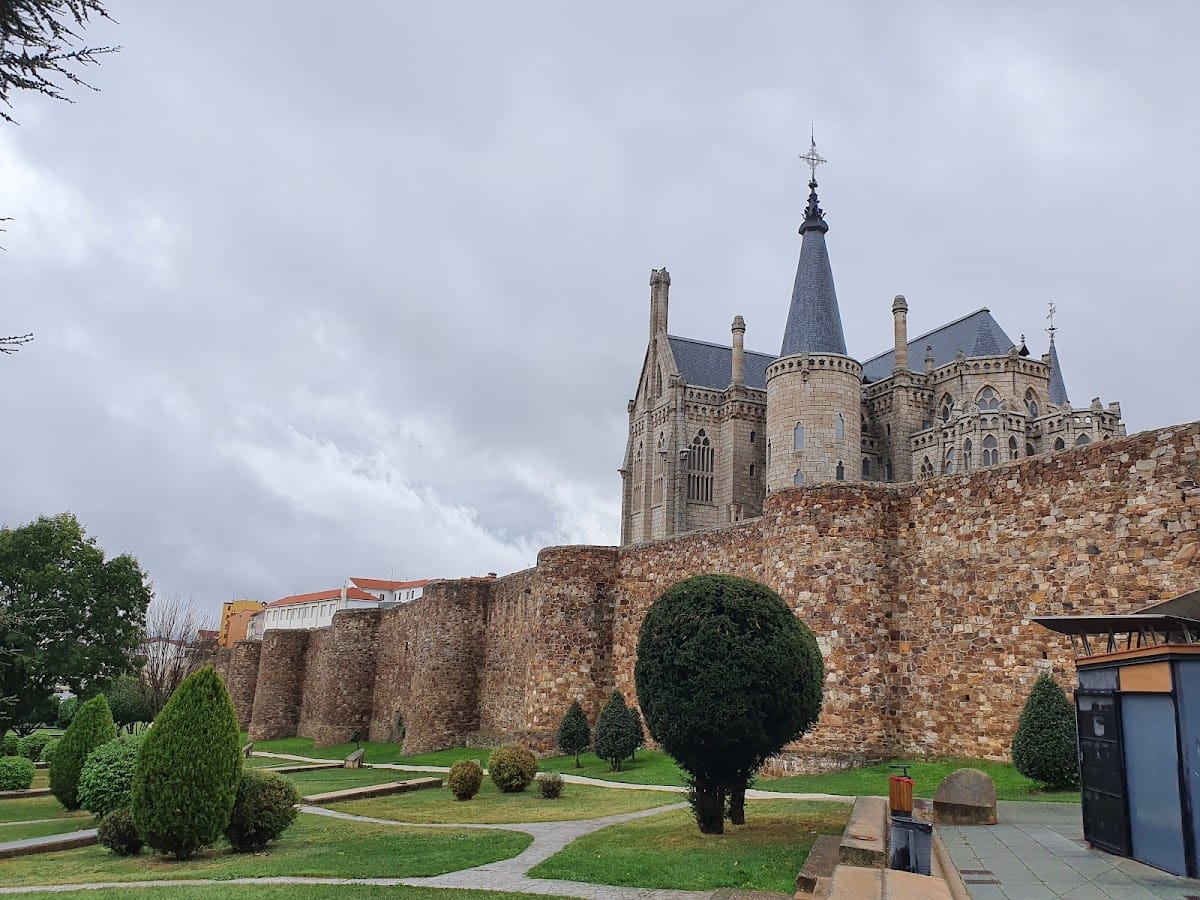
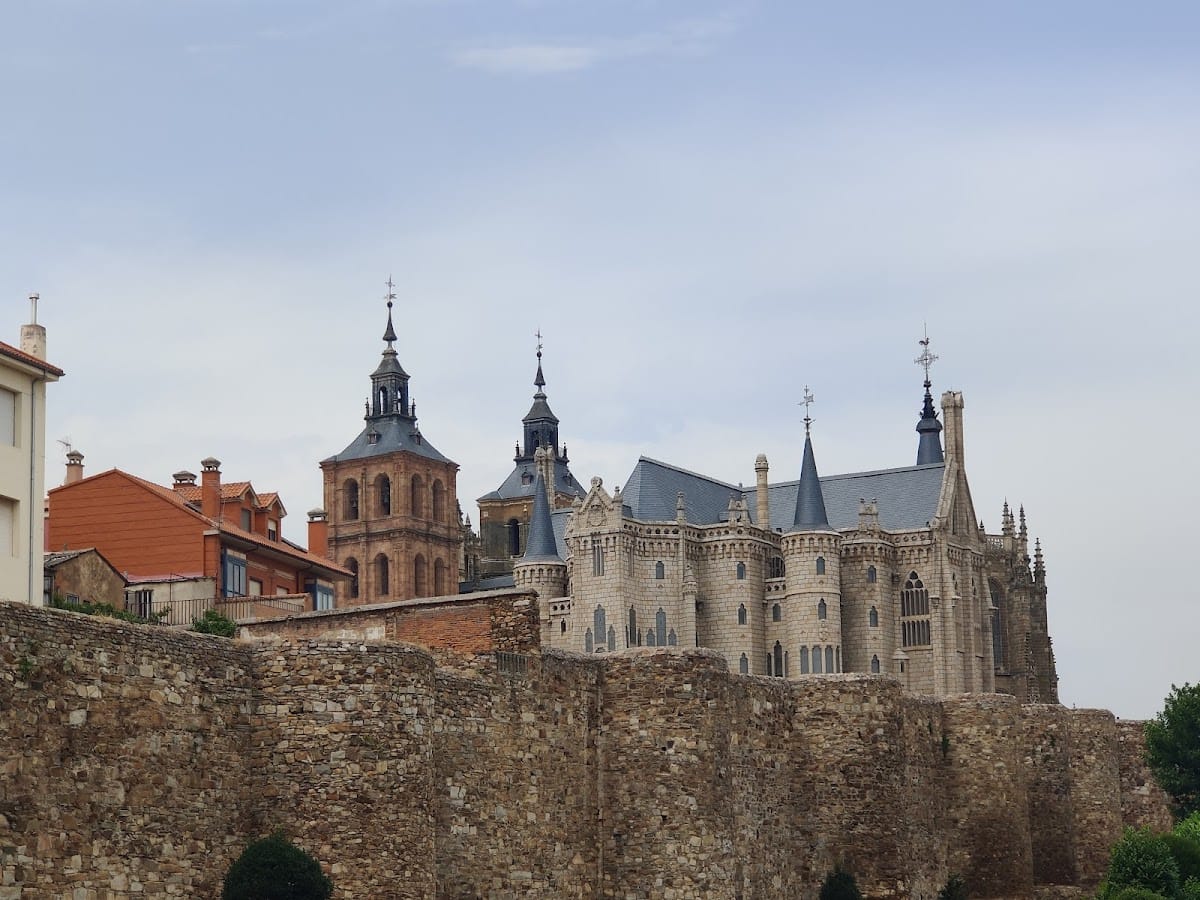
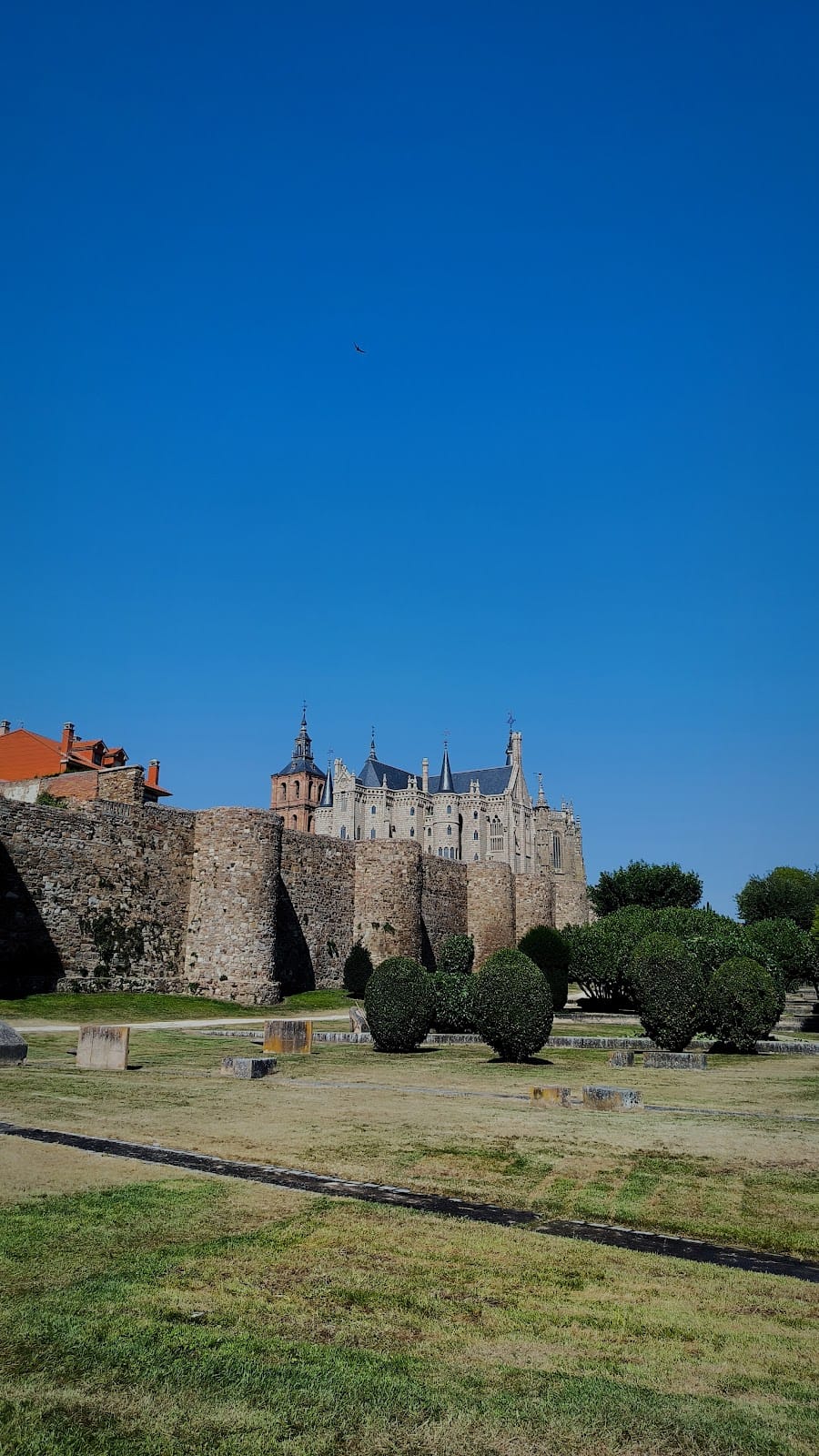
The enclosure follows the hill on which Astorga stands and extends for more than 2 km. The late Roman circuit measured approximately 2.2 km, enclosed about 26 hectares, and had walls roughly 4 to 5 m thick. The surviving layout combines the line of the late Roman circuit with medieval rebuilding, later restoration, and substantial nineteenth-century damage.
Roman construction
Early military defenses
The earliest military defense occupied the edge of the hill and consisted of a vallum, or palisaded defensive line, preceded by ditches. The palisade was probably made from perishable materials. Its position was later taken up by the first stone wall, linking the early military settlement to the subsequent urban defenses.
Second stone enclosure
The second Roman enclosure was a stone wall approximately 2.5 m thick with circular towers. Its known remains were demolished at the end of the first century, and a dwelling was constructed in their place. The surviving evidence comes from a single urban plot.
Late Roman circuit
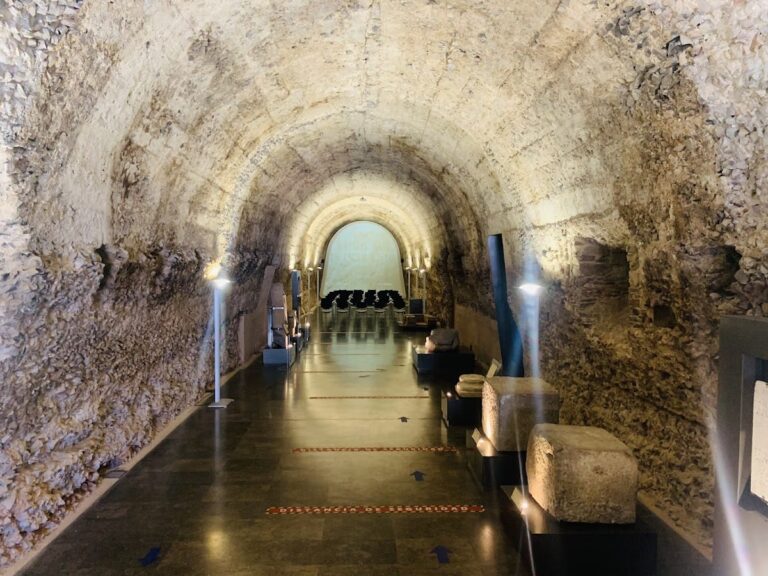
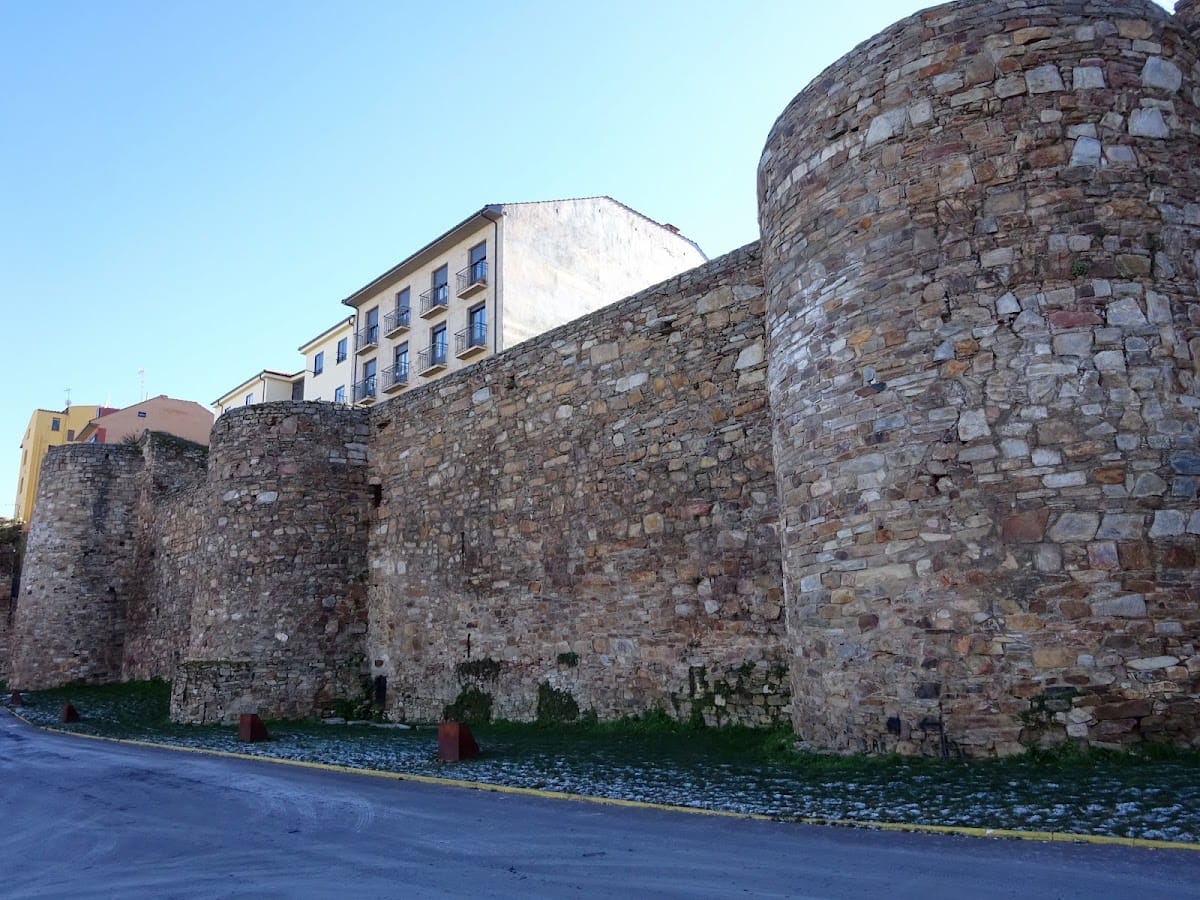
The late Roman wall was built from locally abundant quartzite. Its outer face is irregular, while the inner face used opus incertum, an irregular-faced masonry technique. Several layers of opus caementicium, or Roman concrete and rubble concrete, were placed between the two faces. Later restoration and remodeling have left the Roman fabric only sparsely preserved. Part of the southwestern stretch was raised to create the Paseo de la Muralla, concealing the Roman wall beneath it.
Gate and surviving towers
Roman gate
The Roman gate investigated in 1971 and 1972 had an opening approximately 4 m wide. Semicircular towers about 8 m in diameter protected the entrance, with four courses still remaining. Granite blocks were used in opus quadratum, masonry made from regularly cut stones. Because granite does not occur near Astorga, the material was probably brought from Montearenas in El Bierzo.
Later openings and tower lines
None of the ancient gates remains standing, but their names survive in modern street nomenclature as Puerta Obispo, Puerta del Rey, El Postigo, Puerta del Sol, and Puerta de San Miguel, the last of which is known from historical documentation. La Brecha remains an opening through the circuit from the Puerta de Rey district into the historic center.
The surviving tower lines reflect the losses and changes suffered by the enclosure. In 1810, the northern stretch had nine circular towers and the western stretch had nineteen. By the end of the twentieth century, eight towers remained on the western stretch and thirteen on the eastern stretch.