Huaca Canto Chico: An Inca-Period Archaeological Settlement in Lima
Site at a Glance
- Rating
- 3.4
- Popularity
- Very Low
- Country
- Peru
- Primary era
- Medieval
- Eras represented
- Medieval, Early Modern
- Civilizations
- Inca
- Site type
- Religious
- Remains
- Sanctuary
On this page10 sections
History
Huaca Canto Chico is a pre-Hispanic archaeological settlement at the foot of San Jerónimo Hill in San Juan de Lurigancho, Lima, Peru. Its earliest known phase dates to around AD 1300, during the Late Intermediate Period, a pre-Inca era of regional political development in the central Andes. The settlement reached its apogee during the Late Horizon, the period of Inca imperial expansion conventionally dated to approximately AD 1470–1535, and much of its visible architecture belongs to that later phase.
Early settlement and Inca expansion
Research conducted between 1996 and 2000 dates activity at Huaca Canto Chico to the final phases of the Late Intermediate Period. The site later became part of the changing political and religious landscape created by Inca expansion. Around 1470, following the conquest of the Chimú kingdom, an army commanded by Túpac Yupanqui was assigned to incorporate Pachacamac, a major Andean oracle and religious center on the central coast, into the Inca Empire.
This expansion is linked to the establishment of Huaca Canto Chico, although the earlier archaeological date indicates that activity had already taken place at the site. Pottery and other remains provide evidence of Inca presence in San Juan de Lurigancho. The sanctuaries of Canto Grande, including Canto Chico, are associated with the strengthening of Inca religious beliefs in the area, together with urban reforms and the creation of administrative centers.
Economic activities and later change
Huaca Canto Chico supported agriculture and animal husbandry. Finds also point to specialized work, including metallurgy, textile production, and pottery manufacture. These activities formed part of the settlement’s role within the communities that occupied the area.
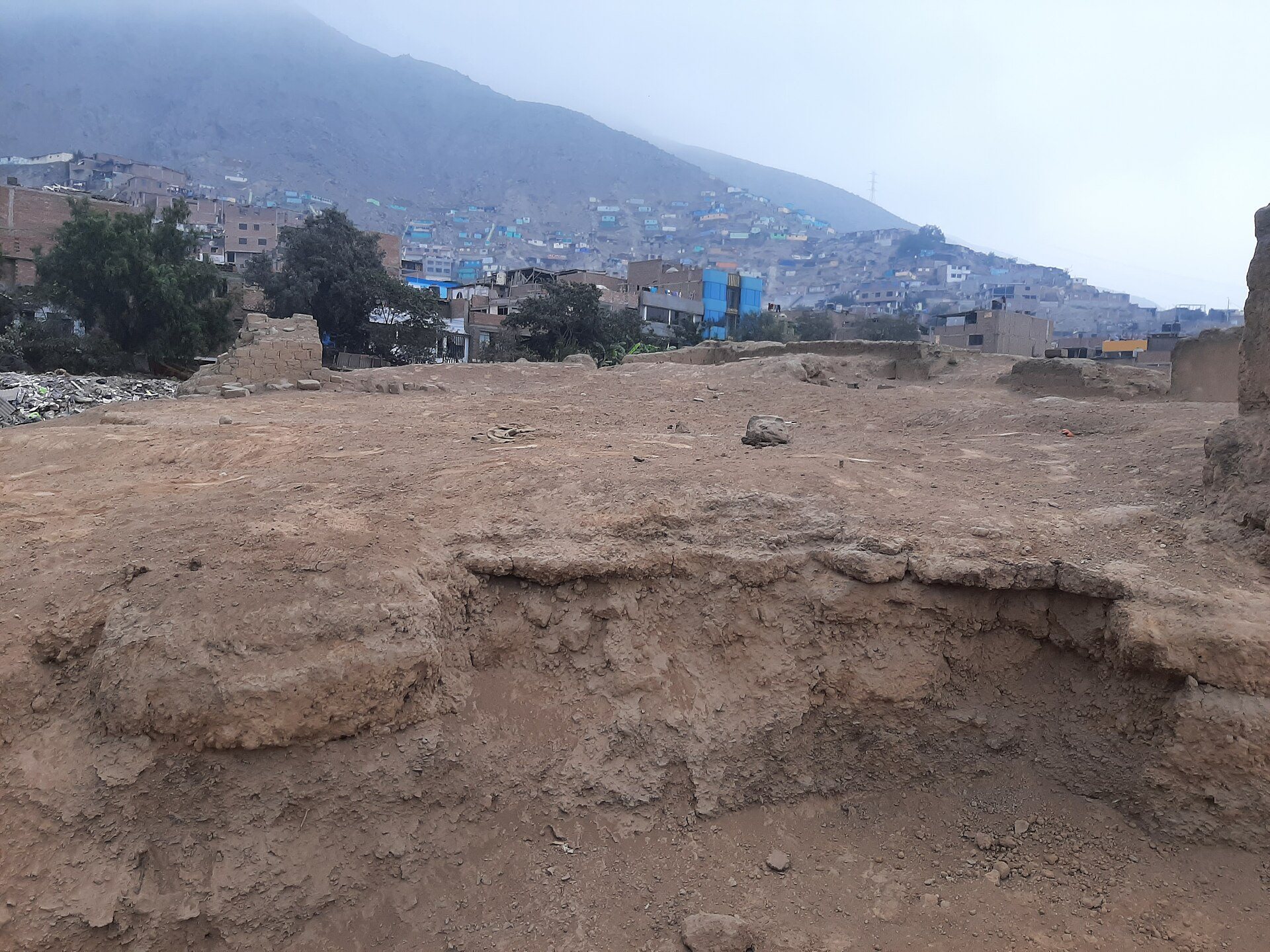
Over time, invasions and the growth of human settlements occupied parts of the archaeological site, reducing the protected area to less than four hectares. Huaca Canto Chico remains important for studying the settlement history and identity of communities in the district. It is recognized as an archaeological cultural-heritage site of Peru, but its infrastructure is seriously threatened by structural deterioration and collapse, changing climatic conditions, graffiti, contaminating waste, limited information, and insufficient public awareness and conservation.
Remains
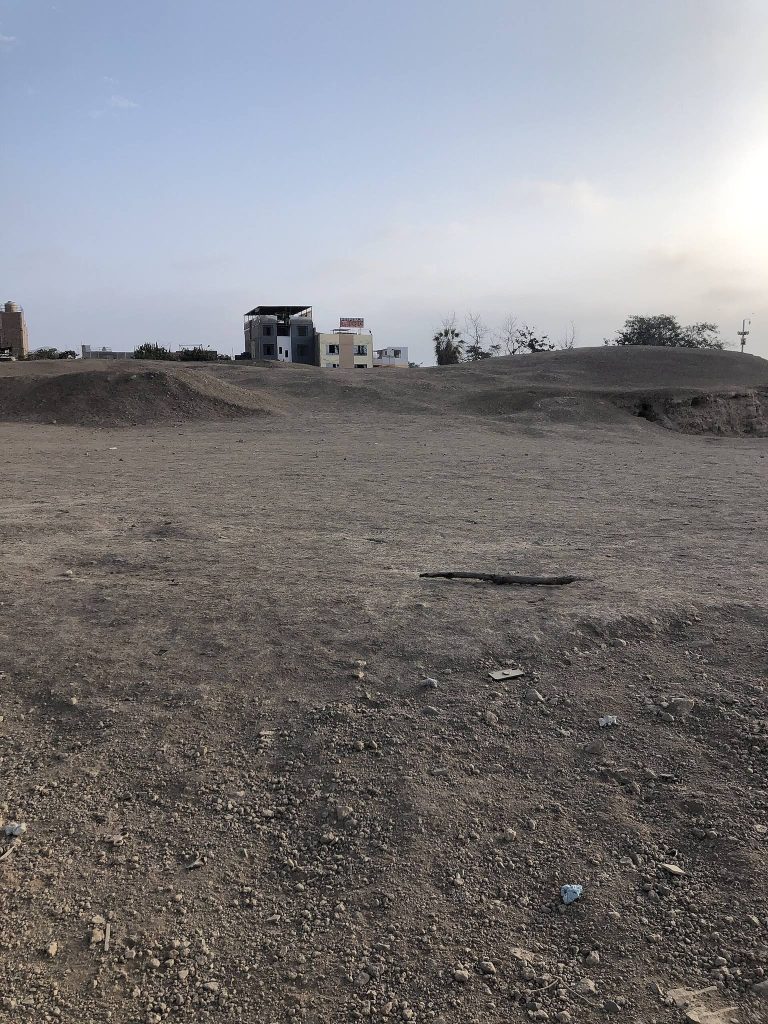
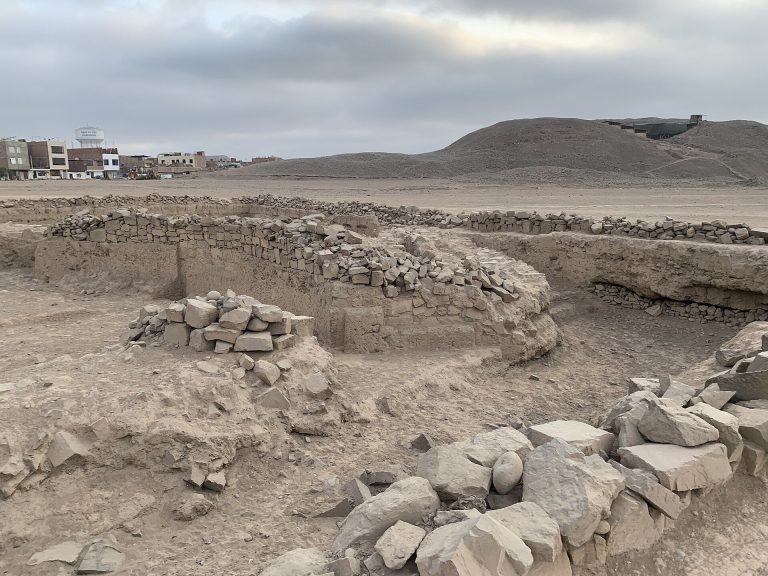
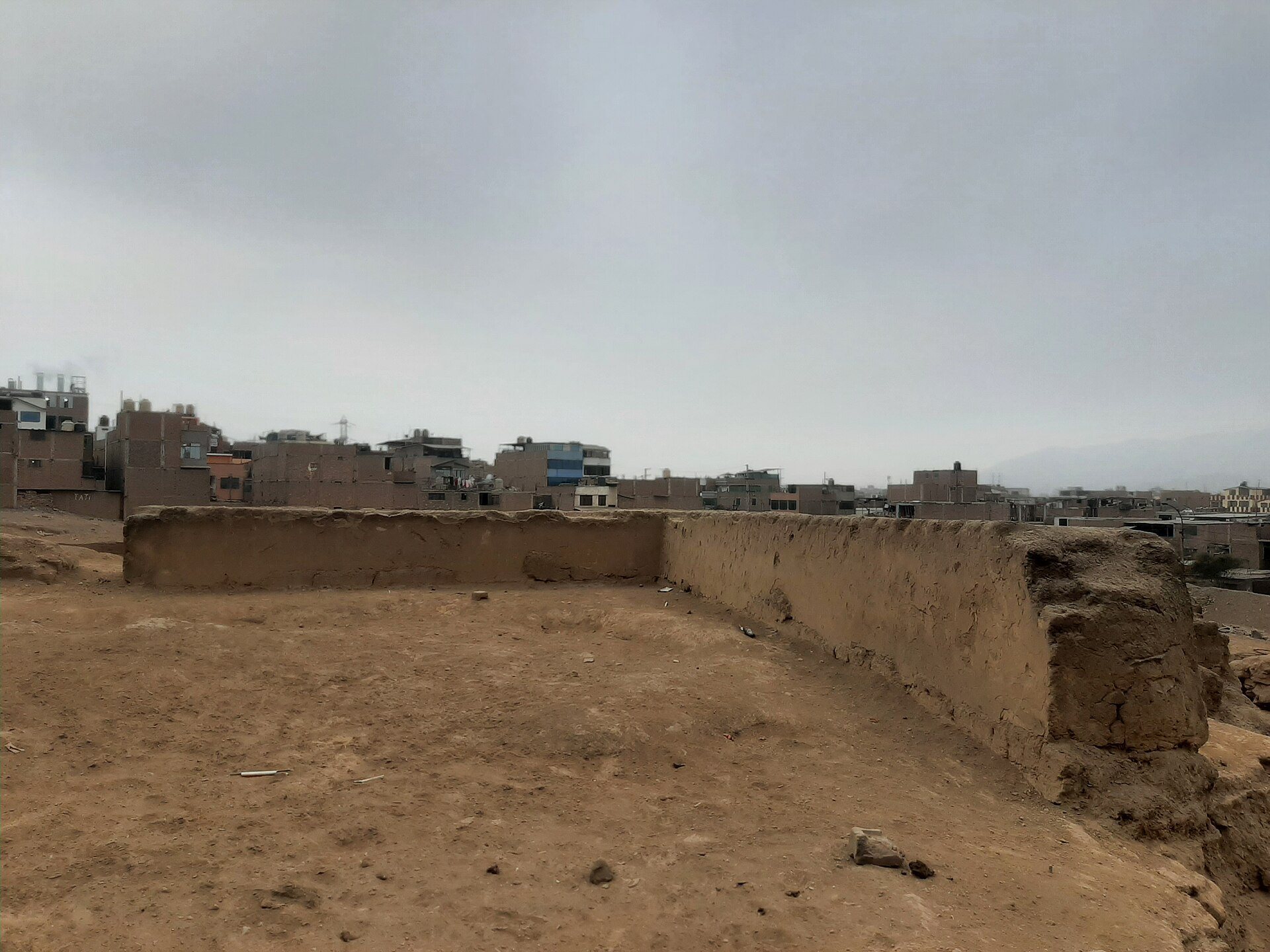
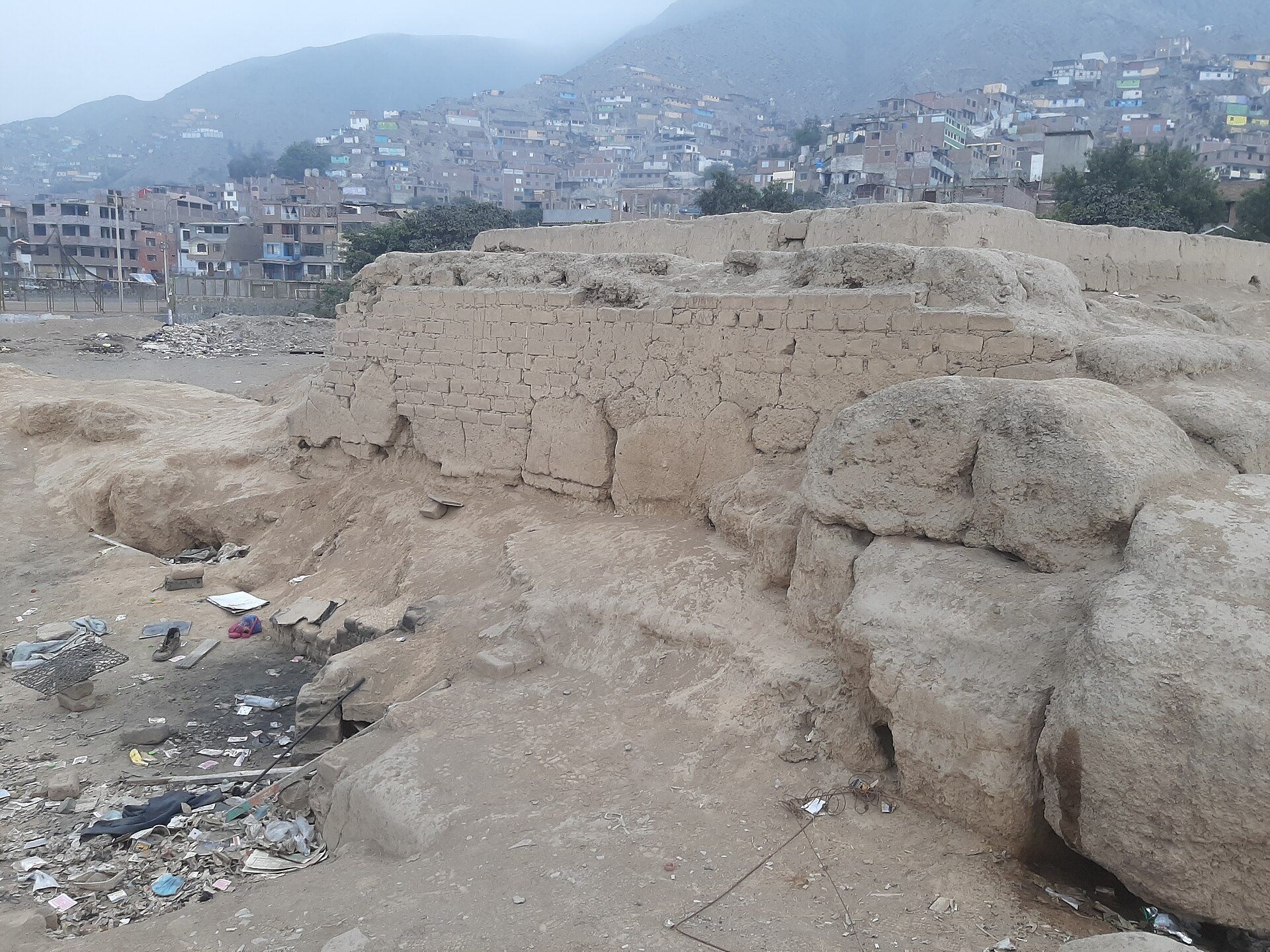
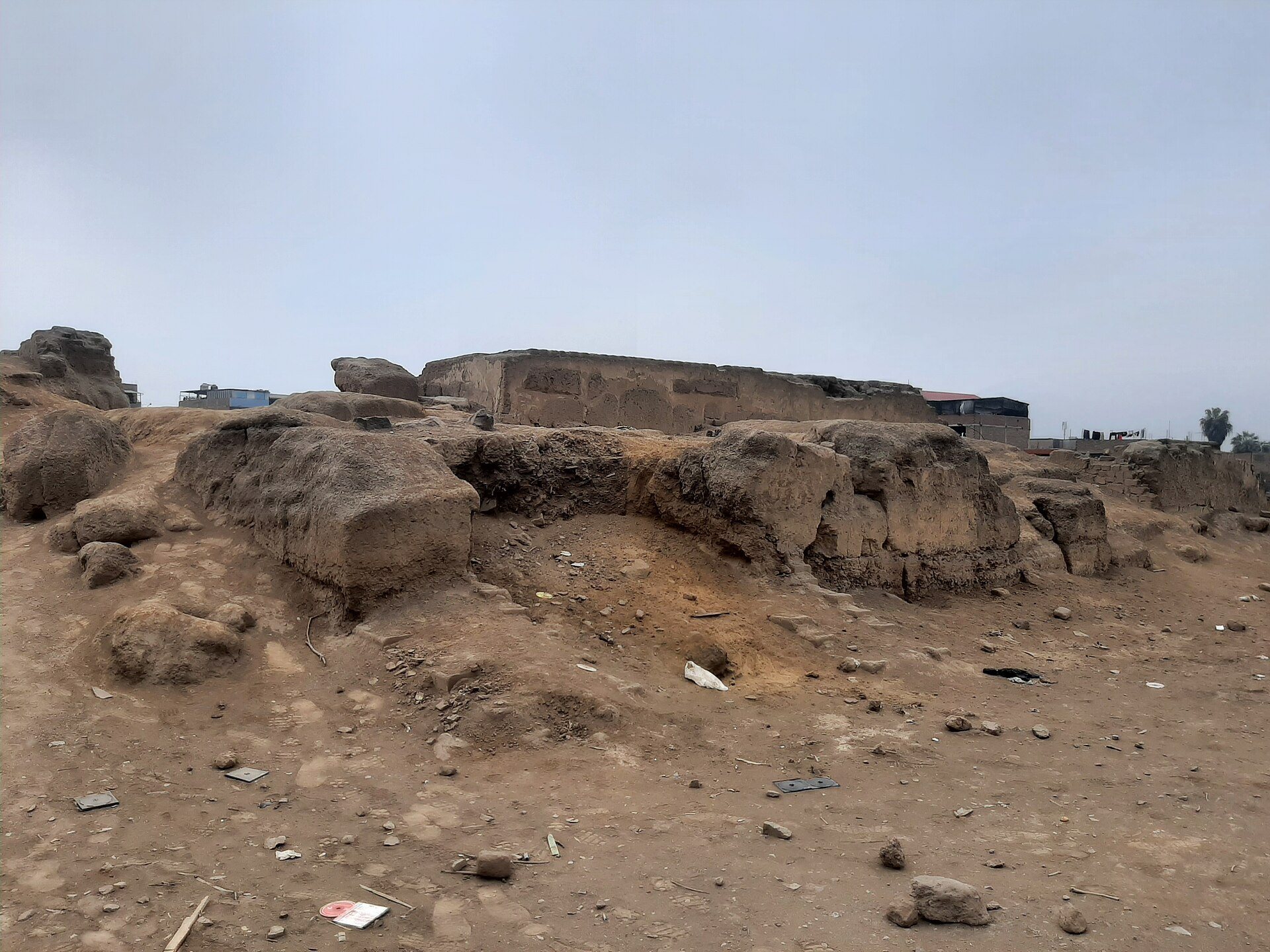
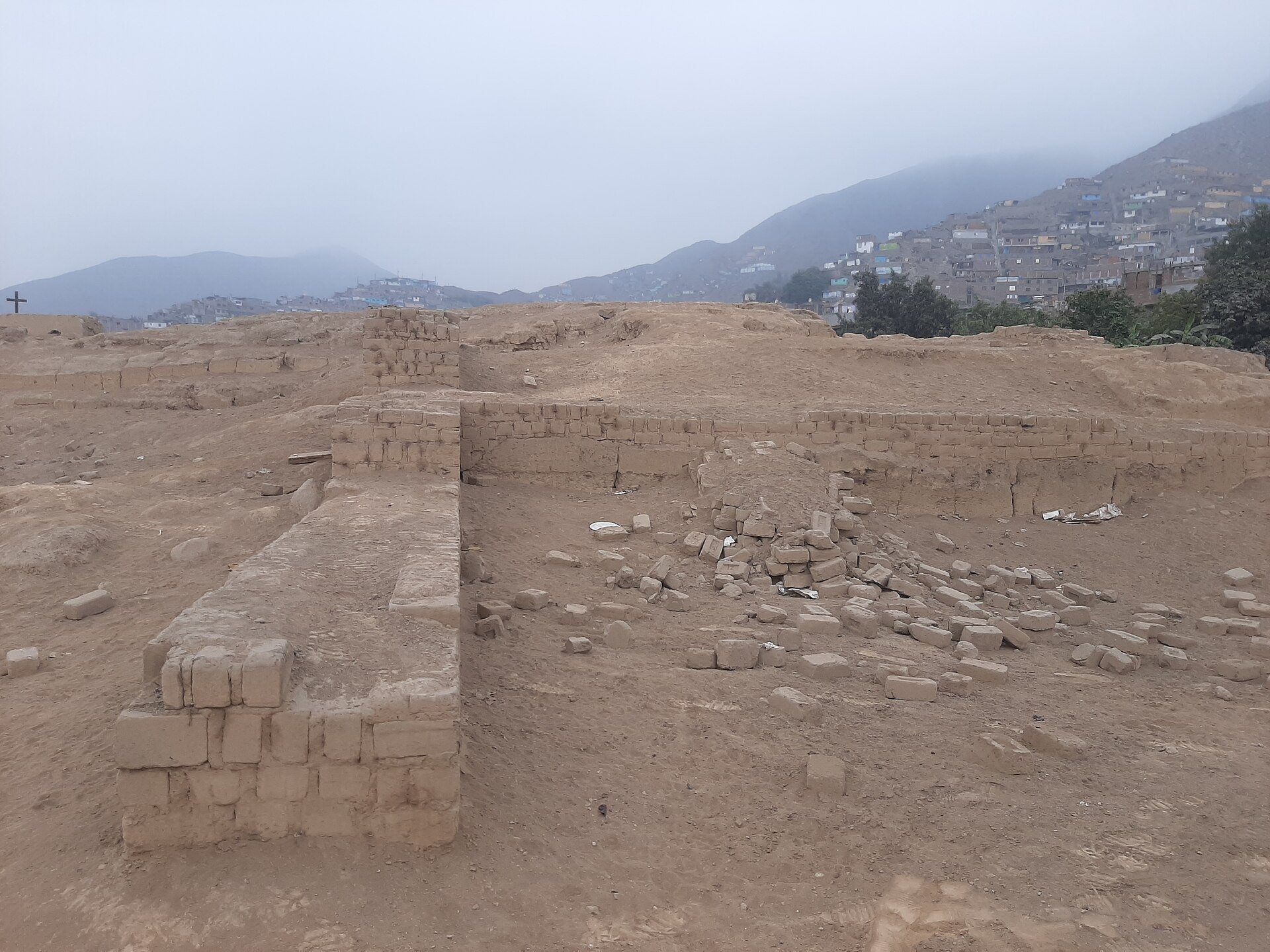
Huaca Canto Chico covers approximately 10,000 square meters, although its original extent was considerably larger. The surviving settlement consists of rectangular enclosures and massive earthen construction. Its walls create a chain of rectilinear spaces, while the central part rises in stepped form. Builders used internal fills to increase the height of the structures, and large rocks supported the foundations of the massive walls.
Residential and public sectors
Sector A
Sector A was a habitation area within the residential complex. Its rectangular enclosures were made chiefly with tapia, a technique in which moist earth is compacted inside forms to produce solid walls. Abundant maize remains and pottery indicate domestic activity in this part of the settlement.
Sector B
Sector B consisted of public structures. Together with the habitation area, it formed a divided settlement in which residential and public spaces occupied distinct sectors.
Central mound and southern residences
Central mound
A central mound rises above the site through massive earthen walls. Some sections contain rectangular, solid adobe blocks, made from sun-dried earth. The stepped arrangement of the central portion and the height of its walls are supported by substantial internal fills.
Southern structures
The southern end of the original settlement contained large structures and residences. Dwellings were densely clustered and did not follow an organized urban layout. Structural collapses and deterioration now affect the earthen construction, while graffiti and contaminating waste damage the walls and complicate maintenance.