Bossenstein Castle: A Moated Medieval Castle in Belgium

Site at a Glance
- Rating
- 3.8
- Popularity
- Very Low
- Country
- Belgium
- Primary era
- Medieval
- External website
- Open
- Eras represented
- Medieval, Early Modern
- Civilizations
- Duchy of Brabant, Habsburg, Holy Roman Empire, Spanish
- Site type
- Military
- Remains
- Castle
On this page7 sections
History
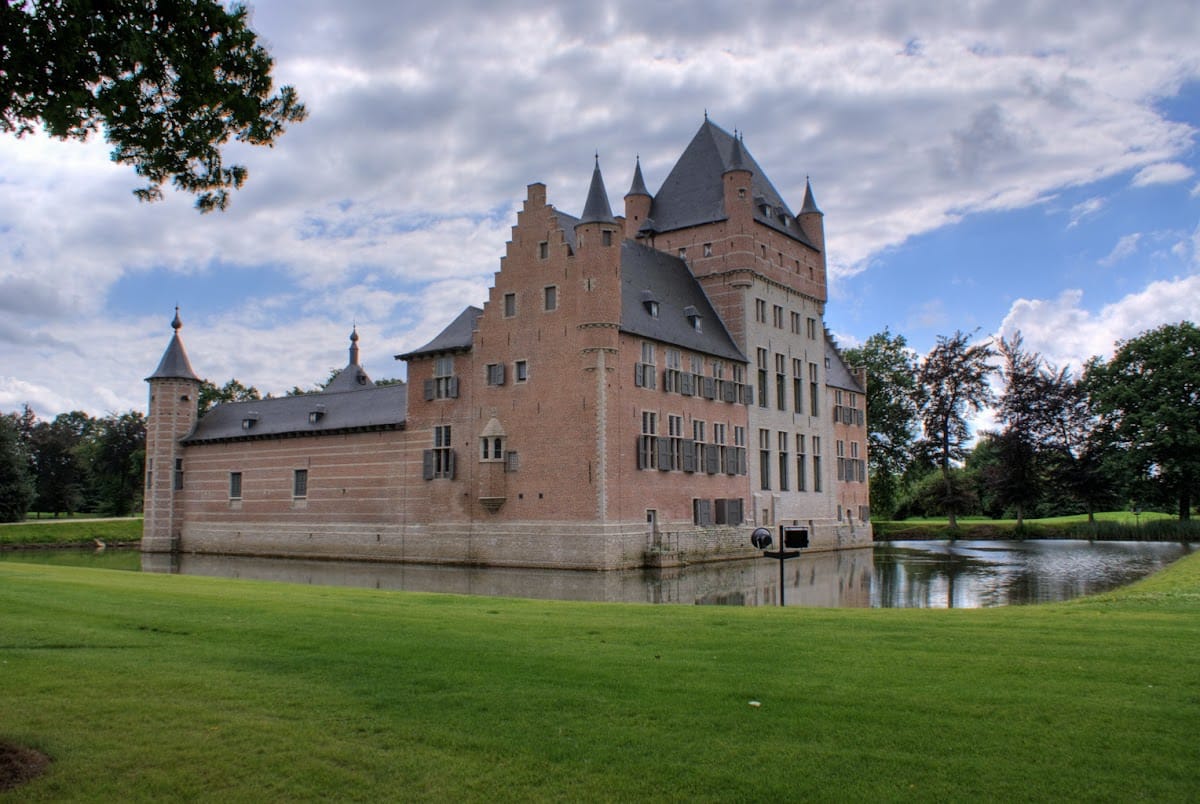
Bossenstein Castle is a moated castle near Broechem in Belgium, whose oldest major component is a fourteenth-century medieval keep. It was first recorded in 1346, when Joannes de Busco, also known as Joannes van den Bossche, was identified as its owner. The name Bossenstein derives from his name.
Medieval ownership
The Van Berchem family held the castle for a long period during the Middle Ages. Afterward, Bossenstein changed occupants and owners several times, while its original fortified core was expanded with additional wings.
War damage and later use
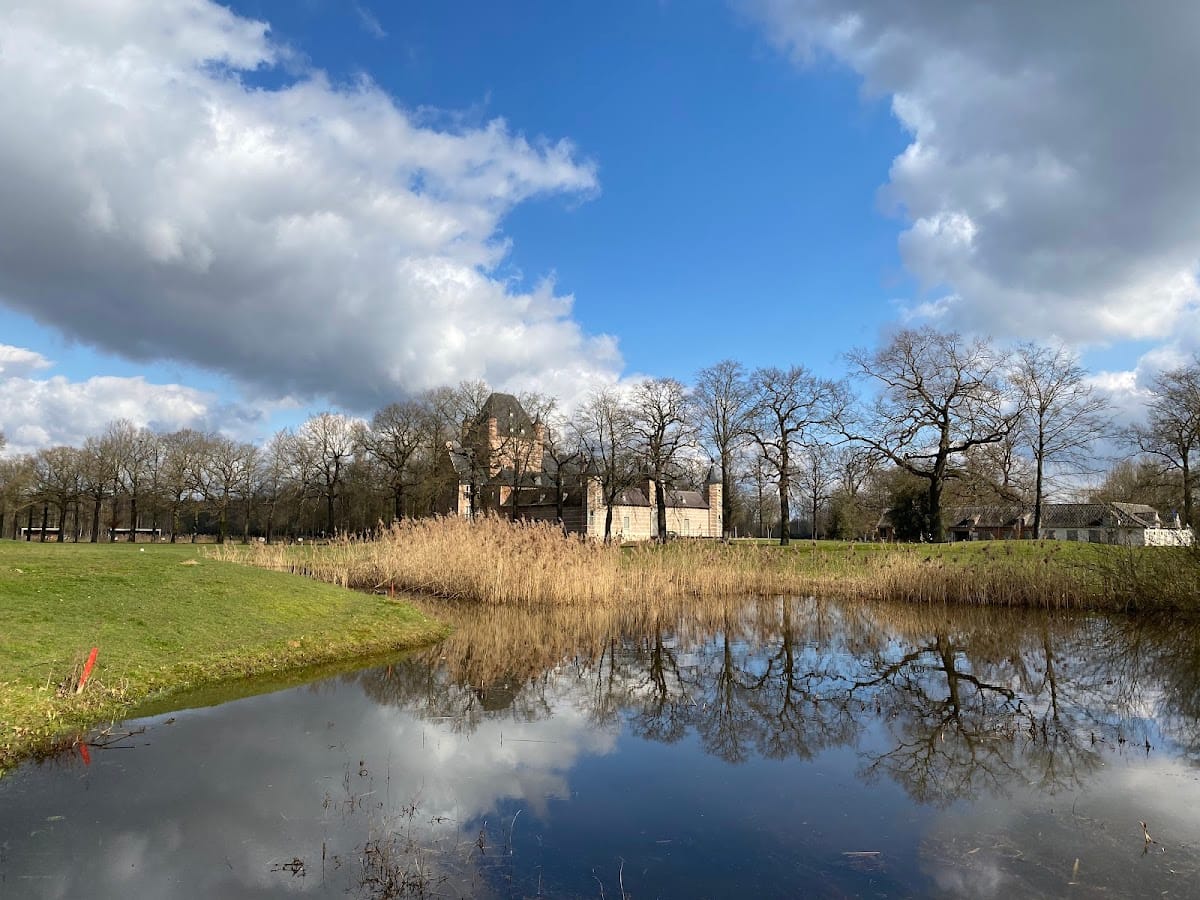
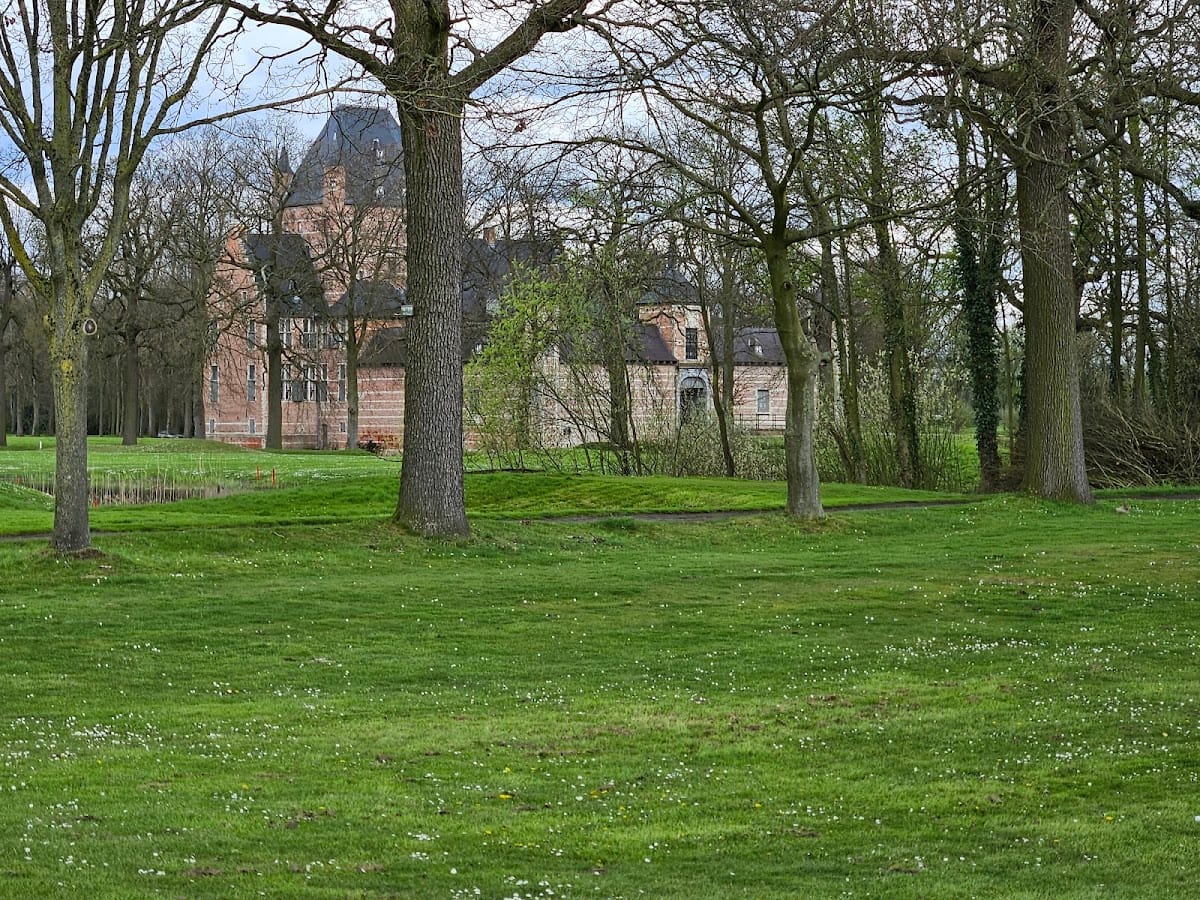
The castle stood vacant for a period around 1900. It suffered damage during the First World War and was restored afterward, with an extensive restoration dated to 1906. Bossenstein is listed as a monument under designation number 13889. A golf course was later established around the castle, and the property is now associated with a golf and polo club.
Remains
Moat, bridge, and keep
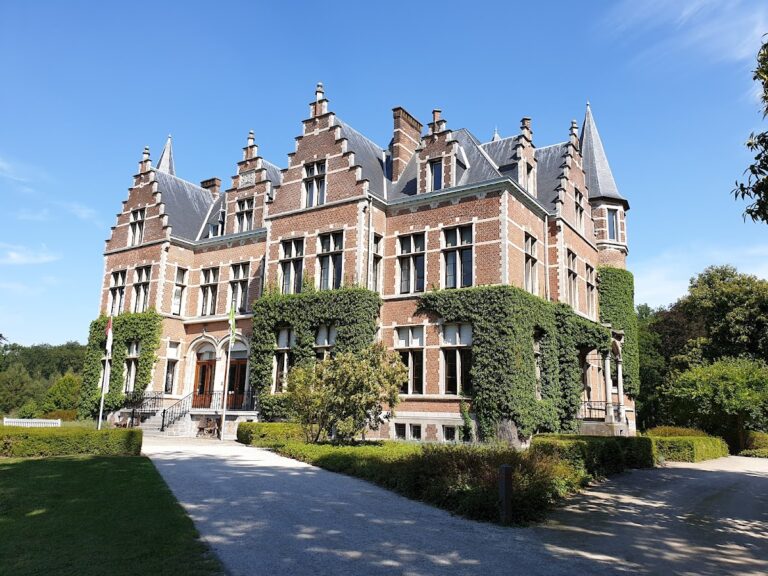
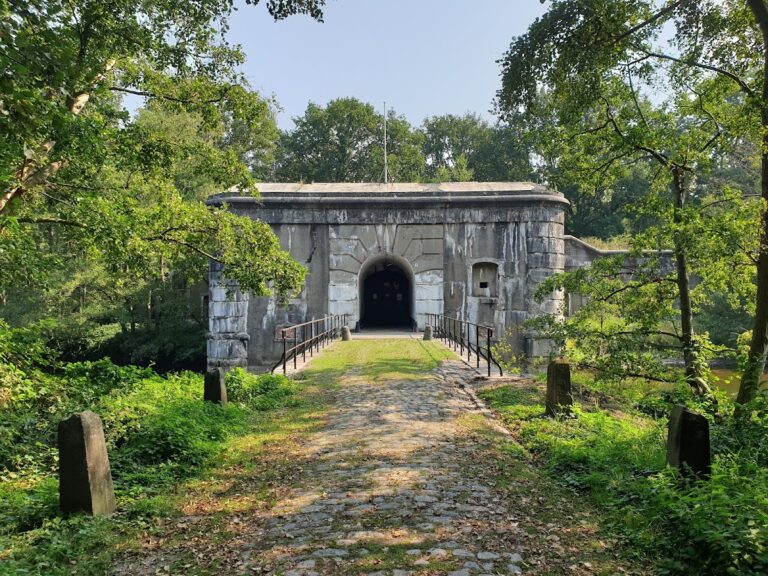
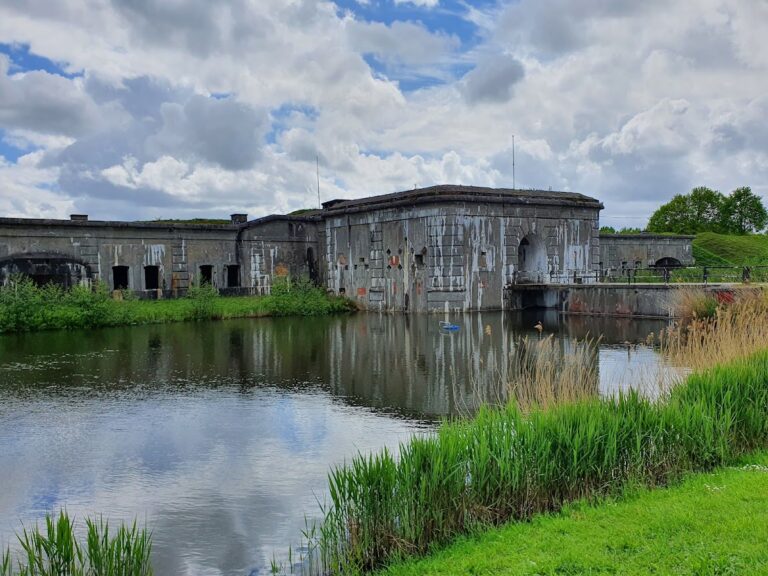
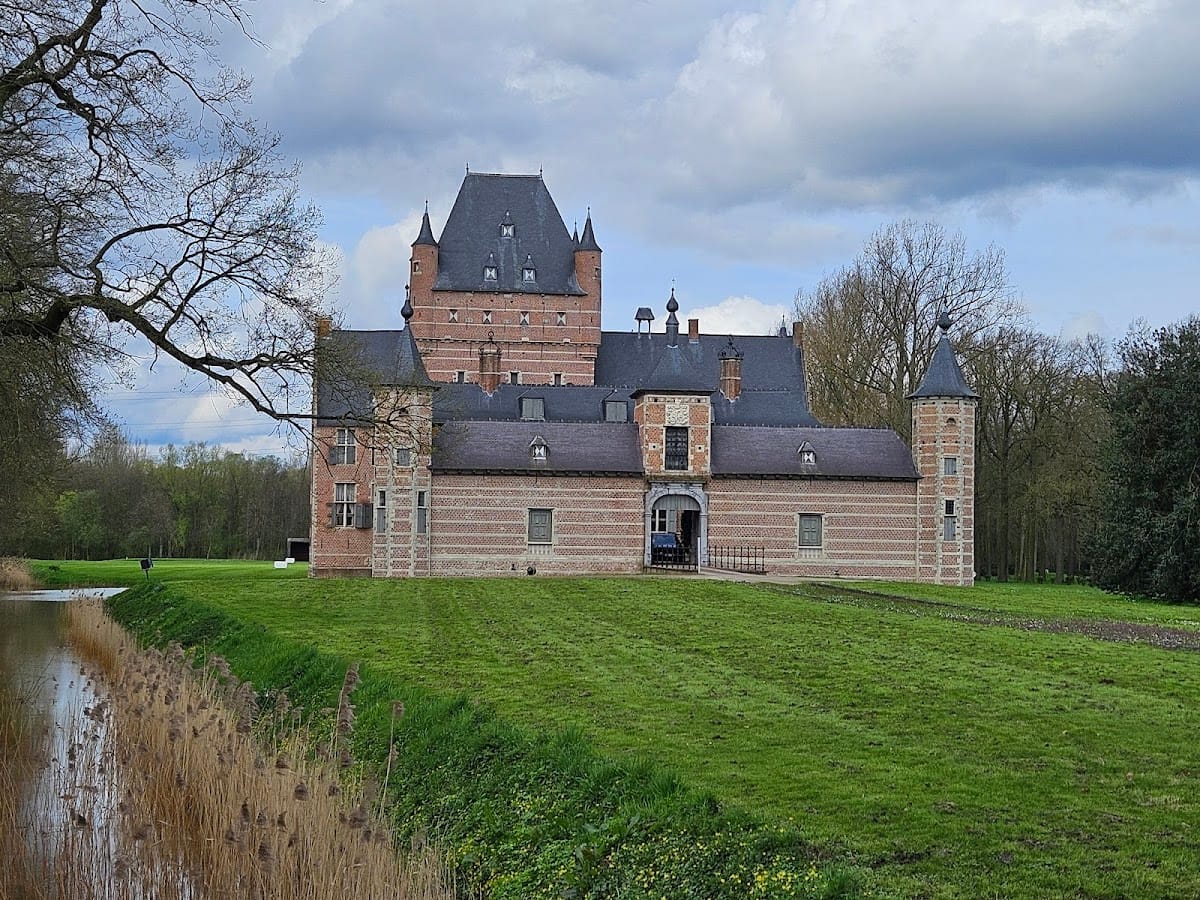
A moat surrounds the castle, forming a water boundary around the building. Access crosses a brick bridge with pointed and basket arches. The keep, also called a donjon, is the principal fortified tower and dates from the fourteenth century. The other wings were added in later periods, creating the larger complex that survives today.
Courtyard and residential wings
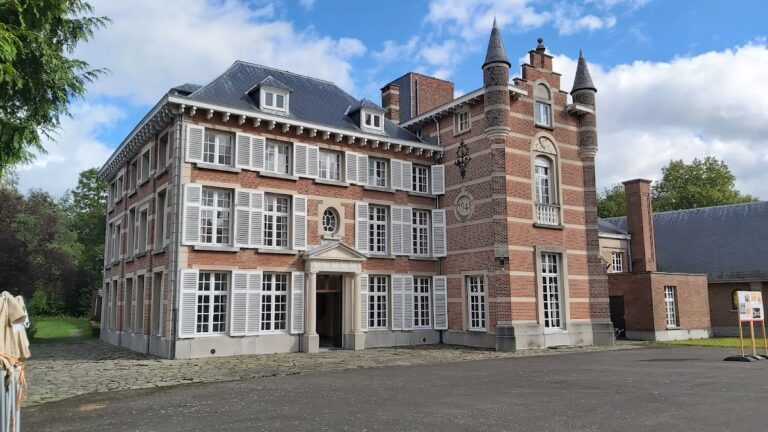
The central part of the castle is arranged around an inner courtyard enclosed by galleries. The eastern residential wing dates from the late fifteenth or early sixteenth century. Mid-seventeenth-century additions brought a west wing, a south wing, and an adjoining gallery, giving the castle its expanded residential arrangement.
Restored interiors
The interior was restored to reflect its seventeenth- and eighteenth-century appearance and is furnished as a house. Restoration work carefully treated the facades, roofs, and joinery while retaining the building’s historical layers. Original materials were also preserved inside the castle.