Urco: A Ceremonial and Agricultural Archaeological Site in Peru
Site at a Glance
- Rating
- 4.7
- Popularity
- Low
- Country
- Peru
- Primary era
- Medieval
- Eras represented
- Medieval
- Civilizations
- Inca
- Site type
- Religious
- Remains
- Sanctuary
On this page8 sections
History
Urco is an archaeological site in Peru’s Sacred Valley of the Incas, in the Calca district of the Calca province, within the Vilcanota River valley at the foot of Pitusiray Mountain. Occupied from the Late Intermediate Period through the Late Horizon, it reflects the cultural history of the central Andes before and during Inca imperial rule. The earlier period preceded the expansion of the Inca state, while the later period corresponds broadly to Inca political dominance. Urco stands at approximately 2,926 metres above sea level.
Occupation and changing use
Urco was continuously occupied from the Late Intermediate Period, when it was associated with the Killke culture of the Cusco region, through the Late Horizon, when it was associated with the Inca. Its original functions were agricultural and ceremonial. The site therefore combined cultivated land with places connected to ritual activity.
The water-cult tradition
On the first Sunday of October each year, the circular enclosure hosts the Unu Urco water-cult festival. Its name means “the water of Urco,” and the celebration is associated with a myth concerning the Inca Urco Huaranqa. This continuing ritual tradition is linked to the site’s ceremonial spaces and its relationship with water.
Remains
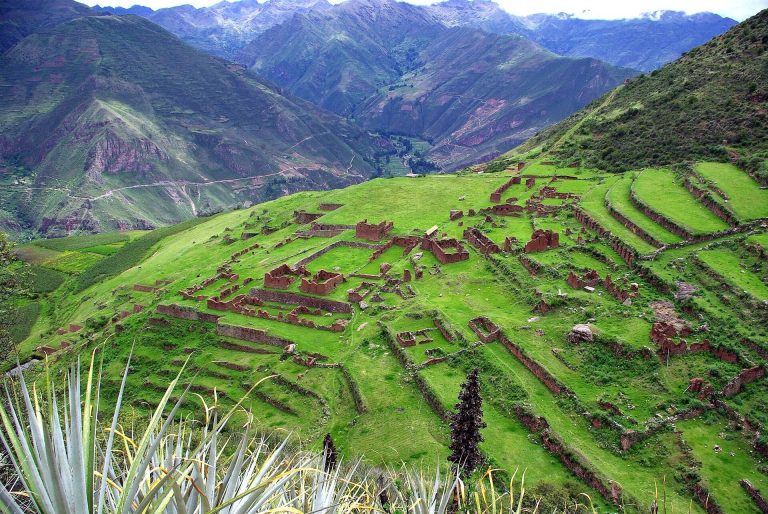
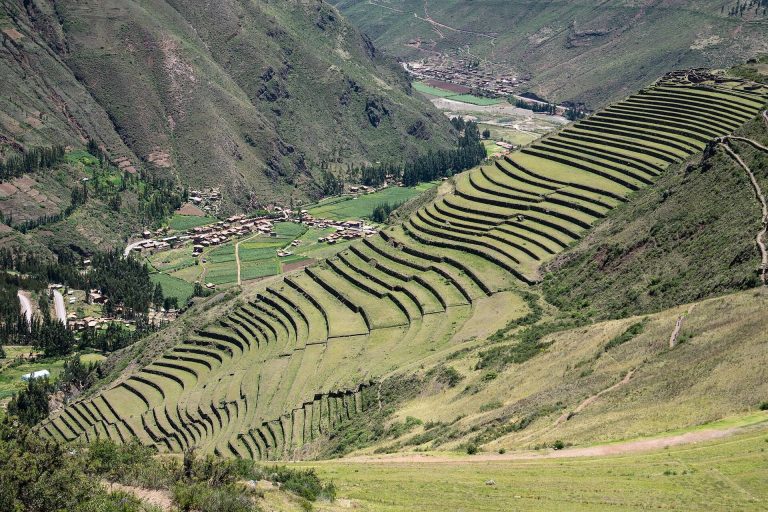
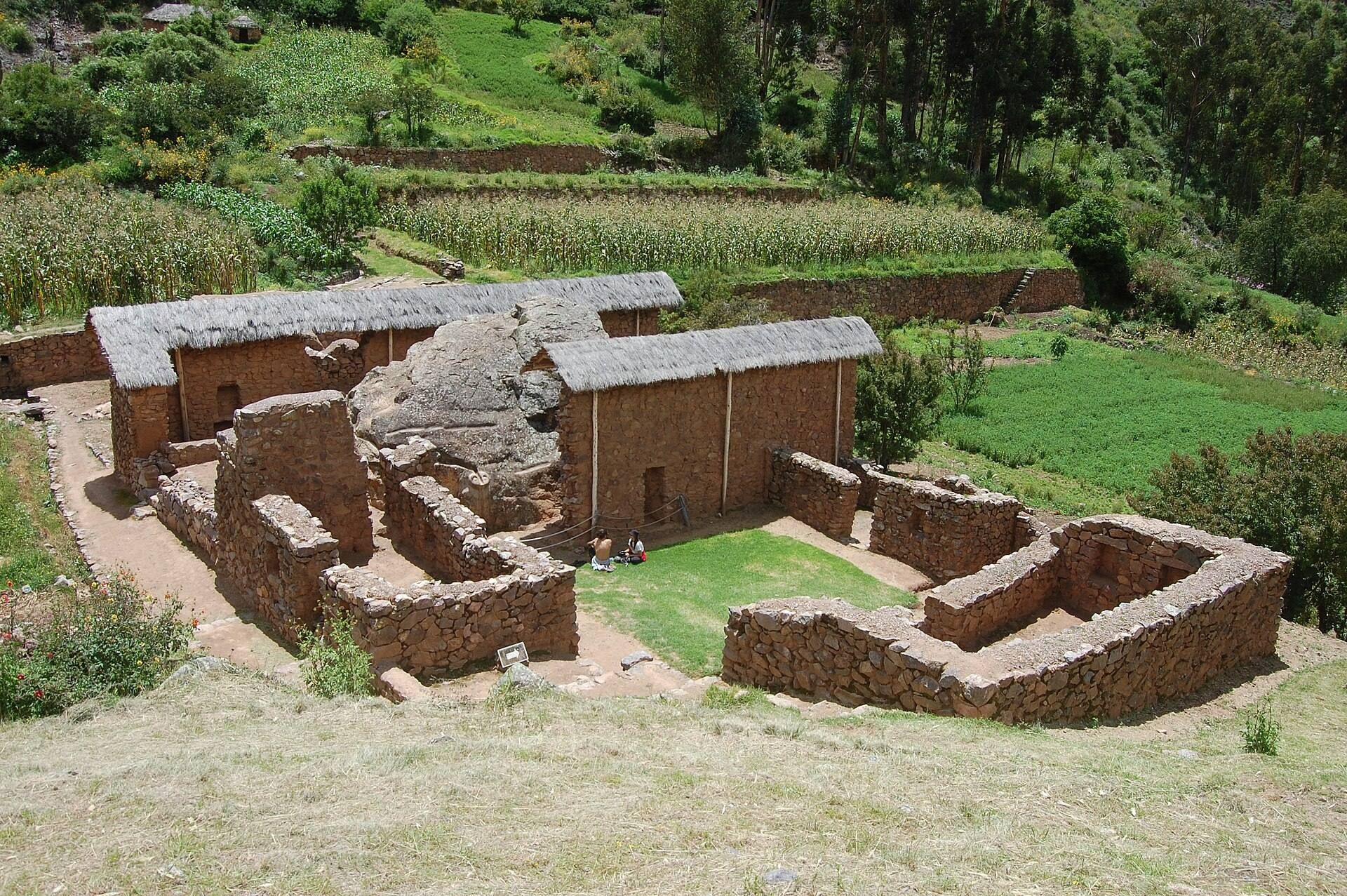
Urco is divided into two sectors. Sector I is ceremonial and contains a circular tower and the place called Wiracocha Urco, while Sector II is agricultural and consists of a stepped terrace system. Together, these areas show how ritual features and cultivated land were arranged within the site.
Sector I: Ceremonial features
Circular tower
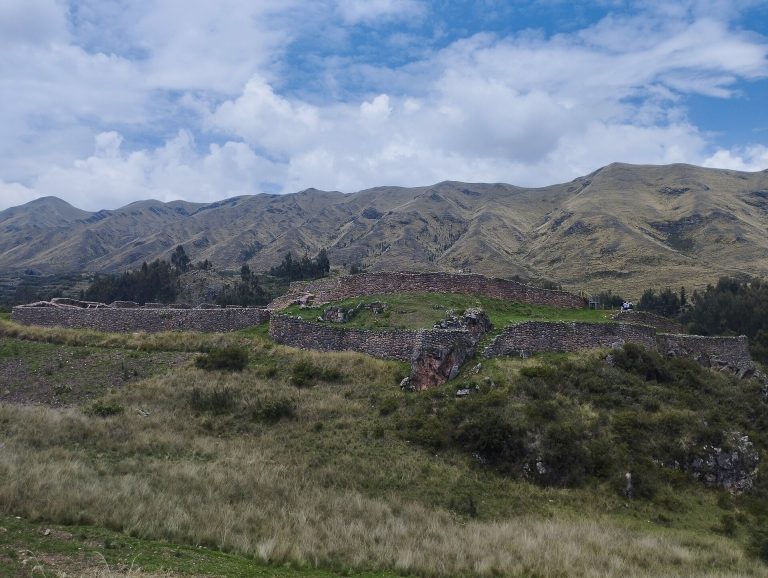
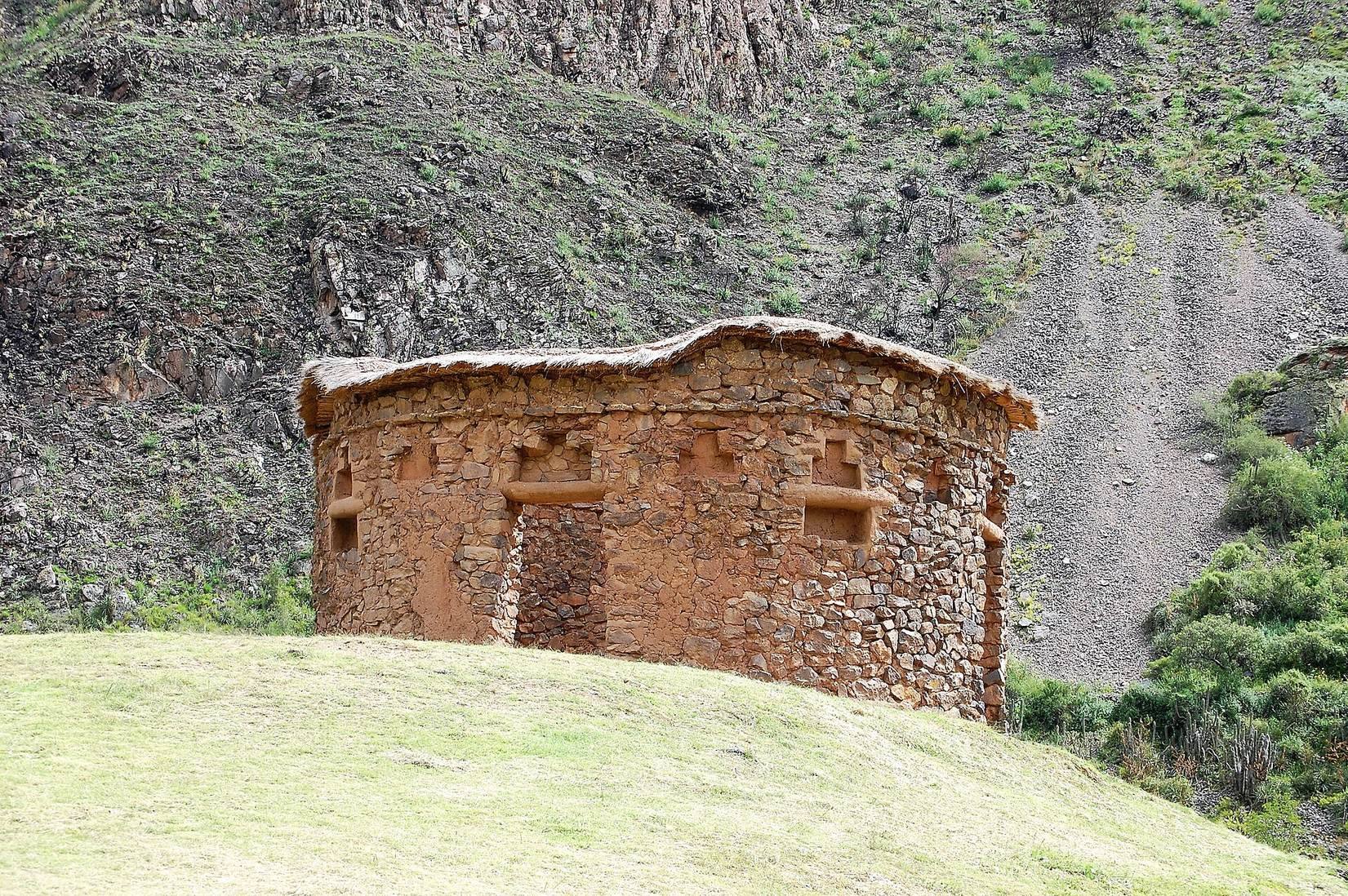
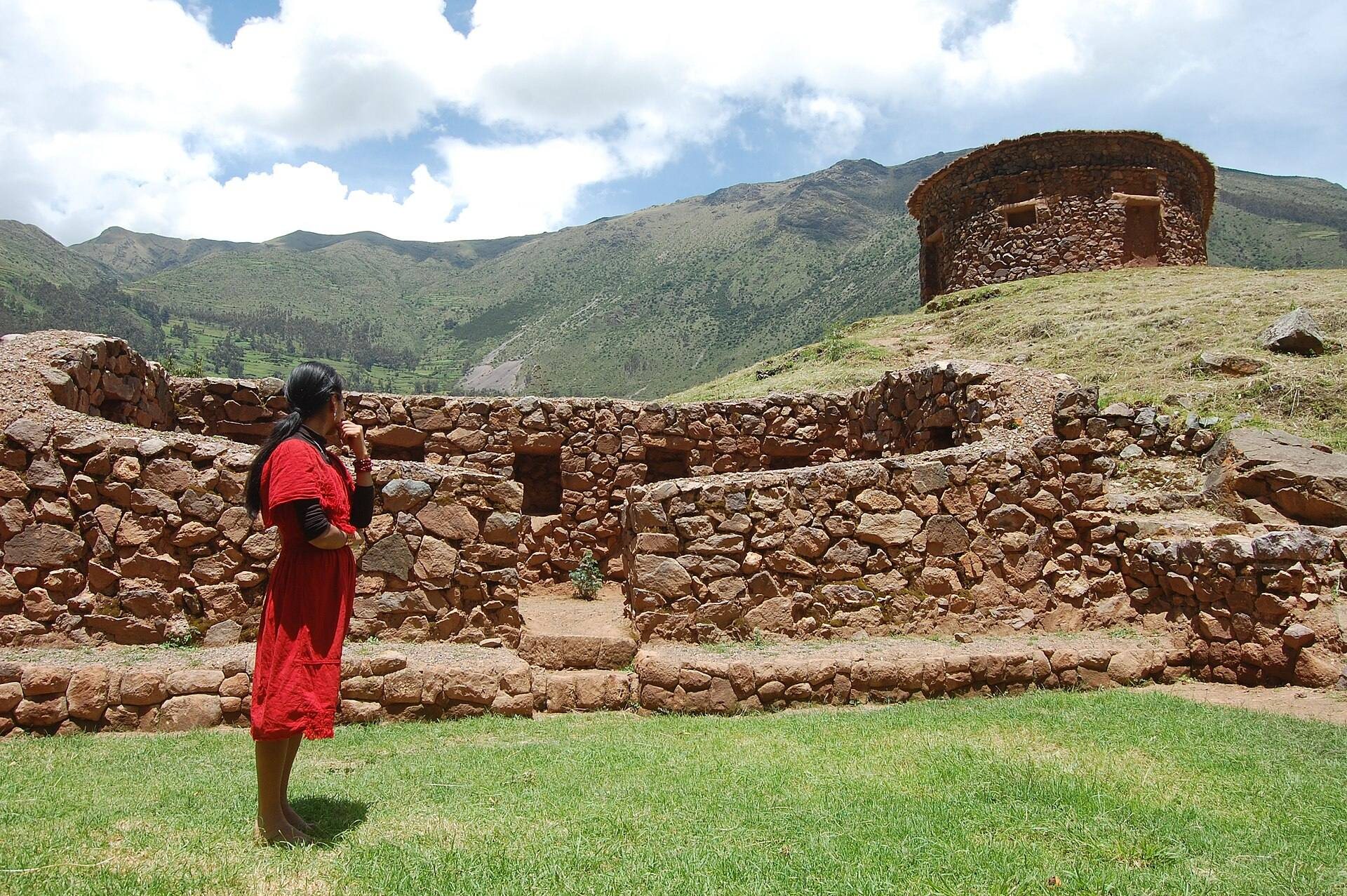
The ceremonial sector contains a circular tower with one doorway and two windows. Niches are set into both its interior and exterior surfaces, giving the structure a combination of enclosed and outward-facing features.
Wiracocha Urco
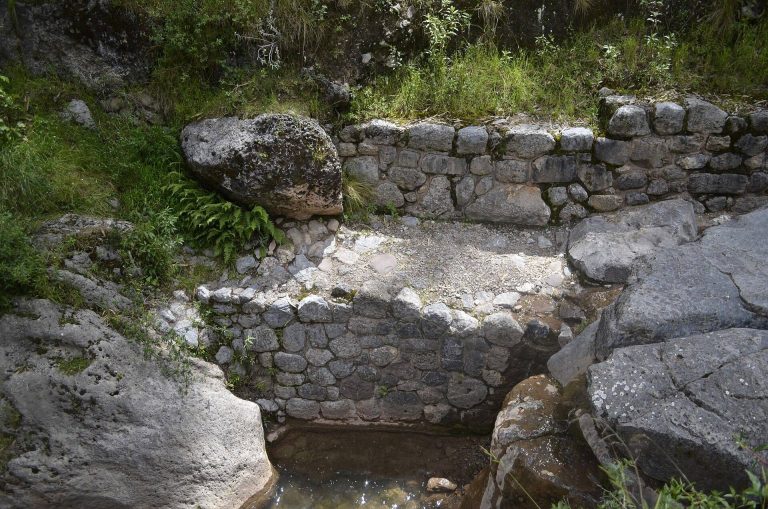
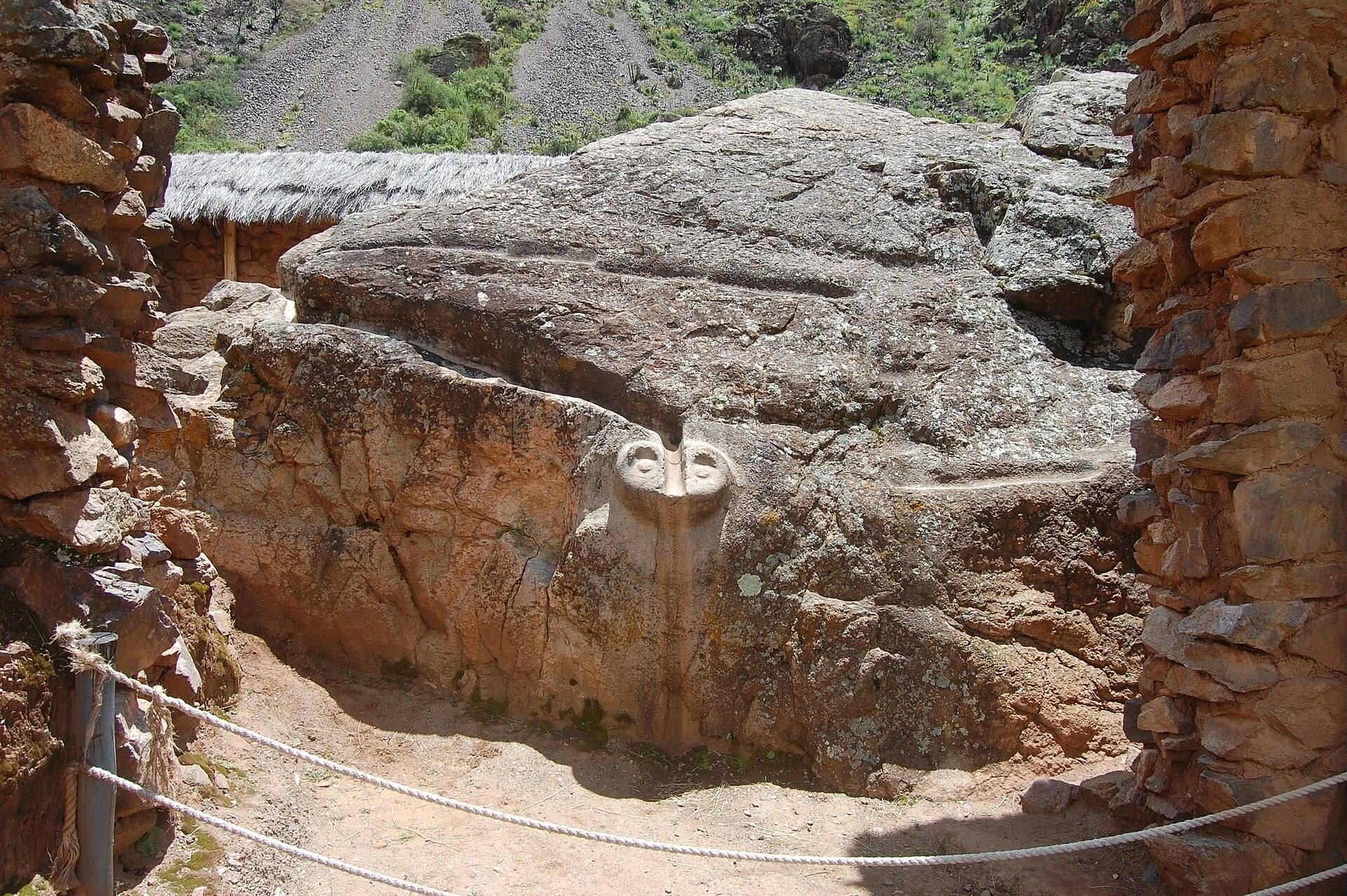
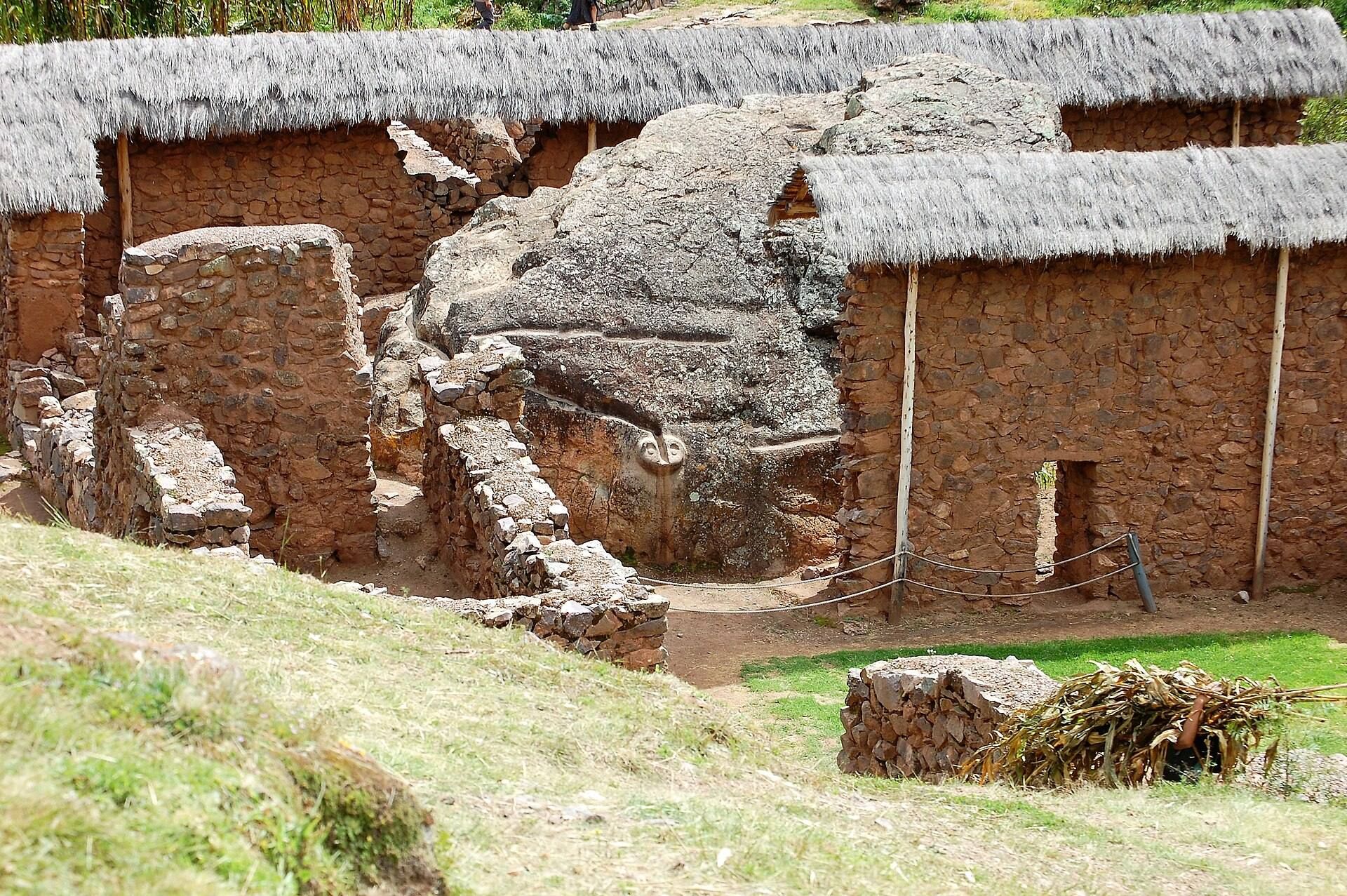
Below the tower lies Wiracocha Urco, centred on a large carved stone. A channel cut into the stone carries water toward the head of a form resembling an amphibian, a serpent, or a puma, although its identification remains uncertain. A smaller channel circles the rock. It formerly carried water from the mountain through a canal. The carved stone has been interpreted as an example of the veneration of rock sanctuaries in the central area of Inca political power.
Sector II: Agricultural terraces
Sector II consists of an agricultural terrace system covering approximately 17,135 square metres. Agricultural terraces are stepped platforms built into slopes to create level surfaces for cultivation and to manage soil and water. At Urco, the terraces are arranged in 11 levels, with each platform extending for more than 200 linear metres.