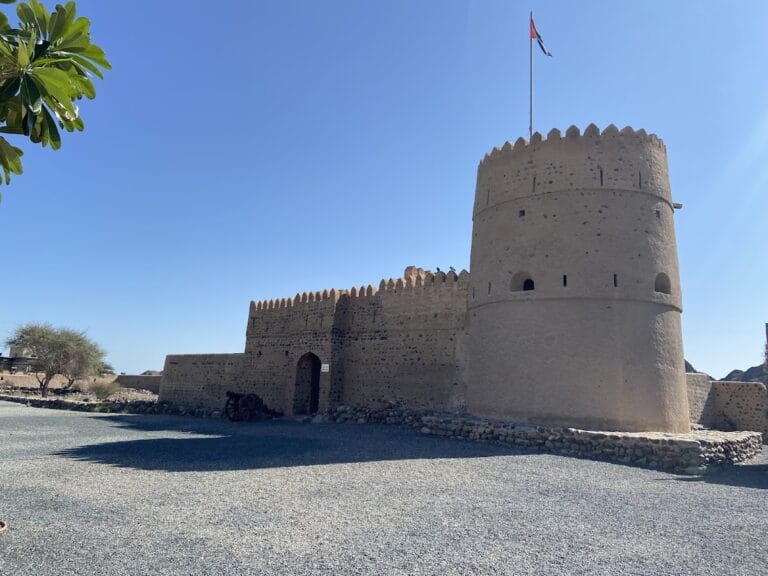
Mleiha Archaeological Centre: A Visitor and Exhibition Centre in Sharjah
Site at a Glance
- Rating
- 4.6
- Popularity
- Medium
- Country
- United Arab Emirates
- Primary era
- Classical
- External website
- Open
- Eras represented
- Stone Age, Bronze Age, Iron Age, Classical, Medieval
- Civilizations
- Ancient Greek, Umm an-Nar
- Site type
- Museum
On this page5 sections
History
Mleiha Archaeological Centre is a visitor and exhibition centre in Mleiha, in the Emirate of Sharjah, United Arab Emirates. Opened on 24 January 2016 by Sheikh Sultan bin Muhammad Al Qasimi, the Ruler of Sharjah, it became the first phase of a wider archaeological and ecotourism project.
Establishment and Purpose
The Sharjah Investment and Development Authority, commonly known as Shurooq, developed the project as a heritage and tourism initiative. Its aims included creating employment in the local area, attracting investment to Sharjah’s central and eastern regions, and supporting further development connected with the archaeological landscape.
The centre interprets Mleiha’s history from the Paleolithic and Neolithic periods through the Bronze Age, Iron Age, pre-Islamic era, and later Islamic periods. Its displays address social organization, ritual practices, diet, disease, environmental challenges, and trade, as well as the influence of wider regions on local pottery, art, and jewellery.
Archaeological Development of Mleiha
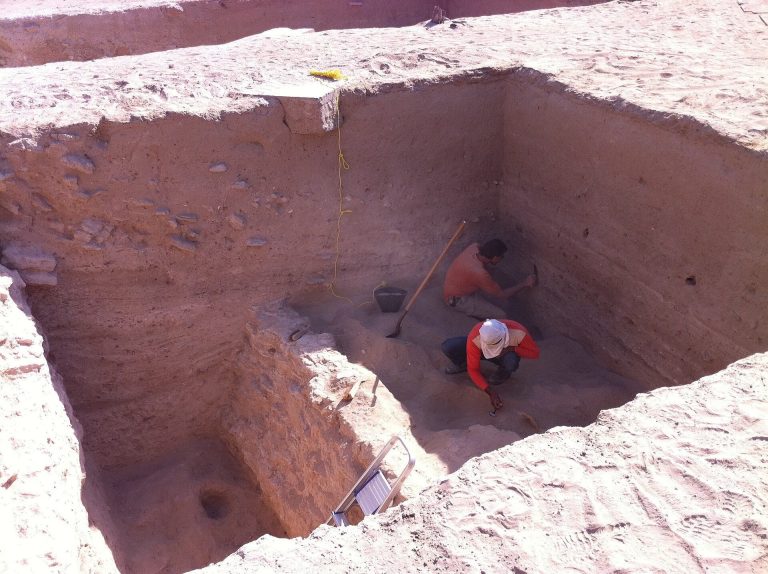
Excavations in the Mleiha area began in 1986. They revealed Iron Age, Hellenistic, and post-Hellenistic settlement remains, burial sites, evidence for ironworking and copperworking, and artefacts originating in Greece and elsewhere in the Arab world. The Hellenistic period followed the conquests of Alexander the Great and brought Greek cultural, political, and artistic traditions into contact with societies across western Asia.
The archaeological record presents Mleiha as a prosperous trading centre linked to other regional commercial centres by camel caravans. Around 300 animal skeletons, including horses and camels, form part of the evidence for the activities associated with the settlement and its surrounding area.
In February 2021, archaeologists found a vessel containing approximately 409 Hellenistic coins dating to the third century BCE. The hoard weighs about nine kilograms and includes coins bearing imagery associated with Alexander the Great and Zeus, the Greek god.
Wider Landscape and Heritage Status
The centre also presents discoveries from Al Thuqeibah, Jebel Faya, Al Faya, Al Madam, and Jebel Al-Buhais. Evidence from Faya North East indicates that anatomically modern humans were present in the Mleiha area between 130,000 and 120,000 years ago. It also points to a southern dispersal route from Africa across the Red Sea and the Persian Gulf region.
Mleiha forms part of the Paleolandscape of Faya, which received UNESCO World Heritage status in 2025. This international designation recognizes places considered to possess outstanding cultural or natural value.
Remains
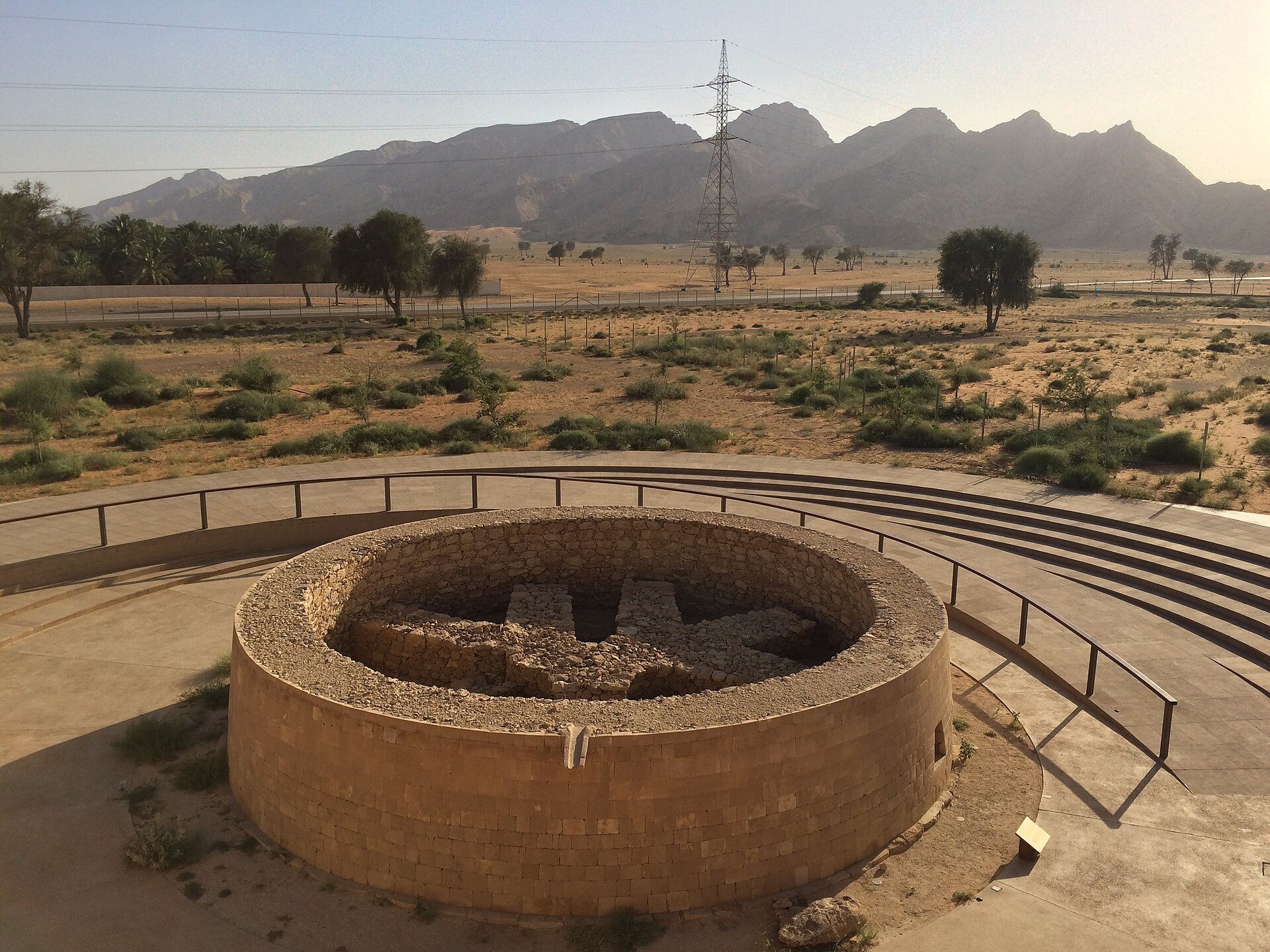
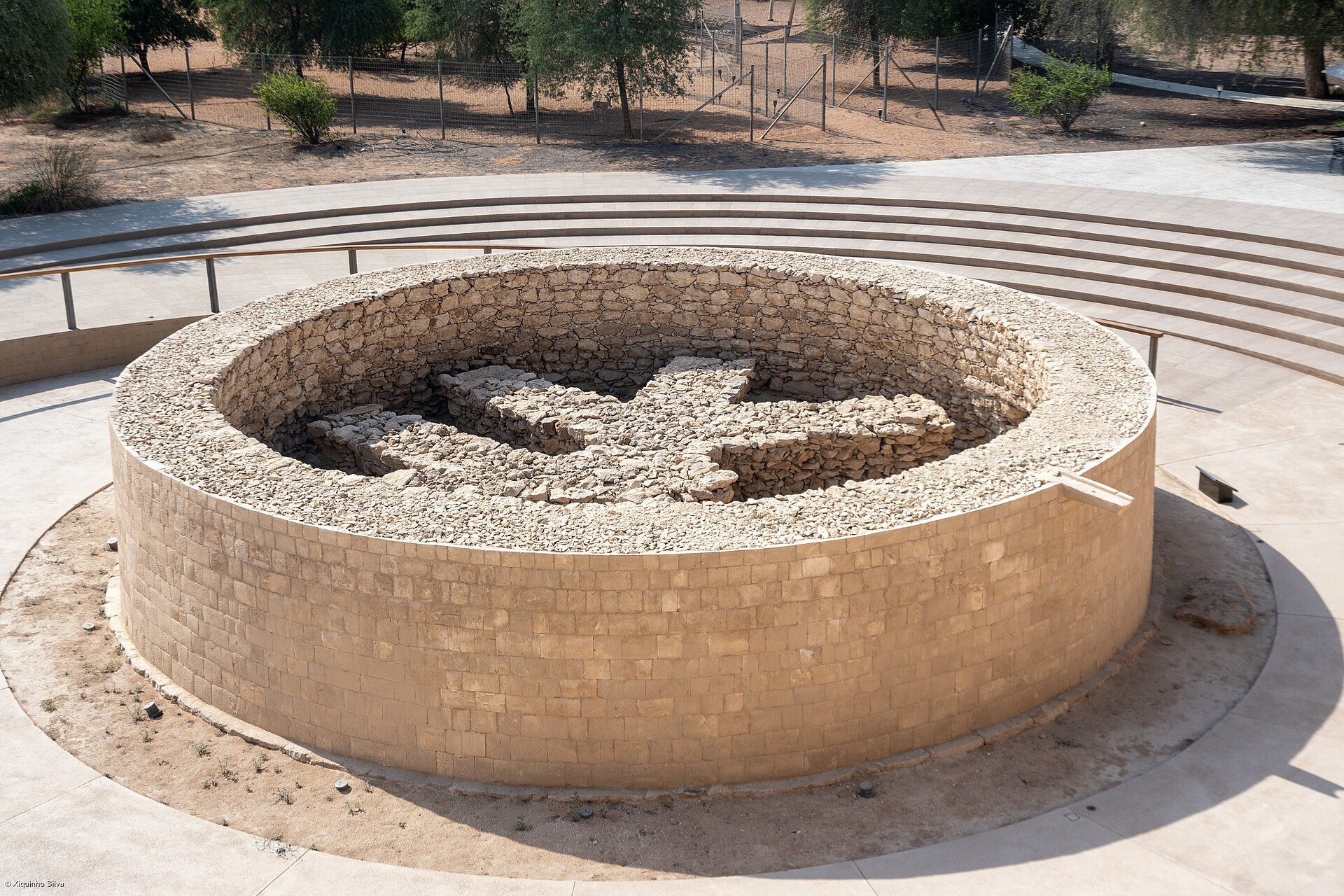
The centre is built around a preserved Umm Al Nar-period tomb, a large circular Bronze Age burial monument. The Umm Al Nar period was a Bronze Age culture of the southeastern Arabian Peninsula associated with substantial circular tombs and long-distance exchange. The building stands in the Mleiha area near the tomb and within the Faya paleolandscape, combining exhibition space with the preservation and interpretation of this archaeological feature.
Its principal physical function is to provide a visitor centre and exhibition facility focused on Mleiha and the surrounding archaeological landscape. The complex includes visitor facilities and a café, while guided excursions leave from the centre for nearby attractions including Fossil Rock, also known as Jebel Mleiha.