Tikal Temple I: A Maya Funerary Temple in Guatemala
Site at a Glance
- Rating
- 4.9
- Popularity
- Low
- Country
- Guatemala
- Primary era
- Medieval
- External website
- Open
- Eras represented
- Medieval
- Civilizations
- Maya
- Site type
- Religious
- Remains
- Temple
On this page10 sections
History
Construction and royal burial
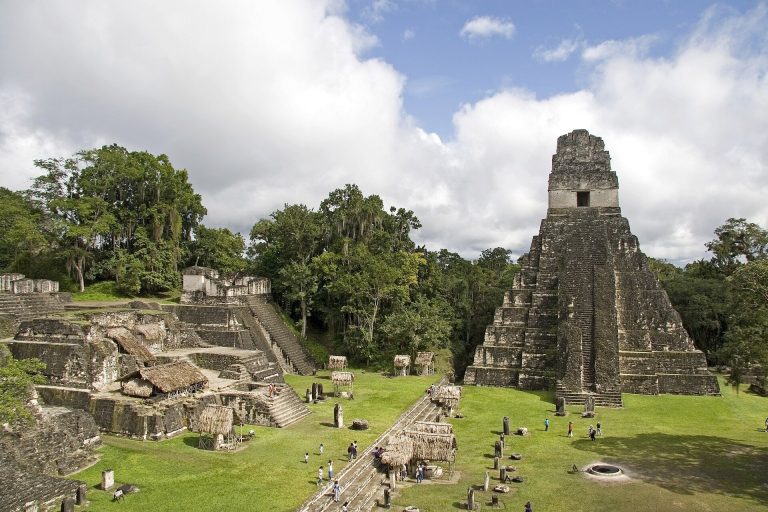
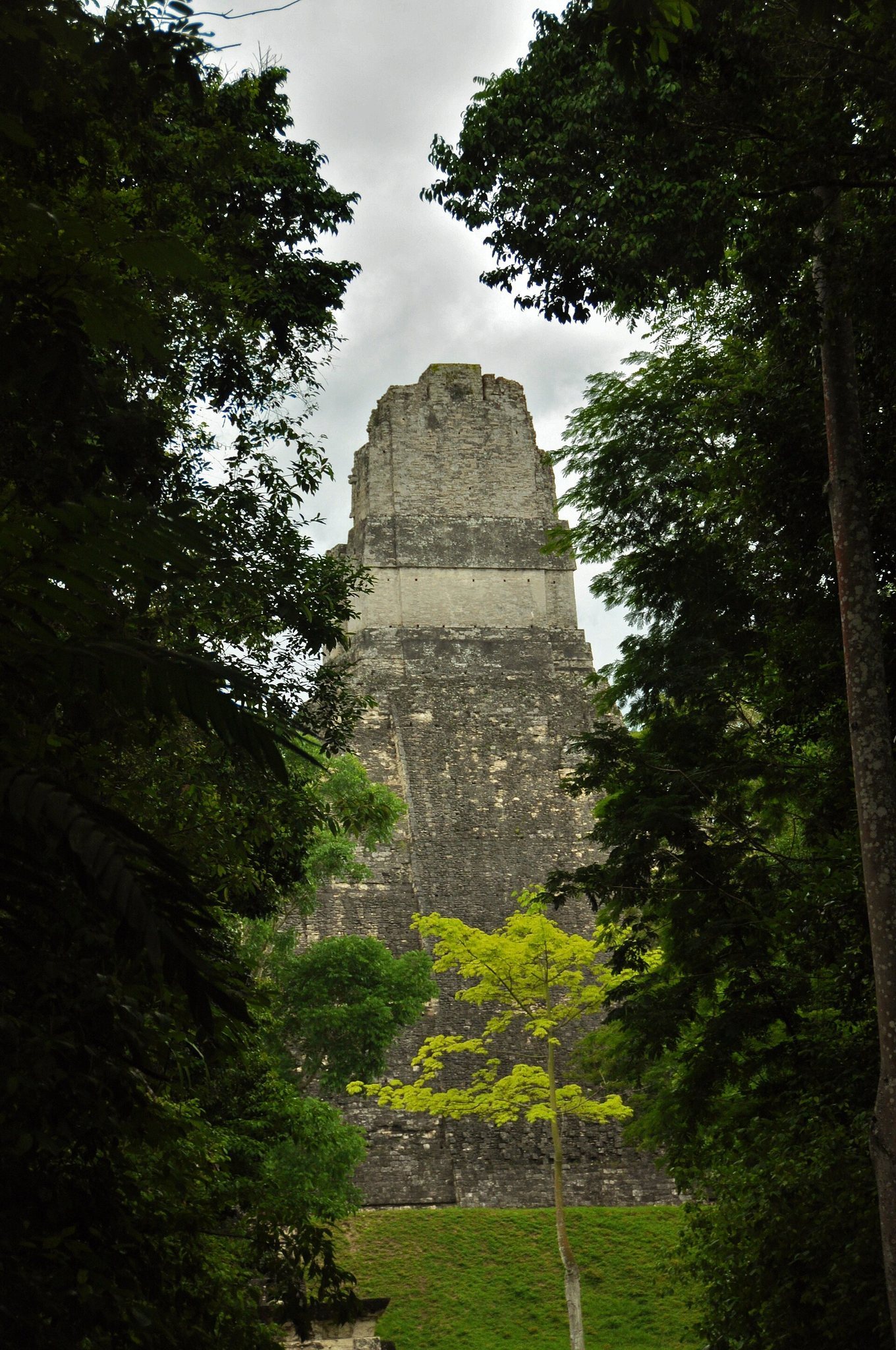
Tikal Temple I is a Maya funerary temple at Tikal in Guatemala, built around AD 732 in the Petén architectural style during the Classic Period of Maya monumental state development. Tikal was the ancient capital of the polity known as Mutul in the Petén Basin of northern Guatemala. The building is associated with Jasaw Chan K’awiil I, who ruled Tikal from AD 682 to 734, and is also called the Temple of the Great Jaguar, after a lintel showing a ruler seated on a jaguar throne. Another name, the Temple of Ah Cacao, derives from a nickname associated with the ruler buried inside.
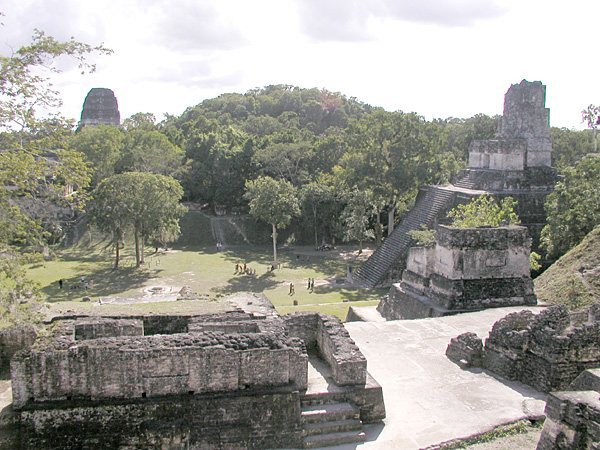
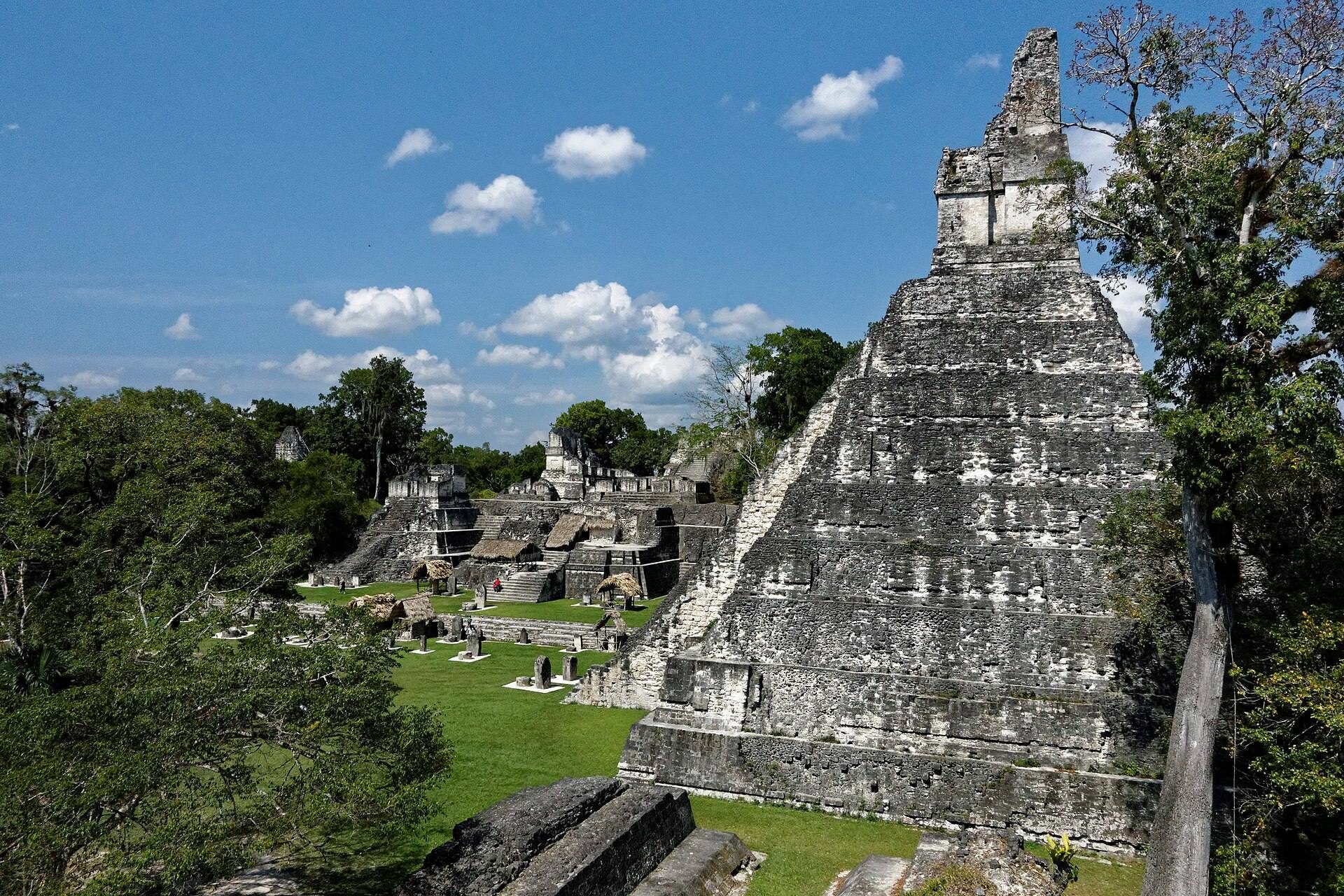
Construction was probably planned during Jasaw Chan K’awiil I’s lifetime. His son and successor, Yik’in Chan K’awiil, supervised the construction of the tomb and the temple built above it. The burial chamber was completed before the pyramid, then incorporated into its structure. This arrangement marked a change from Tikal’s earlier funerary practice, in which burial temples were generally placed north of the Great Plaza in the North Acropolis. Temple I instead rose on the eastern side of the plaza.
Later use and abandonment
The temple was used again during the Postclassic Period, which followed the Classic Period and continued in parts of the Maya world after the decline of many earlier centers. Its burial shaft was reopened for a later interment. The offerings included Mayapán-type censers, vessels used to burn incense or other ritual substances, and ceramic forms common in the Postclassic Petén. This censer type ceased to be used after the fifteenth century, and the temple is generally dated as abandoned around 1450.
Rediscovery and archaeological investigation
Tikal was rediscovered in 1848 during a jungle expedition organized by Petén governor Modesto Mendez. Eusebio Lara prepared the first drawings of the temples and carved monuments for the official report announcing the discovery. Objects and fragments were looted from the principal temples, including Temple I, in 1877.
Alfred P. Maudslay mapped central Tikal in 1881 and 1882, marking five major temples with the letters A through E. Teoberto Maler’s first topographical survey in 1895 called this building the First Great Temple. Alfred Tozzer used Maler’s terminology in his 1911 survey, which established the abbreviated designation Temple I.
The University of Pennsylvania’s Tikal Project began archaeological investigations in 1955 under Aubrey Trik and George Guillemin. The work included Temples I and II and preparation of the ruins for public visitation. Investigations at Temple I continued until 1964, and Trik discovered the royal tomb in 1962. In 1986, the Proyecto Nacional Tikal repaired cracks in the temple’s roof. The surviving building is a stabilized ruin that has been partially restored.
Heritage and continuing ceremonial meaning
Tikal National Park, including Temple I, forms part of a UNESCO World Heritage Site designated in 1979. The temple occupies a central position within the protected heritage area. On 21 December 2012, contemporary Maya, Guatemalan, and foreign priests held a fire ceremony at dawn in the Great Plaza before the temple. About 3,000 people attended the ceremony, which called for unity, peace, an end to discrimination and racism, and the beginning of a new dawn.
Remains
Pyramid and summit shrine
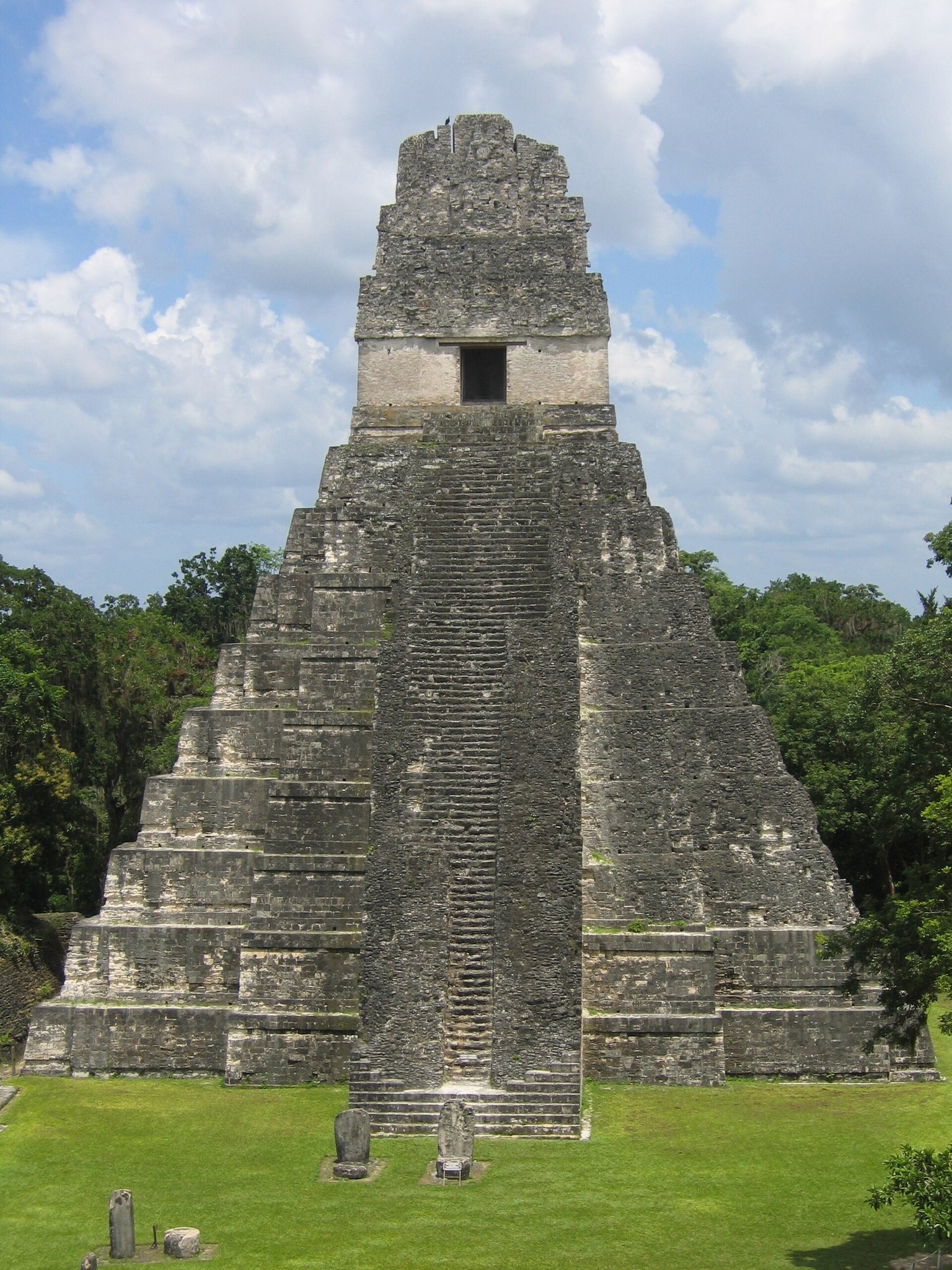
Temple I is a limestone stepped pyramid built from local stone. It rises approximately 47 metres high and reaches about 55 metres above the Great Plaza. Nine stepped levels form its main body, possibly referring to the nine levels of the underworld. Grooved moldings and inset corners shape the terraces, while a steep staircase climbs from ground level to the summit shrine.
The shrine contains three narrow, dark rooms arranged in sequence behind a single entrance. Their high corbel-vaulted ceilings were made by projecting successive courses of masonry inward until they met or were capped. Wooden beams of locally available sapodilla, a hard reddish-brown tropical wood, supported the ceilings. The doorways were framed by finely carved sapodilla lintels, the horizontal members spanning the openings.
Carved lintels and roof comb
The lintels were formed from planks set into small wall niches across the three doorways. The outer lintel was undecorated, while the central lintel was carved in detail from four planks. Lintel 3 was originally painted red. Two planks were removed during the nineteenth century and their current location is unknown. John Boddam-Whetham removed two others and donated them to the British Museum in London. One surviving lintel bears a scene of a seated figure beneath a huge serpent.
A high roof comb crowns the shrine. This monumental feature above a Maya temple roof consists of two parallel structures with a vaulted space enclosed between them, reducing the weight of the upper construction. The load was carried through the central spine and the temple’s supporting walls. Carved stone blocks on its front depicted a seated ruler flanked by scrolls and serpents, and molded plaster originally added further decoration. The roof comb also included a sculpture of Jasaw Chan K’awiil I, although the figure is now difficult to discern.
Burial 116
Burial 116 is a large vaulted chamber deep within the pyramid, below the level of the Great Plaza. Archaeologists reached it in 1962 through the roof after tunneling from the base of the temple staircase. More than half of the chamber was occupied by a masonry bench supporting the body and ornaments of Jasaw Chan K’awiil I. His remains rested on a woven mat beside jaguar skins, jadeite objects, painted ceramics, rare spondylus shells, pearls, mirrors, and other works of art.
The burial included many jade ornaments, including a necklace of 114 exceptionally large beads weighing approximately 3.9 kilograms. An ornate jade mosaic vessel had a lid bearing a sculpted portrait of the ruler. Jadeite was a valued greenstone in ancient Mesoamerica, while spondylus was a marine shell used for ornaments and other high-status objects.
Thirty-seven finely carved human bones bearing Maya hieroglyphic texts lay beside the ruler’s right foot. A hieroglyphic text uses formal signs that may represent words, sounds, or both. These inscriptions name Tikal’s allies, including Copán and Palenque, record the ruler’s name and parentage, and show a carved portrait of Ox Ha Te Ixil, a captive who was a vassal of Calakmul. Other scenes show the maize deity being carried by canoe into the underworld, while another bone lists the death dates of foreign nobles.
Later burial offerings
The reopened burial shaft contained offerings associated with the later interment. Among them were Mayapán-type censers and two ceramic forms widespread in the Postclassic Petén, linking the later use of the temple with ritual practices that continued centuries after its construction.