Baroli Temple Complex: An Early Medieval Hindu Temple Group in Rajasthan
Site at a Glance
- Rating
- 4.6
- Popularity
- Low
- Country
- India
- Primary era
- Medieval
- Eras represented
- Medieval
- Civilizations
- Unclassified
- Site type
- Religious
- Remains
- Temple
On this page15 sections
History
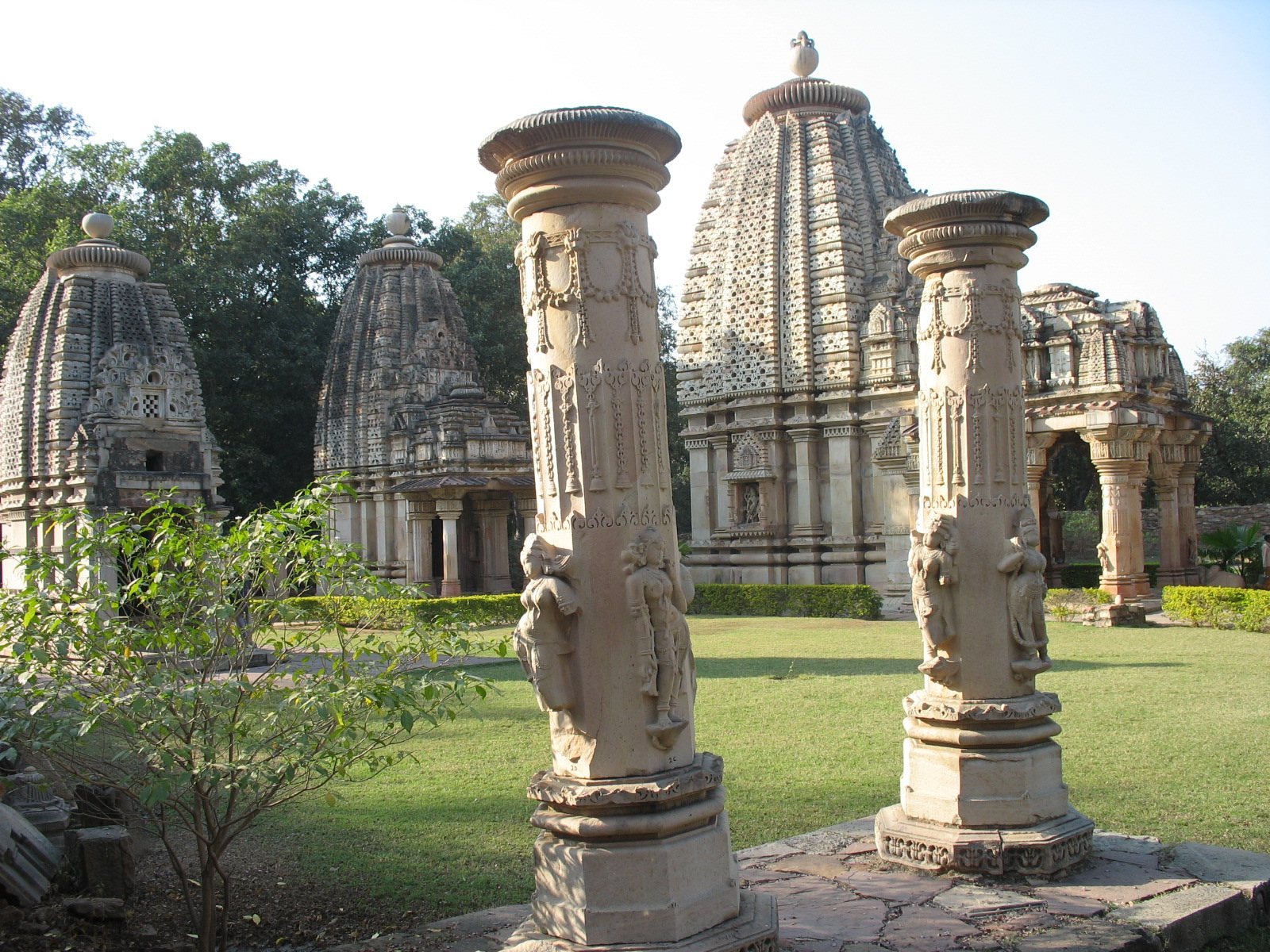
Baroli Temple Complex is an early medieval Hindu temple group at Baroli village near Rawatbhata in Rajasthan, India. Built in the Gurjara-Pratihara tradition, the temples are broadly dated from the ninth to the eleventh centuries, with most descriptions placing them in the tenth century. Their exact dates and patronage remain uncertain. The complex is regarded as one of Rajasthan’s earliest temple groups and preserves worship associated with Shiva, Durga, Vishnu, and Ganesha.
Gurjara-Pratihara foundation
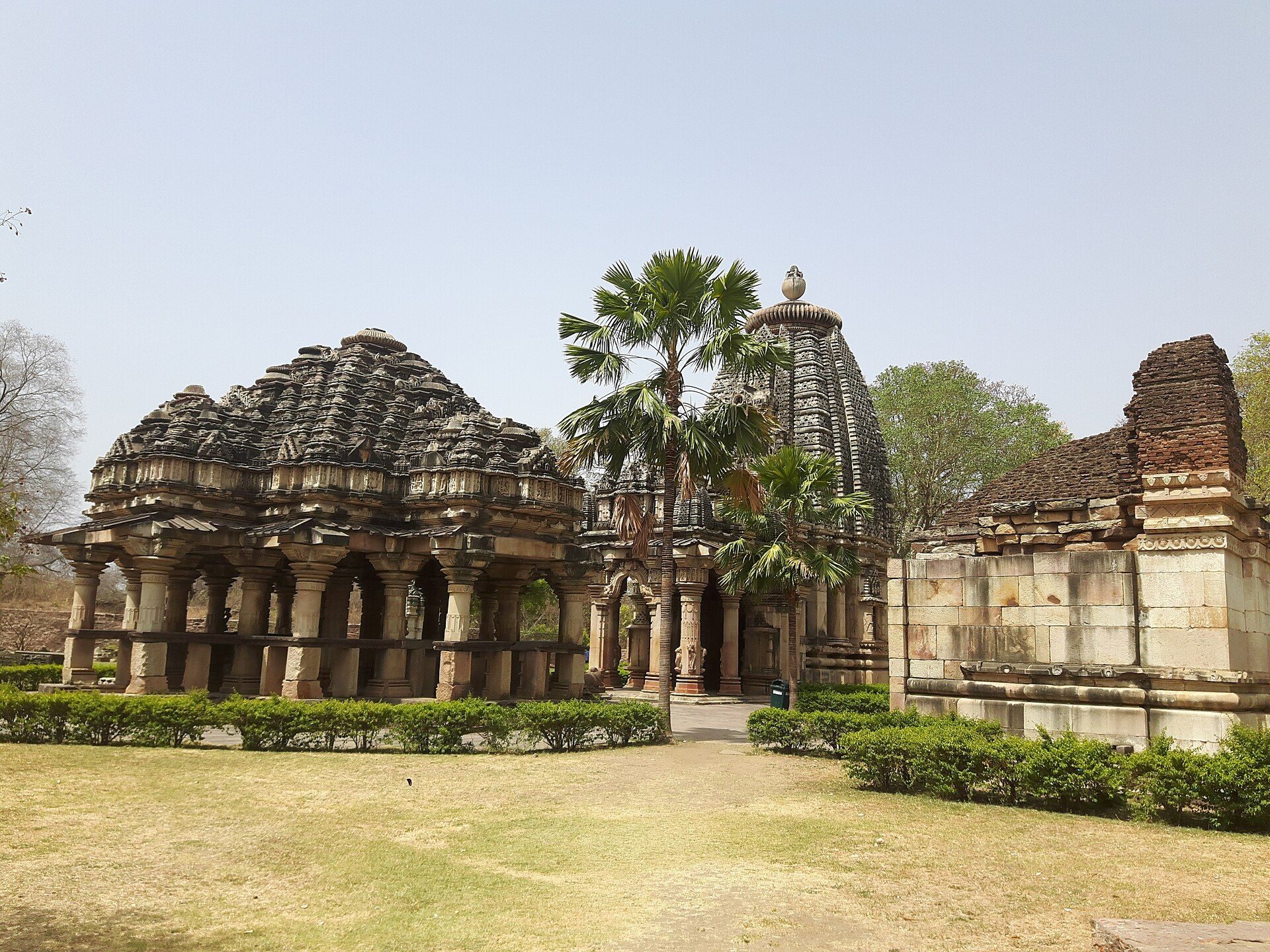
The temples are generally attributed to the Gurjara-Pratihara rulers, a major early medieval power in northern and western India associated with a distinctive tradition of temple construction. Eight temples stand within a walled enclosure, while a ninth is located about 1 kilometre away. Their arrangement around a natural spring and their richly carved stonework reflect the religious and architectural activity of the period.
The group developed through more than one building phase. The Ghateshwara Mahadeva Temple belongs to the early tenth century, while several other shrines are dated to the tenth century. A later dance hall was added outside the Ghateshwara temple, indicating continued ceremonial use and architectural development within the complex.
Damage, protection, and recovery
Some sculptures were probably damaged or destroyed during Islamic incursions, although the precise circumstances are not established. The temples later ceased to be used for regular worship, and they now survive in varying states of preservation, decay, and destruction.
The Archaeological Survey of India is responsible for the complex’s conservation and protection. In 1998, a carved stone image of Nataraja was stolen from Baroli. It was traced to a private collector in London and subsequently recovered, returning an important sculptural work to the site.
Remains
The complex occupies two zones around a natural spring in woodland containing peepal, kadamba, mango, and jamun trees. It stands near the rocky bank of the Chambal River, which flows about 1 kilometre to the west, at an elevation of roughly 310 metres above sea level. The group includes one large temple, several medium-sized shrines, and smaller structures within the walled enclosure, together with the separate ninth temple. Most buildings use finely carved stone, although the Ganesha Temple has a brick upper structure.
Ghateshwara group
Ghateshwara Mahadeva Temple
The Ghateshwara Mahadeva Temple is the largest shrine in the complex and survives as an intact structure. Dated to the early tenth century, it contains a sanctum and a pillared front hall, or mukhamandapa. Five lingas, aniconic representations of Shiva, are associated with the temple. One resembles an inverted pot and gives the shrine its name. A stone Nandi, Shiva’s bull mount, stands between the front hall and the sanctum.
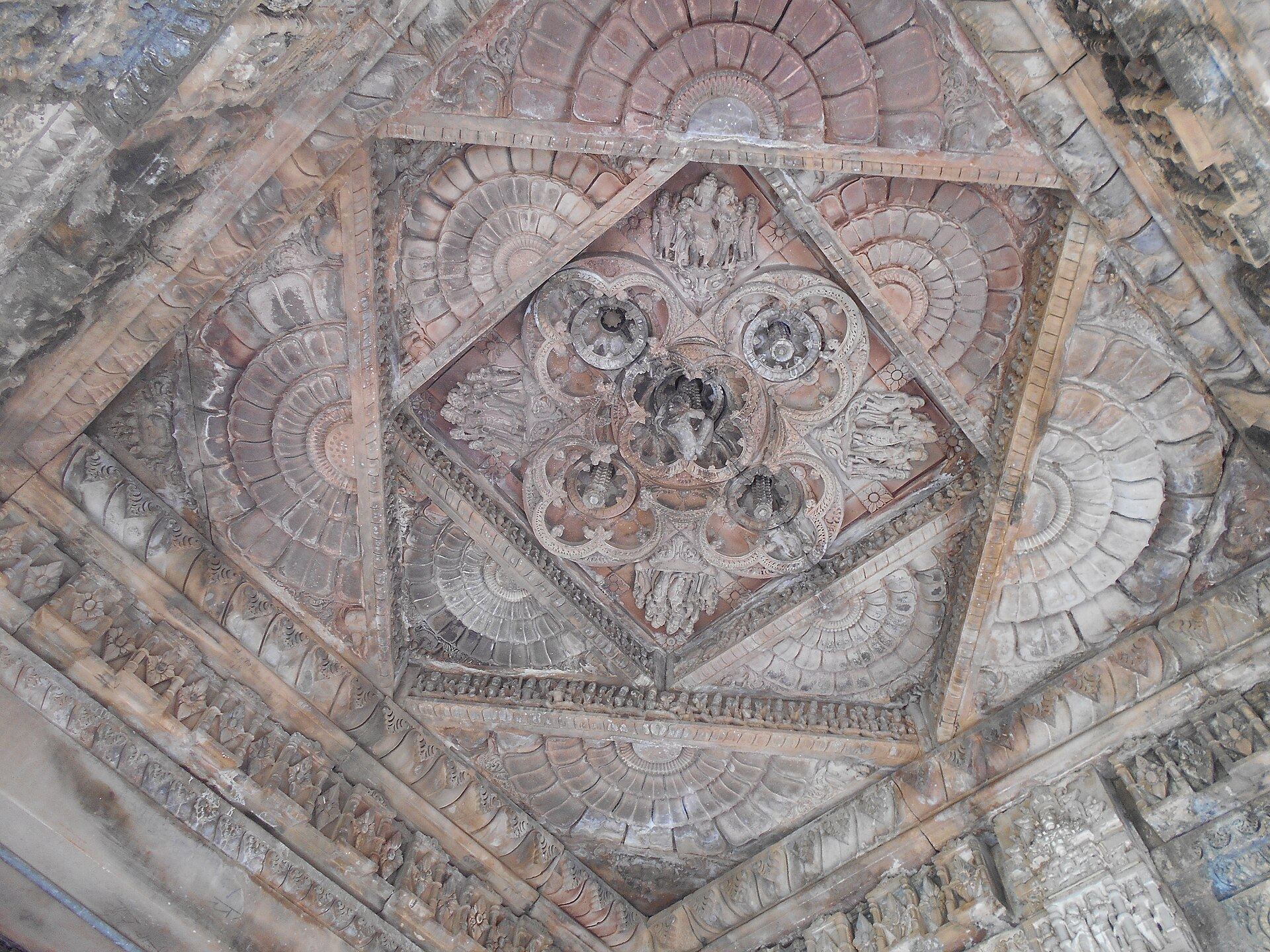
The sanctum has a ceiling shaped like a large blossoming lotus and a finely carved shikhara, the tower above a Hindu temple sanctum. Its curving latina superstructure has a phamsana pinnacle, a stepped pyramidal form. Six pillars and two pilasters support the structure and contain sculpted niches. Interior images include Andhakantaka, Shiva as the slayer of the demon Andhaka, Nataraja, Shiva as Lord of Dance, and Chamunda, a fierce goddess associated with the Shakti tradition. The entrance lintel carries related imagery, while the hall includes dancing apsaras, celestial female figures, and a ceiling decorated with concentric forms and coiffured cusps.
Sringar Chauri
Outside the main temple stands the later Sringar Chauri, or dance hall, on a decorated raised platform. Also called a rangamandapa, it is a large pillared hall associated with dancing or ceremonial activity. East and west entrances open onto the building, which has balustrades, four richly ornamented central pillars, and twenty simpler pillars around the perimeter. Its sculpture includes the river goddesses Ganga and Yamuna as door guardians, the Brahma-Vishnu-Shiva triad, and several forms of Shiva.
Sacred tank and water shrine
A sacred tank beside the Ghateshwara temple has a stepped approach to the water. A tenth-century Shiva temple stands in its middle. The shrine has a sanctum containing a linga, an east-facing, single-bay pillared portico, and a plan articulated by five projecting offsets, known as a Pancharatha plan. Steps enclose the tank on every side, and a narrow stone causeway once provided access to the temple. When monsoon water filled the tank, the linga could be temporarily flooded.
The roof of the water shrine is partly destroyed but retains articulated details. Small shikhara turrets survive in places, some crowned by amalakas, ribbed disk-like elements commonly placed near a tower’s summit, and others retaining small kalasha finials shaped like pots.
Smaller temples
Ganesha Temple
The east-facing Ganesha Temple is built of stone, while the upper part of its shikhara is made of brick. Dating from the tenth century, it has a projecting vestibule and a sanctum with an atiratha plan, which uses three principal projecting offsets. The entrance is undecorated. The stone image of Ganesha has had its arms and feet cut off.
Vamanavatar Temple
The Vamanavatar Temple is a small tenth-century shrine dedicated to Vamana, Vishnu’s dwarf incarnation. Its sanctum is covered by a flat stone slab, while the vestibule and entrance survive. The pinnacle is missing, and the sculpture of Vamana is damaged.
Trimurti Temple
The partially damaged Trimurti Temple stands in the southeastern part of the enclosure. Its surviving Gurjara-Pratihara features include a five-offset Pancharatha sanctum, an elegant Nagara-style shikhara, and a vestibule. The front hall is damaged. A Nataraja image occupies the entrance lintel, while the sanctum contains a defaced triple-headed image identified either as Trimurti-Shiva or Mahesha-murti, a multi-headed form of Shiva. Another interpretation sees the relief as the heads of Brahma, Shiva, and Vishnu.
Ashtamata Temple
The Ashtamata Temple, also called the Mahishamardini Temple, stands south of the Ghateshwara Mahadeva Temple. This east-facing tenth-century stone shrine has a sanctum, an intermediate chamber called an antarala, and a front hall in the Pratihara style. Its five-offset sanctum is crowned by a ten-tiered Nagara-style shikhara, divided by bhumi-amalakas and amalakas.
The entrance has three panels and a lintel showing the dancing goddess Maheshvari. A carved Parvati occupies the central niche of the sukanasa, the projecting portion of the superstructure above the vestibule. These features identify the shrine with Durga worship, including the goddess as Mahishamardini, the slayer of the buffalo demon Mahisha.
Sheshashyan Temple
The damaged Sheshashyan Temple is a tenth-century stone shrine with a rectangular sanctum and a projecting vestibule. Its entrance is undecorated. The temple probably had a Valabhi roof, a wagon-vaulted form that is now missing.
Sculptural remains
Carved images across the complex represent Shiva as the slayer of the elephant demon, the Trimurti, Ganesha, Nataraja, Chamunda, and other divine figures. Baroli’s Nataraja sculptures have been compared with examples from Upramala, a historical region of Rajasthan. One described image has sixteen arms, a matted headdress, a central diadem with beaded swags, and finely carved facial features.