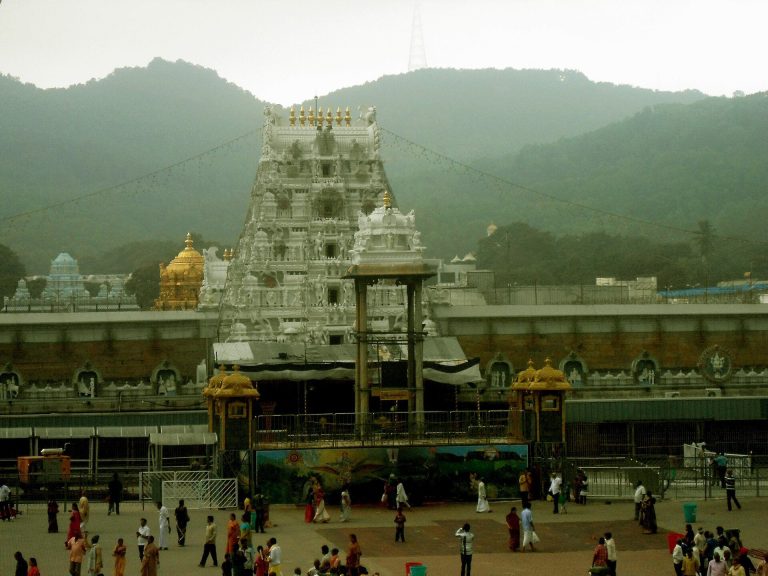
Prasanna Venkateswara Temple: A Vaishnava Shrine in Appalayagunta
Site at a Glance
- Rating
- 4.8
- Popularity
- Medium
- Country
- India
- Primary era
- Medieval
- External website
- Open
- Eras represented
- Medieval
- Civilizations
- Unclassified
- Site type
- Religious
- Remains
- Temple
On this page6 sections
History
Foundation and Sacred Tradition
Prasanna Venkateswara Temple is a Vaishnava shrine in Appalayagunta, Andhra Pradesh, India, built in AD 1232 in the Dravidian tradition of South Indian temple architecture. Dedicated to Venkateswara, a form of Vishnu, it is regarded as one of seven ancient Venkateswara temples associated with the region around Tirumala Venkateswara Temple.
The temple’s foundation is attributed to Venkata Perumalaraju Brahmadeva, the king of Karvetinagaram. Its religious importance is also shaped by a local tradition concerning Venkateswara’s journey after his marriage to Padmavati, the goddess associated with him as his consort. According to the legend, Venkateswara travelled on foot toward Tirumala and blessed the meditating Siddheswara at Appalayagunta with the raised-hand gesture known as abhaya, which expresses protection and reassurance. The tradition says that he then stayed at the temple.
The same account connects the shrine with further stages of the journey. Venkateswara visited Agastheeswara at Tondavada, remained for six months at Srinivasa Mangapuram, and eventually reached Tirumala by the Srivari Mettu route, a traditional stairway described as having one hundred steps. Siddheswara and Agastheeswara are names associated with Shiva, placing the story within the religious landscape of both Vaishnava and Shaiva traditions.
Place Name and Religious Administration
The name Appalayagunta is traditionally linked with a man called Appalayya, who had a tank dug at the settlement for practical purposes. One explanation says that the name developed from “Appalayya Gunta” into “Appalagunta.” Another local explanation associates it with Appalayya’s practice of paying workers their wages each day rather than leaving payments outstanding.
The temple has been administered by Tirumala Tirupati Devasthanams since 1988. This Hindu religious institution is responsible for administering major temples and related shrines in the Tirumala-Tirupati area. The temple’s festivals include Brahmotsavams, a major temple celebration, and Vaikuntha Ekadasi, an important Vaishnava observance dedicated to Vishnu.
Daily worship begins at the Hanuman shrine opposite the main temple, with musical instruments accompanying the service. Ablutions and worship of Venkateswara follow. The temple’s named deities are Venkateswara and Padmavati.
Remains
Temple Setting and Layout
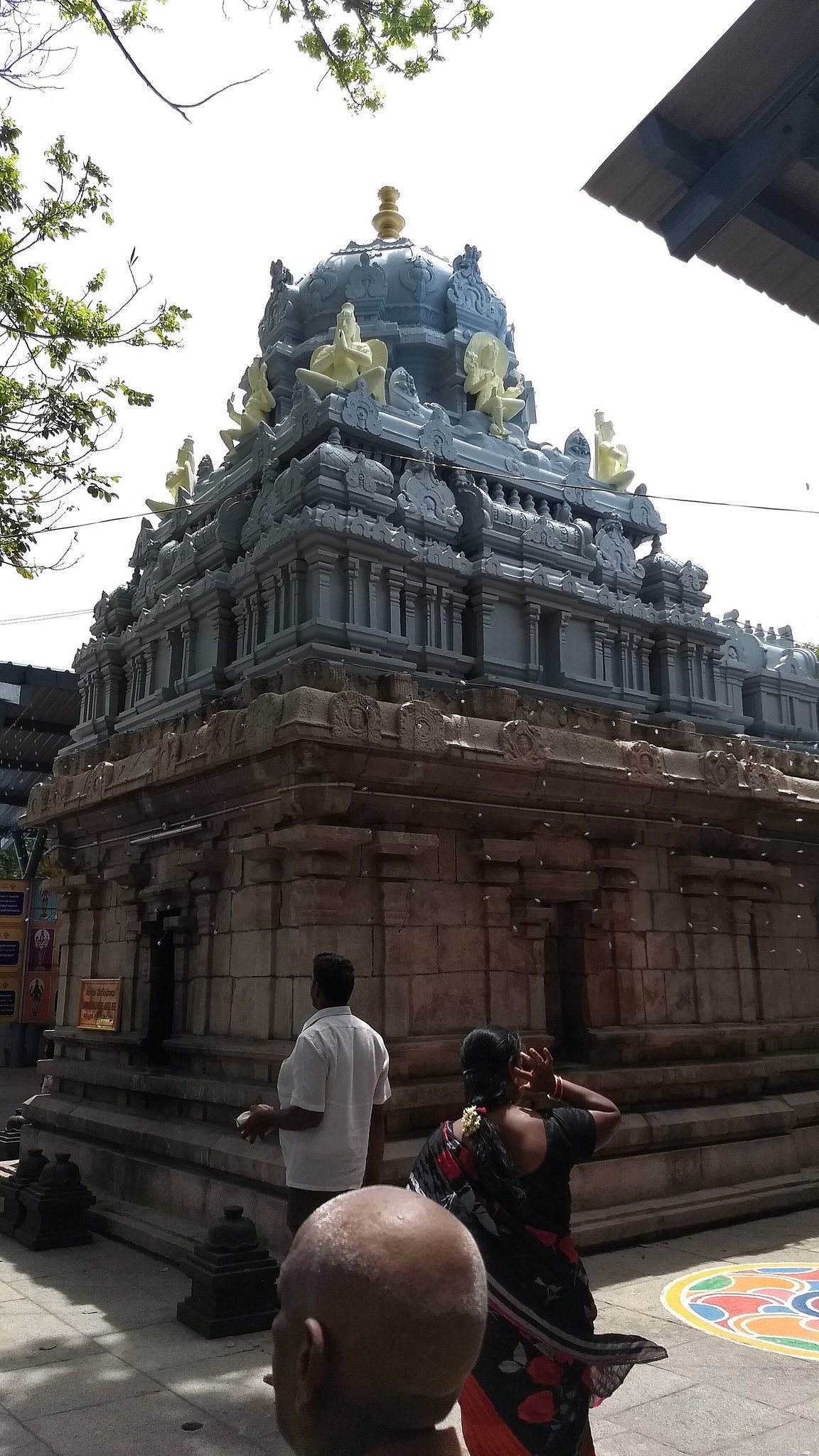
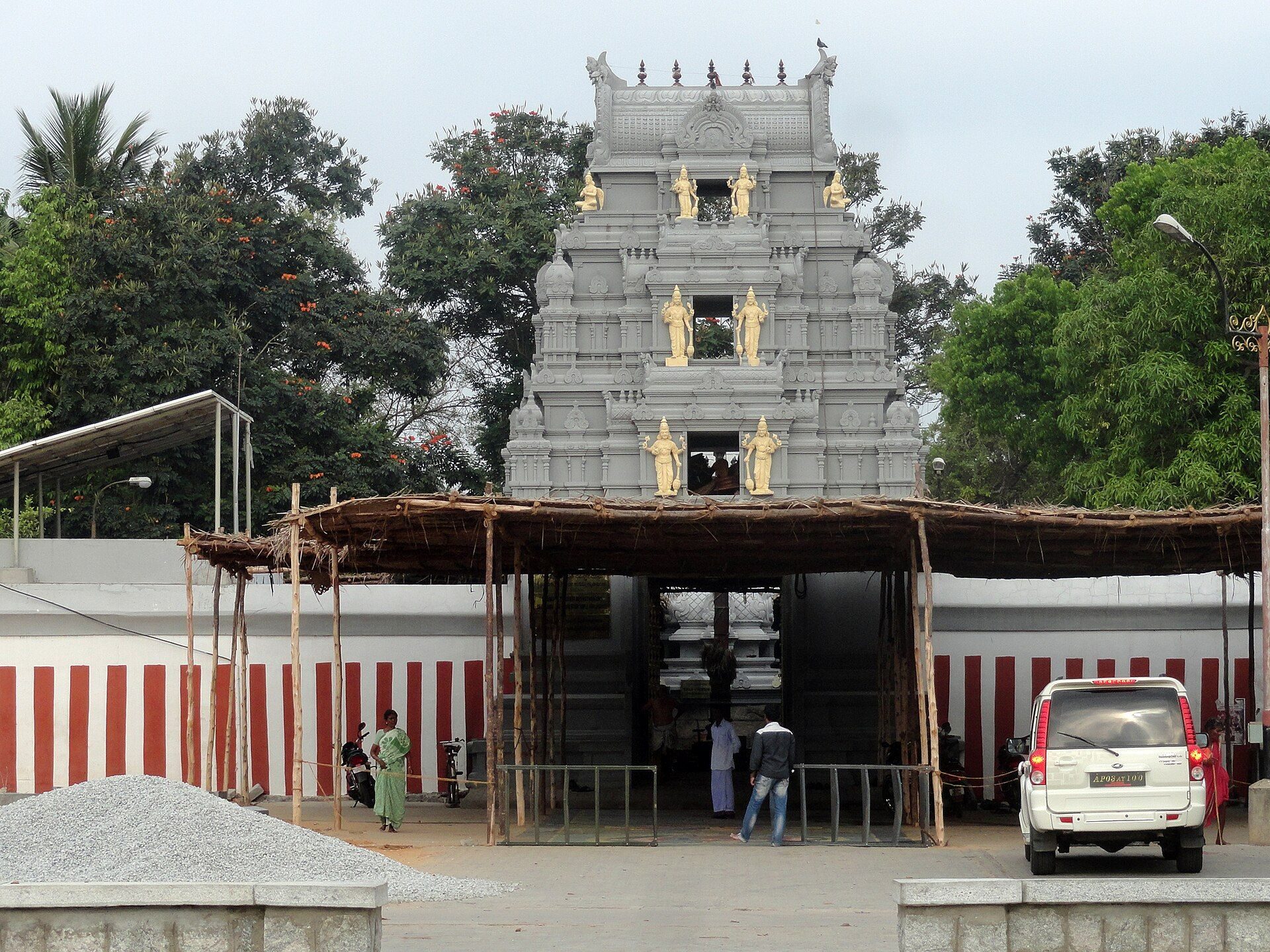
The temple stands with a high hill to the south and agricultural fields around it. It follows a formal Dravidian arrangement. Beyond the main entrance is a flagstaff, followed by the antarala, the intermediate chamber between the main hall and the sanctum. This passage aligns with the sanctum that contains the image of Venkateswara.
Shrines and Sacred Features
A small temple tank lies in front of the main shrine. Beyond the tank, directly opposite the principal temple, stands a small Hanuman temple. Together, these structures form the identified sacred features of the area in front of the main shrine.
The presiding image of Venkateswara is distinguished by the position of its right hand in the abhaya posture. The raised hand conventionally conveys protection, reassurance, or the granting of fearlessness, linking the surviving image with the temple’s traditional association with Venkateswara’s blessing at Appalayagunta.