Malkata: An Ancient Egyptian Royal Palace Complex in Luxor
Site at a Glance
- Rating
- 4.5
- Popularity
- Very Low
- Country
- Egypt
- Primary era
- Bronze Age
- Eras represented
- Bronze Age, Classical
- Civilizations
- Egyptian, Roman
- Site type
- Domestic
- Remains
- Palace
On this page16 sections
History
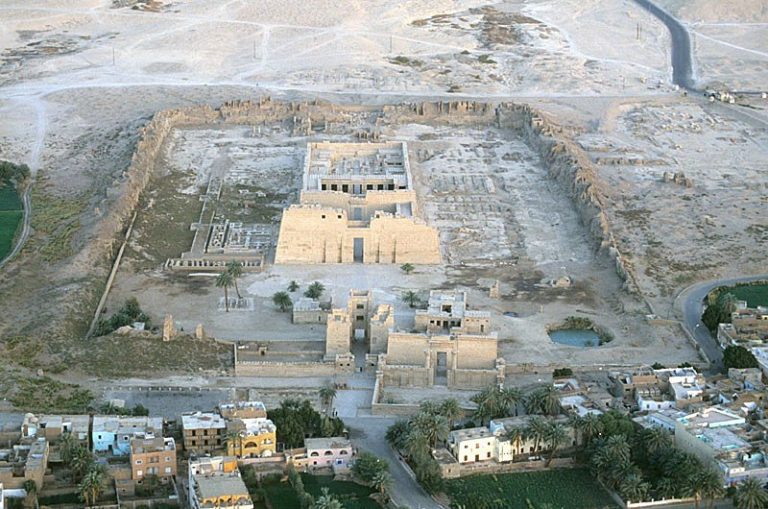
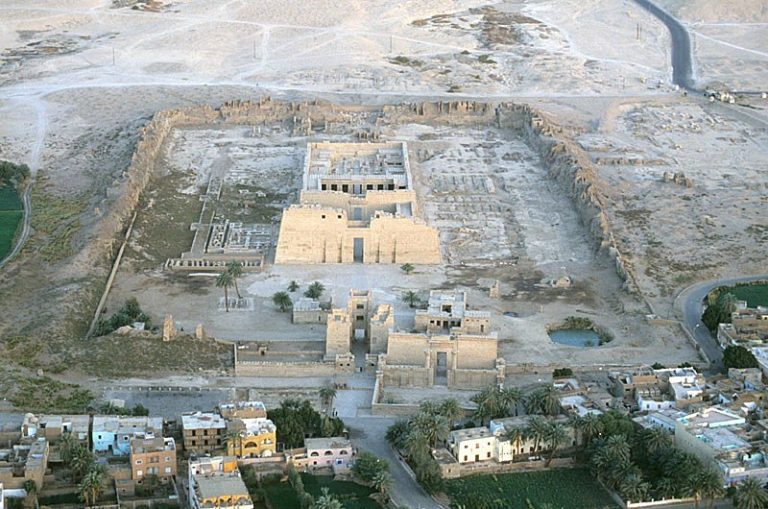
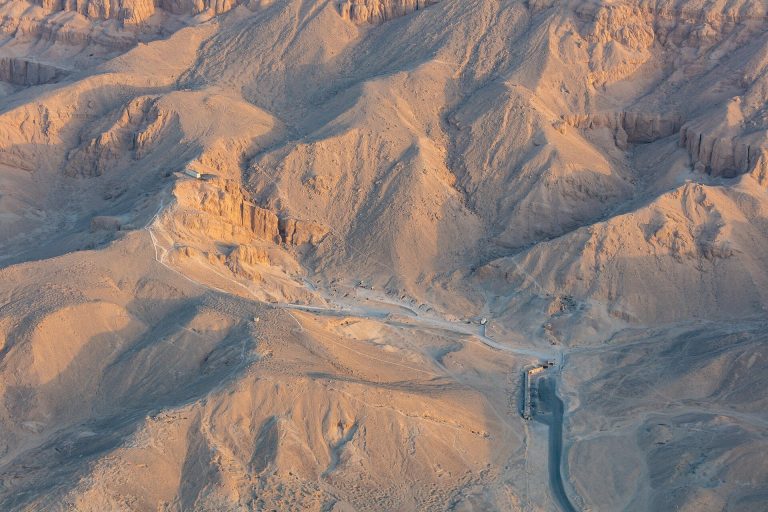
Malkata is an ancient Egyptian palace complex on the west bank of the Nile at Thebes in Egypt, south of Medinet Habu. Built by Amenhotep III of the Eighteenth Dynasty during the New Kingdom, it developed into a royal residence and ceremonial center in the early fourteenth century BC. When completed, it was the largest royal residence in Egypt and probably became the king’s principal palace during the later part of his reign.
Foundation and royal residence
Amenhotep III appears to have begun Malkata around the eleventh year of his reign. Construction continued until he moved there permanently around regnal year 29. The complex was known as Per-Hai, meaning “House of Rejoicing,” and also as the “Palace of the Dazzling Aten,” an epithet associated with the king. Its buildings formed a royal village rather than a single residence, bringing together royal apartments, ceremonial spaces, elite villas, houses for royal relatives, and quarters for attendants and officials.
The scale of the settlement required extensive administration. Servants, officials, gardeners, and other specialized workers managed the apartments, gardens, kitchens, and working areas. Malkata therefore operated as an organized community surrounding the royal household. A palace temple dedicated to the king’s Great Royal Wife, Tiy, was associated with Sobek, the Egyptian crocodile deity.
The lake and the sed festivals
Amenhotep III created a large ceremonial lake east of the palace and connected the complex with the Nile through canals leading to an artificial harbor now called Birket Habu. The lake extended for approximately 2.5 kilometers. The harbor supported the movement of people and goods to Malkata and formed part of the king’s sed festivals, royal renewal ceremonies intended to reaffirm his authority and ritual vitality.
Amenhotep III held these festivals in regnal years 30, 34, and 37. Each ceremony lasted for several months and involved activities extending across Egypt. The enlarged lake also altered the earlier settlement in the area. Painted-plaster fragments from a building designated Site K were found during excavations at Birket Habu. The building appears to have been demolished when the lake was enlarged during the final decade of the king’s reign. Its decoration has been compared with the artistic tradition of the Minoan civilization of Crete and the Aegean, as well as with the earlier Thutmosid palace at Tell el-Dab’a in the Nile Delta.
Abandonment and later occupation
Malkata was abandoned when Akhenaten, the son and successor of Amenhotep III, moved the capital to Akhetaten, now commonly called Amarna. Akhenaten promoted the Aten, the solar deity central to his religious policy, and the transfer may have reduced the influence of Amun’s powerful priesthood. When traditional religious and political institutions were restored, the court may have returned to Malkata during the third and final year of Neferneferuaten. The palace may also have been used again under Tutankhamun, who followed Akhenaten’s immediate successors and is associated with the restoration of Egypt’s traditional religious order.
Ay, who succeeded Tutankhamun, probably occupied the palace briefly, and Horemheb may also have used it. By the reign of Ramesses II, however, Malkata had become a minor residence after the capital moved north to Pi-Ramesses. The wider area continued to be occupied or reused into the Roman-Byzantine period, when Egypt was governed first by Rome and later by the Eastern Roman Empire.
Rediscovery and excavation
Georges Daressy rediscovered the ruins in 1888. The Metropolitan Museum of Art excavated the complex from 1910 to 1920, followed by work by the University Museum of Pennsylvania in the 1970s. The Archaeological Mission of Waseda University began investigations in 1985 and continued to examine the site.
New excavations begun in 2016 aimed to establish the palace plan more precisely. In April 2021, an additional settlement immediately north of Malkata was cleared. It was probably established under Amenhotep III and remained in use until the reign of Ay. Waseda excavations also uncovered a Roman settlement and cemetery, including remains dating to the reigns of Trajan and Hadrian.
Remains
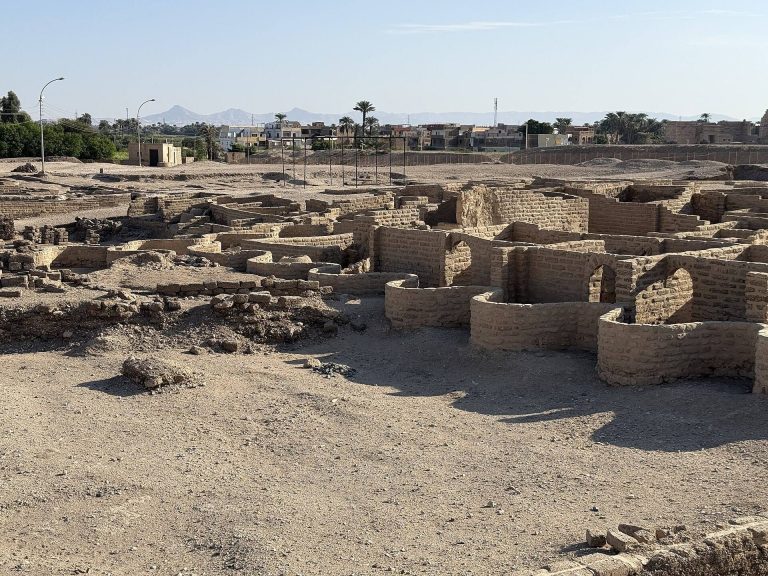
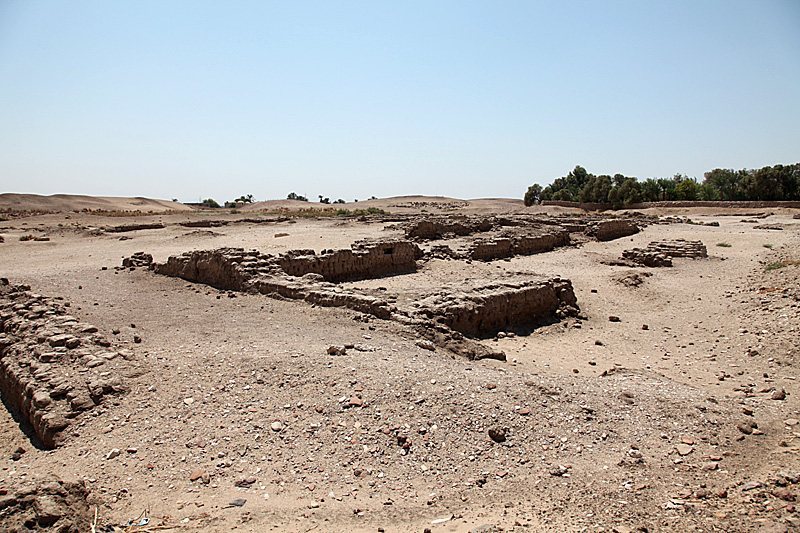
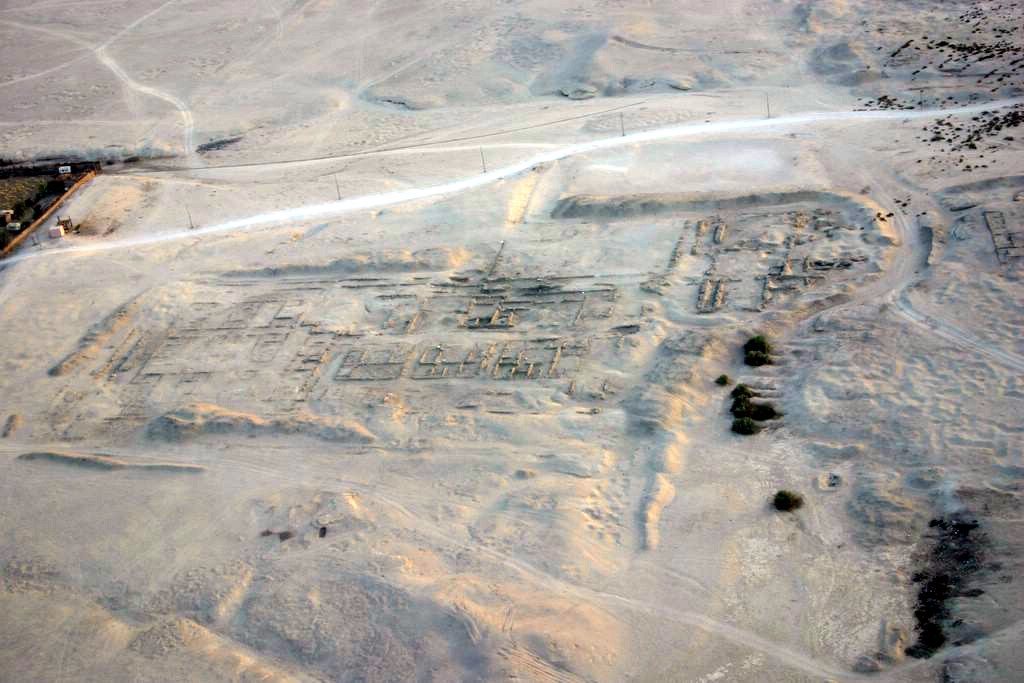
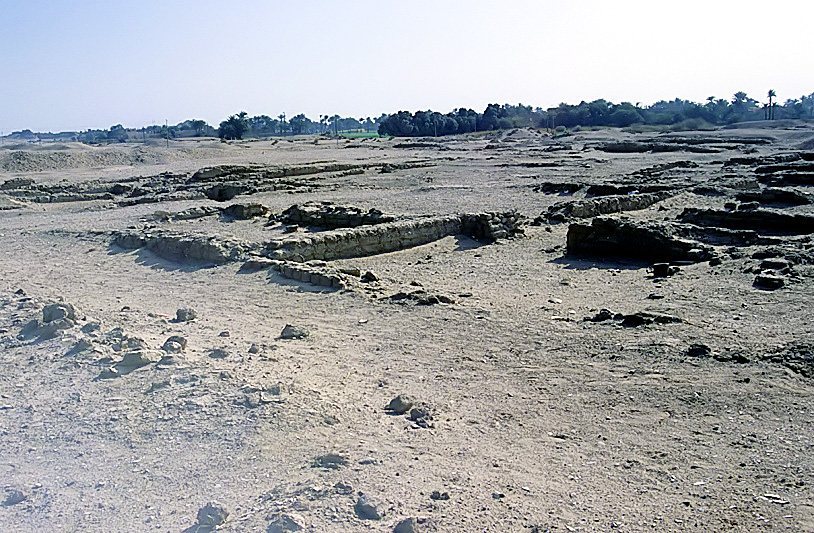
Malkata was constructed mainly from mud brick, a sun-dried building material made from earth mixed with organic tempering. The surviving site is organized around palace foundations, courtyards, residential quarters, religious buildings, gardens, and the remains of its hydraulic connections. The palace stood within a wider complex that included a harbor and canals linking it with the Nile and with Thebes on the eastern bank.
Royal palace and residential quarters
King’s palace
The principal palace was arranged around a central courtyard. The royal apartments included a bedroom, dressing room, private audience chamber, and an area called the harem, which was later used for storage. The apartments of the king’s children stood opposite the royal rooms. Kitchens and servant quarters lay near the royal chamber, providing physical evidence for the domestic and administrative staff who supported the court.
Queen Tiy’s palace
Tiy probably had a smaller palace positioned diagonally opposite the king’s palace. Paintings associated with her were found within the complex, linking the queen’s residence and ceremonial presence to the decorated palace environment.
Villas and service areas
Elite villas, houses for royal relatives, smaller palace complexes, and apartments for officials formed part of the royal village. Gardens and a large pleasure lake extended the residential setting beyond the main palace buildings, while the surrounding service areas supported the operation of the court.
Temples and ceremonial features
Temple of Amun
Remains of a temple dedicated to Amun survive north of the palace within the complex. Amun was one of ancient Egypt’s major deities, and his temple priesthood held substantial religious and political influence during the New Kingdom.
Temple of Tiy and Sobek
A temple associated with Tiy was dedicated to Sobek, the crocodile deity. Its religious connection reflects the ceremonial role of the queen within the palace complex and the importance of divine cults in the royal settlement.
Kom el-Samak and Deir el-Shelwit
A desert altar known as Kom el-Samak stood on the outskirts of the ruins. South of the main palace complex are the remains of a temple dedicated to Isis, a major goddess associated with protection, motherhood, and royal legitimacy. Known today as Deir el-Shelwit, this temple was built during the Roman period.
Birket Habu and Site K
The ceremonial lake and harbor formed a major part of the complex’s landscape, although the surviving physical evidence of the lake is limited. At Birket Habu, painted-plaster fragments from Site K preserve the decoration of an earlier building that was demolished when the lake was enlarged. The paintings contain naturalistic designs whose style resembles Minoan art and the decoration of the earlier Thutmosid palace at Tell el-Dab’a.
Painted decoration
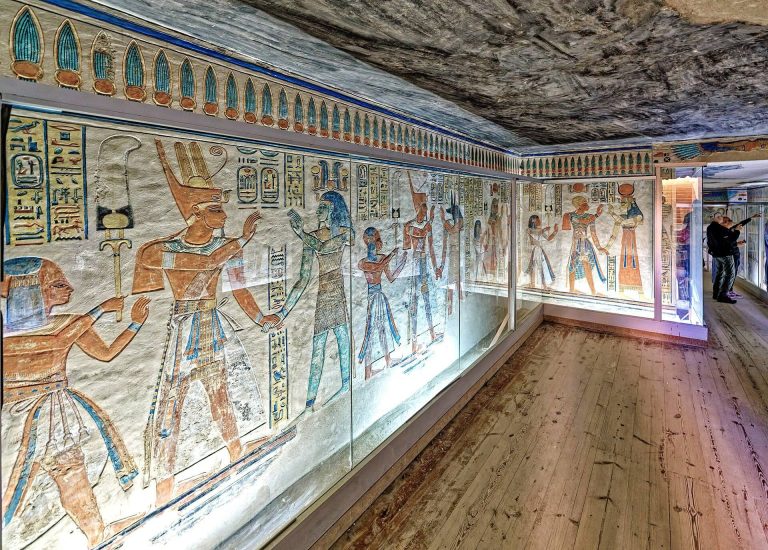
Fragments of plastered wall paintings reveal the rich decoration of the palace. The ceiling of the royal bedchamber carried images of Nekhbet, the vulture goddess. Flowers, reeds, and marsh animals appeared alongside geometric designs and rosettes on walls, ceilings, and floors.
Painted wooden columns supported the ceilings and were shaped and colored to resemble lily flowers. Only rare traces of the original paintings remain visible amid the severely deteriorated mud-brick fabric, but these fragments preserve evidence of the palace’s decorative program and its connection with the royal household.