Thermal Baths of Traianoupoli: Roman and Ottoman Spa Heritage in Greece
Site at a Glance
- Rating
- 3.7
- Popularity
- Very Low
- Country
- Greece
- Primary era
- Early Modern
- External website
- Open
- Eras represented
- Classical, Medieval, Early Modern
- Civilizations
- Byzantine, Ottoman, Roman
- Site type
- Sanitation
- Remains
- Baths
On this page13 sections
History
The Thermal Baths of Traianoupoli are a Roman and Ottoman bathing complex in Greece, near Loutra Traianoupoleos, whose history is tied to the thermal springs and the ancient city of Traianoupoli. The Roman city was founded in the early second century AD during the reign of Emperor Trajan, who ruled from AD 98 to 117. Its location beside an important east-west route, later followed by the Via Egnatia, and the reputed healing properties of the springs probably influenced its establishment.
Roman foundation and provincial importance
Traianoupoli was founded near the earlier Thracian settlement of Doriscus. Its creation may have brought surrounding villages together in a process known as synoecism, the formation of one urban community from several settlements, following Greek and Hellenistic practices. The city became an important center of Thrace because it stood on the route linking the western Balkans with Byzantium and Constantinople.
During the late third or fourth century, Traianoupoli became the capital of the Roman province of Rhodope. This change belonged to the period of late Roman administrative reorganization associated with the reign of Diocletian, who ruled from AD 284 to 305 and introduced the Tetrarchy, a system of government by four emperors. Traianoupoli also became an episcopal see and, from at least the fifth century, the metropolitan center of Rhodope. A metropolitan see supervised subordinate bishoprics, making the city the leading Christian administrative center of the province. Its administrative and religious authority extended across the surrounding region for approximately twelve centuries.
Byzantine warfare and abandonment
Emperor Justinian I repaired the city walls during the sixth century, and Traianoupoli continued to matter during the Byzantine period. Its political importance declined in the fourteenth century as the administrative theme system developed. In 1077, the city served as a meeting point for troops supporting the rebellion of Nikephoros Bryennios the Elder.
After the capture of Constantinople in 1204, the area was granted as a fief to Anseau de Courcelles. Bulgarian forces led by Tsar Kaloyan plundered and destroyed Traianoupoli in 1206. Turkish forces from the Smyrna region raided it again during the 1320s and in 1329. Emperor Andronikos III Palaiologos sent the grand domestikos John Kantakouzenos against them, but the population did not return permanently. Further destruction during the conflicts of the 1340s left the city abandoned by the middle of the fourteenth century at the latest, and the metropolitan residence was transferred elsewhere.
Ottoman way station and modern spa
Abandonment did not end activity at the springs. The site continued to serve as a way station, and the Ottoman military leader Gazi Evrenos probably built the Hana inn between about 1375 and 1390. A nearby tekke, a lodge or religious complex associated with a dervish order, was probably established around 1361. It later served travelers and poor people as well as members of the Bektashi dervish order, a Sufi religious community active in the Ottoman world.
The historic Ottoman bath buildings date from the sixteenth century. Modern bath facilities were constructed between 1962 and 1964, and the thermal-bath complex is managed by the Municipal Tourist Thermal Enterprise of Alexandroupolis. The site has been an archaeological site since 1964, including the area within the ancient walls and the adjacent acropolis hill of Saint George. Archaeological investigation has remained limited, although an excavation campaign in August 1995, undertaken in connection with planned road works, uncovered thirteen tombs along with architectural remains and other finds.
The springs continue to support balneotherapy, therapeutic treatment through bathing in mineral or thermal water, and drinking therapy. The water is traditionally recommended for the treatment or relief of rheumatism, degenerative injuries, gynecological disorders, peripheral-nerve conditions, kidney and gallbladder problems, liver dysfunction, and digestive disorders. The modern spa uses geothermal energy to heat its facilities.
Remains
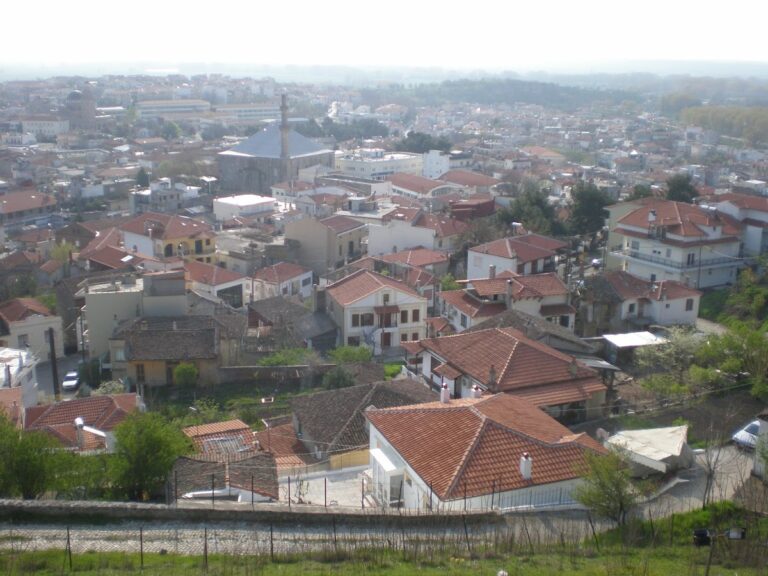
The remains of Traianoupoli extend across the southern slope of the fortified hill of Saint George and southeastward toward the Tsai stream, in the area of the modern baths. The ruined circuit wall encloses the ancient urban area, while the cemetery lies outside the eastern side of the wall, extending from the foot of Saint George hill beyond the national road. Roman and Ottoman bath structures stand beside the modern settlement of Loutra Traianoupoleos, close to the springs.
Ottoman bathing complex
Sixteenth-century baths
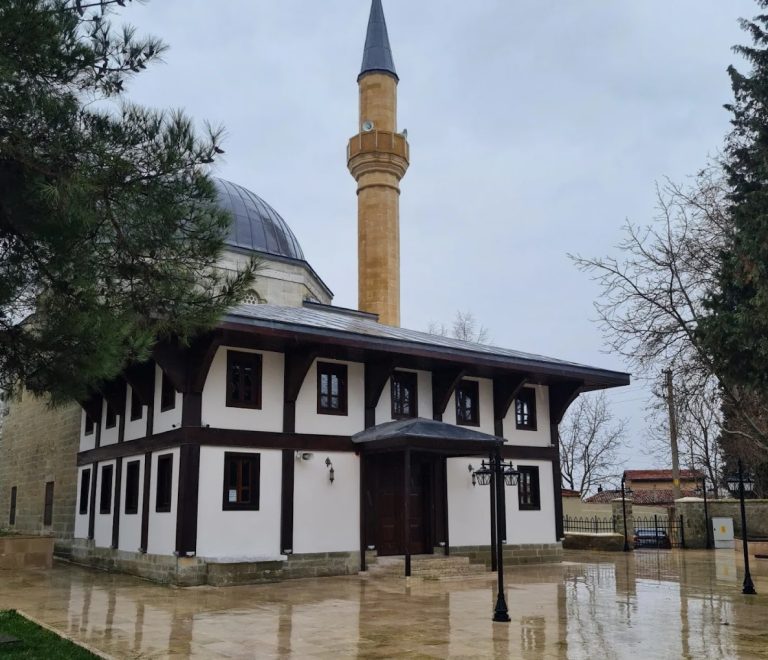
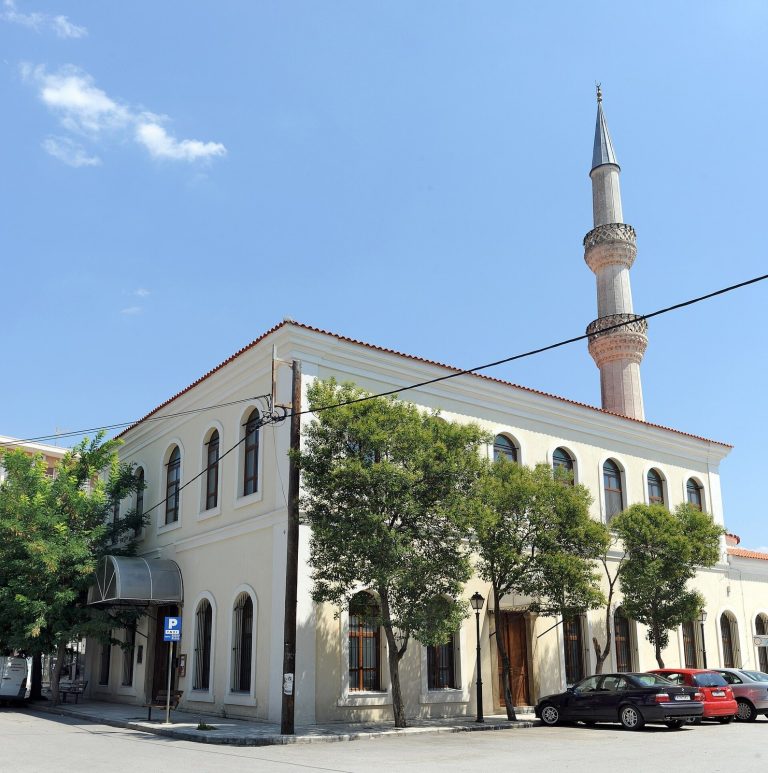
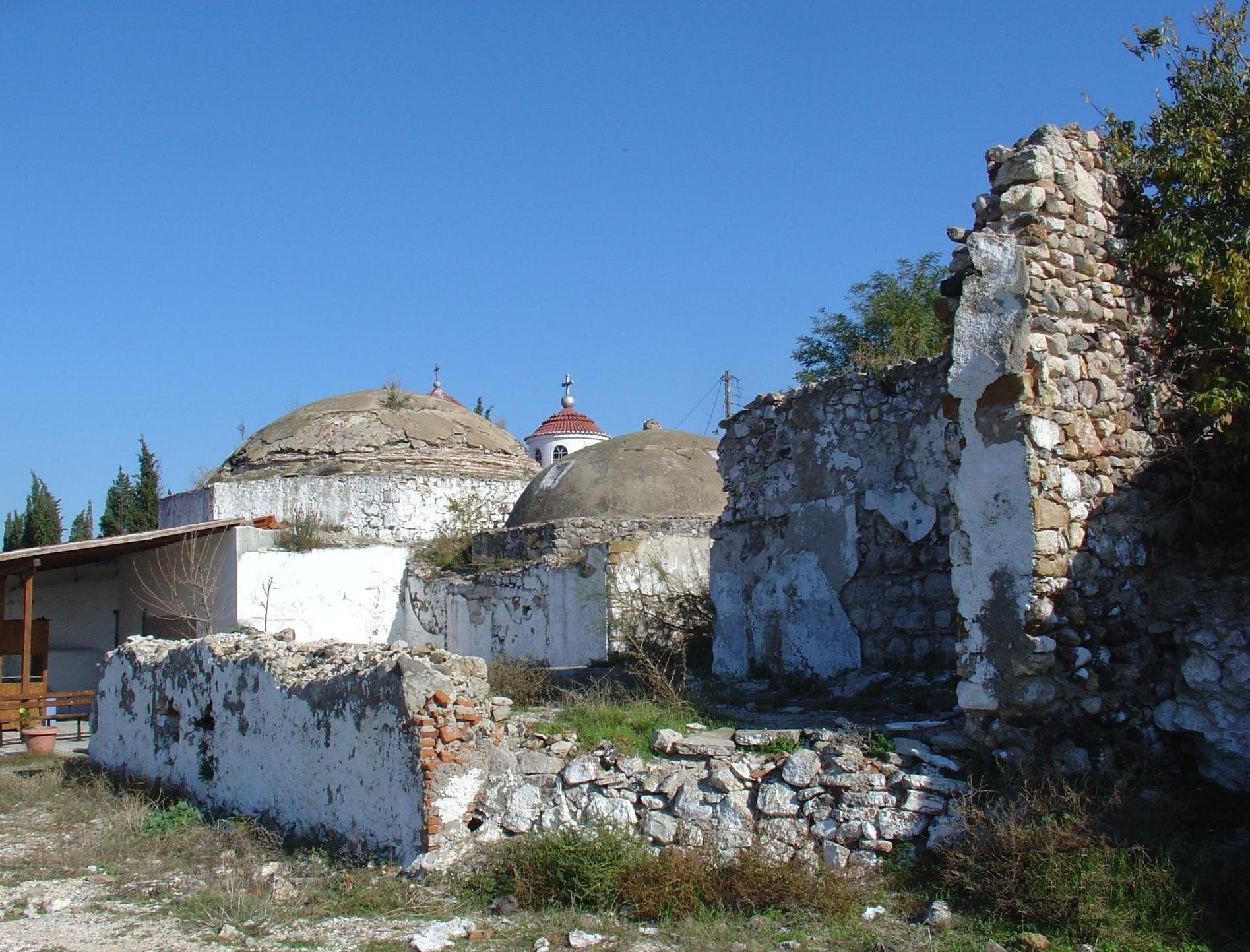
The historic Ottoman baths consist of two domed buildings dating from the sixteenth century. Each contains a thermal pool and changing areas. Behind the building known as the Hana is a group of vaulted Ottoman thermal structures from the same period. Several adjacent vaulted buildings are associated with the baths, preserving the physical relationship between bathing spaces and the later way station.
The Hana inn
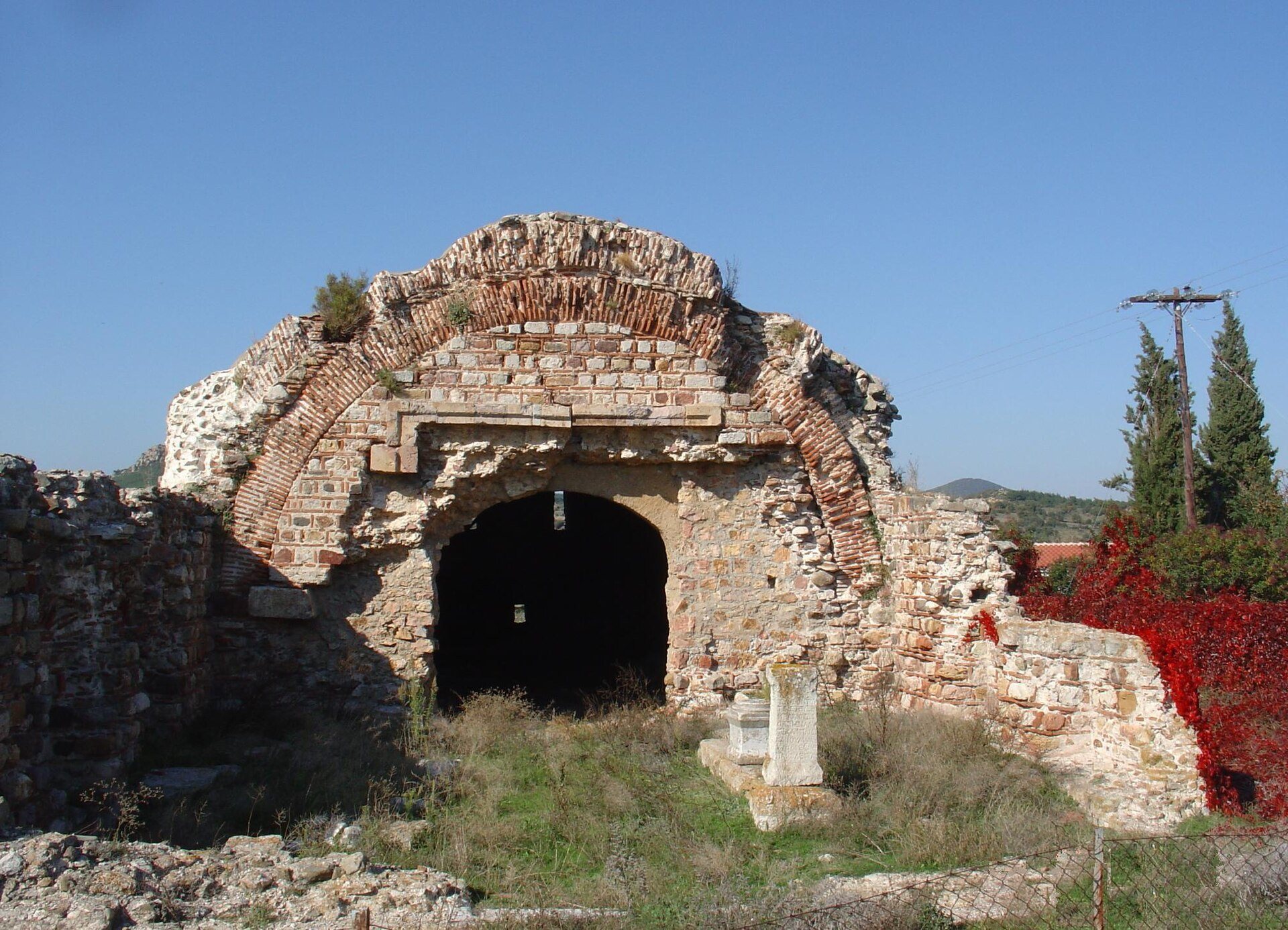
The Hana is a rectangular, arched building dating from the late fourteenth century. It functioned as an inn and survives among the ruins of the ancient city. Its position behind the later bath structures connects the Ottoman travel station with the thermal facilities that developed around the springs.
Modern hydrotherapy center
The thermal water emerges at 51–52°C and is classified as hyperthermal, slightly radioactive, and mineral-rich. The modern hydrotherapy center contains 15 individual treatment tubs and seven jacuzzi tubs, with treatment-water temperatures maintained at 36–37°C. Geothermal installations heat the facilities, which also include a hotel, restaurant, and mini-market.
Ancient and Byzantine remains
City walls and cemetery
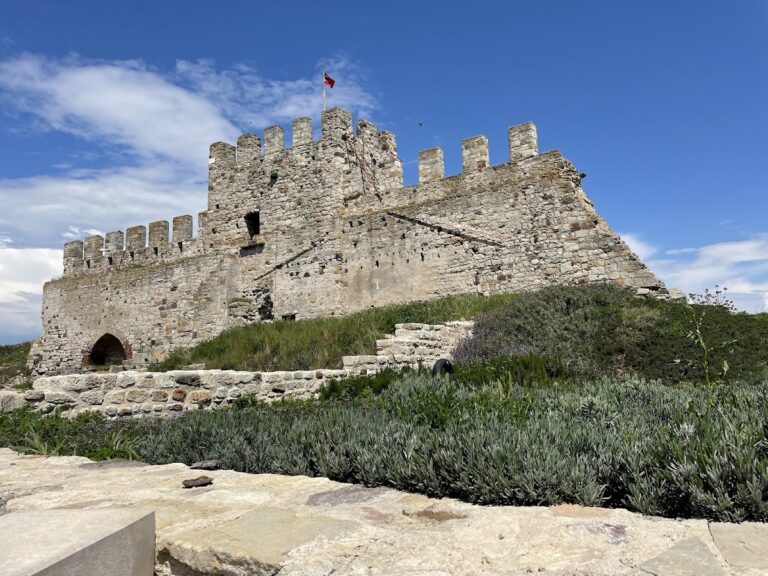
The ancient city’s walls survive in ruined form around the settlement on Saint George hill. The cemetery outside the eastern wall extends across the ground below the hill and beyond the national road. The 1995 excavation exposed thirteen tombs, together with architectural remains and other finds.
Churches and marble icons
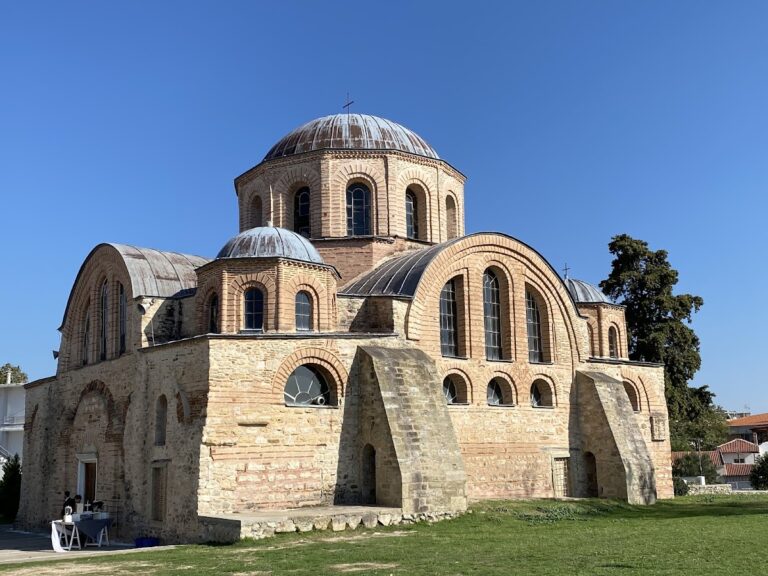
Two Byzantine churches remain within the archaeological site. Two marble icons with relief decoration, dated to the eleventh or twelfth century, are associated with these Byzantine remains. The Ottoman tekke stood on Saint George hill; its ruins include a mill and a fountain whose water is still regarded as sacred by Muslims. A stone chapel dedicated to Saint George occupies part of the former complex.
Inscriptions and archaeological finds
A damaged milestone dated to AD 202 names five settlements belonging to the territory of Traianoupoli: Celerva or Celevai, Ruptoulos, Pilemoulos, Corsantos, and Stryme. An aqueduct associated with the city was identified in the eighteenth century. A Byzantine inscription found in the baths, reading “Traianop[olis] … Macedonia,” helped establish the identification of the ruins as Traianoupoli.
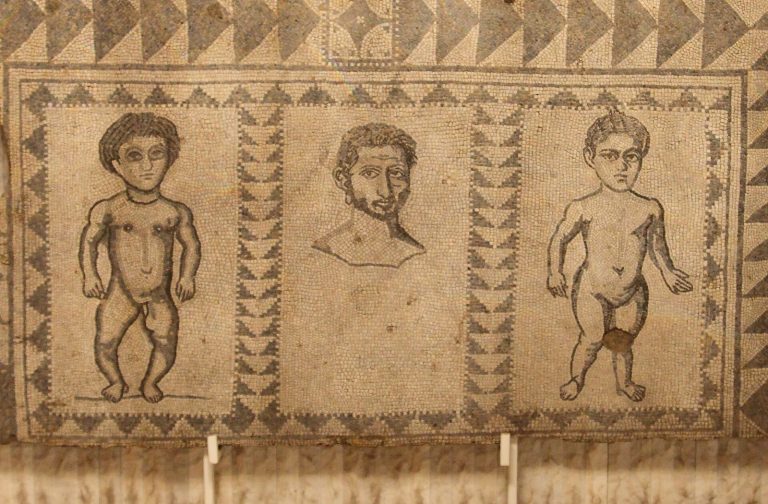
Excavations have also produced inscriptions, coins, a sundial, numerous construction materials, and the pedestal of a statue of Marcus Aurelius. Some coins portray the personified river deity of the Evros. Many of these finds, together with objects from the excavation, are housed in the Archaeological Museum of Komotini.